Genres
Artists
Albums
Make Music
Sign in
Sign in
Artists
Zeuhl
Artists
Zeuhl
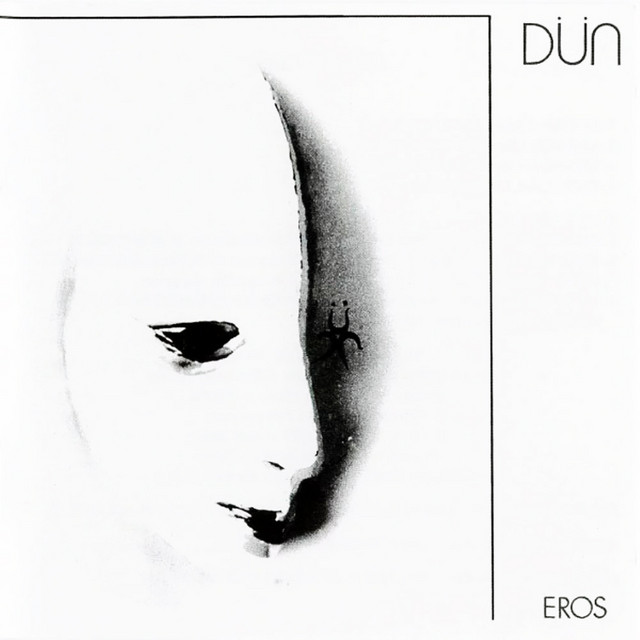
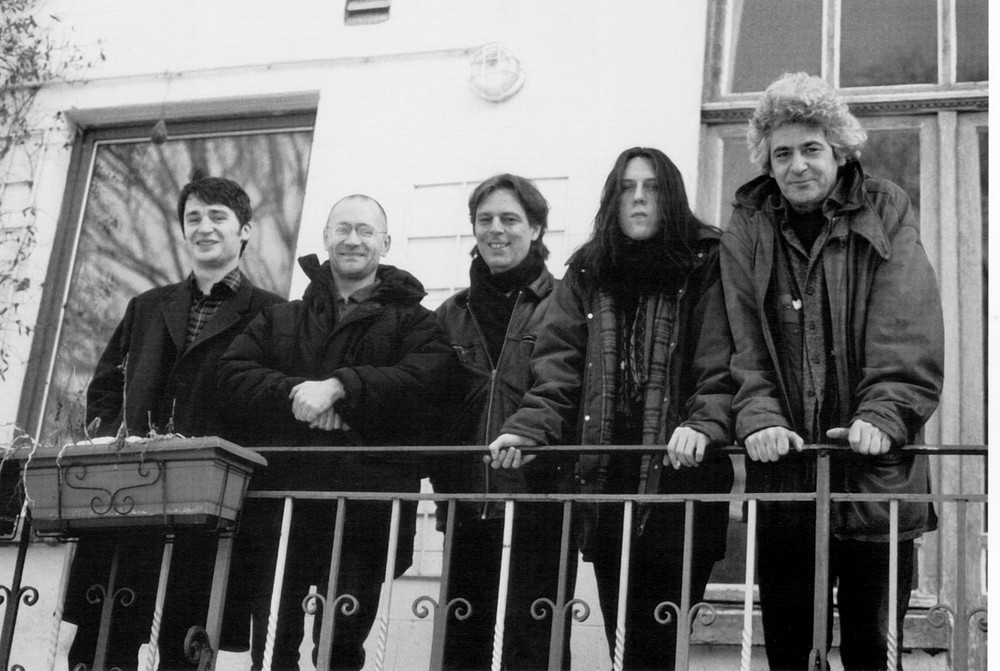
Dün
1981
·
1 album
Listen
1
/5
Genres
Zeuhl
Zeuhl is a bass‑driven, choir‑inflected strain of progressive rock coined by Christian Vander of Magma; the word is Kobaïan for “celestial.” It marries jazz‑rock and modernist classical impulses with ritualistic choral writing, repetitive ostinati, and militaristic drum patterns, yielding music that feels simultaneously cosmic, ominous, and liturgical. Typical traits include pounding, modal bass riffs; tightly locked, polyrhythmic drums; massed vocals in block chords or antiphony (often in invented languages); and long, through‑composed suites with recurring leitmotifs. The harmony favors minor, modal, and quartal sonorities and dramatic choral/Orff‑like climaxes, while the textures range from spare ostinatos to densely orchestrated, quasi‑operatic sections.
Discover
Listen
Avant-Prog
Avant-prog (avant-garde progressive rock) is a branch of progressive rock that emphasizes experimentation, dissonance, and structural innovation. It often blends rock instrumentation with chamber-music timbres (strings, woodwinds, brass) and techniques borrowed from 20th‑century classical music, free jazz, and minimalism. Typical traits include irregular and shifting meters, abrupt contrasts, complex counterpoint, atonal or modal harmony, extended techniques, and through-composed forms that minimize or abandon verse/chorus structures. The mood ranges from stark and austere to playfully surreal, with a frequent penchant for theatricality and sound collage. The movement’s ethos—crystallized by the late‑1970s Rock in Opposition (RIO) collective—was as much cultural as musical, favoring artistic independence, DIY production, and an oppositional stance toward commercial music industry norms.
Discover
Listen
Art Rock
Art rock is a branch of rock music that treats the studio and the album as spaces for artistic experimentation, emphasizing conceptual ideas, ambitious arrangements, and cross-pollination with modernist and avant-garde traditions. It typically favors extended song forms, thematic or conceptual unity, and non-standard instrumentation (strings, woodwinds, synthesizers) alongside rock’s core band setup. Lyrically, it leans toward literary, surreal, or philosophical subjects and often adopts theatrical presentation. Where mainstream rock centers on immediacy and hooks, art rock embraces risk: unusual time signatures, timbral exploration, complex harmony, tape and electronic manipulation, and interludes that draw from classical, jazz, minimalism, and experimental music.
Discover
Listen
Krautrock
Krautrock is an experimental form of rock that emerged in late-1960s West Germany, characterized by hypnotic repetition, long-form structures, and a forward-looking embrace of electronics and studio experimentation. It typically features a steady, driving 4/4 “motorik” beat, circular bass ostinatos, sparse harmonic movement, and textural layering that draws from minimalism, free improvisation, and avant-garde composition. Rather than virtuosic solos, the emphasis is on collective groove, trance-inducing momentum, and timbral exploration. The sound ranges from raw, percussive jams to spacious, cosmic electronics, often eschewing conventional Anglo-American blues forms in favor of a distinctly European modernist aesthetic.
Discover
Listen
Progressive Rock
Progressive rock is a rock subgenre that expands the genre’s formal, harmonic, and conceptual boundaries. It favors long-form compositions, intricate arrangements, and virtuosic musicianship, often drawing on Western classical, jazz, folk, and psychedelic idioms. Typical hallmarks include multi-part suites, shifting time signatures, extended instrumental passages, recurring motifs, and concept albums that present unified themes or narratives. The sound palette commonly features electric guitar, bass, and drums alongside an array of keyboards (Hammond organ, Mellotron, Moog/ARP synthesizers, piano), woodwinds or brass, and occasional orchestral additions. Lyrics often explore science fiction, mythology, philosophy, social commentary, and introspective themes.
Discover
Listen
Avant-Garde
Avant-garde music is an umbrella term for boundary-pushing practices that challenge prevailing norms of harmony, rhythm, timbre, form, and performance. It privileges experimentation, conceptual rigor, and a willingness to reframe what counts as music at all. Historically tied to early 20th‑century artistic modernism, avant-garde music introduced atonality, the emancipation of noise, and new forms of notation and process. It embraces indeterminacy, extended techniques, electronics, spatialization, and multimedia performance, treating sound as material to be sculpted, questioned, and reinvented.
Discover
Listen
Albums
1981
1
/5
Eros
Dün
Zeuhl
Avant-Prog
Similar artists
2
/5
Magma
Progressive Rock
Avant-Prog
Rock
1
/5
Univers Zero
Rock In Opposition
Zeuhl
Avant-Prog
1
/5
Weidorje
Zeuhl
Art Rock
Avant-Garde
1
/5
Etron Fou Leloublan
Zeuhl
Art Rock
Avant-Garde
1
/5
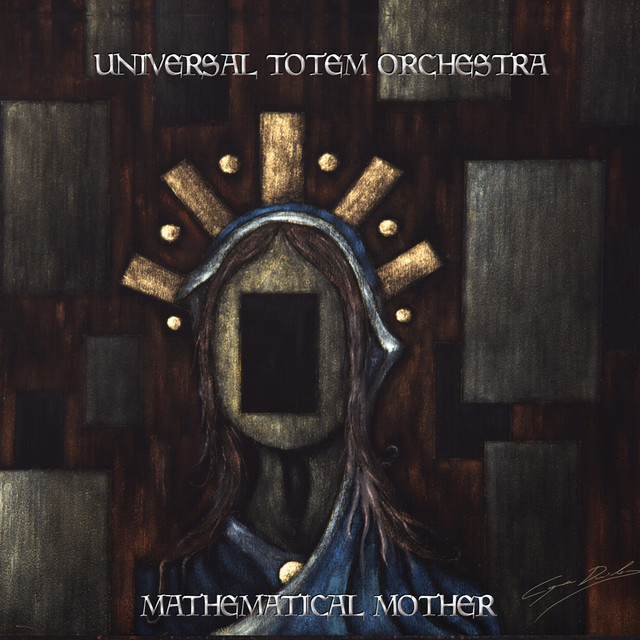
Universal Totem Orchestra
Zeuhl
Art Rock
Avant-Garde
1
/5
Koenjihyakkei
Progressive Rock
Art Rock
Avant-Garde
1
/5
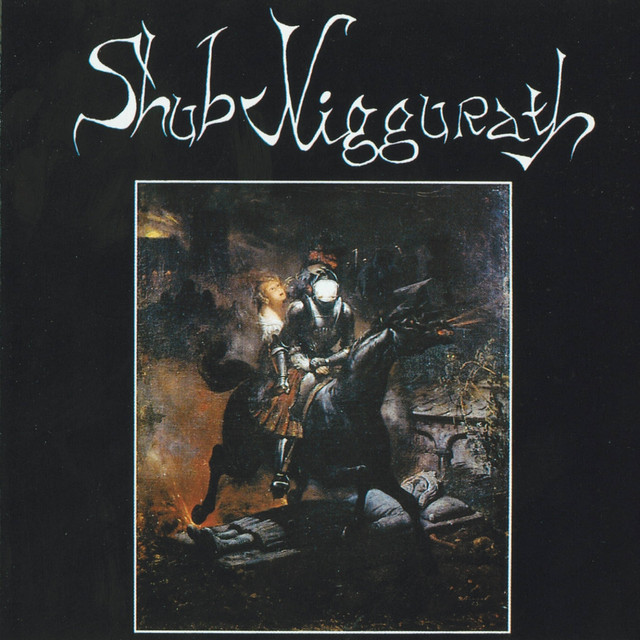
Shub Niggurath
Progressive Rock
Zeuhl
Art Rock
2
/5
Gong
Canterbury Scene
Space Rock
Progressive Rock
2
/5
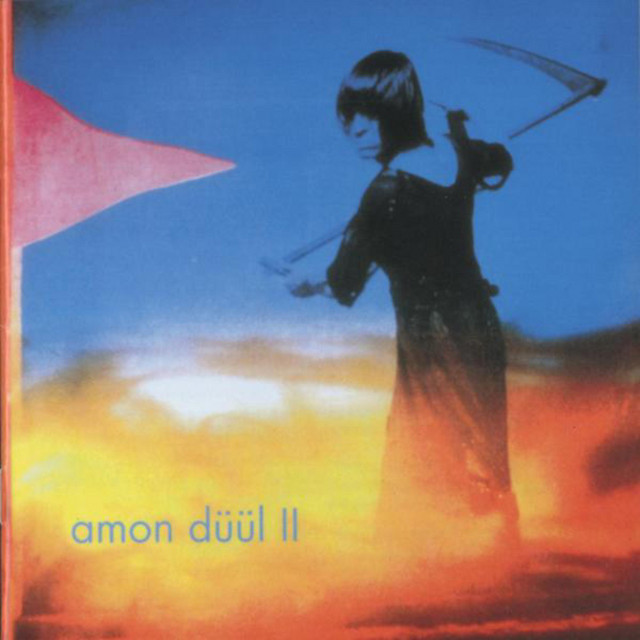
Amon Düül II
Krautrock
Progressive Rock
Rock
2
/5
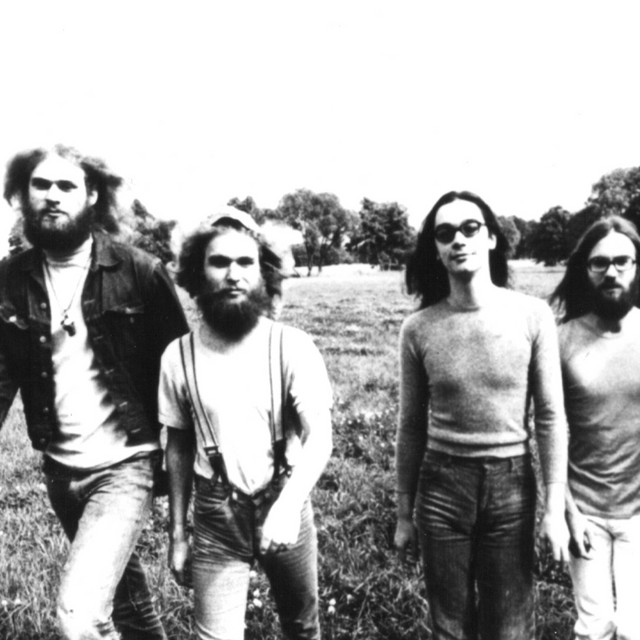
Faust
Krautrock
Experimental
Art Rock
Download our mobile app
Get the Melodigging app and start digging for new genres on the go
Download on the App Store
Get it on Google Play
© 2026 Melodigging
Give feedback
Legal
Melodding was created as a tribute to
Every Noise at Once
, which inspired us to help curious minds keep digging into music's ever-evolving genres.