Genres
Artists
Albums
Make Music
Sign in
Sign in
Artists
Aussie Drill
Artists
Aussie Drill
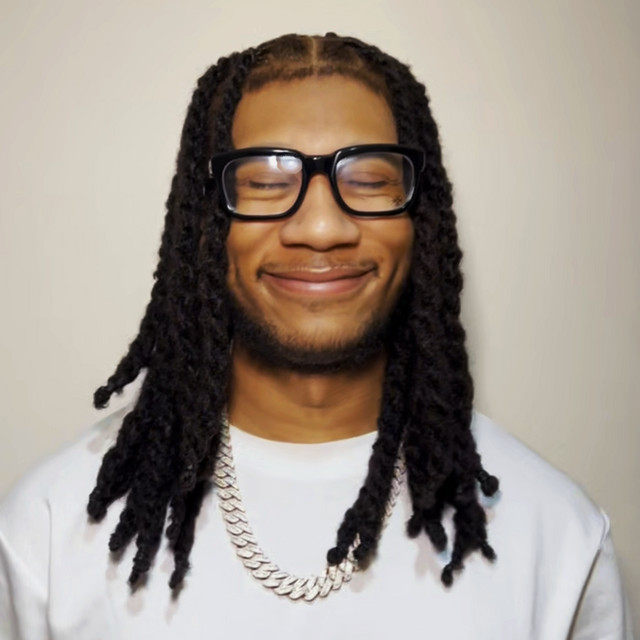
Digga
2020–2025
·
7 albums
Listen
4
/5
Genres
Bronx Drill
Bronx drill is a borough-specific strain of New York drill that surged in the early 2020s, centered in the Bronx, United States. It keeps the hard-edged, street-reportage DNA of drill but pushes the energy into rowdy, chant-heavy hooks, rapid-fire ad‑libs, and tightly packed verses that often feature back‑and‑forth exchanges between crew members. A hallmark of Bronx drill is the widespread use of "sample drill" production: recognizable pop, R&B, or early‑2000s hits are pitched up, sped up, and chopped over sliding 808s, skittering hi‑hats, and the syncopated snare placements typical of drill. The result is a striking contrast—bright, nostalgic samples sitting on top of brooding low end and aggressive delivery—creating a sound that is both catchy for virality and uncompromising in attitude.
Discover
Listen
Jersey Drill
Jersey drill is a high‑energy rap micro‑genre that fuses the sliding 808s, ominous textures, and competitive swagger of drill with the bouncy kick patterns, chopped vocal stabs, and dance‑floor focus of Jersey club. Typically sitting around 130–145 BPM, it keeps drill’s confrontational flows and street reportage but places them over club‑ready patterns (bed‑squeak chops, rapid kick clusters, brake stops) designed for party movement and call‑and‑response hooks. The result is music that’s both aggressive and made for dancing—rooted in the New Jersey club tradition yet connected to the broader New York drill ecosystem.
Discover
Listen
Sample Drill
Sample drill is a substyle of drill rap defined by prominent, highly recognizable samples from pop, R&B, or older hip‑hop songs that are chopped, pitched (often sped up into a chipmunk‑soul register), and woven into modern drill drum programming. It keeps the sliding 808s, syncopated hi‑hats, and off‑kilter snares of UK/NY drill while using melodic hooks from familiar records to add immediacy and nostalgia. The result is a contrast between gritty street narratives and glossy, sentimental or upbeat source material. Typical tempos sit around 138–145 BPM, with minor‑key harmonies and aggressive low‑end, but the pitched‑up samples add a catchy, radio‑friendly sheen. The style crystallized in the early 2020s and quickly became a mainstream gateway into drill across streaming and social media.
Discover
Listen
Aussie Drill
Aussie drill is the Australian take on drill rap, fusing the dark, minor‑key production and sliding 808s of UK drill with local slang, Pacific Islander and Western Sydney street culture, and distinctly Australian accents. Typical tracks sit around 135–145 BPM, with syncopated hi‑hats, counter‑snares, and gliding 808 basslines beneath ominous piano, string, or choral stabs. Vocals are baritone‑leaning, aggressive, and often chanted by crews, with call‑and‑response ad‑libs and postcode shout‑outs that emphasize group identity and territorial pride. Lyrically, the style centers on loyalty, everyday struggles, rivalry, and social realities, but also includes aspirational and reflective moments. The sound rose quickly via YouTube and streaming platforms in the late 2010s, turning local crews into national talking points while drawing scrutiny from authorities and mainstream media.
Discover
Listen
Melodic Drill
Melodic drill is a substyle of drill rap that blends the dark, sliding 808s and syncopated drum programming of UK and New York drill with tuneful, often Auto‑Tuned hooks and emotive toplines. It typically uses minor‑key piano, guitar, or vocal‑chop loops, and favors spacious, reverb‑washed textures that leave room for singers and sing‑rap flows. While it keeps drill’s street‑reportage and coded slang, its songwriting leans toward catchy choruses, bittersweet melodies, and themes of loss, ambition, and love alongside grit. In clubs and on social media, the style’s hook‑forward writing and accessible harmonies helped it cross from the streets to mainstream pop playlists.
Discover
Listen
Uk Drill
UK drill is a dark, hard-edged offshoot of hip hop that emerged in London in the mid‑2010s. It is characterized by sliding 808 basslines, sparse minor‑key melodies, skittering hi‑hat rolls, and heavy, punchy drums programmed in a cold, half‑time groove around 138–144 BPM. Vocals are delivered in deadpan, menacing flows that draw on London road slang and, at times, Jamaican patois cadences. Lyrical themes often depict street realities, territoriality, and social pressure, set against an austere, cinematic soundscape. The genre’s sound design emphasizes tension—detuned pianos, eerie pads, choral stabs, and dissonant textures—while maintaining a head‑nodding bounce that makes it club‑potent despite its bleak tone. Developed by crews across South and East London, UK drill translated the template of Chicago drill through the lens of grime and UK road rap, becoming a globally influential style that reshaped drill scenes from New York to Sydney.
Discover
Listen
Drill
Drill is a subgenre of hip hop that emerged on Chicago’s South Side in the early 2010s. It is defined by stark, menacing production; booming 808 sub‑bass with frequent pitch slides; skittering hi‑hats; and sparse, minor‑key melodies built from pianos, synth pads, strings, bells, or eerie soundscapes. Vocals are typically deadpan or urgent, with ad‑libs punctuating lines. Lyrically, drill foregrounds raw street reportage—survival, trauma, crews, and contested territory—often delivered with bleak realism. Tempos in original Chicago drill tend to sit around 60–75 BPM (often felt in double‑time), while later UK and New York scenes adopt 130–145 BPM grids with off‑kilter snare placement and distinctive sliding 808 patterns. The overall aesthetic prioritizes weighty low end, rhythmic tension, and an uncompromising mood.
Discover
Listen
Afro Drill
Afro drill is a regionalized form of drill that fuses the gritty, sliding-808 sonics and half‑time bounce of UK/Chicago drill with African rhythmic feel, languages, and street narratives. Born around the turn of the 2020s in Ghana (popularly called the Asakaa movement) and quickly echoed across other African scenes and diasporas, it retains drill’s cold, minor‑key atmosphere while introducing Afrobeats/highlife‑tinged melodies, syncopated percussion, and local flows in Twi, Ghanaian Pidgin, Yoruba, Sheng, and more. The result is music that is simultaneously raw and danceable—dark, street‑level storytelling delivered with regional slang and call‑and‑response hooks, framed by modern drill drum programming and African groove sensibilities.
Discover
Listen
Modern Downshift
Modern downshift is a contemporary, playlist-era microgenre that blends hushed alternative pop and alt‑R&B sensibilities with the spaciousness of downtempo and ambient pop. Songs are typically slow to mid‑tempo, minimal in arrangement, and intimate in vocal delivery—often breathy, close‑miked, and confessional. Production emphasizes warmth and negative space: soft sub‑bass, restrained percussion, reverb‑washed pads or guitars, and gentle saturation that keeps the overall texture velvety and nocturnal. Lyrically, the style skews introspective and late‑night: relationships, vulnerability, quiet self‑reflection, and the emotional afterglow of parties or city drives. The result is music that feels low‑key and cinematic—designed as much for solitary listening as for low‑light social settings.
Discover
Listen
Post-Dubstep
Post-dubstep is a loosely defined wave of UK-born electronic music that grew out of dubstep but moved away from its rigid 140 BPM wobble-bass formula. It keeps the bass-weight, sound-system focus, and rhythmic syncopation of dubstep and UK garage, but folds in house and techno tempos, R&B vocal chops, ambient space, and experimental production. Typical tracks explore 120–135 BPM (not fixed at 140), use broken 2‑step/garage swing instead of 4/4, and favor detailed sound design over maximal drops. You’ll often hear hushed, intimate vocals (sampled or original), neo-soul/jazz-influenced chords, and micro-edited percussion with lots of negative space. The mood is frequently introspective, melancholic, and textural—more headphone-oriented than festival-leaning—yet still rooted in club culture.
Discover
Listen
The Wave
The Wave is a loosely defined cluster of American post-hardcore/emo bands that surged in the early 2010s as emo-pop’s mainstream moment faded. The name was a tongue‑in‑cheek scene tag that stuck in press coverage, but it points to a real overlap in sound, ethos, and touring networks. Musically, The Wave fuses the urgency of 1990s post‑hardcore and screamo with confessional, literate lyric writing associated with emo. Expect shouted or half‑sung/half‑spoken vocals, dynamic quiet‑loud builds, intricate but driving drums, and guitar textures that shift between glassy clean arpeggios and overdriven, emotive climaxes. The songs often emphasize catharsis, narrative detail, and community-minded DIY presentation.
Discover
Listen
Scouse Rap
Scouse rap is the regional hip‑hop of Liverpool (Merseyside), characterised by the unmistakable Scouse accent, a dense use of local slang, and narratives rooted in life on the city’s estates, docks, nightlife, and football culture. Musically it sits between UK hip hop, grime, and UK drill: moody minor‑key instrumentals with sliding 808s and skittering hi‑hats are common, while older tracks lean on boom‑bap or grime’s 140 BPM energy. Lyrically, it blends hard‑edged street reportage with dry Liverpool humour and a conversational delivery that foregrounds identity and place.
Discover
Listen
Channel Pop
Channel pop is a digital-era strain of mainstream pop shaped by video and creator platforms—especially YouTube and later TikTok and Instagram—where artists build audiences through frequent uploads on their own “channels.” Musically it favors intimate, highly polished but close-mic’d vocals, acoustic guitar or piano-led arrangements, restrained beats, and succinct, playlist-friendly structures. Many releases are cover-first (reimagining recent chart hits) with a steady flow of glossy singles, session-style performances, and creator collaborations that gradually blend into original material. Titles, artwork, and release cadence are optimized for search and recommendation algorithms, yielding a sound that is simultaneously personal and platform-aware.
Discover
Listen
Emo Trap
Emo trap is a mid‑2010s fusion of trap production and the melodic, confessional sensibility of 2000s emo and pop‑punk. Built around minor‑key guitar or piano loops, blown‑out 808s, and half‑time trap drums, it favors short, hook‑heavy songs that blur singing and rapping through Auto‑Tune. Lyrically it is candid and diaristic—heartbreak, anxiety, alienation, substance use/recovery, and late‑night introspection are common themes. The sound crystallized on SoundCloud’s DIY ecosystem: rough‑edged mixes, clipped masters, and bedroom workflows that prioritized immediacy over polish, later crossing into the mainstream via viral singles and post‑blog discovery platforms.
Discover
Listen
Hard Trap
Hard trap is a high-octane branch of trap that fuses the halftime bounce and 808-centric weight of hip hop with the sound-design aggression and build–drop architecture of festival EDM. Typically sitting around 145–160 BPM (often 150 BPM in halftime), it features seismic, often distorted 808 subs, razor-edged screech leads borrowed from hardstyle, and explosive, big-room drops. Arrangements emphasize tension-and-release with cinematic risers, snare rolls, and crowd-commanding vocal chops or hype shouts. The result is trap’s swagger scaled up for main stages: mosh-pit energy, punchy drums, and maximalist synth work designed to hit hard on large sound systems.
Discover
Listen
Nigerian Drill
Nigerian drill is a localized take on drill rap that fuses the dark, sliding 808 basslines and syncopated percussion of UK drill with the cadences, languages, and street narratives of Nigeria. It typically runs around 138–145 BPM in 4/4, uses moody minor-key melodies, and features rattling triplet hi-hats, off‑grid kick patterns, and snares that crack on beat 3. Vocal delivery mixes Nigerian Pidgin with Yoruba, Igbo, Hausa and English, leaning into vivid, street‑level storytelling about hustle, survival, pride, and neighborhood identity. While it preserves drill’s brooding intensity, Nigerian drill often adds regional color—from ad‑libs and call‑and‑response hooks to subtle afro‑percussive textures—resulting in a style that sits between gritty hip‑hop, UK drill bounce, and contemporary Nigerian rap aesthetics.
Discover
Listen
Scam Rap
Scam rap is a late-2010s branch of hip hop that centers lyrically on internet fraud, credit card swiping, identity theft, and the broader hustle culture surrounding online schemes. Musically, it favors sparse, often loop-based trap beats with punchy drums, sub-bass, and minimal melodic material. Rappers commonly use a deadpan or conversational delivery, punch-in recording, and off-kilter bar placement that rides just ahead of or behind the beat. The tone is equal parts instructional, braggadocious, and comedic, with jargon-rich storytelling that reads like play-by-play tutorials of illicit schemes. The style is most closely associated with the Detroit/Flint scene, where its punch-in flow, dry humor, and hyper-specific detail became stylistic signatures.
Discover
Listen
Uk Jackin
UK jackin is a bass-forward strain of house and UK garage that emerged in the UK during the early 2010s. It blends the swing and shuffle of garage with the chunky, percussive drive of house, emphasizing rubbery low‑end riffs, organ stabs, and chopped R&B or soul vocals. Compared with classic Chicago jackin’ house, the UK variant is darker and punchier, drawing heavily from bassline and UK bass aesthetics. Tracks typically sit around 124–130 BPM, use swung drums and syncopated bass patterns, and are arranged with DJ‑friendly intros, tension‑building breakdowns, and emphatic drops.
Discover
Listen
Grime
Grime is a fast, raw, and minimalist form of rap-driven electronic music that emerged from London’s pirate radio culture in the early 2000s. It typically runs at around 140 BPM, with skeletal, syncopated drum patterns, stark sub-bass, and icy synth stabs that leave space for agile MCs. The genre’s vocal style emphasizes rapid-fire flows, internal rhymes, and wordplay that reflect urban life, competition, humour, and social commentary. Grime inherited the DIY energy of UK garage and jungle sound systems while foregrounding MC culture as the main event, building a distinctive British rap identity separate from U.S. hip hop.
Discover
Listen
Uk Hip Hop
UK hip hop is the British incarnation of hip hop culture, characterized by local accents, regional slang, and production aesthetics shaped by the UK’s sound system heritage. While it draws on the core elements of American hip hop—MCing, DJing, sampling, and breakbeats—it sounds distinct due to its emphasis on dub-style bass, reggae and dancehall inflections, and a gritty, observational lyrical lens on British life. From the outset, the genre developed alongside the UK’s pirate radio culture and club scenes, absorbing influences from electro, breakbeat, jungle, and later garage and bass music. The result is a spectrum that runs from classic boom-bap and conscious rap to darker “road rap” narratives and more experimental, left-field productions.
Discover
Listen
Gangsta Rap
Gangsta rap is a subgenre of hip hop defined by its gritty, street-level storytelling, first‑person narration, and unflinching depictions of crime, policing, poverty, and survival. It foregrounds a hard-hitting vocal delivery over sparse, heavy drum programming and sample-based grooves. Musically, it draws from the foundational elements of hip hop—looped breaks, funk basslines, and turntable aesthetics—while emphasizing menace, swagger, and cinematic detail. Lyrically, it alternates between reportage, braggadocio, social commentary, and personal testimony, often sparking controversy for its explicit content and political provocations. From mid‑1980s origins through the 1990s mainstream, gangsta rap reshaped both the sound and business of hip hop, influencing fashion, language, and global perceptions of urban America.
Discover
Listen
Hip Hop
Hip hop is a cultural and musical movement that emerged from Black, Latino, and Caribbean communities, centering around rapping (MCing), DJing/turntablism, sampling-based production, and rhythmic speech over beats. It prioritizes groove, wordplay, and storytelling, often reflecting the social realities of urban life. Musically, hip hop is built on drum-centric rhythms (from breakbeats to 808 patterns), looped samples, and bass-forward mixes. Lyrically, it ranges from party anthems and braggadocio to political commentary and intricate poetic forms, with flow, cadence, and rhyme density as core expressive tools. Beyond music, hip hop encompasses a broader culture, historically intertwined with graffiti, b-boying/b-girling (breakdance), fashion, and street entrepreneurship, making it both an art form and a global social language.
Discover
Listen
Show all 22 genres
Albums
2025
3
/5
DPMO
Digga D
Aussie Drill
Uk Hip Hop
Grime
2023
3
/5
TLC
Digga D
Aussie Drill
2023
3
/5
Energy
Digga D
Aussie Drill
2022
3
/5
STFU
Digga D
Aussie Drill
2021
1
/5
Toxic
Digga D
Aussie Drill
2020
3
/5
Daily Duppy
Digga D
Aussie Drill
2020
3
/5
Woi
Digga D
Aussie Drill
Similar artists
5
/5
Central Cee
Melodic Drill
Grime
Uk Drill
4
/5
Fredo
Grime
Uk Drill
Uk Hip Hop
5
/5
Dave
Grime
Uk Drill
Afrobeats
4
/5
Nemzzz
Melodic Drill
Uk Drill
Drill
4
/5
Headie One
Grime
Uk Drill
Drill
4
/5
Tion Wayne
Uk Drill
Afroswing
Grime
4
/5
Pop Smoke
New York Drill
Hip Hop
Uk Drill
4
/5
K-Trap
Uk Drill
Drill
Afro Drill
4
/5
Skepta
Grime
Instrumental Grime
Hip Hop
5
/5
Lil Durk
Chicago Drill
Trap
Drill
Download our mobile app
Get the Melodigging app and start digging for new genres on the go
Download on the App Store
Get it on Google Play
© 2026 Melodigging
Give feedback
Legal
Melodding was created as a tribute to
Every Noise at Once
, which inspired us to help curious minds keep digging into music's ever-evolving genres.