Genres
Artists
Albums
Make Music
Sign in
Sign in
Artists
Electronic
Artists
Electronic
Delerium
1994–2022
·
3 albums
Listen
4
/5
Genres
Rawphoric
Rawphoric is a modern fusion within hardstyle that combines the tough, distorted kick design and aggressive drive of rawstyle with the soaring, emotional melodies and big-room euphoria of euphoric hardstyle. Producers emphasize crunchy, pitch-modulated hardstyle kicks, energetic screeches, and climactic, trance-influenced themes, aiming to deliver both impact and uplift. The result is music that feels simultaneously forceful and anthemic—tailor-made for large festival stages while still retaining the grit and intensity prized by rawstyle fans.
Discover
Listen
Future Rave
Future rave is an electronic dance music style popularized by David Guetta and MORTEN that fuses the dark, muscular drive of techno with the euphoric tension-and-release of trance and the festival scale of big room house. It typically sits around 126–130 BPM, uses minor-key progressions, saturated supersaw leads, reese/rolling basslines, chunky offbeat stabs, and cinematic build-ups. The sonic palette favors gritty, modern sound design (distorted yet controlled), 909/modern drum kits, and atmospheric FX that enhance a nocturnal, high-stakes mood. Unlike brighter, pop-facing EDM, future rave keeps a moody, industrial sheen while still delivering emotional, hands-in-the-air breakdowns and anthemic toplines.
Discover
Listen
Liquid Riddim
Liquid riddim is a melodic, atmospheric strain of riddim dubstep that fuses the sparse, half‑time bounce and call‑and‑response bass writing of riddim with the lush pads, emotive chord progressions, and airy textures of liquid drum and bass. Compared with heavier festival riddim, liquid riddim favors fluid, legato bass timbres, glassy arpeggios, and generous reverb and delay. The result is a sound that remains dance‑floor friendly at 140 BPM yet leans introspective, dreamy, and sentimental, often using water‑like foley, silky supersaw layers, and soft vocal chops to enhance its “liquid” aesthetic.
Discover
Listen
Cinematic Dubstep
Cinematic dubstep is a hybrid of dubstep’s half‑time bass music and the sweep of film score writing. It layers colossal, trailer‑style sound design (impacts, risers, braaams) over orchestral textures—strings, brass, choirs, and big percussion—then delivers 140 BPM drops with growling basses and wide, atmospheric pads. Compared to standard brostep, it leans more narrative and emotive: introductions unfold like a cue from a movie, builds feel like a trailer climax, and breakdowns often return to piano, strings, or ambient soundscapes before a final, ‘act‑three’ drop. The result is music equally at home in esports intros, game/trailer sync, and festival stages.
Discover
Listen
Deep Big Room
Deep big room is a hybrid branch of EDM that fuses the stadium-scale drops and arrangement of big‑room house with the warmer timbres, deeper basslines, and more groove‑led sensibilities of deep/progressive house. Instead of the piercing supersaw leads and maximalist claps typical of early‑2010s main‑stage tracks, deep big room favors chunky, sidechained low‑end, percussive toplines, filtered plucks, organ/piano stabs, and longer, moodier breakdowns. The result is music that still “hits” on large systems but reads less abrasive—more rolling, hypnotic, and groove‑centric—while retaining crowd‑moving build/drop architecture.
Discover
Listen
Deep Euro House
Deep Euro House is a European-bred, melodically rich branch of deep house that blends club-ready four‑on‑the‑floor grooves with warm, emotive sound design and pop-aware songcraft. It favors lush pads, silky basslines, soft piano or guitar stabs, and subtly processed vocals, often in minor keys with bittersweet chord changes. Compared with classic Chicago deep house, Deep Euro House leans more cinematic and refined: filtered synth swells, sidechained textures, airy reverbs, and clean, modern low end. Tempos typically sit around 118–124 BPM, with grooves that feel unhurried yet propulsive—equally at home on late-night dancefloors and in headphone listening. The "Euro" aspect reflects not only its geography (Germany, Switzerland, France, the Netherlands, Austria, Belgium) but also a melodic sensibility shaped by European club culture, indie electronica, and Balearic moods: wistful, romantic, and polished without losing house’s foundational swing.
Discover
Listen
Glitter Trance
Glitter trance is a melody-forward branch of modern trance distinguished by bright, shimmering synth design, sparkling arpeggios, and euphoric, pop-leaning chord progressions. It keeps trance’s 4/4 drive and spacious breakdowns, but polishes the sound with glossy pads, shimmer reverbs, and hooky, radio-friendly toplines. Compared with harder or more psychedelic strains, glitter trance favors luminous supersaws, airy plucks, and side‑chained pads that "glitter" across the stereo field. Tempos typically sit in the 128–135 BPM range, with arrangements that balance club energy and streaming-oriented brevity. The overall affect is uplifting, dreamy, and unabashedly melodic.
Discover
Listen
Jungle Terror
Jungle terror is a high-impact festival style of electronic dance music that fuses the punch of big-room and electro house with hyper-percussive, "tribal" drum programming. Rather than relying on massive supersaw leads, it centers on toms, congas, wooden blocks, clacks, and animalistic shouts that drive the drop. Typically around 128–135 BPM, its arrangements emphasize tension-and-release: long risers, vocal calls, and cinematic breaks snap into sparse, tom-led drops with heavy sub-kicks and syncopated patterns. The overall aesthetic is wild, raw, and rhythmic—designed for large dancefloors and open-air festival stages.
Discover
Listen
Channel Pop
Channel pop is a digital-era strain of mainstream pop shaped by video and creator platforms—especially YouTube and later TikTok and Instagram—where artists build audiences through frequent uploads on their own “channels.” Musically it favors intimate, highly polished but close-mic’d vocals, acoustic guitar or piano-led arrangements, restrained beats, and succinct, playlist-friendly structures. Many releases are cover-first (reimagining recent chart hits) with a steady flow of glossy singles, session-style performances, and creator collaborations that gradually blend into original material. Titles, artwork, and release cadence are optimized for search and recommendation algorithms, yielding a sound that is simultaneously personal and platform-aware.
Discover
Listen
Dakke Dak
Dakke Dak (also spelled Dakkedak) is a Danish electronic dance music subgenre and slang term that emerged as a distinct cultural phenomenon in the 2010s. Musically, it is a high-energy fusion of various hard dance styles, primarily drawing from Psytrance, Hardstyle, Melbourne Bounce, and Hands Up techno. The name is an onomatopoeia mimicking the rapid, pounding "dak-dak-dak" sound of the heavy basslines and kick drums characteristic of the genre. It is strongly associated with provincial Danish youth culture, "tramper" (stomping) dance styles, car audio culture, and parties in rural or suburban areas. The lyrics are almost exclusively in Danish, often humorous, hedonistic, and centered around drinking, partying, and local identity.
Discover
Listen
Edm
EDM (Electronic Dance Music) refers to the mainstream, festival-oriented wave of electronic dance styles that rose to global prominence in the early 2010s. It emphasizes high-energy drops, ear-catching toplines, and crowd-pleasing arrangements designed for large stages and mass audiences. Musically, EDM typically sits around 124–130 BPM with a strong four-on-the-floor kick, wide supersaw leads, bright plucks, and heavily sidechained pads and basses for a pumping feel. Tracks are structured around tension-and-release: intros and builds lead to explosive drops, followed by breakdowns that rebuild energy. Vocals and pop-style songwriting frequently appear, enabling crossover success on radio and streaming platforms.
Discover
Listen
Future House
Future house is a mid‑2010s strain of house music known for rubbery, plucked bass leads, clean and punchy drums, and streamlined, drop‑focused arrangements. It bridges the groove and warmth of deep/UK house with the sheen and impact of big‑room/electro‑house, often featuring metallic or organ‑like bass timbres that “speak” melodically. Typical tracks sit around 124–128 BPM, use tight sidechain compression for a pumping feel, and contrast sparse, atmospheric breakdowns with hooky, syncopated bass drops. Vocals, when present, are concise—often chopped or pitched—and the sound design emphasizes clarity, swing, and a modern, club‑ready polish.
Discover
Listen
Melodic House
Melodic house is a strain of house music that foregrounds memorable melodies, emotive chord progressions, and lush atmospheres while retaining a steady four-on-the-floor groove. It typically runs at a mid-tempo pace, features warm basslines, gentle percussion, and arpeggiated or plucked leads, and often balances a bittersweet, introspective tone with a quietly uplifting drive. Tracks are arranged with DJ-friendly intros and outros, spacious breakdowns, and tasteful builds, making the style equally suited to late-night dancefloors and attentive listening.
Discover
Listen
Powerstomp
Powerstomp is a high-energy offshoot of UK Hardcore that emphasizes a heavy, stomping 4/4 kick, euphoric melodies, and festival-sized drops. It typically runs around 165–175 BPM, replacing the rolling breakbeats of older happy hardcore with hardstyle/gabber-weighted kicks, reverse-bass grooves, and bouncy offbeat basslines. Bright supersaw leads, hands-in-the-air breakdowns, chopped vocals, and simple, chantable riffs make it highly dancefloor-focused and immediately impactful.
Discover
Listen
Trance
Trance is a form of electronic dance music characterized by steady four-on-the-floor beats, long build‑ups and breakdowns, and euphoric, melodic progressions designed to induce a hypnotic or “trance‑like” state. Typical tempos range from about 130 to 142 BPM, with arrangements often stretching 7–10 minutes to allow DJs room for tension, release, and seamless mixing. The sound palette emphasizes shimmering pads, arpeggiated synth motifs, supersaw leads, and wide, reverberant spaces. Harmonically, trance tends to favor minor keys, modal mixture, and extended suspense before cathartic drops. Production hallmarks include sidechain compression (“pumping”), off‑beat open hi‑hats, rolling basslines, and lush delay/reverb tails. While largely instrumental, a major branch—vocal trance—features lyrical toplines and pop‑leaning structures without losing its club‑centric dynamics.
Discover
Listen
Downtempo
Downtempo is a mellow, groove-oriented branch of electronic music characterized by slower tempos, plush textures, and a focus on atmosphere over dancefloor intensity. Typical tempos range from about 60–110 BPM, with swung or laid-back rhythms, dub-informed basslines, and warm, jazz-tinged harmonies. Stylistically, it blends the spaciousness of ambient, the head-nodding rhythms of hip hop and breakbeat, and the cosmopolitan smoothness of lounge and acid jazz. Producers often use sampled drums, Rhodes or Wurlitzer electric pianos, guitar licks with delay, and field recordings to create intimate, cinematic soundscapes. The mood spans from soulful and romantic to introspective and dusk-lit, making it a staple of after-hours listening, cafes, and relaxed club back rooms.
Discover
Listen
Gregorian Dance
Gregorian dance is a modern fusion style that overlays the timbre and melodies of medieval monophonic chant with contemporary dance and downtempo production. Deep reverb, modal melodies (often Dorian, Phrygian, or Mixolydian), and Latin liturgical texts are set against 4/4 beats, synth pads, and club-informed grooves. The sound sits between chillout and trance: tempos typically range from 90–110 BPM for lounge-oriented tracks to 120–130 BPM for club-oriented cuts. Producers frequently sample (or recreate) chant with male-choir textures, expansive reverbs, and drones, then add steady kicks, side‑chained pads, and subtle arpeggios to create an “ancient‑meets‑modern” atmosphere. While rooted in sacred chant aesthetics, much of the repertoire uses studio choirs or pseudo‑Latin syllables to achieve the vibe rather than strict historical performance practice.
Discover
Listen
Worldbeat
Worldbeat is a pop-oriented fusion that blends contemporary Western production (pop, rock, dance, and electronic) with rhythms, instruments, scales, and vocal styles drawn from diverse musical traditions around the world. It typically features layered percussion, polyrhythms, call-and-response vocals, and multilingual or code-switching lyrics, while maintaining accessible song forms and hook-driven choruses. Arrangements often juxtapose drum kits, bass guitar, and synths with instruments such as kora, mbira, oud, sitar, djembe, balafon, or charango. As a retail and radio category in the 1980s–1990s, worldbeat served both as a creative space for cross-cultural collaboration and a marketing umbrella, attracting praise for bridge-building and criticism for occasional exoticism or unequal credit-sharing.
Discover
Listen
Ritual Ambient
Ritual ambient is a dark, immersive branch of ambient and post‑industrial music that evokes ceremony, trance, and archaic spirituality. It emphasizes slow‑moving drones, booming or shuffling hand‑percussion, low chants, gongs, bells, and found sounds that suggest sacred spaces. Rather than melody and harmony, it prioritizes atmosphere, texture, and spatial depth. Extended reverbs, cavernous low‑end, and cyclical, mantra‑like patterns create an inward, meditative tension that can feel simultaneously numinous and ominous.
Discover
Listen
Ambient
Ambient is a form of electronic and electroacoustic music that prioritizes tone, atmosphere, and texture over conventional song structures and rhythmic drive. It typically features slow-moving harmonies, sustained drones, gentle timbral shifts, and extensive use of space and silence. Rather than drawing attention to itself through hooks or beats, ambient is designed to be as ignorable as it is interesting, rewarding both background listening and focused immersion. Artists often employ synthesizers, samplers, tape loops, field recordings, and subtle acoustic instruments, with reverb and delay creating a sense of place. Substyles range from luminous, consonant soundscapes to darker, more dissonant atmospheres.
Discover
Listen
Industrial
Industrial is an experimental electronic music tradition that uses abrasive timbres, mechanical rhythms, and transgressive aesthetics. Its sound palette often includes distorted drum machines, tape loops, metallic percussion, feedback, and found-object recordings alongside synthesizers and samplers. Emerging from late-1970s UK underground art and performance scenes, industrial foregrounds themes of dehumanization, technology, surveillance, and power. Releases frequently embrace anti-commercial presentation, stark graphic design, and confrontational performance art, treating the studio as a laboratory for sonic manipulation rather than a vehicle for conventional songcraft. While early industrial emphasized noise, tape processing, and avant-garde collage, later waves fused the style with dancefloor precision (EBM), rock and metal heft, and club-oriented production, giving rise to a broad post-industrial family that remains influential in experimental, electronic, and popular music.
Discover
Listen
New Age
New age is a largely instrumental, mood-driven genre that emphasizes calm, spacious textures and a sense of spiritual or contemplative uplift. It blends gentle electronic timbres, acoustic instruments, and global/folk influences to create immersive soundscapes intended for relaxation, meditation, and introspection. Hallmarks include slow tempos or free time, long sustaining pads, modal and consonant harmonies, nature field recordings, and unobtrusive rhythms. The music often avoids dramatic tension in favor of openness and continuity, conveying themes of inner peace, nature, and the transcendent.
Discover
Listen
Pop
Pop is a broad, hook-driven style of popular music designed for wide appeal. It emphasizes memorable melodies, concise song structures, polished vocals, and production intended for radio, charts, and mass media. While pop continually absorbs elements from other styles, its core remains singable choruses, accessible harmonies, and rhythmic clarity. Typical forms include verse–pre-chorus–chorus, frequent use of bridges and middle-eights, and ear-catching intros and outros. Pop is not defined by a single instrumentation. It flexibly incorporates acoustic and electric instruments, drum machines, synthesizers, and increasingly digital production techniques, always in service of the song and the hook.
Discover
Listen
Electronic
Electronic is a broad umbrella genre defined by the primary use of electronically generated or electronically processed sound. It encompasses music made with synthesizers, drum machines, samplers, computers, and studio/tape techniques, as well as electroacoustic manipulation of recorded or synthetic sources. The genre ranges from academic and experimental traditions to popular and dance-oriented forms. While its sonic palette is rooted in electricity and circuitry, its aesthetics span minimal and textural explorations, structured song forms, and beat-driven club permutations. Electronic emphasizes sound design, timbre, and studio-as-instrument practices as much as melody and harmony.
Discover
Listen
Show all 24 genres
Albums
2022
1
/5
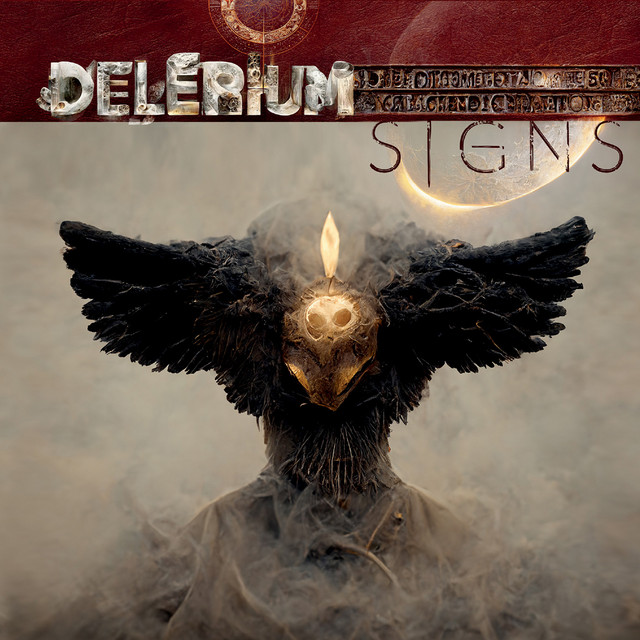
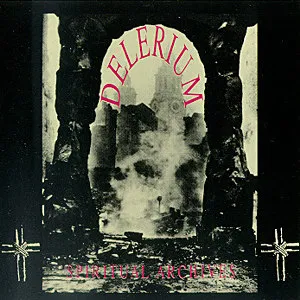
Spiritual Archives
Delerium
Ritual Ambient
Ambient
Electronic
1997
1
/5
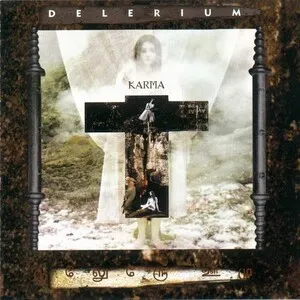
Karma
Delerium
Worldbeat
Downtempo
Electronic
1994
1
/5
Semantic Spaces
Delerium
Worldbeat
Ambient
Downtempo
Similar artists
1
/5
Various Artists
Afro-Funk
Alternative Rock
Ambient
4
/5
Armin van Buuren
Progressive Trance
Trance
Dutch House
3
/5
Solar Fields
Ambient
Ambient Trance
Downtempo
4
/5
Sidewalks and Skeletons
Witch House
Wave
Electronic
3
/5
Kelly Lee Owens
Spectra
Electronic
Pop
3
/5
Au5
Chillstep
Dubstep
Melodic Dubstep
4
/5
Robert Miles
Dream Trance
Trance
Ambient
4
/5
C418
Ambient
Electronic
Idm
4
/5
Enigma
Gregorian Dance
New Age
Electronic
4
/5
Boards of Canada
Downtempo
Electronic
Idm
Download our mobile app
Get the Melodigging app and start digging for new genres on the go
Download on the App Store
Get it on Google Play
© 2026 Melodigging
Give feedback
Legal
Melodding was created as a tribute to
Every Noise at Once
, which inspired us to help curious minds keep digging into music's ever-evolving genres.