Genres
Artists
Albums
Make Music
Sign in
Sign in
Artists
Sufi
Artists
Sufi
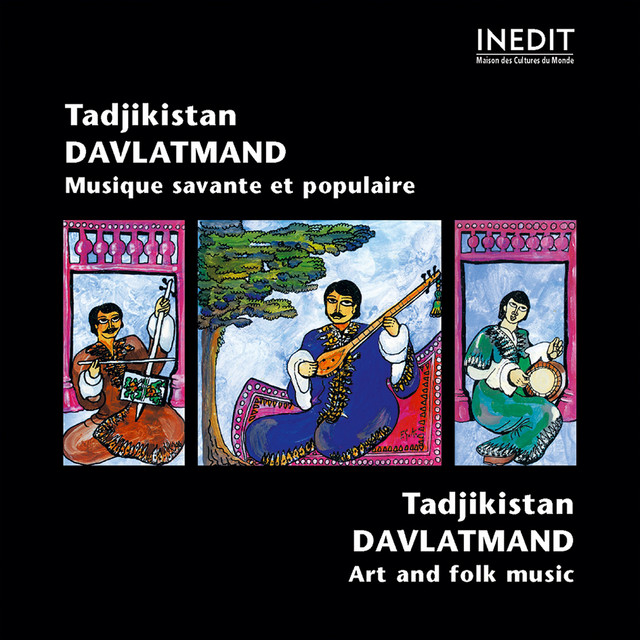
Davlatmand Kholov
2010
·
1 album
Listen
1
/5
Genres
Traditional Music
Traditional music is an umbrella term used in the mid–20th century by folklorists and ethnomusicologists to denote community-rooted, orally transmitted repertoires tied to social ritual, work, celebration, and storytelling. Unlike commercial pop or art-music traditions, traditional music is typically learned by ear, varies regionally, and evolves slowly through communal participation. It often features modal melodies, cyclic rhythms, heterophony or unison singing, and indigenous instruments whose timbres are integral to local identity. Lyrics tend to preserve language, history, and collective memory. While the musical practices themselves can be ancient, the phrase “traditional music” emerged to replace earlier, narrower or colonial framings like “folk” or “ethnic” music, foregrounding continuity, locality, and living practice rather than exoticism.
Discover
Listen
Tajik Music
Tajik music encompasses the traditional, classical, and popular music of the Tajik people in Tajikistan and the broader Central Asian region (notably Bukhara, Samarkand, and the Pamirs). It is rooted in Persianate culture and the maqam modal system, with Tajik language (a variety of Persian) and Pamiri languages shaping its poetic and vocal aesthetics. Its classical pillar is the urban suite tradition of Shashmaqam, while the emblematic mountain style Falak expresses laments and ecstatic praise through highly ornamented, often rubato singing. Pamiri music from Badakhshan adds distinctive modal colors, meters, and polyphonic textures. Across styles, typical instruments include the dutar and tanbur (long‑necked lutes), ghijak/kamancheh (spike fiddle), rubab, nay/ney, and the doira frame drum. Modern Tajik pop blends these timbres and rhythms with contemporary production, keeping the melodic contours and poetic sensibilities of the tradition.
Discover
Listen
Sufi
Sufi is a devotional musical tradition rooted in Islamic mysticism that seeks to induce remembrance of the Divine (dhikr) and transport performers and listeners toward spiritual ecstasy (wajd). It is not a single uniform style, but a family of practices that vary across regions—most notably Persian/Iranian, Anatolian/Turkish (Mevlevi), Arab, and South Asian (qawwali, kafi). Musically, Sufi repertoire tends to revolve around repetitive, mantra-like refrains, call-and-response between lead and chorus, and gradual intensification over cyclical rhythms. Melodic language draws from regional modal systems such as the Persian dastgāh, Ottoman/Turkish makam, and South Asian raga, and is often supported by drones. Texts are central: poetry by mystic masters like Rumi, Hafez, Bullhe Shah, and Amir Khusrau is sung in Persian, Urdu, Punjabi, Arabic, Turkish, and other languages. Instrumentation varies by locale—harmonium, tabla/dholak, tanpura, and clapping in South Asia; ney, kudüm, bendir, and tanbur in Turkey; oud and frame drums across the Arab world—yet the unifying aim is spiritual uplift and inner transformation.
Discover
Listen
Albums
2010
1
/5
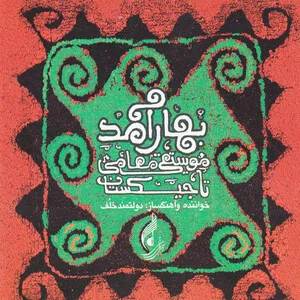
Bahar Amad - Regional Music of Tajikistan
Davlatmand Kholov Давлатманд Холов
Tajik Music
Similar artists
1
/5
Abdoussatar Abdoullaev
Sufi
Traditional Music
Tajik Music
3
/5
Alireza Ghorbani
Traditional Music
Sufi
Persian Classical
2
/5
Kiya Tabassian
Sufi
Traditional Music
Persian Classical
2
/5
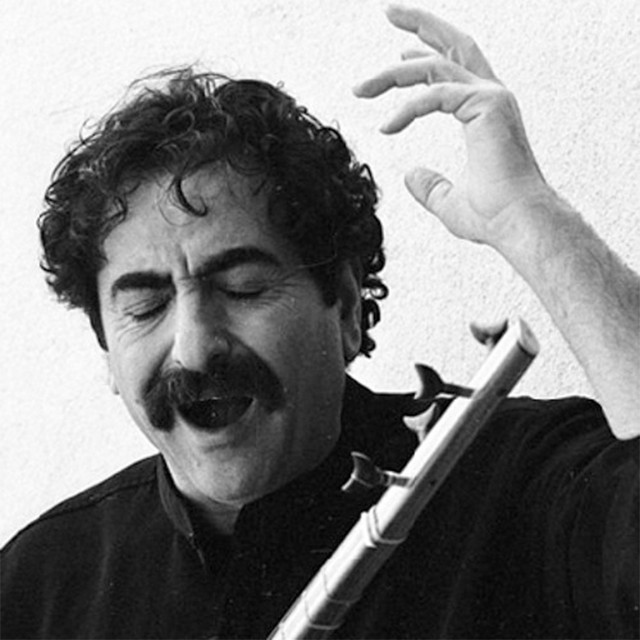
Shahram Nazeri
Sufi
Traditional Music
2
/5
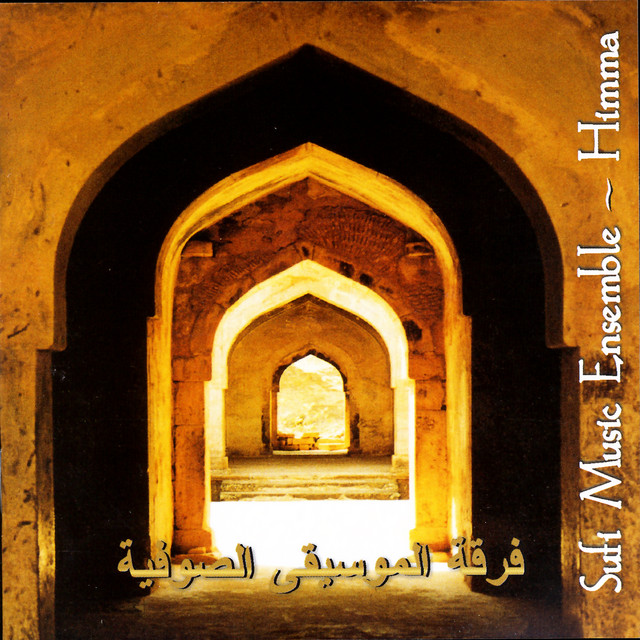
Sufi Music Ensemble
Sufi
Traditional Music
Turkish Mevlevi Music
2
/5
Hossein Alizadeh
Sufi
Traditional Folk
Traditional Music
2
/5
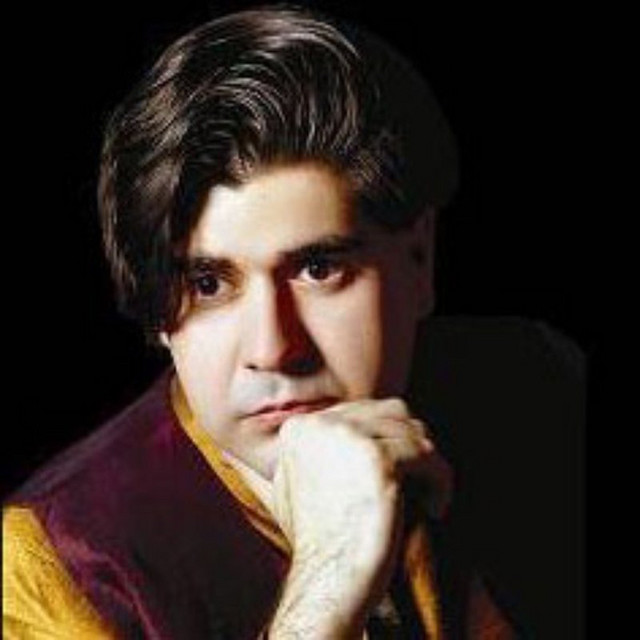
Salar Aghili
Persian Folk Music
Sufi
Traditional Music
2
/5
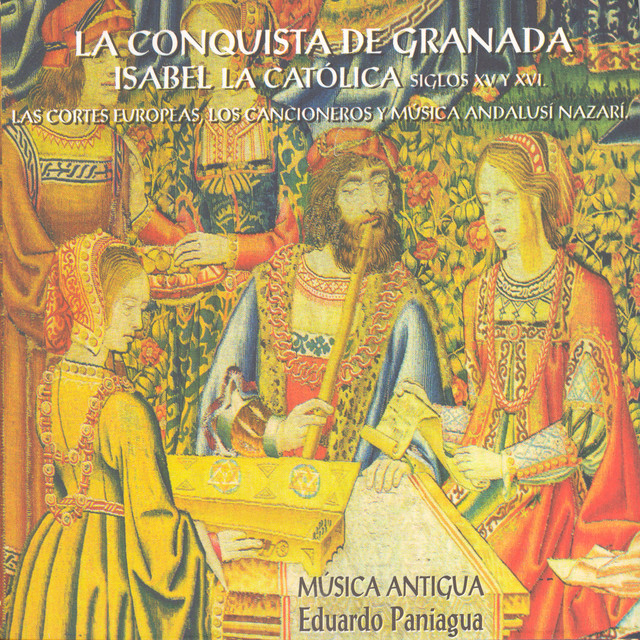
Eduardo Paniagua
Medieval
Medieval Lyric Poetry
Spanish Classical Music
2
/5
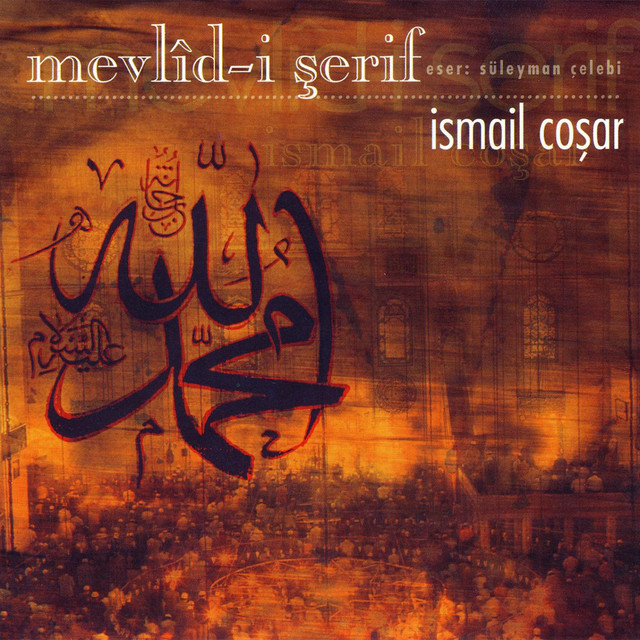
İsmail Coşar
Sufi
Traditional Music
2
/5
Naseer Shamma
Andalusian Classical
Arabic Classical Music
Maghrebi Music
Download our mobile app
Get the Melodigging app and start digging for new genres on the go
Download on the App Store
Get it on Google Play
© 2026 Melodigging
Give feedback
Legal
Melodding was created as a tribute to
Every Noise at Once
, which inspired us to help curious minds keep digging into music's ever-evolving genres.