Genres
Artists
Albums
Make Music
Sign in
Sign in
Artists
Classical
Artists
Classical
David Porcelijn
2013
·
1 album
Listen
2
/5
Genres
Post-Romantic Era
Post-Romantic era refers to late-19th- and early-20th-century classical music that extends the lush harmonies, expansive forms, and emotive rhetoric of High Romanticism while pushing tonality and orchestration to their limits. It is characterized by chromatic saturation, extended tonal relationships, large orchestras (often with auxiliary instruments such as celesta, harps, and organ), and grand, often programmatic designs (tone poems, multi-movement symphonies, and large-scale operas). Composers frequently adopt leitmotivic writing, extreme dynamic ranges, and deeply personal, sometimes metaphysical subject matter. Historically it overlaps with the early stirrings of musical Modernism: while remaining fundamentally tonal, it explores ambiguous tonal centers, altered/chromatic mediants, and advanced chordal extensions (9ths, 11ths, 13ths), thereby creating a bridge between Romantic idioms and the innovations of the 20th century.
Discover
Listen
Concerto
A concerto is a large-scale composition that sets one or more solo instruments in dynamic dialogue with an orchestra. Its core idea is contrast—between soloist and tutti—and the dramatic negotiation of power, color, and thematic responsibility. While Baroque concertos often relied on ritornello form, the Classical era standardized a three-movement plan (fast–slow–fast) with sonata principles in the opening movement. The Romantic period emphasized virtuosity and expressive foregrounding of the soloist, and the 20th–21st centuries broadened the palette with new instruments, harmonies, and formats. Across eras, the concerto remains a showcase for instrumental character, technical brilliance, and the art of orchestral conversation.
Discover
Listen
Orchestral
Orchestral music refers to compositions written for an orchestra—a large ensemble typically built around a string section (violins, violas, cellos, double basses), complemented by woodwinds, brass, percussion, and often harp, keyboard, or other auxiliary instruments. A conductor coordinates the ensemble, shaping balance, phrasing, and expression. The style emphasizes coloristic timbre combinations, dynamic range from the softest pianissimo to explosive tuttis, and textures that can shift seamlessly between transparent chamber-like writing and monumental masses of sound. Orchestral writing underpins concert genres such as symphonies, overtures, and tone poems, as well as opera, ballet, and modern film and game scores. While orchestral writing evolved across centuries, its core craft centers on melody, counterpoint, harmony, register, and orchestration—the art of assigning musical ideas to instruments to achieve clarity, contrast, and narrative impact.
Discover
Listen
Classical
Classical music is the notated art-music tradition of Europe and its global descendants, characterized by durable forms, carefully codified harmony and counterpoint, and a literate score-based practice. The term “classical” can refer broadly to the entire Western art-music lineage from the Medieval era to today, not just the Classical period (c. 1750s–1820s). It privileges long-form structures (such as symphonies, sonatas, concertos, masses, and operas), functional or modal harmony, thematic development, and timbral nuance across ensembles ranging from solo instruments to full orchestras and choirs. Across centuries, the style evolved from chant and modal polyphony to tonal harmony, and later to post-tonal idioms, while maintaining a shared emphasis on written notation, performance practice, and craft.
Discover
Listen
Albums
2013
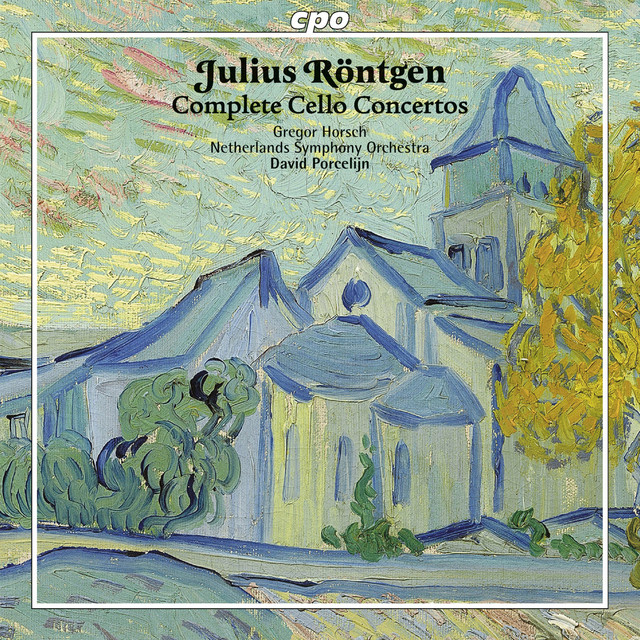
Rontgen: Cello Concertos (Complete)
Julius Röntgen, Gregor Horsch, Netherlands Symphony Orchestra, David Porcelijn
Post-Romantic Era
Similar artists
4
/5
London Symphony Orchestra
Classical
Ballet
American Classical Piano
4
/5
Berliner Philharmoniker
Classical
Symphony
Romantic Classical
4
/5
Herbert von Karajan
Classical
Symphonic Poem
Symphony
3
/5
Chicago Symphony Orchestra
Classical
Concerto
Expressionism
3
/5
Deutsches Symphonie-Orchester Berlin
Classical
Opera
Concerto
3
/5
Frankfurt Radio Symphony Orchestra
Classical
Concerto
Orchestral
2
/5
Netherlands Symphony Orchestra
Classical
Concerto
Orchestral
4
/5
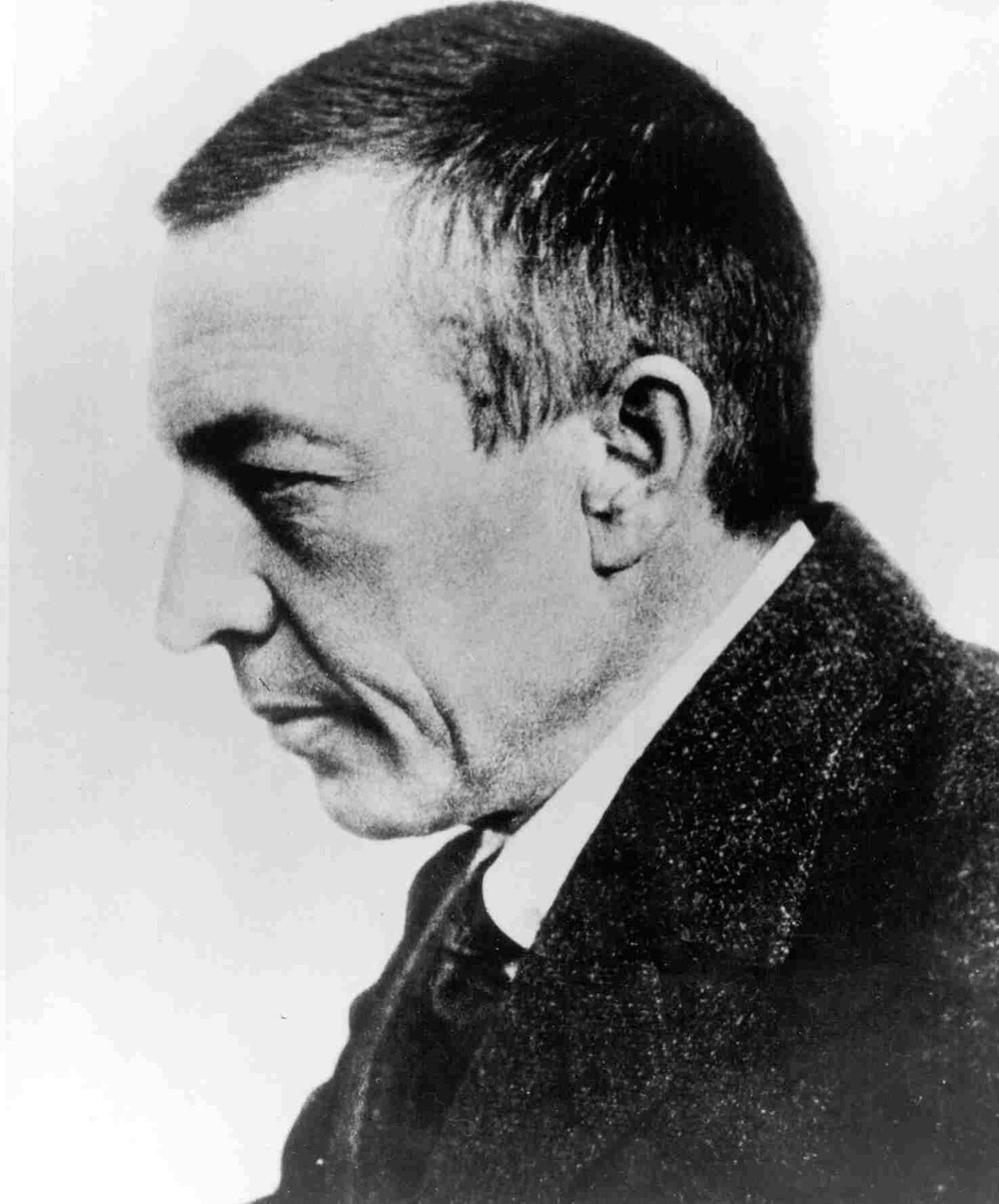
Sergei Rachmaninoff
Classical
Moscow School
Concerto
4
/5
Johann Sebastian Bach
Baroque
Classical
Baroque Suite
4
/5
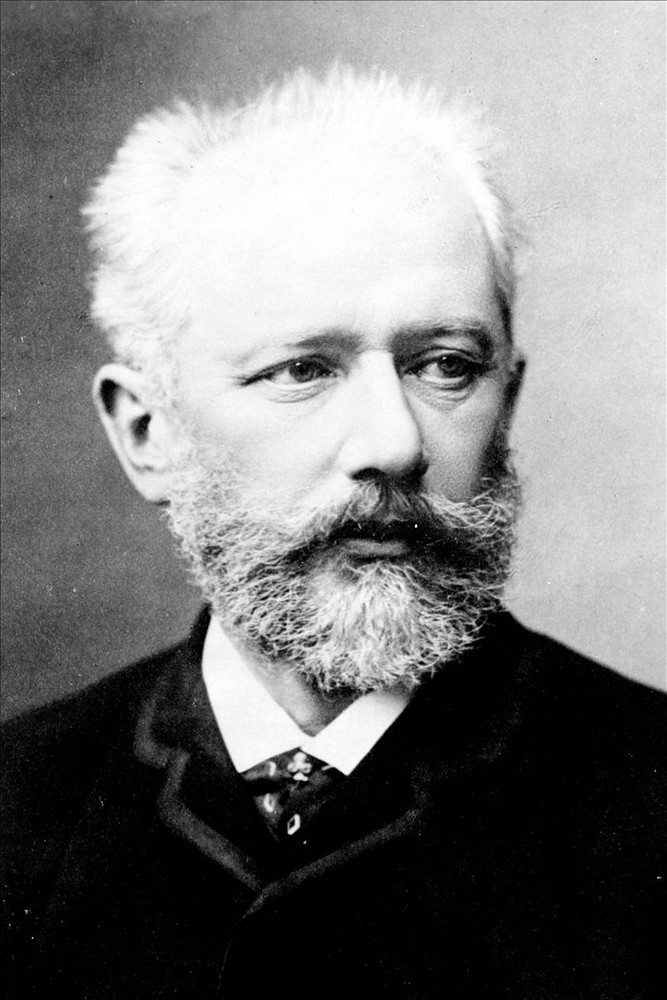
Pyotr Ilyich Tchaikovsky
Classical
Moscow School
Ballet
Download our mobile app
Get the Melodigging app and start digging for new genres on the go
Download on the App Store
Get it on Google Play
© 2026 Melodigging
Give feedback
Legal
Melodding was created as a tribute to
Every Noise at Once
, which inspired us to help curious minds keep digging into music's ever-evolving genres.