Genres
Artists
Albums
Make Music
Sign in
Sign in
Artists
Classical
Artists
Classical
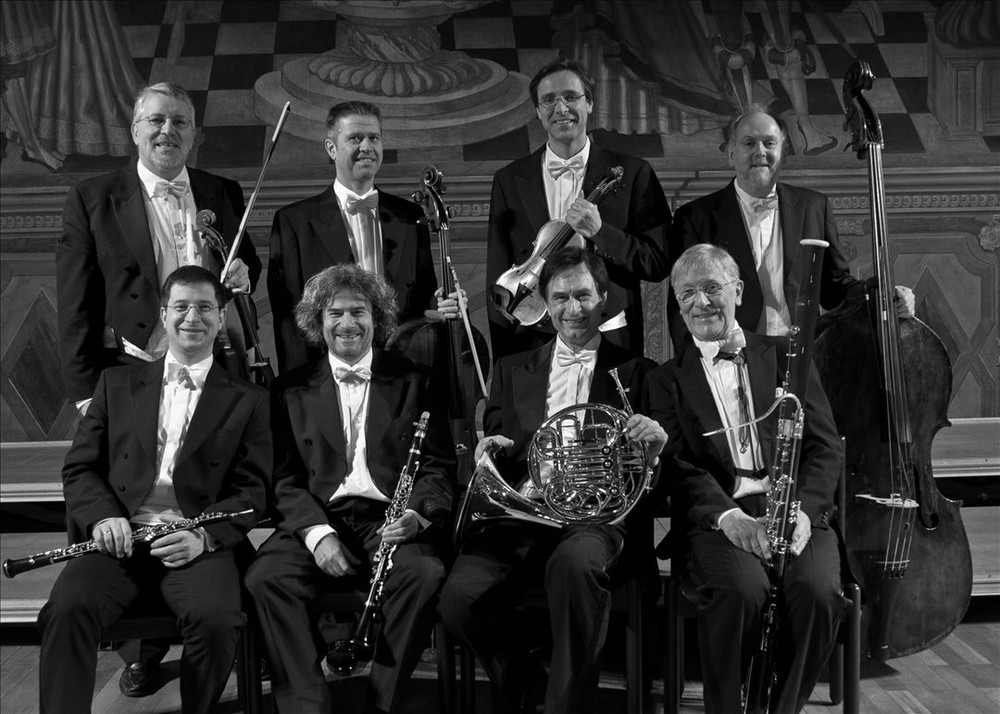
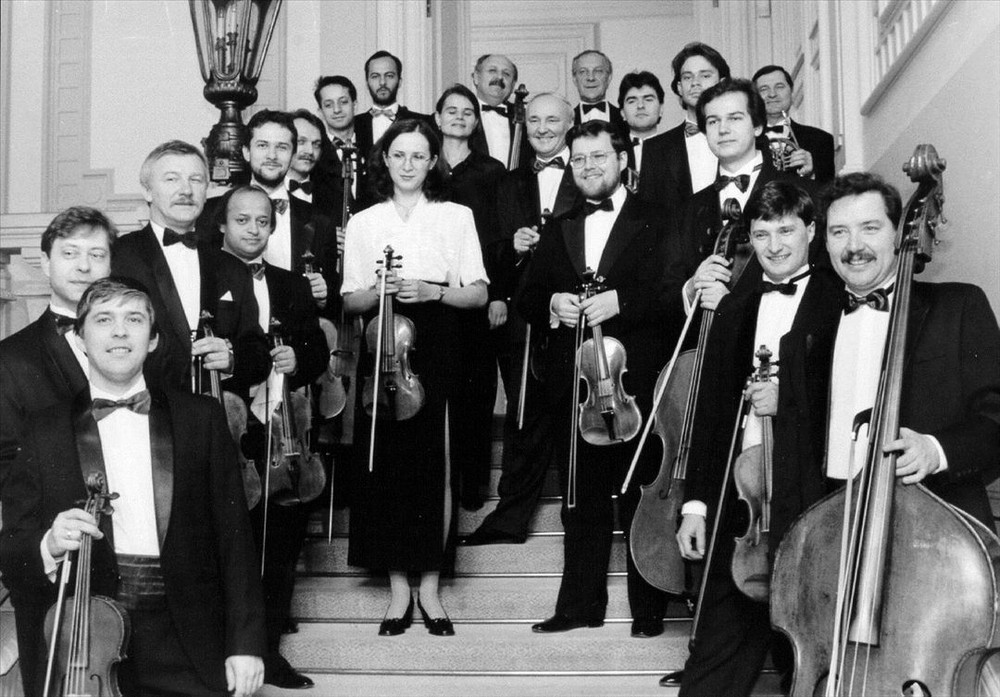
Consortium Classicum
1980–2004
·
2 albums
Listen
2
/5
Genres
Sinfonia Concertante
Sinfonia concertante is a Classical-era hybrid that blends the symphony’s multi-movement, orchestral scale with the concerto’s virtuosic spotlighting of soloists—typically two to four players. It favors elegant, balanced phrasing, clear textures, and lively dialogue between multiple solo instruments and the orchestra, often in a fast–slow–fast three-movement plan. Popularized in Paris and associated with the galant style, it became a showcase for wind instruments as well as string pairings (famously violin and viola).
Discover
Listen
Divertissement
Divertissement is a French Baroque theatrical-music genre denoting a self-contained sequence of light, spectacular numbers—dances, choruses, instrumental interludes, and short vocal airs—inserted within larger stage works. It emerged at the court of Louis XIV and was codified in French tragédie en musique and comédie-ballet, where it often furnished the act endings or festive scenes, emphasizing spectacle, dance rhythms, and clear, elegant vocal writing. Stylistically, divertissements draw on court dance types (minuet, gavotte, bourrée, chaconne, passacaille), five-part French string writing, woodwinds (oboes, bassoons), and continuo, with characteristic French agréments (ornaments) and notes inégales. The mood is celebratory, pastoral, or allegorical rather than dramatically conflicted.
Discover
Listen
Chamber Music
Chamber music is a tradition of composed music for small ensembles—typically one player per part—intended for intimate spaces such as courts, salons, and private rooms rather than large public halls. Its aesthetic emphasizes clarity of texture, conversational interplay among parts, and balance without a conductor. Hallmark formations include the string quartet, piano trio, wind quintet, string quintet, and various mixed ensembles. Multi‑movement cycles (often in sonata form) and finely wrought counterpoint are common, ranging from Baroque trio sonatas to Classical string quartets and modern works with expanded timbres and techniques. Because of its scale and transparency, chamber music has long been a proving ground for compositional craft and ensemble musicianship, shaping the core of Western art music from the Baroque through the present.
Discover
Listen
Orchestral
Orchestral music refers to compositions written for an orchestra—a large ensemble typically built around a string section (violins, violas, cellos, double basses), complemented by woodwinds, brass, percussion, and often harp, keyboard, or other auxiliary instruments. A conductor coordinates the ensemble, shaping balance, phrasing, and expression. The style emphasizes coloristic timbre combinations, dynamic range from the softest pianissimo to explosive tuttis, and textures that can shift seamlessly between transparent chamber-like writing and monumental masses of sound. Orchestral writing underpins concert genres such as symphonies, overtures, and tone poems, as well as opera, ballet, and modern film and game scores. While orchestral writing evolved across centuries, its core craft centers on melody, counterpoint, harmony, register, and orchestration—the art of assigning musical ideas to instruments to achieve clarity, contrast, and narrative impact.
Discover
Listen
Classical
Classical music is the notated art-music tradition of Europe and its global descendants, characterized by durable forms, carefully codified harmony and counterpoint, and a literate score-based practice. The term “classical” can refer broadly to the entire Western art-music lineage from the Medieval era to today, not just the Classical period (c. 1750s–1820s). It privileges long-form structures (such as symphonies, sonatas, concertos, masses, and operas), functional or modal harmony, thematic development, and timbral nuance across ensembles ranging from solo instruments to full orchestras and choirs. Across centuries, the style evolved from chant and modal polyphony to tonal harmony, and later to post-tonal idioms, while maintaining a shared emphasis on written notation, performance practice, and craft.
Discover
Listen
Albums
2004
1
/5
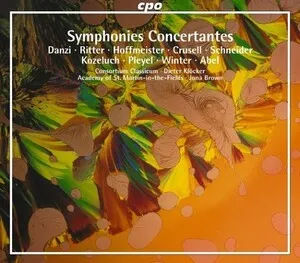
Symphonies concertantes
Bernhard Crusell
Sinfonia Concertante
Classical
1980
1
/5
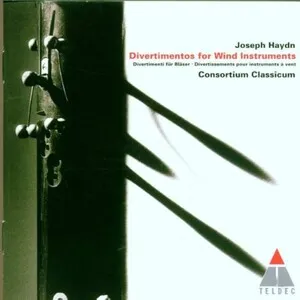
Divertimentos for Wind Instruments
Joseph Haydn / Consortium Classicum
Divertissement
Similar artists
4
/5
Wolfgang Amadeus Mozart
Classical
Requiem
Classical Period
4
/5
Academy of St. Martin in the Fields
Classical
Classical Performance
Baroque
3
/5
Capella Istropolitana
Classical
Chamber Music
Divertissement
3
/5
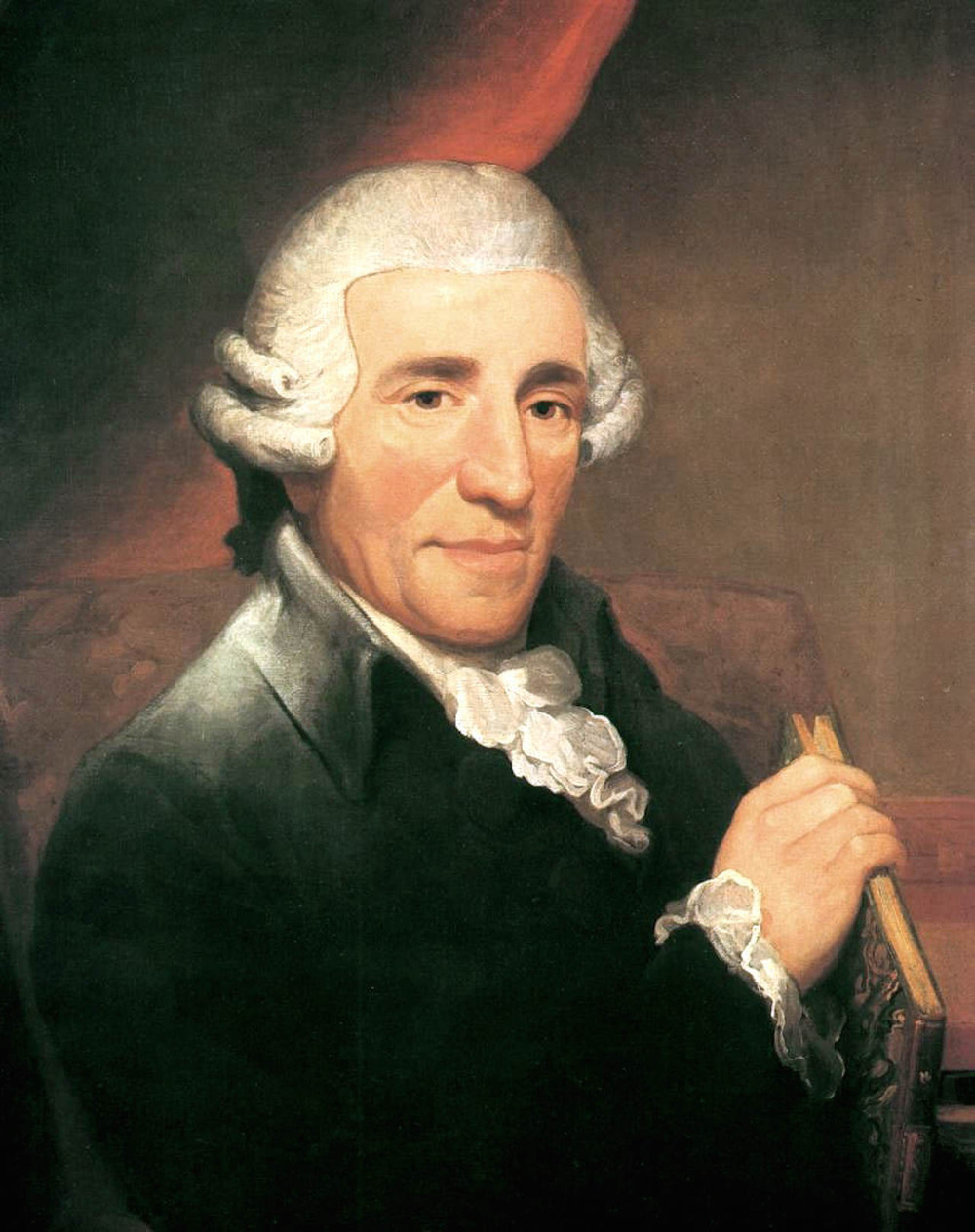
Joseph Haydn
Classical
Opera Semiseria
Oratorio
3
/5
Iona Brown
Classical
Chamber Music
Sinfonia Concertante
4
/5
Johann Sebastian Bach
Baroque
Classical
Baroque Suite
4
/5
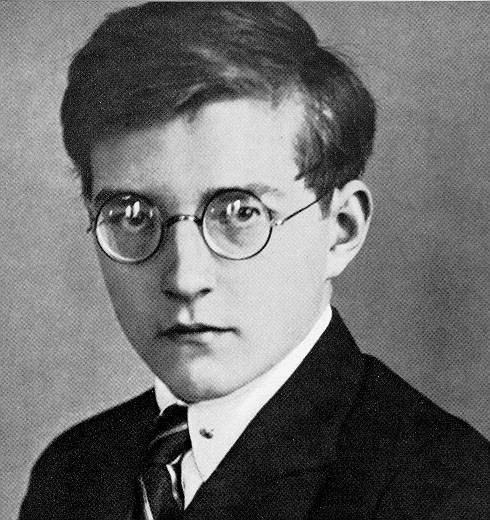
Dmitri Shostakovich
Classical
Chamber Music
Fugue
4
/5
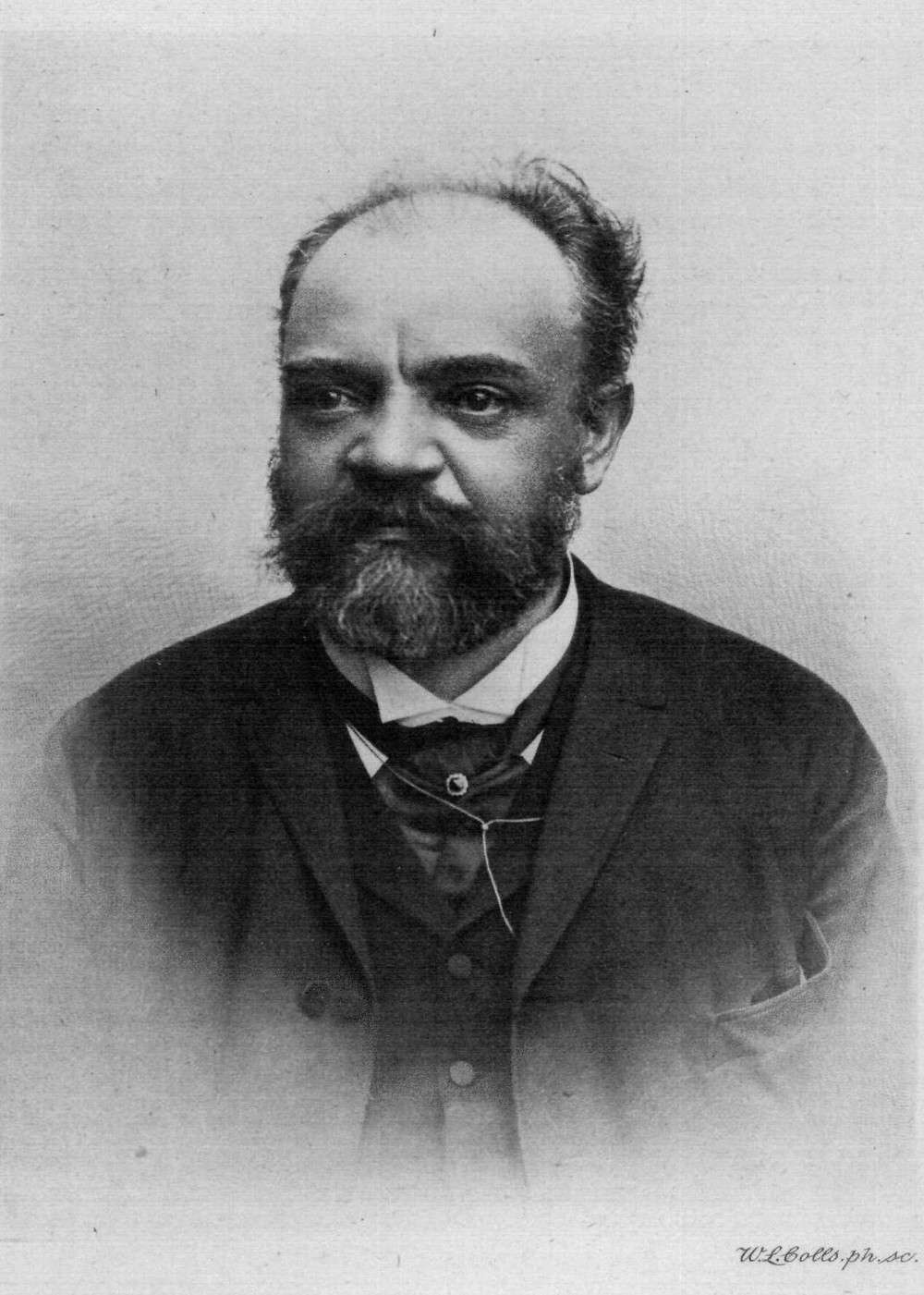
Antonín Dvořák
Classical
Symphony
Romantic Classical
3
/5
Ton Koopman
Classical
Chamber Music
Divertissement
3
/5
Amsterdam Baroque Orchestra
Classical
Chamber Music
Divertissement
Download our mobile app
Get the Melodigging app and start digging for new genres on the go
Download on the App Store
Get it on Google Play
© 2026 Melodigging
Give feedback
Legal
Melodding was created as a tribute to
Every Noise at Once
, which inspired us to help curious minds keep digging into music's ever-evolving genres.