Genres
Artists
Albums
Make Music
Sign in
Sign in
Artists
Baroque
Artists
Baroque
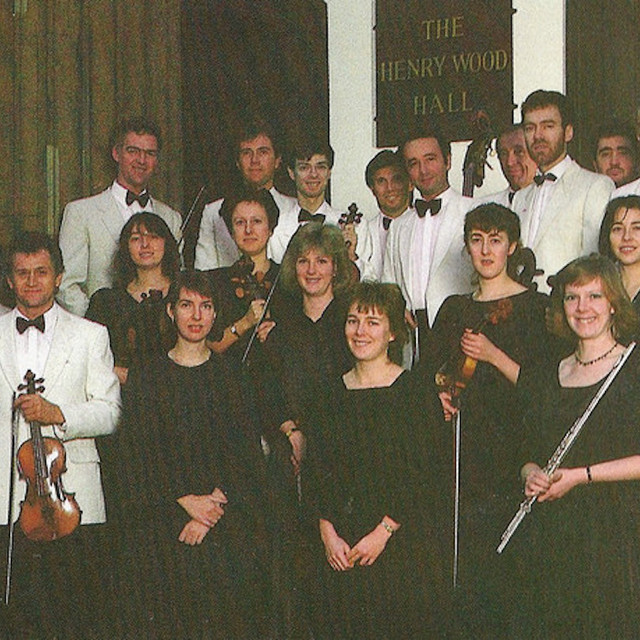
Consort of London
2011
·
1 album
Listen
2
/5
Genres
Baroque
Baroque is a period and style of Western art music spanning roughly 1600–1750. It is characterized by the birth of functional tonality, the widespread use of basso continuo (figured bass), and a love of contrast—between soloist and ensemble, loud and soft, and different timbres. Hallmark genres and forms of the era include opera, cantata, oratorio, concerto (especially the concerto grosso), dance suite, sonata, and fugue. Textures range from expressive monody to intricate counterpoint, and melodies are richly ornamented with trills, mordents, and appoggiaturas. Baroque music flourished in churches, courts, and theaters across Europe, with regional styles (Italian, French, German, English) shaping distinctive approaches to rhythm, dance, harmony, and ornamentation.
Discover
Listen
Latin American Baroque
Latin American Baroque is the repertoire of sacred and festive art music written and performed in the cathedrals, missions, and courts of colonial Spanish and Portuguese America during the Baroque era. It blends European contrapuntal craft, basso continuo, and ceremonial grandeur with local languages, dance rhythms, and timbral practices. Typical forms include masses, motets, litanies, and villancicos (often for Christmas and major feasts), set in Latin as well as Spanish and sometimes indigenous languages such as Nahuatl, Quechua, or Guaraní. Instrumentation combines European forces—violins, cornetts, sackbuts, bajón (dulcian), harp, organ, and guitars—with local percussion and distinctive rhythmic cells (notably the sesquiáltera 3:2). The result is music that can be both solemn and architectonic for liturgy, and exuberant and dance-inflected for feast-day devotions.
Discover
Listen
Classical
Classical music is the notated art-music tradition of Europe and its global descendants, characterized by durable forms, carefully codified harmony and counterpoint, and a literate score-based practice. The term “classical” can refer broadly to the entire Western art-music lineage from the Medieval era to today, not just the Classical period (c. 1750s–1820s). It privileges long-form structures (such as symphonies, sonatas, concertos, masses, and operas), functional or modal harmony, thematic development, and timbral nuance across ensembles ranging from solo instruments to full orchestras and choirs. Across centuries, the style evolved from chant and modal polyphony to tonal harmony, and later to post-tonal idioms, while maintaining a shared emphasis on written notation, performance practice, and craft.
Discover
Listen
Albums
2011
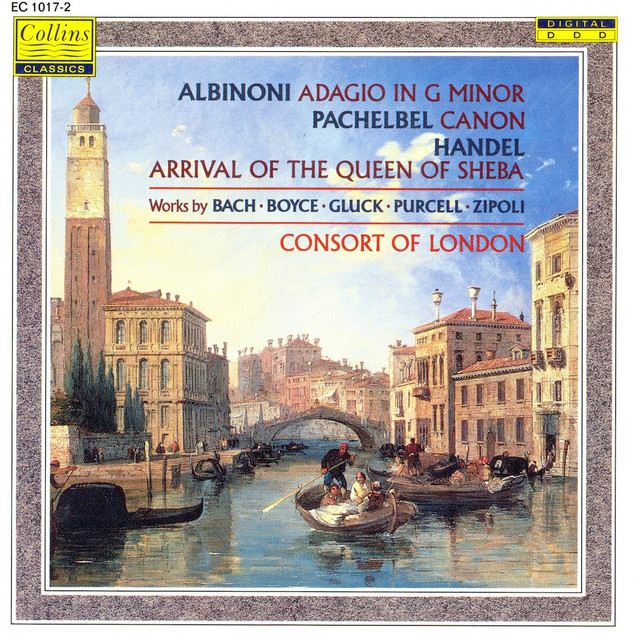
Baroque Orchestral Music
Robert Haydon Clark, Consort of London
Latin American Baroque
Similar artists
3
/5
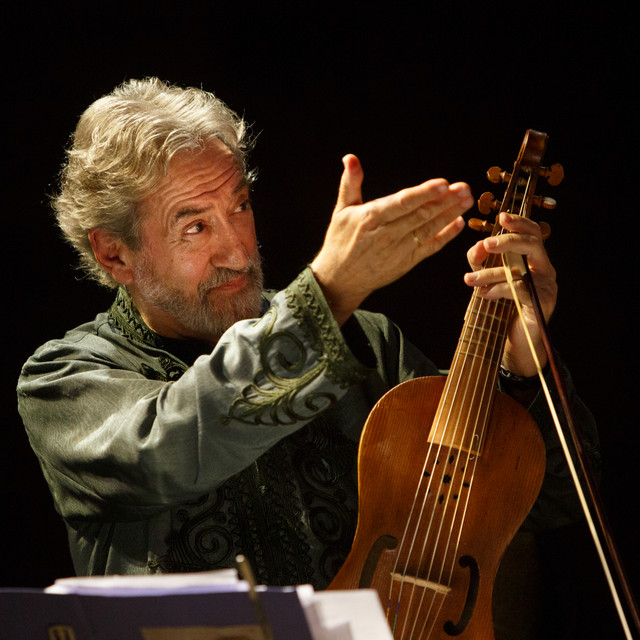
Jordi Savall
Renaissance
Baroque
Classical
2
/5
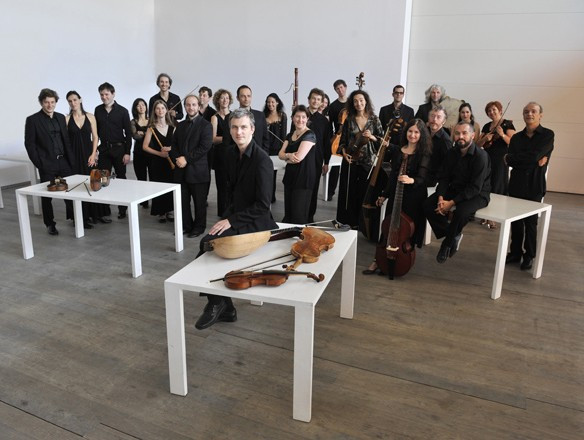
Le Poème Harmonique
Renaissance
Classical
Baroque
2
/5
Chœur De Chambre De Namur
Opera
Classical
Tragédie En Musique
2
/5
Andrew Lawrence-King
Baroque
Celtic
Early Music
4
/5
Johann Sebastian Bach
Baroque
Classical
Baroque Suite
4
/5
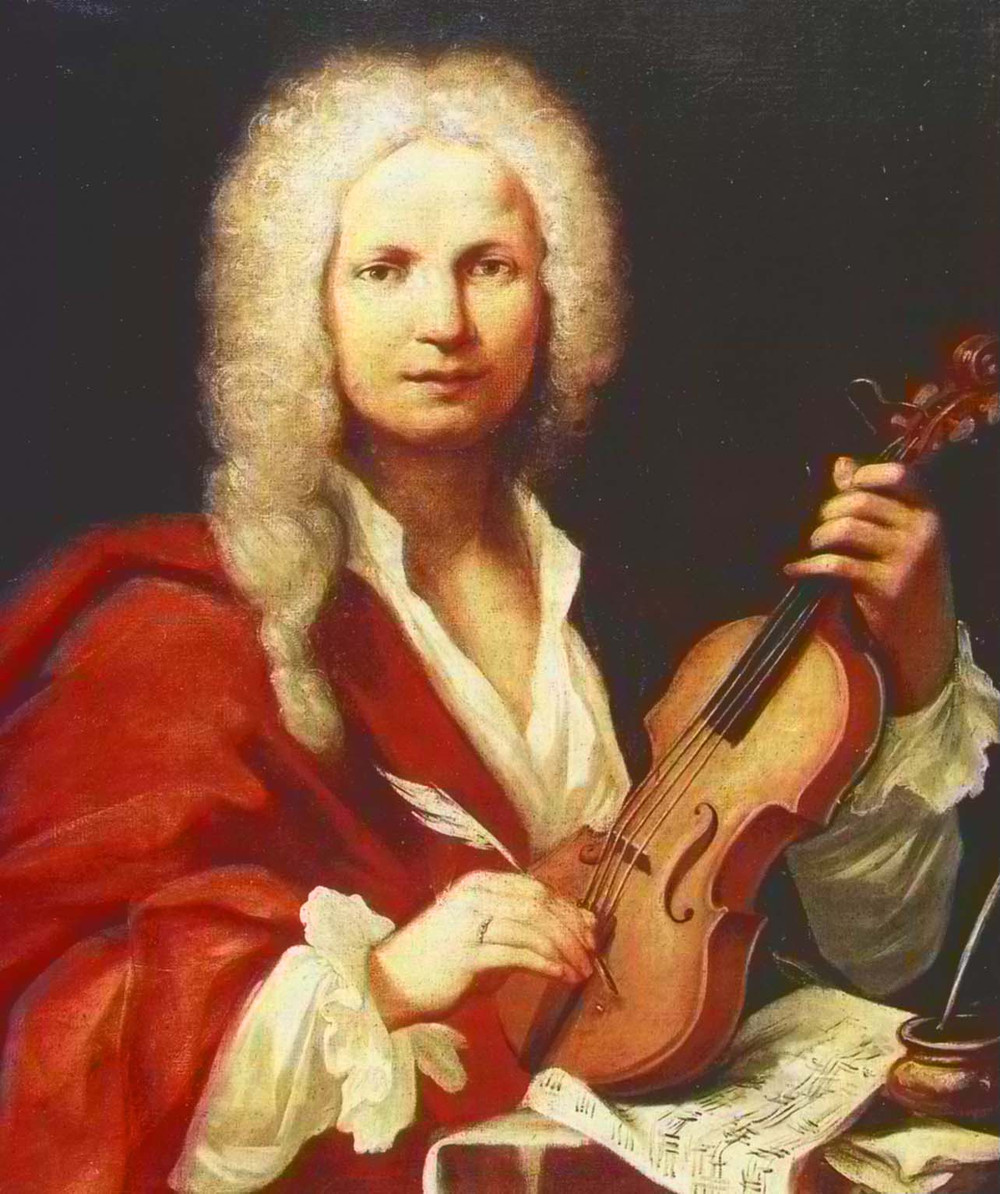
Antonio Vivaldi
Baroque
Classical
Opera Seria
4
/5
Academy of St. Martin in the Fields
Baroque
Classical
Classical Performance
4
/5
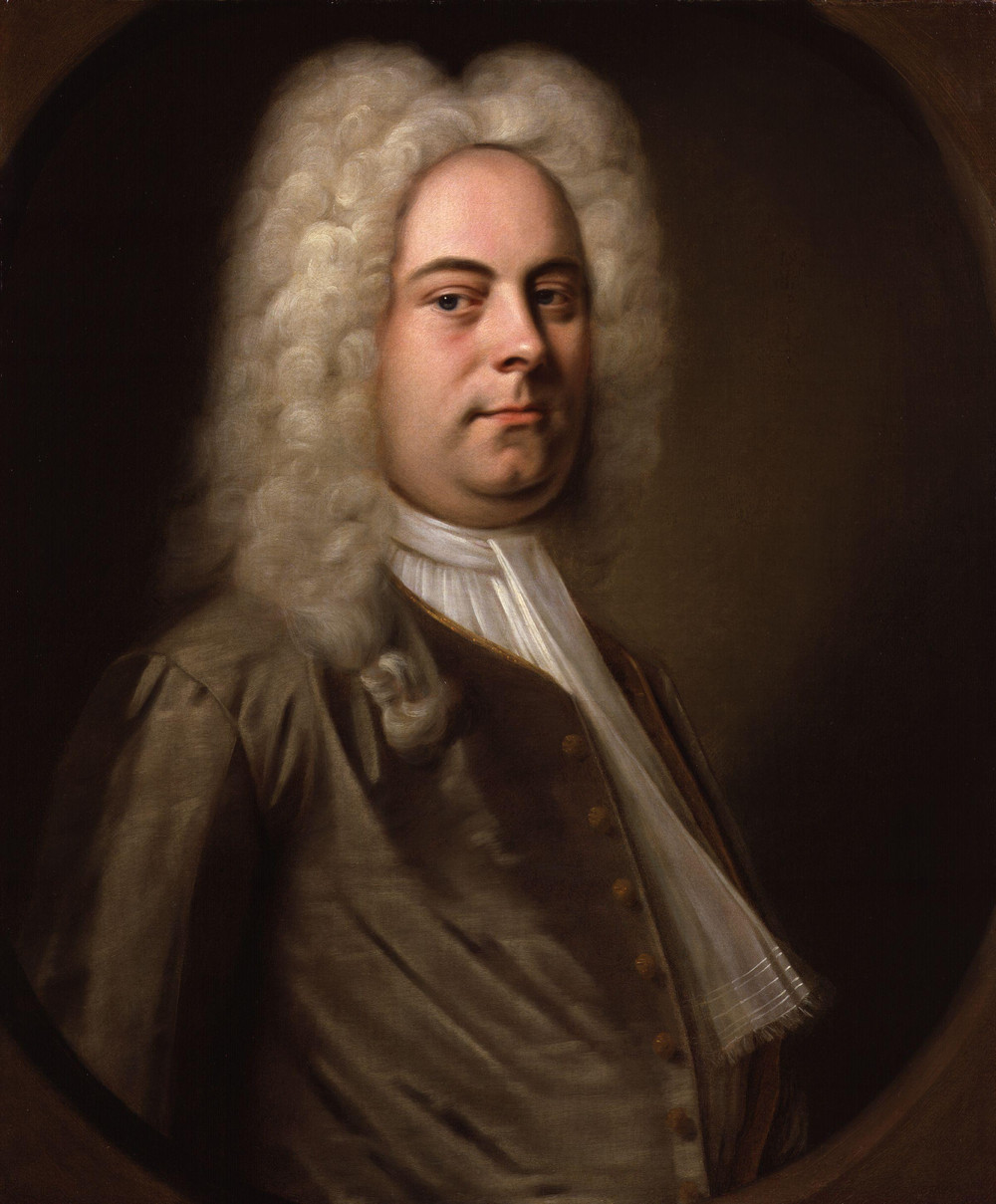
George Frideric Handel
Classical
Opera Seria
Classical Countertenor
4
/5
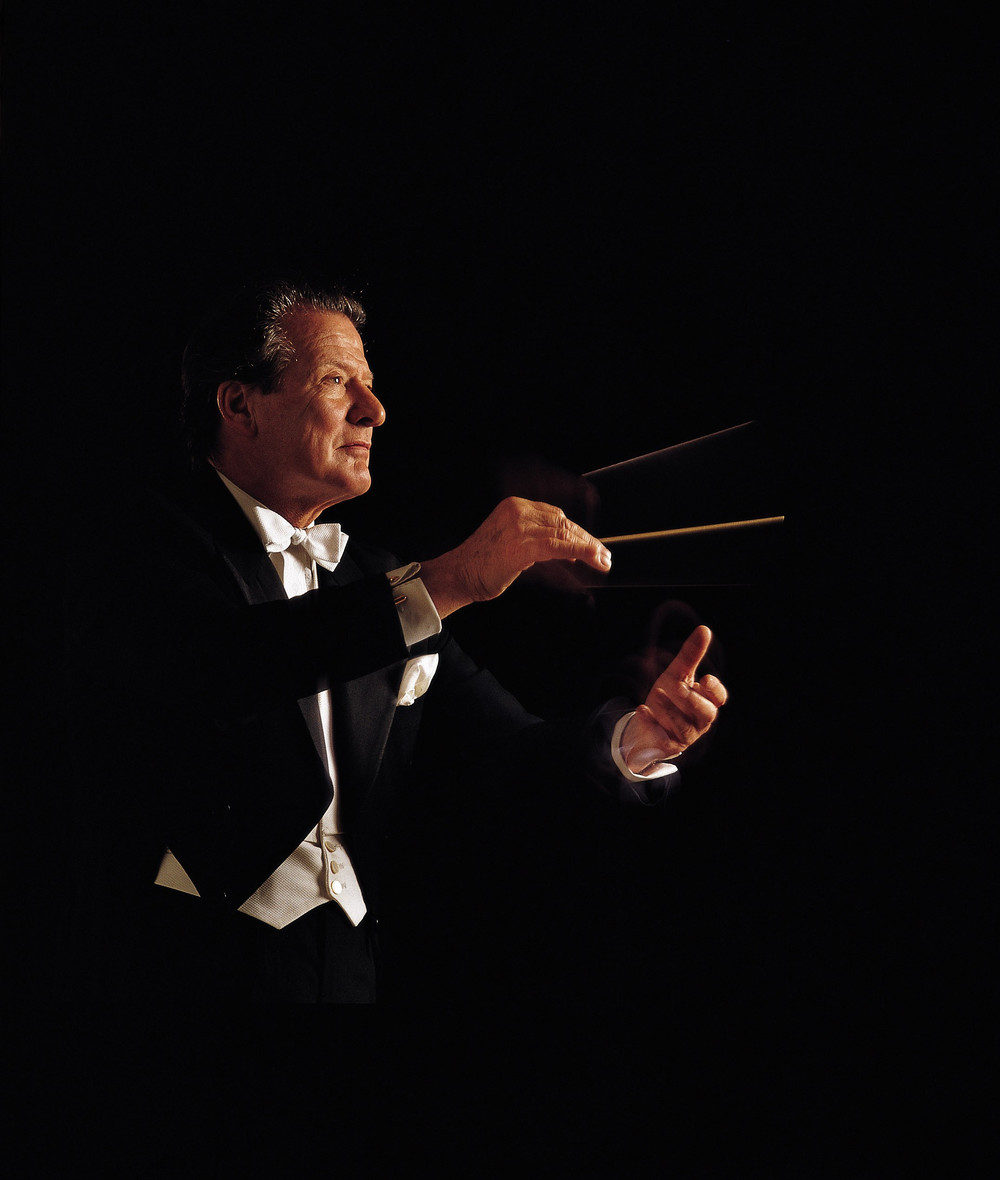
Sir Neville Marriner
Baroque
Classical
Concerto
4
/5
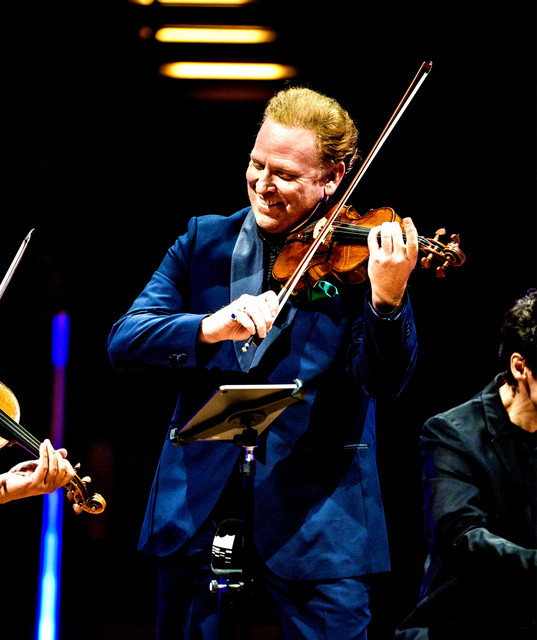
Daniel Hope
Classical
Concerto
Baroque
Download our mobile app
Get the Melodigging app and start digging for new genres on the go
Download on the App Store
Get it on Google Play
© 2026 Melodigging
Give feedback
Legal
Melodding was created as a tribute to
Every Noise at Once
, which inspired us to help curious minds keep digging into music's ever-evolving genres.