Genres
Artists
Albums
Make Music
Sign in
Sign in
Artists
Funk Melody
Artists
Funk Melody
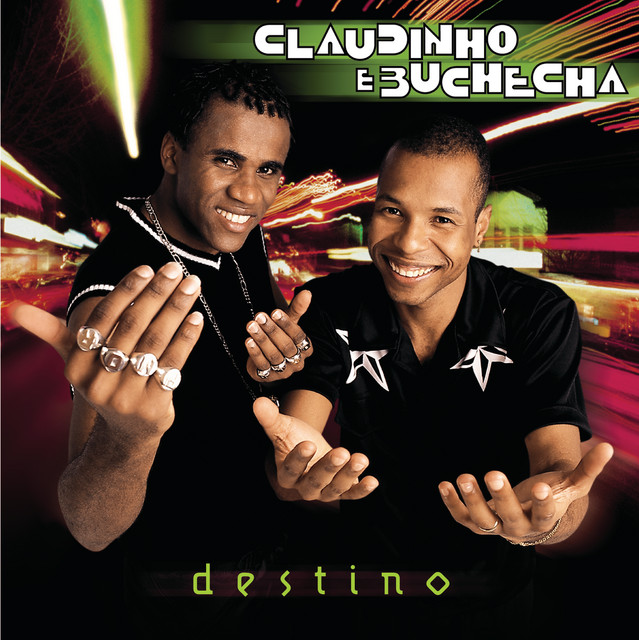
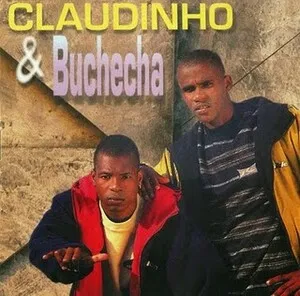
Claudinho & Buchecha
1996–2005
·
7 albums
Listen
3
/5
Genres
Talentos Brasileiros
Talentos brasileiros refers to the ecosystem of Brazilian television and digital talent shows that spotlight versatile vocalists and bands performing highly polished covers and showcase pieces. The sound blends global pop and R&B stagecraft with distinctly Brazilian repertoires such as MPB (Música Popular Brasileira), sertanejo, samba-pop, and contemporary gospel. Arrangements typically feature key changes, dramatic builds, and concise, TV-ready forms—often medleys—that foreground emotive lead vocals, tight backing bands, and cinematic production. While contestants reinterpret international hits, they frequently localize phrasing and groove, bring Portuguese-language lyricism to the fore, and insert regional color into harmony and rhythm. The result is a performance-forward style: technically demanding vocals, crowd-pleasing climaxes, and refined orchestration that translate well to broadcast, arenas, and streaming. Alumni often transition into Brazil’s mainstream pop, sertanejo, and gospel markets, turning short-form TV moments into sustainable recording careers.
Discover
Listen
Trap Carioca
Trap carioca is a Rio de Janeiro–rooted branch of Brazilian trap that fuses the half‑time 808 power of U.S. trap with the swing, percussion accents, and party ethos of funk carioca. Built on booming 808 sub‑bass, triplet hi‑hats, and minor‑key loops, it often layers or references the tamborzão and other baile funk drum idioms, local slang, and narratives of favela life, hustle, style, and romance. The result is a gritty yet polished sound that can slide between cold, nocturnal menace and swaggering dance energy, reflecting Rio’s street reality and club culture.
Discover
Listen
Funk Melody
Funk melody is a light, romantic, and tuneful branch of Brazilian funk that emerged in Rio de Janeiro in the 1990s. It blends the percussive drive and party ethos of funk carioca with the synth lines, chord progressions, and sung hooks characteristic of Latin freestyle and 1980s electro-pop. Compared with the rawer baile sound, funk melody favors smoother vocals, diatonic chord changes, and memorable choruses over aggressive MC call‑outs. The result is a dancefloor‑ready yet radio‑friendly style whose lyrics often center on love, flirting, nostalgia, and everyday romance.
Discover
Listen
Funk Das Antigas
Funk das antigas is the nostalgic, “old‑school” wave of Brazilian funk (funk carioca) that crystallized in Rio de Janeiro’s bailes during the 1990s and early 2000s. Shaped by Miami bass and electro‑funk, it pairs booming 808s and syncopated drum patterns with melodic, catchy hooks sung or chanted in Portuguese. Lyrical themes often swing between romance and desire (in the "funk melody" vein), everyday favela life, community pride, and party energy, all delivered with call‑and‑response refrains built for the dance floor. Its sound is raw yet tuneful: sub‑heavy kicks, tom rolls, claps, cowbells, and the iconic tamborzão groove underpin simple, memorable chord movements. The result is music that’s both unabashedly dancing and warmly nostalgic for a formative era of Brazilian urban pop culture.
Discover
Listen
Funk Carioca
Funk carioca, also known as baile funk, is a high-energy dance music born in the favelas of Rio de Janeiro. It blends the booming 808 sub-bass and drum-machine punch of Miami bass and electro with Brazilian street party culture, Portuguese slang, and call-and-response vocals. At its core is the tamborzão rhythm, a syncopated, percussive groove that drives simple, looping beats and chant-like hooks. Lyrics range from playful and explicitly sexual (putaria) to socially conscious narratives and favela pride, and performances are designed for massive neighborhood bailes (street parties). Over time the style has branched into many variants—from melodic radio-friendly hits to darker proibidão—and has influenced global club music while remaining a defining sound of contemporary urban Brazil.
Discover
Listen
Pop Rap
Pop rap blends the rhythmic vocal delivery and beat-centric production of hip hop with the catchy hooks, polished structures, and radio-friendly sensibilities of pop music. It typically features melodic choruses (often sung), accessible themes, and mid-tempo grooves designed for mass appeal. Production prioritizes clean, bright sonics, simple harmonic progressions, and memorable top-line melodies, while verses keep to clear, punchy flows that are easy for broad audiences to follow. Because it sits between two commercial powerhouses—pop and hip hop—pop rap has frequently served as a gateway for mainstream listeners to explore rap, while giving hip hop artists a framework to cross over to pop charts.
Discover
Listen
Hip Hop
Hip hop is a cultural and musical movement that emerged from Black, Latino, and Caribbean communities, centering around rapping (MCing), DJing/turntablism, sampling-based production, and rhythmic speech over beats. It prioritizes groove, wordplay, and storytelling, often reflecting the social realities of urban life. Musically, hip hop is built on drum-centric rhythms (from breakbeats to 808 patterns), looped samples, and bass-forward mixes. Lyrically, it ranges from party anthems and braggadocio to political commentary and intricate poetic forms, with flow, cadence, and rhyme density as core expressive tools. Beyond music, hip hop encompasses a broader culture, historically intertwined with graffiti, b-boying/b-girling (breakdance), fashion, and street entrepreneurship, making it both an art form and a global social language.
Discover
Listen
Brazilian Pop
Brazilian pop is the mainstream-oriented spectrum of popular music made in Brazil, merging local rhythmic DNA (samba, bossa nova, MPB, axé, forró, sertanejo) with international pop, rock, R&B, and electronic production. Across eras, it has balanced melodic immediacy and radio-friendly structures with the harmonic richness and syncopation characteristic of Brazilian traditions. In the 2010s–2020s, Brazilian pop increasingly incorporates baile funk grooves, trap/R&B textures, and polished EDM elements, while retaining Portuguese lyrics, regional slang, and themes tied to Brazilian daily life, romance, and celebration.
Discover
Listen
Mpb
MPB (Música Popular Brasileira) is a broad Brazilian popular music movement that crystallized in the mid-1960s after bossa nova. It blends samba and other regional rhythms with jazz harmony, singer‑songwriter craft, and elements of contemporary pop and rock. The style is marked by sophisticated melodies, extended harmonies, inventive arrangements, and lyrically rich songs that often use poetry and metaphor. Many classic MPB works balance intimacy (voice and violão/nylon‑string guitar) with lush studio orchestration, drawing from samba‑canção, choro, baião, and frevo while engaging modern influences. Historically, MPB provided a platform for social commentary during Brazil’s military dictatorship, with artists employing allegory to navigate censorship. It remains a living tradition that continually renews itself through new generations (“nova MPB”).
Discover
Listen
Funk
Funk is a rhythm-forward African American popular music style that centers on groove, syncopation, and interlocking parts. Rather than emphasizing complex chord progressions, funk builds tight, repetitive vamps that highlight the rhythm section and create an irresistible dance feel. The genre is marked by syncopated drum patterns, melodic yet percussive bass lines, choppy guitar "chanks," punchy horn stabs, call‑and‑response vocals, and a strong backbeat. Funk’s stripped-down harmony, prominent use of the one (accenting the downbeat), and polyrhythmic layering draw deeply from soul, rhythm and blues, jazz, gospel, and African rhythmic traditions. From James Brown’s late-1960s innovations through the expansive P-Funk universe and the slicker sounds of the 1970s and 1980s, funk has continually evolved while seeding countless other genres, from disco and hip hop to house and modern R&B.
Discover
Listen
Pop
Pop is a broad, hook-driven style of popular music designed for wide appeal. It emphasizes memorable melodies, concise song structures, polished vocals, and production intended for radio, charts, and mass media. While pop continually absorbs elements from other styles, its core remains singable choruses, accessible harmonies, and rhythmic clarity. Typical forms include verse–pre-chorus–chorus, frequent use of bridges and middle-eights, and ear-catching intros and outros. Pop is not defined by a single instrumentation. It flexibly incorporates acoustic and electric instruments, drum machines, synthesizers, and increasingly digital production techniques, always in service of the song and the hook.
Discover
Listen
Show all 11 genres
Albums
2005
3
/5
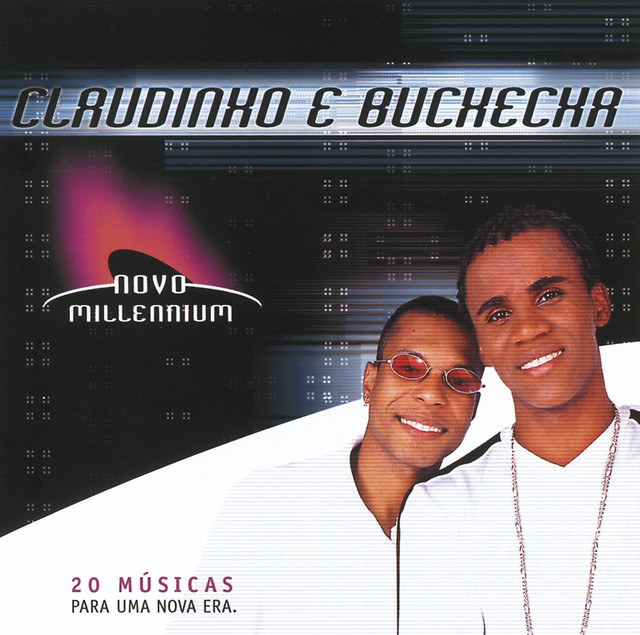
Novo Millennium
Claudinho & Buchecha
Funk Das Antigas
Hip Hop
Pop
2002
3
/5
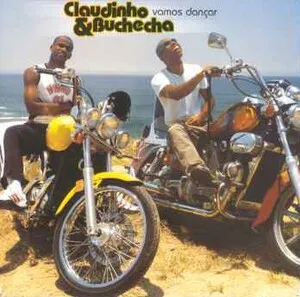
Vamos dançar
Claudinho & Buchecha
Funk Melody
1999
3
/5
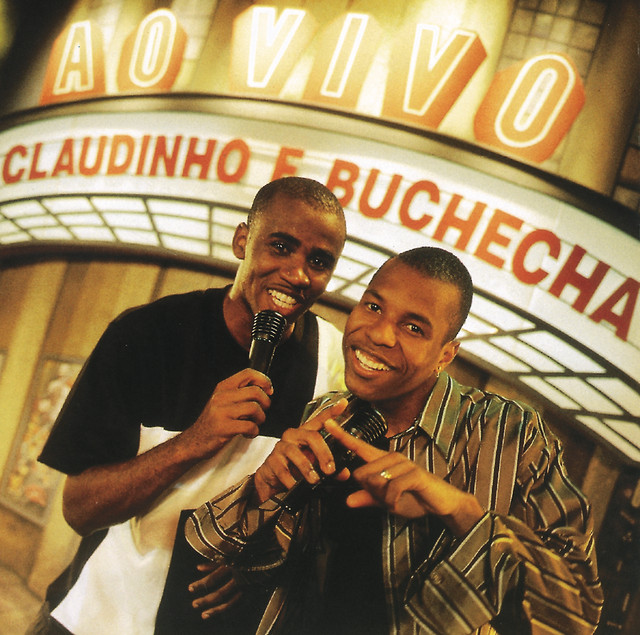
Claudinho & Buchecha - Ao Vivo
Claudinho & Buchecha
Funk Das Antigas
1997
4
/5
A forma
Claudinho & Buchecha
Funk Melody
1996
3
/5
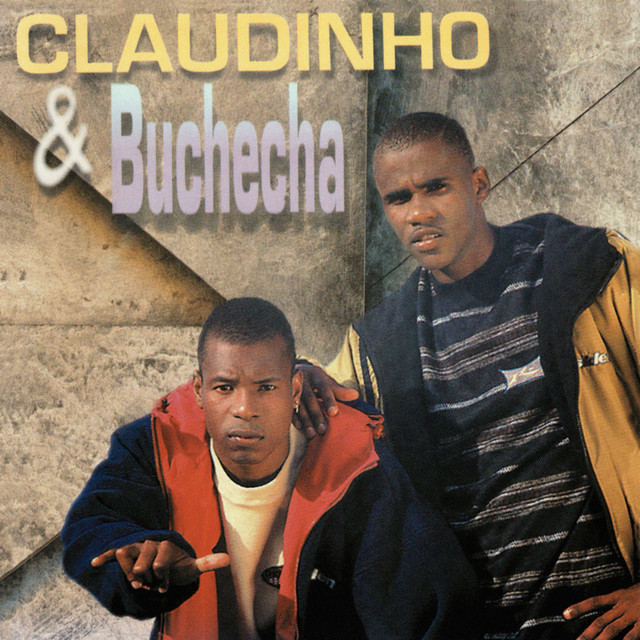
Claudinho & Buchecha
Claudinho & Buchecha
Funk Das Antigas
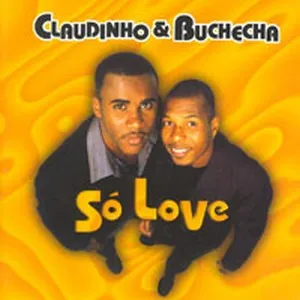
Só Love
Claudinho & Buchecha
Funk Melody
Claudinho & Buchecha
Claudinho & Buchecha
Funk Melody
Similar artists
1
/5
Various Artists
Afro-Funk
Alternative Rock
Ambient
4
/5
Nego do Borel
Brazilian Pop
Brazilian Trap
Funk Brasileiro
4
/5
DENNIS
Funk Das Antigas
Funk 150 Bpm
Funk Melody
4
/5
Furacão 2000
Funk Das Antigas
Axé
Funk 150 Bpm
3
/5
MC Marcinho
Funk Carioca
Funk Melody
Funk Brasileiro
3
/5
Mr. Catra
Funk Carioca
Funk Das Antigas
Funk Melody
3
/5
MC Leozinho
Funk Das Antigas
Funk Melody
Funk Brasileiro
3
/5
Mc Sapao
Funk Melody
Funk Das Antigas
Brazilian Trap
3
/5
Bonde do Tigrão
Funk Carioca
Funk Das Antigas
Axé
3
/5
Cidinho & Doca
Funk Das Antigas
Funk Brasileiro
Funk Carioca
Download our mobile app
Get the Melodigging app and start digging for new genres on the go
Download on the App Store
Get it on Google Play
© 2026 Melodigging
Give feedback
Legal
Melodding was created as a tribute to
Every Noise at Once
, which inspired us to help curious minds keep digging into music's ever-evolving genres.