Genres
Artists
Albums
Make Music
Sign in
Sign in
Artists
Funk Carioca
Artists
Funk Carioca
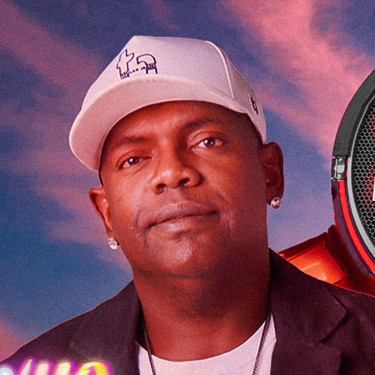
MC Marcinho
1997–2021
·
10 albums
Listen
3
/5
Genres
No Beat
No beat is a Brazilian, producer‑driven tag and scene that grew around baile funk and adjacent regional party styles, where the beatmaker’s identity (often voiced as the tag “X no beat!”) is foregrounded. Musically it pulls from funk carioca’s Miami‑bass lineage, paredão/car‑sound‑system aesthetics, and newer dark, minimalist strands (e.g., bruxaria), yielding hard sub‑bass, sparse percussion at 130–150+ BPM, abrupt mutes, chopped/ported vocals, and crowd‑command call‑outs. In some regional pockets the groove leans into arrochadeira/brega influences and trap textures (“trapfunk”). Rather than meaning “without drums,” the label signals a producer‑centric baile funk approach that thrives in street parties and sound‑system culture and has fed into today’s global club and trap‑funk cross‑pollination.
Discover
Listen
Trap Carioca
Trap carioca is a Rio de Janeiro–rooted branch of Brazilian trap that fuses the half‑time 808 power of U.S. trap with the swing, percussion accents, and party ethos of funk carioca. Built on booming 808 sub‑bass, triplet hi‑hats, and minor‑key loops, it often layers or references the tamborzão and other baile funk drum idioms, local slang, and narratives of favela life, hustle, style, and romance. The result is a gritty yet polished sound that can slide between cold, nocturnal menace and swaggering dance energy, reflecting Rio’s street reality and club culture.
Discover
Listen
Funk Melody
Funk melody is a light, romantic, and tuneful branch of Brazilian funk that emerged in Rio de Janeiro in the 1990s. It blends the percussive drive and party ethos of funk carioca with the synth lines, chord progressions, and sung hooks characteristic of Latin freestyle and 1980s electro-pop. Compared with the rawer baile sound, funk melody favors smoother vocals, diatonic chord changes, and memorable choruses over aggressive MC call‑outs. The result is a dancefloor‑ready yet radio‑friendly style whose lyrics often center on love, flirting, nostalgia, and everyday romance.
Discover
Listen
Funk Das Antigas
Funk das antigas is the nostalgic, “old‑school” wave of Brazilian funk (funk carioca) that crystallized in Rio de Janeiro’s bailes during the 1990s and early 2000s. Shaped by Miami bass and electro‑funk, it pairs booming 808s and syncopated drum patterns with melodic, catchy hooks sung or chanted in Portuguese. Lyrical themes often swing between romance and desire (in the "funk melody" vein), everyday favela life, community pride, and party energy, all delivered with call‑and‑response refrains built for the dance floor. Its sound is raw yet tuneful: sub‑heavy kicks, tom rolls, claps, cowbells, and the iconic tamborzão groove underpin simple, memorable chord movements. The result is music that’s both unabashedly dancing and warmly nostalgic for a formative era of Brazilian urban pop culture.
Discover
Listen
Funk Carioca
Funk carioca, also known as baile funk, is a high-energy dance music born in the favelas of Rio de Janeiro. It blends the booming 808 sub-bass and drum-machine punch of Miami bass and electro with Brazilian street party culture, Portuguese slang, and call-and-response vocals. At its core is the tamborzão rhythm, a syncopated, percussive groove that drives simple, looping beats and chant-like hooks. Lyrics range from playful and explicitly sexual (putaria) to socially conscious narratives and favela pride, and performances are designed for massive neighborhood bailes (street parties). Over time the style has branched into many variants—from melodic radio-friendly hits to darker proibidão—and has influenced global club music while remaining a defining sound of contemporary urban Brazil.
Discover
Listen
Funk Brasileiro
Funk brasileiro (also known internationally as baile funk) is an urban dance music from Brazil that grew out of Rio de Janeiro’s favela party culture. It took the skeletal templates of Miami bass and electro, then reimagined them with Portuguese lyrics, crowd‑shouting hooks, and Afro‑Brazilian rhythmic ideas. The sound is defined by booming 808 sub‑bass, punchy drum programming, and chant‑like vocals designed for participation on the dance floor. While early tracks typically sat around 130–140 BPM with the iconic tamborzão groove, later waves popularized 150 BPM energy and an even more percussive, hard‑hitting feel. Lyrically it ranges from party anthems and romantic “melody” cuts to street reportage and social commentary. Over time it branched into many substyles—proibidão, ostentação, 150 BPM/mandelão, automotivo, and pop‑crossover hybrids—while influencing global pop, rap, and club music.
Discover
Listen
Albums
2021
1
/5
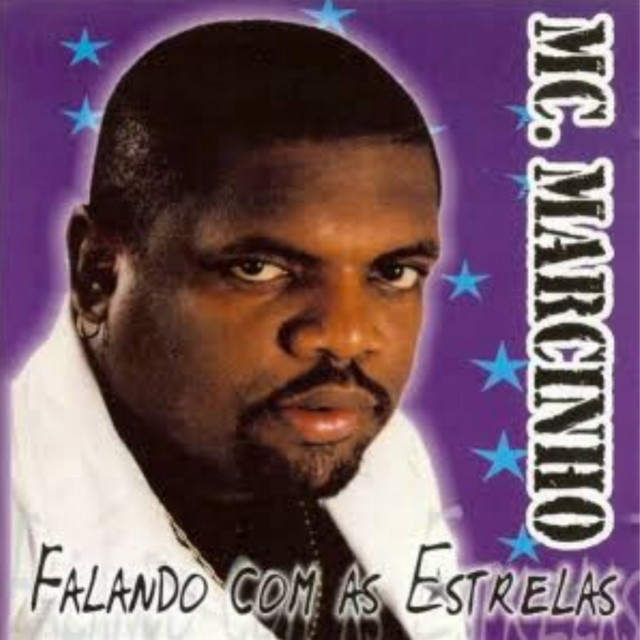
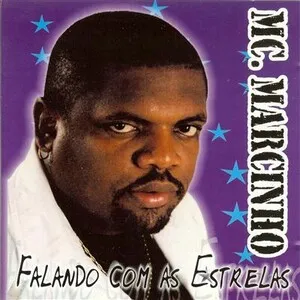
Falando Com as Estrelas
MC Marcinho
Funk Das Antigas
2015
2
/5
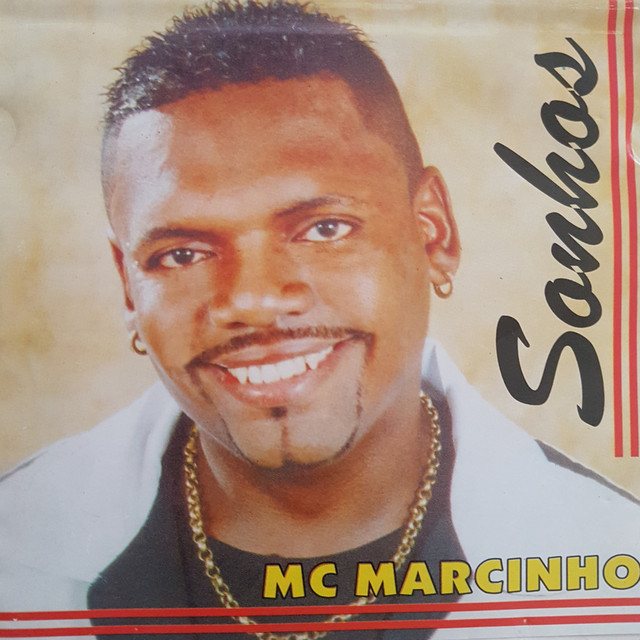
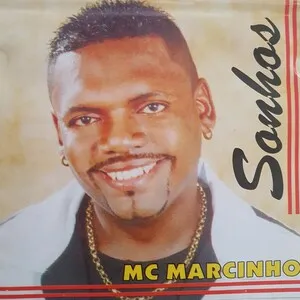
Sonhos
MC Marcinho
Funk Das Antigas
2012
3
/5
Funkadão Digital 2012
MC Marcinho
Funk Das Antigas
2008
1
/5
Elite do Funk Acústico
MC Marcinho
Funk Das Antigas
2003
3
/5
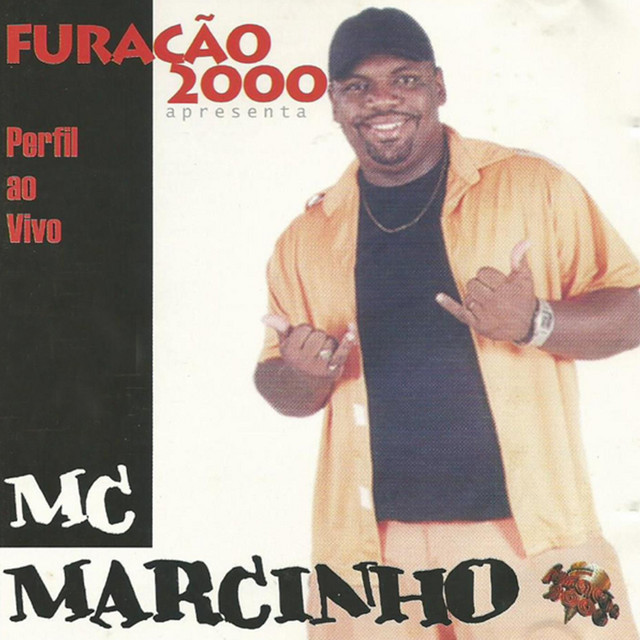
Perfil (Ao Vivo)
MC Marcinho
Funk Das Antigas
1997
1
/5
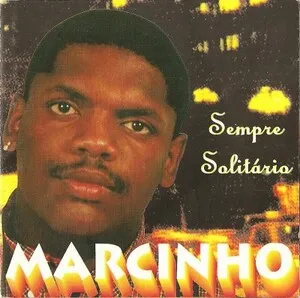
Sempre solitário
Marcinho
Funk Melody
Funk Carioca
Funk Brasileiro
Falando com as estrelas
MC Marcinho
Funk Melody
Sonhos
MC Marcinho
Funk Melody
Falando com as estrelas
MC Marcinho
Funk Carioca
Sonhos
MC Marcinho
Funk Carioca
Similar artists
3
/5
Mr. Catra
Funk Carioca
Funk Das Antigas
Funk Melody
4
/5
DENNIS
Funk Das Antigas
Funk 150 Bpm
Funk Melody
4
/5
Furacão 2000
Funk Das Antigas
Axé
Funk 150 Bpm
3
/5
MC Leozinho
Funk Das Antigas
Funk Melody
Funk Brasileiro
3
/5
Bonde do Tigrão
Funk Carioca
Funk Das Antigas
Axé
3
/5
Mc Sapao
Funk Melody
Funk Das Antigas
Brazilian Trap
3
/5
Tati Quebra Barraco
Funk Brasileiro
Funk Carioca
Miami Bass
3
/5
Cidinho & Doca
Funk Das Antigas
Funk Brasileiro
Funk Carioca
3
/5
DJ Detonna
Funk Melody
Brazilian Trap
Funk Brasileiro
1
/5
Various Artists
Afro-Funk
Alternative Rock
Ambient
Download our mobile app
Get the Melodigging app and start digging for new genres on the go
Download on the App Store
Get it on Google Play
© 2026 Melodigging
Give feedback
Legal
Melodding was created as a tribute to
Every Noise at Once
, which inspired us to help curious minds keep digging into music's ever-evolving genres.