Genres
Artists
Albums
Make Music
Sign in
Sign in
Artists
Funk Brasileiro
Artists
Funk Brasileiro
Tati Quebra Barraco
2004
·
3 albums
Listen
3
/5
Genres
Beat Bruxaria
Beat bruxaria (often called funk bruxaria) is a São Paulo‑born strain of Brazilian funk defined by aggressively distorted, high‑pitched sonics over skeletal, hard‑hitting percussion. Producers push the treble into piercing “tuin” tones while letting blown‑out subs and clipped claps carry a stark, marching groove. Arrangements are minimalist and stop‑start, using sudden silences, horror‑movie stabs, sirens, phone rings, radio snippets, and other found sounds to heighten tension. Vocals, when present, are typically chopped tags, barked ad‑libs, or brief MC phrases treated as rhythmic hits instead of full verses. The result is a deliberately abrasive, dancefloor‑oriented sound that warps baile funk’s energy into something darker and more cinematic, while remaining rooted in street‑party practicality and diversified, anything‑goes sampling.
Discover
Listen
Funk 150 Bpm
Funk 150 BPM is a high‑tempo offshoot of Brazilian funk (funk carioca) that standardizes the groove around 150 beats per minute. It speeds up the classic tamborzão rhythm, emphasizing pounding sub‑kicks, snappy claps/snares, tom fills, sirens, and shouty vocal tags designed for baile (street party) energy. Arrangements are usually minimal and loop‑driven, centering on call‑and‑response MC lines, short hooks, and montage-style edits, with drops that arrive quickly and repeat often. The result is an intense, dance-forward sound that retains the raw grit of Rio’s funk while pushing the adrenaline and club-readiness to the foreground.
Discover
Listen
Funk Evangelico
Funk evangélico is a Brazilian Christian take on funk carioca that keeps the style’s hard-hitting, dance‑floor energy while replacing secular or explicit themes with evangelical Christian messages. Built on the classic tamborzão beat, booming sub‑bass, and call‑and‑response hooks, it uses the language of the baile to preach testimony, “vitória,” and spiritual warfare. The result is music that feels at once street‑level and devotional—meant for dancing, collective chanting, and faith‑based outreach in the same neighborhoods where funk originally flourished.
Discover
Listen
Pop Lgbtq+ Brasileira
Pop lgbtq+ brasileira is contemporary Brazilian pop created by openly LGBTQIA+ artists and rooted in the country’s club culture, internet-native scenes, and mainstream pop industry. Sonically, it blends glossy electropop and dance-pop with distinctly Brazilian rhythms and textures—most notably funk carioca’s tamborzão, brega/tecno-brega melodrama, axé’s carnival exuberance, and MPB’s lyrical sensibility. Productions often pull from reggaeton, house, trap-funk, and ballroom-vogue percussion, yielding high-energy tracks designed for both radio and dance floors. The genre is as much about voice and visibility as it is about hooks: lyrics commonly foreground queer love, pride, self-fashioning, resilience, and nightlife. Vocals range from diva belting to rap/sung hybrids, with campy, theatrical performance aesthetics that translate strongly to video and stage. The scene’s rise is tightly linked to streaming-era dynamics, YouTube/Instagram/TikTok virality, and collaborations with DJs and funk producers.
Discover
Listen
Tamborzão
Tamborzão is a drum-forward substyle and signature beat within Rio de Janeiro’s funk carioca scene. Its name—literally “big drum”—refers to the heavy, surdo-like kick pattern and layered percussion that drive the music. Characterized by syncopated 808 kicks, claps, and tambor/surdo samples at roughly 130–140 BPM, tamborzão emphasizes groove, swing, and call-and-response vocals. Productions are typically minimal and loop-based, leaving space for MCs to command the baile (dance party) with chants, crowd cues, and streetwise narratives. Although often described as a beat rather than a standalone genre, tamborzão became so ubiquitous in the 2000s that it functioned as a recognizable style in its own right, defining the sound of many Rio funk anthems and influencing later Brazilian funk variants.
Discover
Listen
Funk Das Antigas
Funk das antigas is the nostalgic, “old‑school” wave of Brazilian funk (funk carioca) that crystallized in Rio de Janeiro’s bailes during the 1990s and early 2000s. Shaped by Miami bass and electro‑funk, it pairs booming 808s and syncopated drum patterns with melodic, catchy hooks sung or chanted in Portuguese. Lyrical themes often swing between romance and desire (in the "funk melody" vein), everyday favela life, community pride, and party energy, all delivered with call‑and‑response refrains built for the dance floor. Its sound is raw yet tuneful: sub‑heavy kicks, tom rolls, claps, cowbells, and the iconic tamborzão groove underpin simple, memorable chord movements. The result is music that’s both unabashedly dancing and warmly nostalgic for a formative era of Brazilian urban pop culture.
Discover
Listen
Funk Melody
Funk melody is a light, romantic, and tuneful branch of Brazilian funk that emerged in Rio de Janeiro in the 1990s. It blends the percussive drive and party ethos of funk carioca with the synth lines, chord progressions, and sung hooks characteristic of Latin freestyle and 1980s electro-pop. Compared with the rawer baile sound, funk melody favors smoother vocals, diatonic chord changes, and memorable choruses over aggressive MC call‑outs. The result is a dancefloor‑ready yet radio‑friendly style whose lyrics often center on love, flirting, nostalgia, and everyday romance.
Discover
Listen
Funk Brasileiro
Funk brasileiro (also known internationally as baile funk) is an urban dance music from Brazil that grew out of Rio de Janeiro’s favela party culture. It took the skeletal templates of Miami bass and electro, then reimagined them with Portuguese lyrics, crowd‑shouting hooks, and Afro‑Brazilian rhythmic ideas. The sound is defined by booming 808 sub‑bass, punchy drum programming, and chant‑like vocals designed for participation on the dance floor. While early tracks typically sat around 130–140 BPM with the iconic tamborzão groove, later waves popularized 150 BPM energy and an even more percussive, hard‑hitting feel. Lyrically it ranges from party anthems and romantic “melody” cuts to street reportage and social commentary. Over time it branched into many substyles—proibidão, ostentação, 150 BPM/mandelão, automotivo, and pop‑crossover hybrids—while influencing global pop, rap, and club music.
Discover
Listen
Funk Carioca
Funk carioca, also known as baile funk, is a high-energy dance music born in the favelas of Rio de Janeiro. It blends the booming 808 sub-bass and drum-machine punch of Miami bass and electro with Brazilian street party culture, Portuguese slang, and call-and-response vocals. At its core is the tamborzão rhythm, a syncopated, percussive groove that drives simple, looping beats and chant-like hooks. Lyrics range from playful and explicitly sexual (putaria) to socially conscious narratives and favela pride, and performances are designed for massive neighborhood bailes (street parties). Over time the style has branched into many variants—from melodic radio-friendly hits to darker proibidão—and has influenced global club music while remaining a defining sound of contemporary urban Brazil.
Discover
Listen
Miami Bass
Miami bass is a high-energy, bass-forward hip hop and electro offshoot that emerged in South Florida during the mid-to-late 1980s. It is defined by booming TR-808 sub-bass, crisp handclaps and snares, uptempo breakbeats, and chant-like vocals that favor call-and-response hooks over dense lyricism. Often nicknamed "booty bass," the style prioritizes dancefloor function and car-audio impact, with many tracks effectively serving as "bass tests" for subwoofers. Melodic and harmonic elements are sparse and repetitive, while the rhythmic programming and low-end power drive the music’s party-centric atmosphere.
Discover
Listen
Hip Hop
Hip hop is a cultural and musical movement that emerged from Black, Latino, and Caribbean communities, centering around rapping (MCing), DJing/turntablism, sampling-based production, and rhythmic speech over beats. It prioritizes groove, wordplay, and storytelling, often reflecting the social realities of urban life. Musically, hip hop is built on drum-centric rhythms (from breakbeats to 808 patterns), looped samples, and bass-forward mixes. Lyrically, it ranges from party anthems and braggadocio to political commentary and intricate poetic forms, with flow, cadence, and rhyme density as core expressive tools. Beyond music, hip hop encompasses a broader culture, historically intertwined with graffiti, b-boying/b-girling (breakdance), fashion, and street entrepreneurship, making it both an art form and a global social language.
Discover
Listen
Southeastern Brazilian Music
Southeastern Brazilian music refers to the rich web of popular and traditional styles that crystallized in the urban centers of Rio de Janeiro, São Paulo, Belo Horizonte, and Espírito Santo. It encompasses historic genres such as choro and samba, mid‑century developments like bossa nova and MPB, and late‑20th‑century urban forms including funk carioca and hip hop. Rhythmically, it fuses African‑diasporic percussion with European song forms and harmony. Instrumentation ranges from cavaquinho, pandeiro, surdo, cuíca, tamborim, bandolim, and flute in choro/samba ensembles to nylon‑string guitar, jazz‑leaning piano/bass/drums in bossa nova and MPB, and 808‑driven beats and sampling in funk carioca and São Paulo rap. Harmonically, the region is noted for both the contrapuntal elegance of choro and the sophisticated extended‑chord vocabulary of bossa nova and MPB. Culturally, carnival, samba schools, radio, and the recording industry helped project these sounds nationwide and globally.
Discover
Listen
Electronic
Electronic is a broad umbrella genre defined by the primary use of electronically generated or electronically processed sound. It encompasses music made with synthesizers, drum machines, samplers, computers, and studio/tape techniques, as well as electroacoustic manipulation of recorded or synthetic sources. The genre ranges from academic and experimental traditions to popular and dance-oriented forms. While its sonic palette is rooted in electricity and circuitry, its aesthetics span minimal and textural explorations, structured song forms, and beat-driven club permutations. Electronic emphasizes sound design, timbre, and studio-as-instrument practices as much as melody and harmony.
Discover
Listen
Show all 13 genres
Albums
2004
1
/5
Boladona
Tati Quebra Barraco
Tamborzão
Funk Carioca
Miami Bass
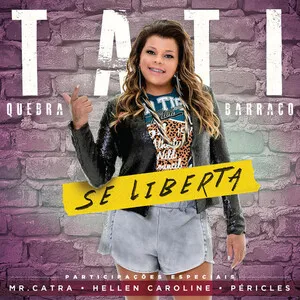
Se liberta
Tati Quebra Barraco
Funk Melody
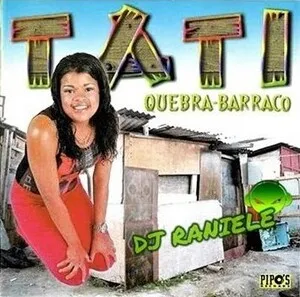
Tati Quebra-Barraco
Tati Quebra Barraco
Tamborzão
Similar artists
2
/5
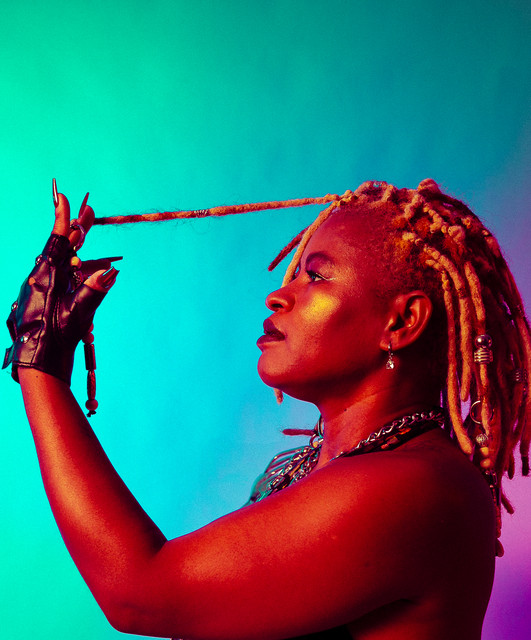
Deize Tigrona
Funk Brasileiro
Funk Carioca
Miami Bass
4
/5
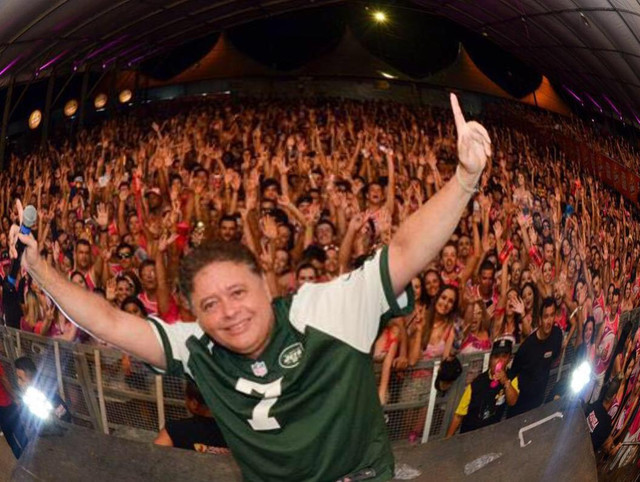
DJ Marlboro
Funk Brasileiro
Funk Carioca
Funk Melody
4
/5
Furacão 2000
Funk Das Antigas
Axé
Funk 150 Bpm
4
/5
MC Kevin o Chris
Funk 150 Bpm
Brega Funk
Funk Carioca
3
/5
Bonde do Tigrão
Funk Carioca
Funk Das Antigas
Axé
4
/5
Mc Morena
Brega Funk
Funk De Bh
Brazilian Trap
4
/5
Mc Gw
Funk Brasileiro
Funk Carioca
Phonk
5
/5
Anitta
Funk Pop
Brazilian Pop
Pop
5
/5
MC Meno K
Brega Funk
Funk Carioca
Funk Viral
4
/5
LUDMILLA
Funk Pop
Brazilian Pop
Pagode
Download our mobile app
Get the Melodigging app and start digging for new genres on the go
Download on the App Store
Get it on Google Play
© 2026 Melodigging
Give feedback
Legal
Melodding was created as a tribute to
Every Noise at Once
, which inspired us to help curious minds keep digging into music's ever-evolving genres.