Genres
Artists
Albums
Make Music
Sign in
Sign in
Artists
Zeuhl
Artists
Zeuhl
Christian Vander
2008–2011
·
2 albums
Listen
1
/5
Genres
Zeuhl
Zeuhl is a bass‑driven, choir‑inflected strain of progressive rock coined by Christian Vander of Magma; the word is Kobaïan for “celestial.” It marries jazz‑rock and modernist classical impulses with ritualistic choral writing, repetitive ostinati, and militaristic drum patterns, yielding music that feels simultaneously cosmic, ominous, and liturgical. Typical traits include pounding, modal bass riffs; tightly locked, polyrhythmic drums; massed vocals in block chords or antiphony (often in invented languages); and long, through‑composed suites with recurring leitmotifs. The harmony favors minor, modal, and quartal sonorities and dramatic choral/Orff‑like climaxes, while the textures range from spare ostinatos to densely orchestrated, quasi‑operatic sections.
Discover
Listen
Progressive Rock
Progressive rock is a rock subgenre that expands the genre’s formal, harmonic, and conceptual boundaries. It favors long-form compositions, intricate arrangements, and virtuosic musicianship, often drawing on Western classical, jazz, folk, and psychedelic idioms. Typical hallmarks include multi-part suites, shifting time signatures, extended instrumental passages, recurring motifs, and concept albums that present unified themes or narratives. The sound palette commonly features electric guitar, bass, and drums alongside an array of keyboards (Hammond organ, Mellotron, Moog/ARP synthesizers, piano), woodwinds or brass, and occasional orchestral additions. Lyrics often explore science fiction, mythology, philosophy, social commentary, and introspective themes.
Discover
Listen
Space Rock
Space rock is a psychedelic branch of rock characterized by long-form, hypnotic grooves, swirling guitars awash in delay and reverb, and prominent analog synthesizers that evoke cosmic or interstellar imagery. The music often emphasizes texture and atmosphere over conventional song structures, creating expansive soundscapes that feel weightless and otherworldly. Emerging in late-1960s Britain from the overlap of psychedelic rock, early progressive rock, and experimental electronics, space rock frequently employs motorik-leaning rhythms, modal or drone-based harmony, and science-fiction themes. Extended improvisations, phased and fuzz-drenched timbres, and tape or echo effects are common, encouraging a sense of forward drift and cosmic exploration.
Discover
Listen
French Jazz
French jazz is the French branch of jazz that took root in Paris and other urban centers after World War I, when African American musicians and touring bands introduced the music to a receptive café and cabaret culture. It blends American jazz idioms with French musical sensibilities, notably chanson, musette waltzes, and a refined classical ear for color and melody. Its sound ranges from the acoustic swing of the 1930s Hot Club style (guitar- and violin-led ensembles) to postwar bebop, cool and modal currents, free improvisation, and later fusions with chanson and electronic music. Hallmarks include lyrical, song-like themes, supple swing feels, elegant harmonic voicings, and, in some strands, the distinctive "la pompe" rhythm of manouche guitar and the timbre of accordion and violin. Today, French jazz encompasses both traditional and forward-looking approaches: intimate acoustic combos, orchestral and filmic jazz, and hybrid forms that intersect with nu jazz, electro-swing, and contemporary European improvisation.
Discover
Listen
Fairy Tale
Fairy tale (often called Skazka in Russian or Märchen in German) is a Romantic-era, narrative form in classical music that paints scenes and characters from folklore, myths, and children’s tales through instrumental color and memorable leitmotifs. It commonly appears as piano character pieces and orchestral tone poems, but its spirit also infuses ballets and operas based on folk narratives. Typical hallmarks include lush harmonies, modal or folk-derived melodies, magical timbres (harp, celesta, woodwinds), and sharply contrasted moods to depict wonder, danger, and transformation.
Discover
Listen
Lied
Lied (plural: Lieder) is the German art song: a finely crafted setting of German-language poetry for solo voice and piano. It is characterized by an intimate, chamber-scale dialogue between singer and pianist in which the accompaniment is an equal partner rather than mere support. Texts are drawn from canonical poets such as Goethe, Heine, Rückert, and Eichendorff, and the music often employs vivid text painting, flexible prosody, and nuanced harmonic color to illuminate poetic imagery. Formal designs include strophic, modified strophic, and through-composed forms, allowing composers to mirror a poem’s narrative or emotional arc. The Lied flourished in the Romantic era, crystallizing ideals of interiority, nature, folklore, and the unity of poetry and music. It remains central to recital repertoire and a cornerstone of German vocal culture.
Discover
Listen
Albums
2011
1
/5
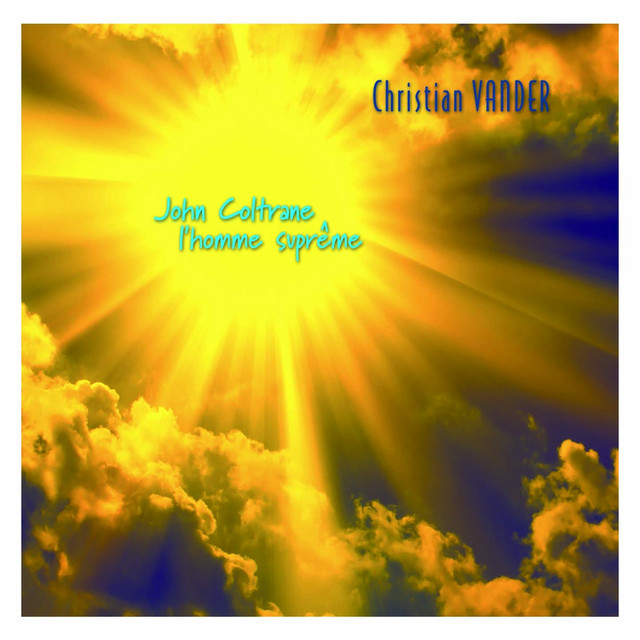
John Coltrane l'homme suprême
Christian Vander
Zeuhl
2008
1
/5
A tous les enfants
Christian Vander
Fairy Tale
Lied
Similar artists
2
/5
Magma
Progressive Rock
Avant-Prog
Rock
1
/5
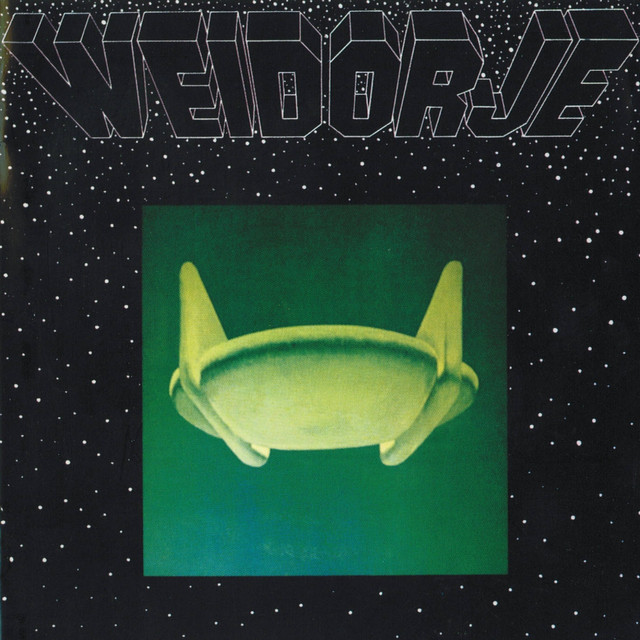
Weidorje
Zeuhl
Art Rock
Avant-Garde
1
/5
Art Zoyd
Rock In Opposition
Avant-Garde
Avant-Prog
1
/5
Univers Zero
Rock In Opposition
Zeuhl
Avant-Prog
1
/5
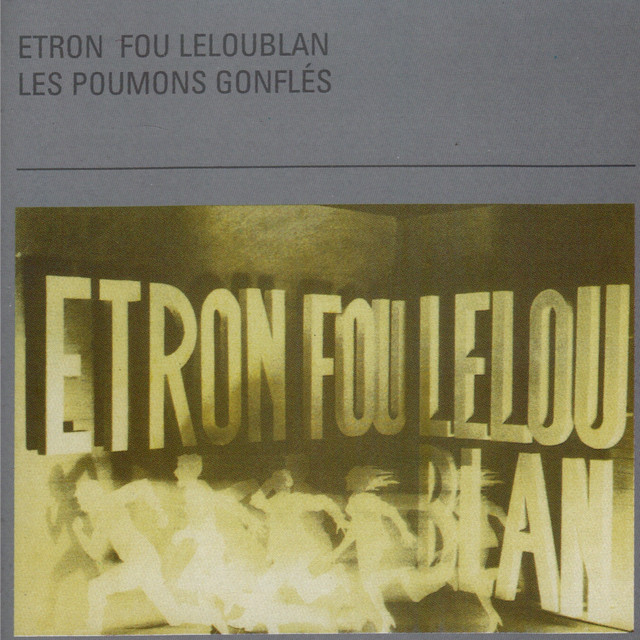
Etron Fou Leloublan
Zeuhl
Art Rock
Avant-Garde
1
/5
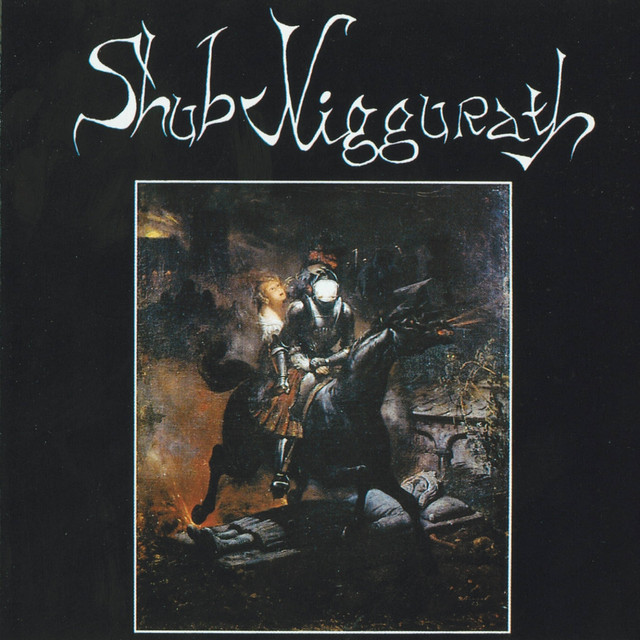
Shub Niggurath
Progressive Rock
Zeuhl
Art Rock
1
/5
Dün
Zeuhl
Art Rock
Avant-Garde
1
/5
Universal Totem Orchestra
Zeuhl
Art Rock
Avant-Garde
1
/5
Ruins
Brutal Prog
Math Rock
Noise Rock
1
/5
Eskaton
Space Rock
Zeuhl
Avant-Prog
Download our mobile app
Get the Melodigging app and start digging for new genres on the go
Download on the App Store
Get it on Google Play
© 2026 Melodigging
Give feedback
Legal
Melodding was created as a tribute to
Every Noise at Once
, which inspired us to help curious minds keep digging into music's ever-evolving genres.