Genres
Artists
Albums
Make Music
Sign in
Sign in
Artists
Concerto
Artists
Concerto
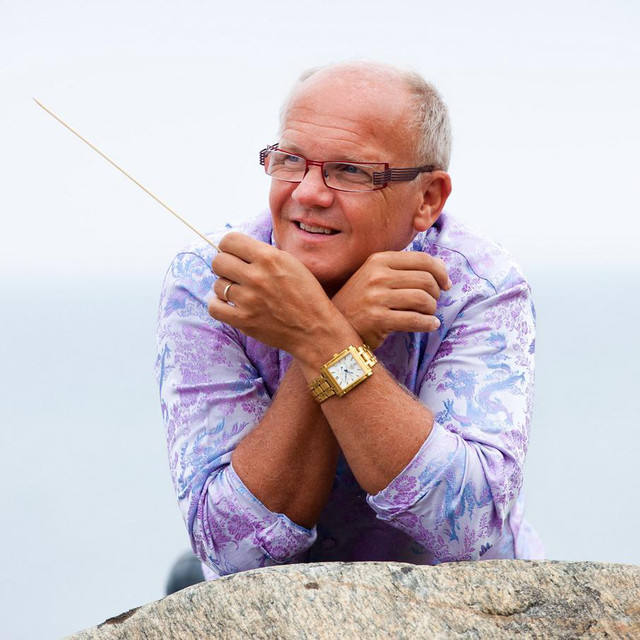
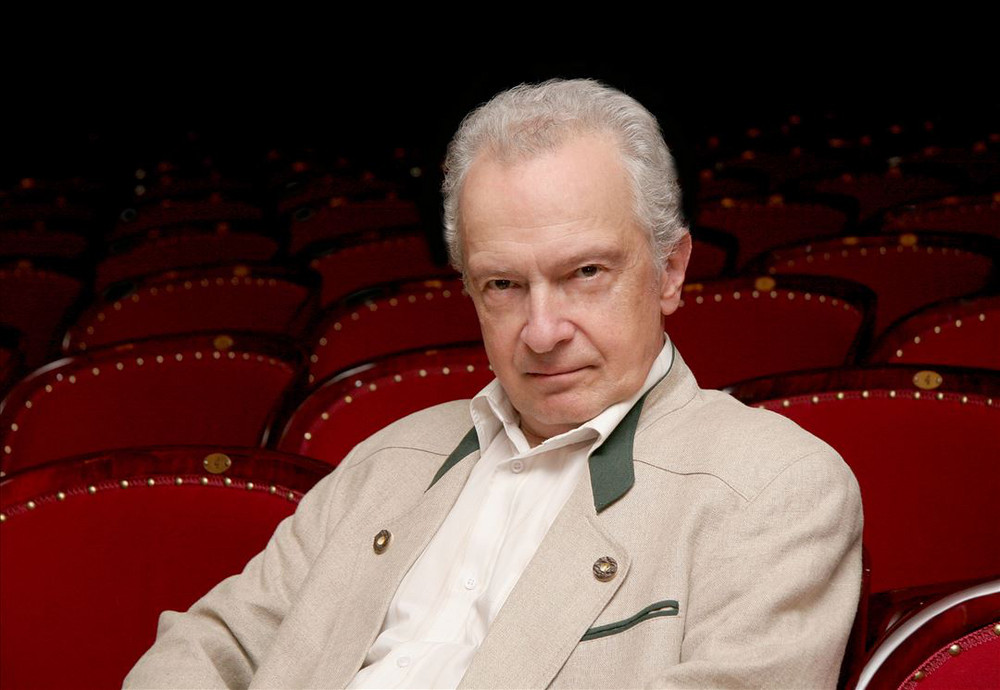
Christian Lindberg
2024
·
2 albums
Listen
2
/5
Genres
Nordic Contemporary Classical
Nordic contemporary classical is a post‑war strand of concert music created across the Nordic countries (Denmark, Finland, Iceland, Norway, and Sweden). It blends international post‑1945 modernism (serialism, spectral thinking, post‑minimal process, electroacoustic practice) with hallmarks often associated with the region: spacious orchestration, luminous timbres, a sensitivity to silence and resonance, nature‑inflected imagery, strong choral traditions, and modal/folk colorings. While stylistically diverse—from rigorously notated modernism to atmospheric, slowly evolving soundscapes—the music typically prioritizes clarity of texture, timbral nuance, and long‑line form over dense contrapuntal saturation. Institutional support (state broadcasters, conservatories, and festivals) and highly skilled ensembles/orchestras enabled composers to experiment with extended techniques, live electronics, and unconventional forms, helping the "Nordic sound" become a distinctive, exportable voice in contemporary classical culture.
Discover
Listen
Contemporary Classical
Contemporary classical is the broad field of Western art music created after World War II. It embraces an array of aesthetics—from serialism and indeterminacy to minimalism, spectralism, electroacoustic practices, and post‑tonal lyricism—while retaining a concern for notated composition and timbral innovation. Unlike the unified styles of earlier eras, contemporary classical is pluralistic. Composers freely mix acoustic and electronic sound, expand instrumental techniques, adopt non‑Western tuning and rhythm, and explore new forms, from process-based structures to open and graphic scores. The result is a music that can be rigorously complex or radically simple, technologically experimental or intimately acoustic, yet consistently focused on extending how musical time, timbre, and form can be shaped.
Discover
Listen
Classical Trombone
Classical trombone is the performance and repertoire of the trombone within the Western art‑music tradition, spanning solo works, concerti, chamber music (brass quintet and mixed ensembles), orchestral literature, and trombone choir pieces. Its sound world ranges from noble, chant‑like cantabile to brilliant, martial fanfares. Players read chiefly in bass and tenor clefs (with historical alto clef for alto trombone parts), exploit a broad dynamic range, and use a variety of mutes (straight, cup, harmon, plunger) for color. Idiomatic techniques include legato with natural slurs and lightly tongued connections, crisp staccato, lip slurs, agile articulation (double/triple tonguing), and carefully designed glissandi that respect the harmonic series. The genre encompasses historical sackbut repertoire adapted to modern instruments, Classical/Romantic orchestral roles, and a 20th–21st century expansion of solo literature and conservatory traditions worldwide.
Discover
Listen
Concerto
A concerto is a large-scale composition that sets one or more solo instruments in dynamic dialogue with an orchestra. Its core idea is contrast—between soloist and tutti—and the dramatic negotiation of power, color, and thematic responsibility. While Baroque concertos often relied on ritornello form, the Classical era standardized a three-movement plan (fast–slow–fast) with sonata principles in the opening movement. The Romantic period emphasized virtuosity and expressive foregrounding of the soloist, and the 20th–21st centuries broadened the palette with new instruments, harmonies, and formats. Across eras, the concerto remains a showcase for instrumental character, technical brilliance, and the art of orchestral conversation.
Discover
Listen
Japanese Classical
Japanese classical refers to the courtly, religious, theatrical, and chamber traditions that crystallized in Japan from the Nara and Heian periods onward. It encompasses Gagaku (imperial court music), Shinto ritual music (kagura), Buddhist chant (shōmyō), Noh and Kabuki repertories (e.g., nagauta, jōruri), and chamber music for koto, shamisen, and shakuhachi (sankyoku). The style emphasizes modal color (ryō and ritsu modes, along with later in/yo pentatonic variants), the dramatic architecture of jo–ha–kyū (slow introduction, development, swift conclusion), and the aesthetic of ma (meaningful silence/space). Textures are often heterophonic or layered, timbres are cultivated for breathy, reedy, and bell-like colors (e.g., shō, hichiriki, ryūteki), and rhythm can range from free-flowing chant to stately ceremonial cycles. The result is a contemplative yet ceremonially powerful sound world distinct from Western common-practice tonality.
Discover
Listen
Albums
2024
Three Swedish Composers Vol. I
Jan Sandström, Andrea Tarrodi, Benjamin Staern, Christian Lindberg
Nordic Contemporary Classical
2024
Trombonists: In Focus
Christian Lindberg, Ian Bousfield, Joseph Alessi, Nils Landgren
Classical Trombone
Similar artists
3
/5
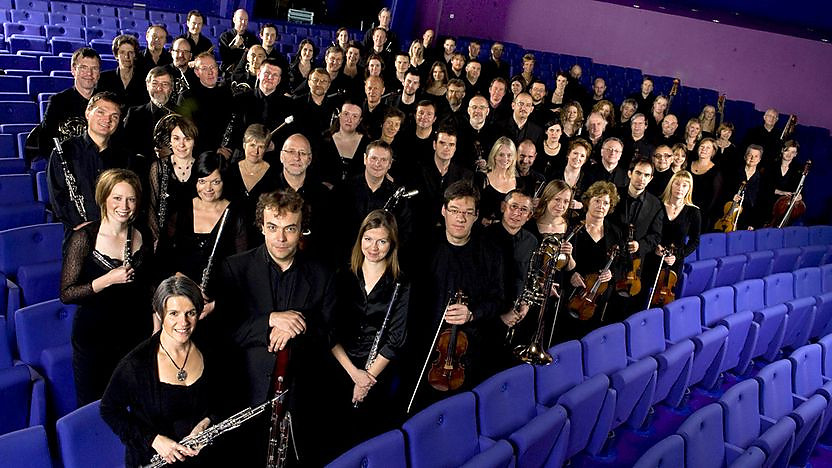
BBC Philharmonic Orchestra
Concerto
Contemporary Classical
Japanese Classical
2
/5
Ulster Orchestra
Classical
Minimalism
Concerto
2
/5
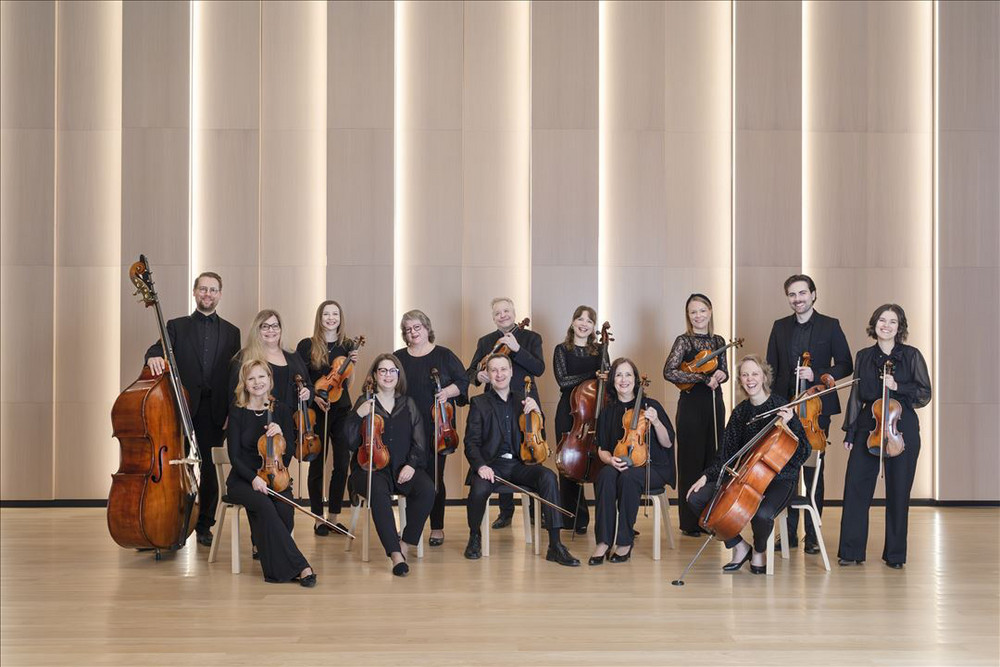
Ostrobothnian Chamber Orchestra
Chamber Music
Classical
Concerto
2
/5
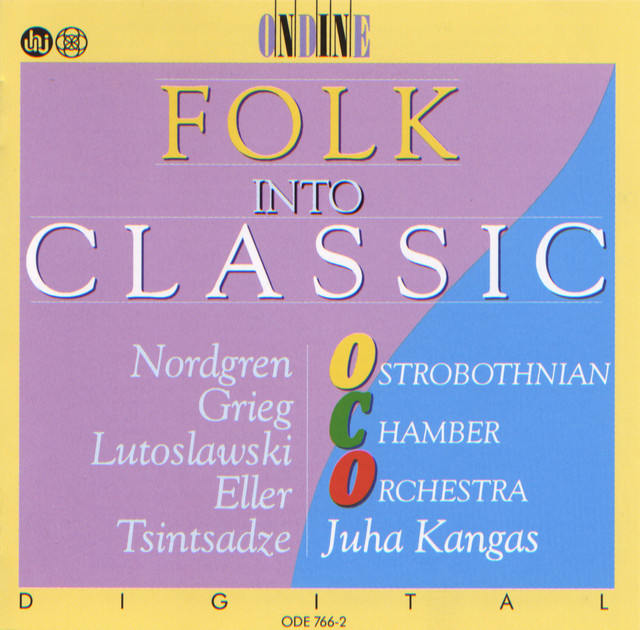
Juha Kangas
Classical
Concerto
Contemporary Classical
3
/5
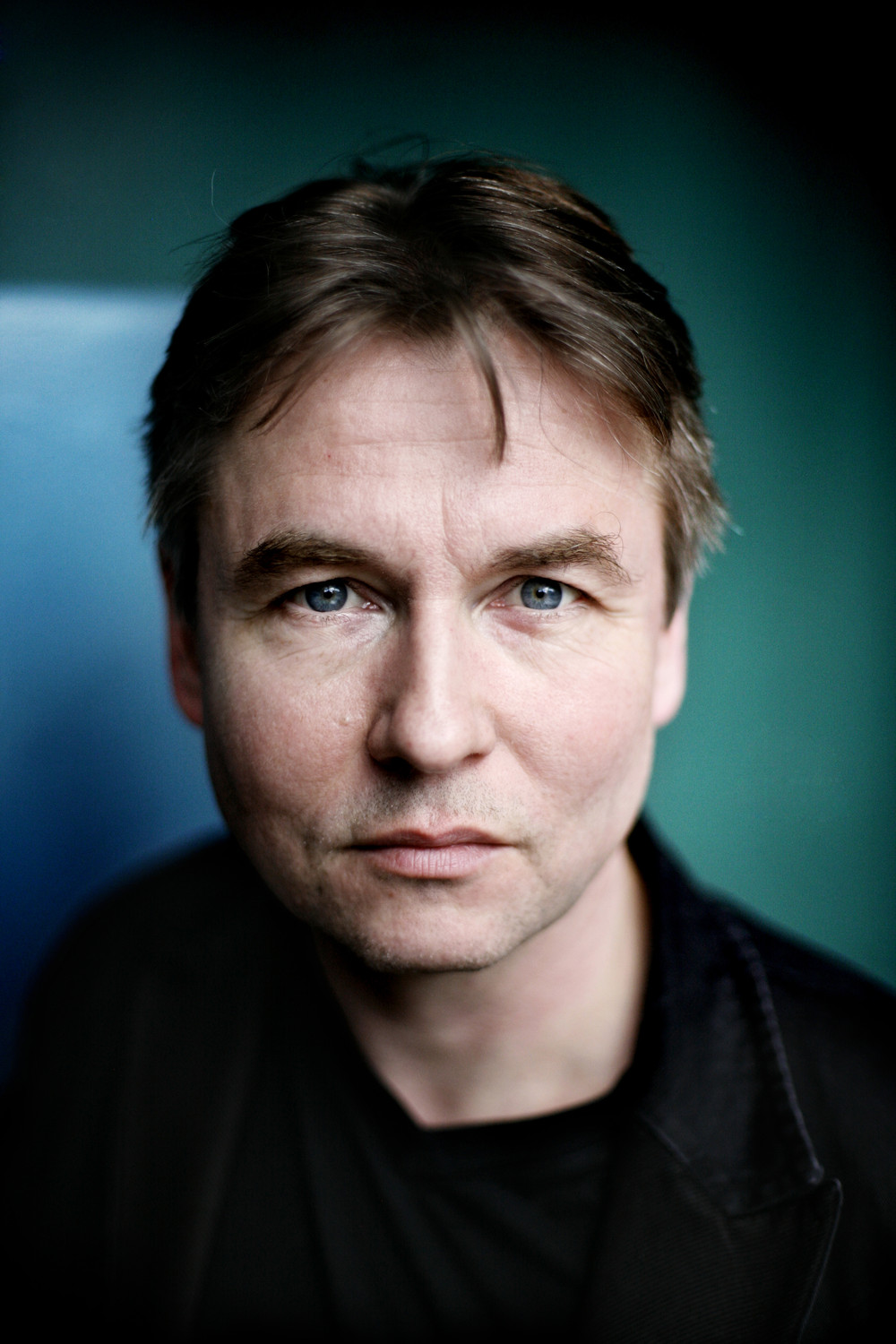
Esa-Pekka Salonen
Concerto
Ballet
Classical
2
/5
Tapiola Sinfonietta
Chamber Music
Classical
Concerto
3
/5
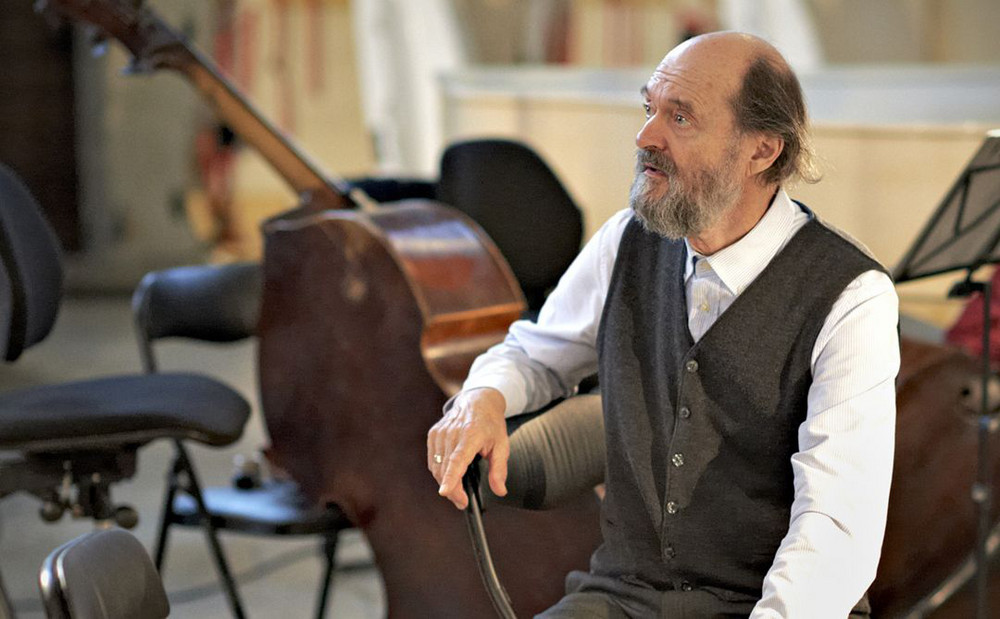
Arvo Pärt
Minimalism
Classical
Holy Minimalism
3
/5
BBC Symphony Orchestra
Classical
Concerto
Contemporary Classical
3
/5
Antoni Wit
Classical
Requiem
Orkiestra Symfoniczna
3
/5
Deutsches Symphonie-Orchester Berlin
Classical
Opera
Concerto
Download our mobile app
Get the Melodigging app and start digging for new genres on the go
Download on the App Store
Get it on Google Play
© 2026 Melodigging
Give feedback
Legal
Melodding was created as a tribute to
Every Noise at Once
, which inspired us to help curious minds keep digging into music's ever-evolving genres.