Genres
Artists
Albums
Make Music
Sign in
Sign in
Artists
Welsh Folk
Artists
Welsh Folk
Chris Jones
2014–2020
·
3 albums
Listen
3
/5
Genres
Gaming Edm
Gaming EDM is a bright, hook‑driven branch of electronic dance music tailored for online gaming, streaming, and creator culture. It blends festival‑ready drops and sidechained supersaws with melodic, video‑game–friendly timbres (arpeggiated leads, chip/8‑bit flourishes) and clean royalty-friendly production that sits well under voice chat or commentary. The songs are typically concise, high‑energy, and instantly catchy, engineered to loop well on streams and to sync to highlight reels and esports content.
Discover
Listen
Big Room House
Big room house is a festival-focused strain of EDM built for massive sound systems and outdoor main stages. It typically runs around 126–132 BPM (most commonly 128), uses four-on-the-floor kick patterns, and features huge, simple lead riffs designed to be instantly memorable to large crowds. A defining trait is the contrast between cinematic, reverb-washed breakdowns and ultra-dry, percussive drops driven by a powerful kick, sub, and a few bold supersaw or horn-like synth stabs. Arrangements lean on dramatic builds with snare rolls, risers, and crowd-hyping vocal chops, culminating in drops that emphasize impact over harmonic complexity.
Discover
Listen
Bytebeat
Bytebeat is a minimalist form of algorithmic music in which very short computer programs (often a single arithmetic expression) generate raw PCM audio directly. It typically uses 8-bit integer math and a running time counter t to produce harsh, glitchy, melody-like patterns, rhythms, and textures through bitwise operations, shifts, modular arithmetic, and simple integer multiplications. The aesthetic sits between chiptune timbres and noise art: crunchy aliasing, stepping waveforms, and emergent structure arise from extremely compact code. First popularized online in 2011, bytebeat is as much a programming puzzle as it is a musical style, celebrated for revealing how complex musical behaviors can emerge from ultra-simple rules.
Discover
Listen
Moombahcore
Moombahcore is a heavy, mid‑tempo offshoot of moombahton that fuses reggaeton’s dembow groove with the sound‑design and impact of dubstep and electro house. Typically set around 100–115 BPM (with 108–110 BPM common), it features syncopated dembow drums, massive wobble/growl basses, hard electro leads, and festival‑style builds and drops. Compared to standard moombahton, moombahcore is darker, more aggressive, and more sound‑design‑driven, yet it retains the swaying, dance‑forward pulse of Latin and dancehall rhythms. Producers often employ complex bass resampling, heavy distortion and saturation, sharp snare accents on the 3, and percussive fills drawn from reggaeton and dancehall, making the genre ideal for high‑energy club and festival contexts.
Discover
Listen
Neurohop
Neurohop is a bass music subgenre that fuses the intricate, high-tech sound design and tense atmospheres of neurofunk with the swagger, swing, and groove of hip hop and glitch-hop tempos. Typically sitting around 90–115 BPM (often felt as halftime), it emphasizes surgically sculpted mid-bass lines, resampled textures, and precision drum programming. The result is music that is simultaneously head‑nodding and highly technical, pairing hip hop’s rhythmic feel with the detailed modulation, movement, and spectral complexity associated with modern drum and bass and dubstep.
Discover
Listen
Gothic Metal
Gothic metal is a fusion of the heaviness and slow, atmospheric pull of doom metal with the dark romanticism and melodrama of gothic rock. It emphasizes minor-key harmony, thick guitar textures, and prominent keyboards or orchestral pads to create a brooding, cinematic mood. Vocals range from deep baritone croons and clean female sopranos to harsh growls—sometimes used together in the "beauty-and-the-beast" style. Lyrical themes often explore love and loss, mortality, melancholy, myth, and the supernatural, presented with a sense of theatricality. While centered in metal, the style borrows from dark wave’s somber synths and gothic rock’s atmosphere, leading to variations that lean toward doom, symphonic, or even alternative-leaning approaches.
Discover
Listen
Symphonic Metal
Symphonic metal fuses the power and riff-driven weight of heavy metal with the grandeur of orchestral music, choral writing, and operatic vocals. It often features full-scale symphonic arrangements—either via live orchestras and choirs or through sophisticated sampling—alongside distorted guitars, bass, and double-kick drumming. Hallmarks include cinematic songwriting, classical harmony (minor keys, modal colors, counterpoint), sweeping string ostinati, brass fanfares, and layered choirs. Vocal approaches range from operatic soprano leads to melodic rock vocals and occasional harsh growls. Lyrically, the genre leans toward myth, fantasy, history, philosophy, and romantic or existential themes, delivering an epic, theatrical atmosphere.
Discover
Listen
Trance
Trance is a form of electronic dance music characterized by steady four-on-the-floor beats, long build‑ups and breakdowns, and euphoric, melodic progressions designed to induce a hypnotic or “trance‑like” state. Typical tempos range from about 130 to 142 BPM, with arrangements often stretching 7–10 minutes to allow DJs room for tension, release, and seamless mixing. The sound palette emphasizes shimmering pads, arpeggiated synth motifs, supersaw leads, and wide, reverberant spaces. Harmonically, trance tends to favor minor keys, modal mixture, and extended suspense before cathartic drops. Production hallmarks include sidechain compression (“pumping”), off‑beat open hi‑hats, rolling basslines, and lush delay/reverb tails. While largely instrumental, a major branch—vocal trance—features lyrical toplines and pop‑leaning structures without losing its club‑centric dynamics.
Discover
Listen
Welsh Folk
Welsh folk is the traditional vernacular music of Wales, rooted in rural song, dance, and instrumental practices that predate written documentation but were widely collected from the 18th century onward. It is characterized by the prominence of the Welsh language, intricate vocal traditions such as penillion (cerdd dant) singing over harp counter-melodies, and distinctive instruments including the triple harp (telyn deires), crwth (bowed lyre), pibgorn (hornpipe), and fiddle. Repertoires span narrative ballads, work and seasonal songs, plygain carols, and lively dance tunes for clog dancing and social folk dance, often using modal melodies (Dorian and Mixolydian) and drones. Modern Welsh folk maintains these features while incorporating guitar, bouzouki, accordion, and contemporary arrangements, linking deeply felt nostalgia and community identity with energetic, danceable sets.
Discover
Listen
Show all 9 genres
Albums
2020
1
/5
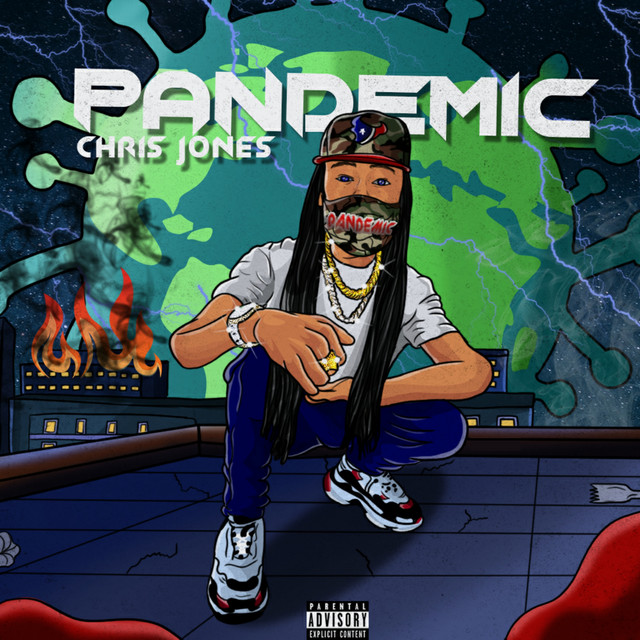
Pandemic
Chris Jones
Welsh Folk
2020
1
/5
Anticipate
Chris Jones
Welsh Folk
2014
1
/5
Dacw'r Tannau
Chris Jones
Welsh Folk
Similar artists
1
/5
Various Artists
Afro-Funk
Alternative Rock
Ambient
5
/5
Tiësto
Dance
Trance
Brostep
4
/5
Armin van Buuren
Progressive Trance
Trance
Dutch House
4
/5
Nightwish
Fantasy Metal
Opera Metal
Power Metal
4
/5
Dash Berlin
Trance
Chill Pop
Electronica
4
/5
Within Temptation
Gothic Symphonic Metal
Gothic Metal
Gothic Rock
4
/5
Funk Tribu
Hard House
Hard Techno
Trance
3
/5
DJ HEARTSTRING
Eurodance
Hard House
Trance
3
/5
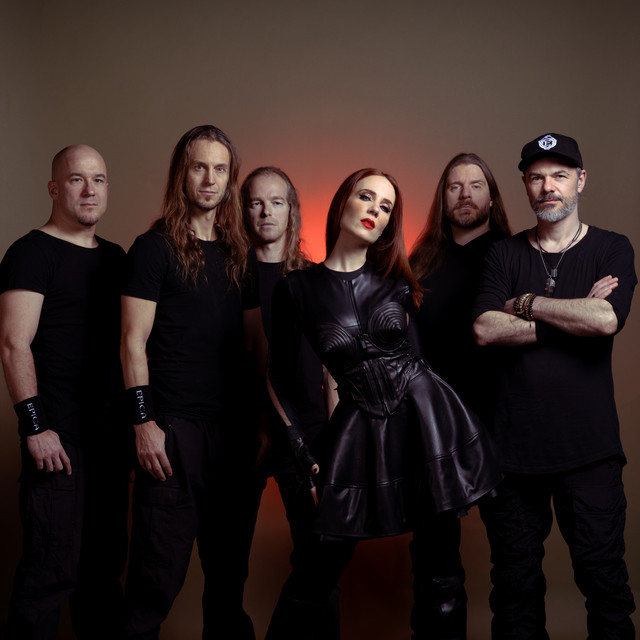
Epica
Opera Metal
Symphonic Metal
Gothic Metal
3
/5
Sewerslvt
Glitchbreak
Jungle
Electronic
Download our mobile app
Get the Melodigging app and start digging for new genres on the go
Download on the App Store
Get it on Google Play
© 2026 Melodigging
Give feedback
Legal
Melodding was created as a tribute to
Every Noise at Once
, which inspired us to help curious minds keep digging into music's ever-evolving genres.