Genres
Artists
Albums
Make Music
Sign in
Sign in
Artists
Death Metal
Artists
Death Metal
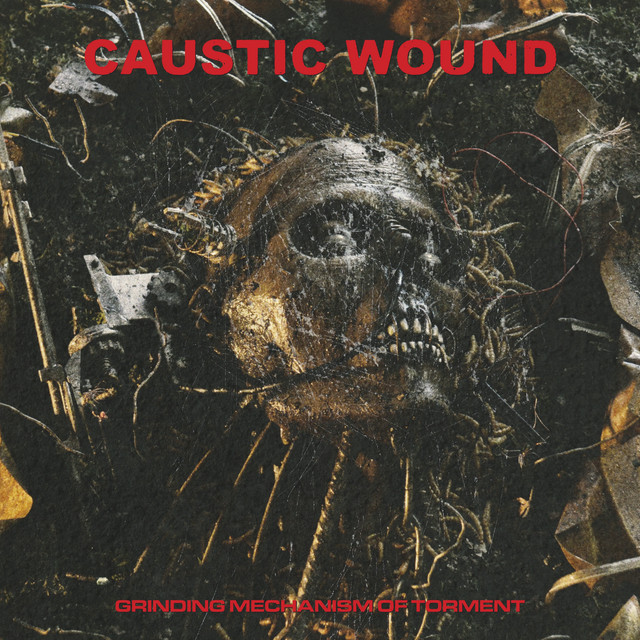
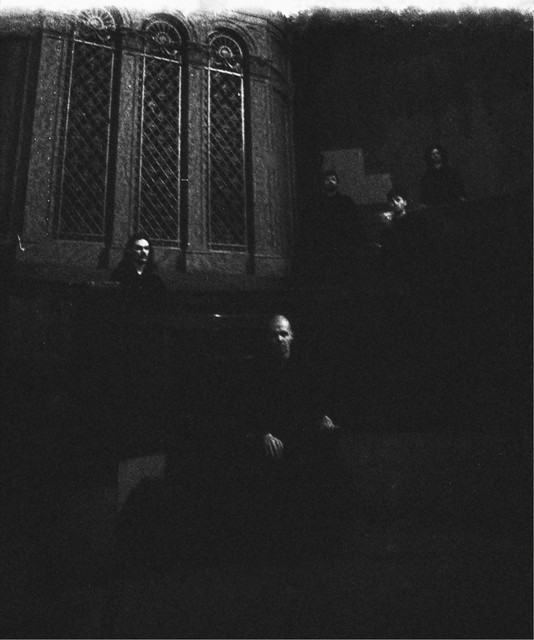
Caustic Wound
Listen
1
/5
Genres
Cavernous Death Metal
Cavernous death metal is a murky, reverb-drenched strain of old-school death metal that foregrounds claustrophobic atmosphere over clinical precision. Hallmarks include extremely downtuned guitars, tremolo-picked and chromatic riffing, lurching doom-laden passages, and very deep, often indecipherable guttural vocals. Production aesthetics are central: drums are thunderous yet blurred, guitars and bass form a monolithic wall of low-end, and large-room or plate reverbs smear the mix to evoke the feeling of sound emanating from a subterranean chamber. Rather than bright, high-fidelity tones, the style prefers darkness, distance, and density—suggesting sinister space, decay, and ancient dread. Compositionally it draws on early 1990s death and death-doom blueprints, but the 2010s revival codified the "cavernous" sound as a distinct aesthetic, emphasizing mood, negative space, and oppressive resonance as much as riffcraft.
Discover
Listen
New Wave Of Osdm
New Wave of OSDM (Old School Death Metal) is a 2010s–present revival movement that resurrects the aesthetics, riffcraft, and production ethos of late-1980s/early-1990s death metal. It favors down‑tuned guitars, chromatic riffing, guttural vocals, and an organic, unpolished sound that feels tactile and oppressive rather than hyper‑edited. Stylistically it triangulates the Floridian school’s technical menace, the Incantation/Autopsy murk and doom-laden crawl, and the Swedish HM‑2 “buzzsaw” bite—often within the same album. Songs pivot between d‑beat churn, mid‑paced stomps, lurching death‑doom passages, and short blasts, with bass prominent in the mix and drums captured with room ambience. Lyrically and visually, the movement leans on cosmic horror, rot, mysticism, war, and underground tape‑trader aesthetics, sustained by DIY labels and a thriving cassette/vinyl culture. Rather than museum‑piece nostalgia, the scene treats classic techniques as living practice: updating arrangement flow, atmosphere, and harmonic color while preserving the genre’s primal heft.
Discover
Listen
Death Metal
Death metal is an extreme subgenre of heavy metal defined by heavily distorted, low‑tuned guitars, rapid and complex riffing, blast beat drumming, and harsh guttural vocals. Its harmonic language favors chromaticism, dissonance, and tremolo-picked lines that create an ominous, abrasive atmosphere. Lyrically, death metal often explores dark or transgressive themes—mortality, mythology, anti-religion, psychological horror, and the macabre—sometimes with philosophical or social commentary. Production ranges from raw and cavernous to hyper-precise and technical, reflecting the genre’s many regional scenes and substyles. From the mid‑1980s Florida scene (Tampa) and parallel developments in the US, UK, and Sweden, death metal evolved into numerous branches including brutal death metal, technical death metal, melodic death metal, and death‑doom, each emphasizing different aspects of speed, complexity, melody, or heaviness.
Discover
Listen
Grindcore
Grindcore is an extremely fast, abrasive fusion of hardcore punk and extreme metal characterized by blast-beat drumming, highly distorted down-tuned guitars, and a mix of guttural growls and high-pitched screams. Songs are typically very short—often under two minutes and sometimes just seconds—favoring intensity over traditional verse–chorus structures. Lyrically, grindcore spans politically charged and socially conscious themes (war, capitalism, animal rights) as well as gore and body horror (particularly in goregrind). Production ranges from raw, live-in-the-room ferocity to tight, modern clarity. The style is defined by relentless speed, dissonant or chromatic riffing, and sudden start–stop shifts that create a feeling of controlled chaos.
Discover
Listen
Powerviolence
Powerviolence is an ultrafast, confrontational offshoot of hardcore punk that emphasizes whiplash dynamics between blastbeat-speed eruptions and lurching, sludgy slowdowns. Its songs are typically very short—often under a minute—and rely on raw, abrasive guitar and bass tones, barked or screamed vocals, and sudden stop/start structures. Rooted more in punk than in metal, powerviolence differs from grindcore through its stripped-down riffing, anti-virtuosic ethos, and frequent use of hardcore and d-beat rhythms alongside shocking tempo drops into sludge-influenced breakdowns. Lyrics tend to be anti-authoritarian, socially critical, or nihilistic, and the style is strongly tied to DIY culture, lo-fi aesthetics, and an intentionally uncompromising sound.
Discover
Listen
Deathgrind
Deathgrind is a fusion of death metal and grindcore that combines the former’s low‑tuned, heavy riffing and guttural vocals with the latter’s ultra‑fast tempos, blast‑beat drumming, and short, abrupt song structures. Typical tracks run one to three minutes, feature rapid chromatic tremolo picking, sudden tempo shifts, and a relentless rhythmic attack. Vocals alternate between deep death‑metal growls and high‑pitched screams, while lyrics range from socio‑political critique to graphic, gore‑themed narratives depending on the band. Production tends to be tight and cutting, often with triggered kicks, aggressive guitar tones, and clear articulation so that riffs remain intelligible at extreme speed.
Discover
Listen
Similar artists
2
/5
Knoll
Death Metal
Grindcore
Mathcore
2
/5
Escuela Grind
Powerviolence
Grindcore
Death Metal
2
/5
Full Of Hell
Grindcore
Rock
Death Metal
2
/5
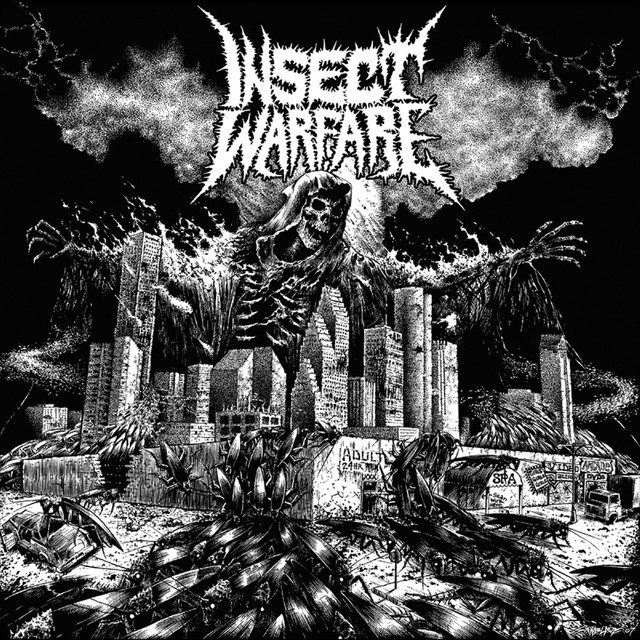
Insect Warfare
Grindcore
Death Metal
American Grindcore
2
/5
Deterioration
American Grindcore
Grindcore
Powerviolence
3
/5
Dying Fetus
Brutal Death Metal
Deathgrind
Death Metal
3
/5
Morbid Angel
Florida Death Metal
Death Metal
Metal
3
/5
Bolt Thrower
Death Metal
Deathgrind
Brutal Death Metal
3
/5
Napalm Death
Grindcore
Deathgrind
Death Metal
3
/5
Mortician
Death Metal
Goregrind
Deathgrind
Download our mobile app
Get the Melodigging app and start digging for new genres on the go
Download on the App Store
Get it on Google Play
© 2026 Melodigging
Give feedback
Legal
Melodding was created as a tribute to
Every Noise at Once
, which inspired us to help curious minds keep digging into music's ever-evolving genres.