Genres
Artists
Albums
Make Music
Sign in
Sign in
Artists
Latin Afrobeats
Artists
Latin Afrobeats
Casper Magico
Listen
4
/5
Genres
Dembow Belico
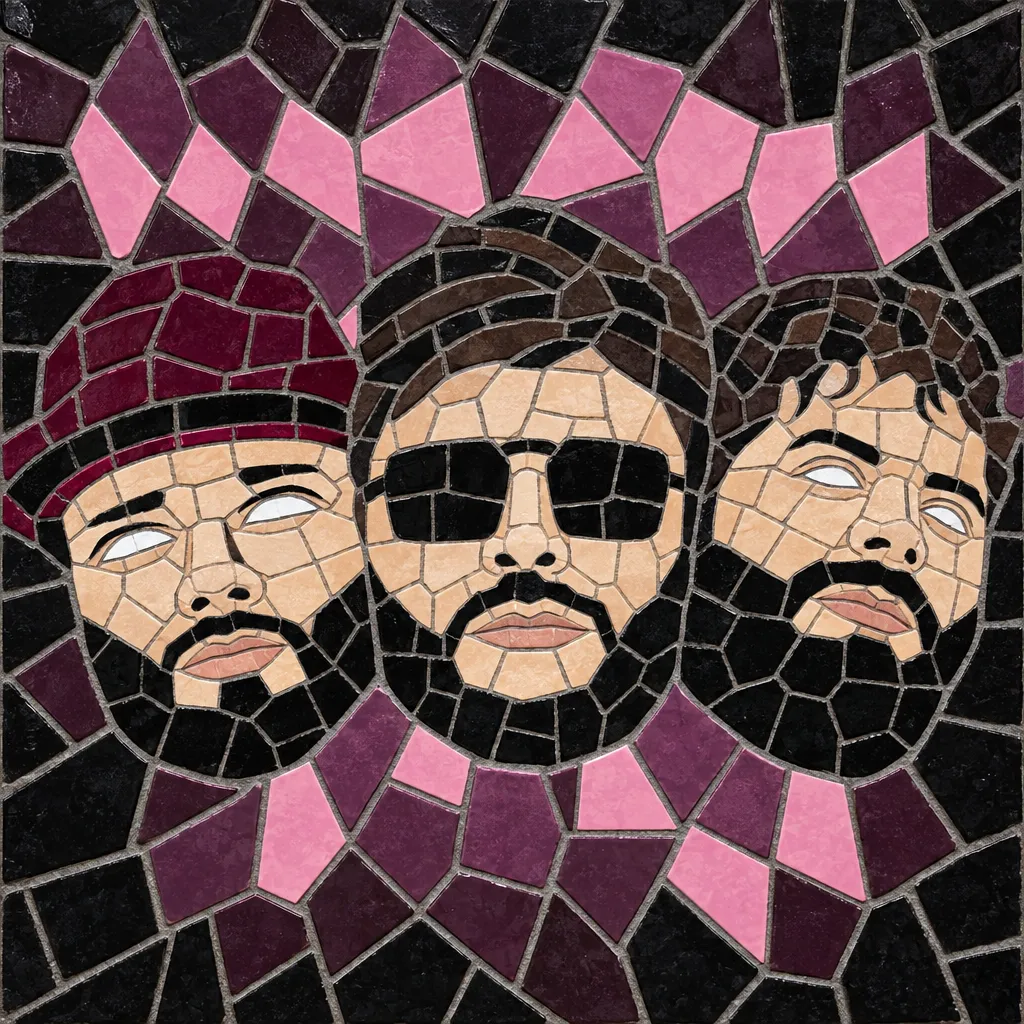
Dembow bélico is a recent crossover of the Dominican dembow rhythm with the lyrical aesthetics and sonic signifiers of Mexico’s corridos bélicos and broader regional mexicano. It keeps dembow’s relentless, syncopated, club-ready percussion, but injects “bélico” (warlike) storytelling, slang, and iconography drawn from the corridos world. Producers typically fuse fast dembow drums, sirens, and chopped vocal shots with Mexican regional elements like tuba stabs, sierreño/12‑string guitar riffs, and banda-style brass hits. The result is a high-energy, gritty, and party-oriented sound that also carries the bravado and conflict-laced narratives characteristic of corridos bélicos.
Discover
Listen
Latin Afrobeats
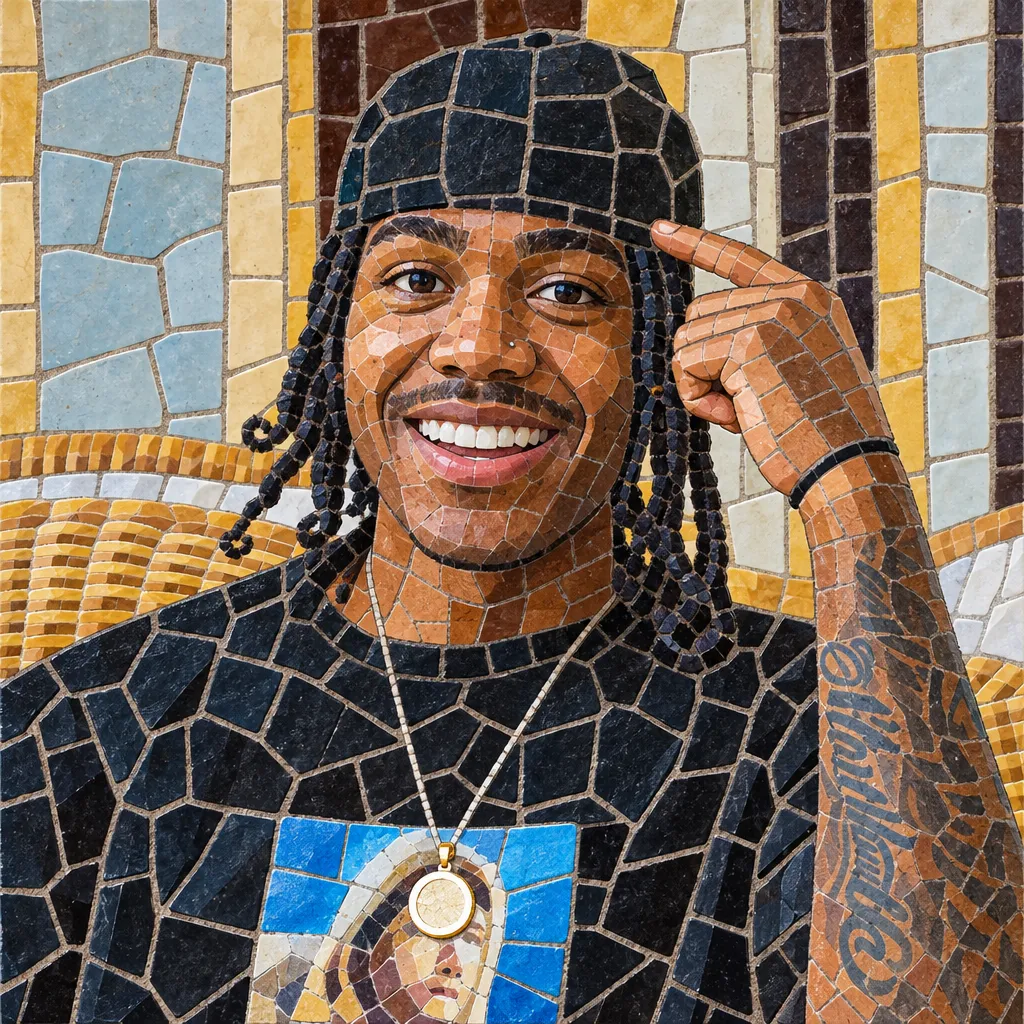
Latin Afrobeats is a hybrid of West African Afrobeats and Latin urban pop in which Spanish (and sometimes Portuguese) lyrics ride syncopated, polyrhythmic grooves. It marries Afrobeats’ swung shakers, off‑beat hi‑hats, guitar licks, and buoyant bass with dembow and dancehall drum patterns common to reggaeton and Latin pop. The result is a bright, dance‑forward style with catchy toplines, call‑and‑response hooks, and concise song forms tailored to streaming. Production tends to be minimal yet percussive, with Afro‑percussion (shekere, conga/bongo colors), plucked guitars or synth plucks, and warm sub‑bass supporting melodies that often draw on pentatonic or natural minor scales. Themes revolve around romance, partying, and feel‑good celebration, making the music equally at home in clubs and playlists.
Discover
Listen
Reggaeton Chileno
Reggaeton chileno is the Chilean iteration of urbano built on the classic dembow pulse, but colored by local slang, DIY internet aesthetics, and frequent crossover with Latin trap and pop. The style keeps reggaeton’s dance‑floor focus while alternating between glossy, melodic hooks and grittier street energy. Chilean artists often rap‑sing with heavy autotune over minimal, sub‑driven beats, blending romantic themes with barrio pride and club culture. From neoperreo’s avant‑club experiments to radio‑ready hits, the scene is both online‑native and chart‑minded, reflecting Chile’s vibrant, collaborative urbano ecosystem.
Discover
Listen
Reparto
Reparto is a contemporary Cuban urban dance genre that grew out of Havana’s neighborhood (“el reparto”) party circuits. It is built for high-energy street dancing, emphasizing syncopated, loop-based rhythms, shouted hooks, and a raw, percussive low-end that often feels closer to club-ready reggaeton than to traditional Cuban pop. A distinctive trait is the incorporation of Cuban music elements—especially salsa-derived rhythmic language and, in many productions, salsa-like guitar picking patterns that add a bright, montuno-adjacent drive over modern drum programming. Vocals typically alternate between rap-style delivery, call-and-response chants, and catchy repeated slogans designed for crowd participation.
Discover
Listen
Trap Latino
Trap latino (Latin trap) is a Spanish-language offshoot of Southern U.S. trap that fuses the dark, bass-heavy aesthetics of trap with the rhythmic DNA and songwriting sensibilities of the Latin urbano spectrum (reggaeton, dembow, Latin hip hop). Beats typically sit around 70–75 BPM (or 140–150 BPM double-time), driven by sliding 808 bass lines, skittering hi-hat rolls, and crisp snares/claps. Vocals range from gritty rap to heavily Auto-Tuned, melodic hooks, often delivered in Spanish or Spanglish. Lyrical themes oscillate between street realism, romance, hedonism, and introspection, with production palettes favoring minor keys, eerie pads, bell/pluck motifs, and space that lets low-end energy shine. Born in Puerto Rico mid-2010s, the style quickly crossed into the broader Latin urbano market and global pop, reshaping the sound of contemporary Latin music and catalyzing crossovers with regional Mexican, pop, and reggaeton scenes.
Discover
Listen
Trap Boricua
Trap boricua is the Puerto Rican strain of Latin trap: a Spanish-language take on Southern U.S. trap aesthetics fused with the island’s reggaetón DNA and hip‑hop tradition. It is characterized by halftime 4/4 grooves (typically 65–75 BPM, or 130–150 BPM counted double‑time), heavy 808 sub-bass with slides, skittering 1/16 hi‑hats and triplet rolls, crisp claps/snares on the halftime backbeat, and atmospheric pads or minor‑key synth motifs. Vocals often mix melodic Auto‑Tuned hooks with gritty rap verses, switching between rapid‑fire syllables and laid‑back flows. Lyrically, artists blend barrio storytelling, bravado (fronteo), luxury and street codes with Puerto Rican slang, while also opening space for romance, introspection, and social commentary. The sound frequently hybrids with reggaetón (dembow cadences), R&B, and drill, making it both club‑ready and mood‑driven.
Discover
Listen
Twerk
Twerk is a high-energy club and festival style built around pounding 808 bass, head-nodding half‑time grooves at double‑time feel, and chantable hooks designed for the dancefloor. Typically sitting near 95–110 BPM, its percussion borrows the call‑and‑response patterns and bounce of New Orleans Bounce while embracing the sub‑heavy thump and party-forward attitude of Miami Bass. Modern productions often fold in trap-style hi-hats, crowd commands, and minimal, catchy riffs, prioritizing rhythm and movement over complex harmony.
Discover
Listen
La Pop
LA pop is a contemporary pop micro-scene centered on Los Angeles, defined by glossy, radio-ready production, hook-heavy toplining, and a tight ecosystem of songwriters, producers, and artist-development teams. It blends mainstream pop with electropop sheen, R&B smoothness, and a light touch of hip‑hop rhythms, all optimized for streaming, radio, and sync. The style emphasizes ultra-melodic choruses, crisp midtempo grooves, bright synths or guitar loops, and highly crafted vocal production (doubles, harmonies, tuned ad‑libs). Lyrically, it favors confessional storytelling about relationships, self‑image, and the LA dream—intimate in tone but cinematic in scale.
Discover
Listen
Ratchet Music
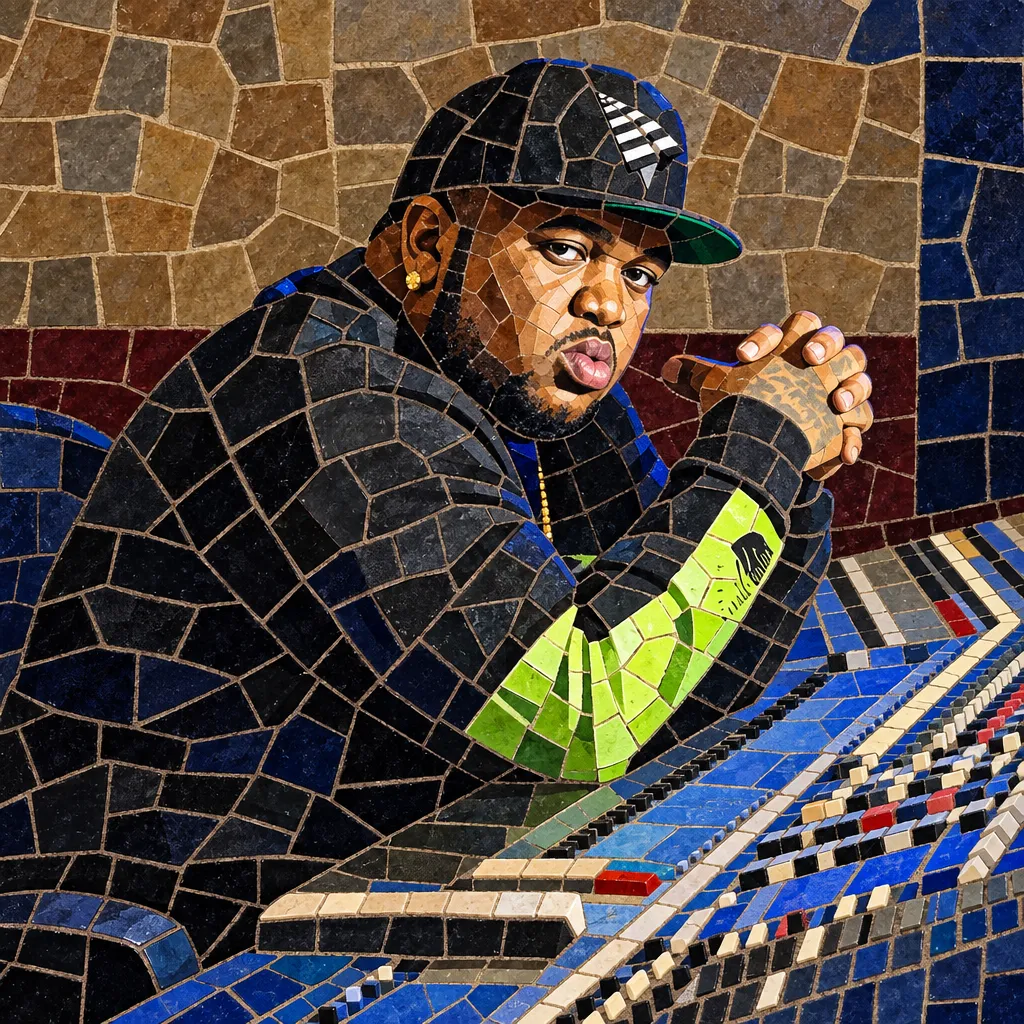
Ratchet music is a minimalist, club-focused strain of West Coast hip hop that coalesced in the early 2010s, most closely associated with Los Angeles producer DJ Mustard. It emphasizes sparse drum programming built from 808 kicks, handclaps, crisp hi‑hats, and simple percussive fills; bouncy tempos around 95–105 BPM; short, catchy synth or piano stabs; and a weighty sub‑bass that leaves ample space for vocals. Culturally and lyrically, it channels “ratchet” party culture and slang—rooted in Louisiana (notably Shreveport’s nickname “Ratchet City”) and amplified by the L.A. party scene—favoring braggadocio, nightlife, flirtation, and chant‑able hooks over dense lyricism. The result is a stripped‑down, hook‑driven sound engineered for dance floors and radio rotation.
Discover
Listen
Classify
Classify is a streaming-era microgenre that blends light classical technique with contemporary pop repertoire, typically presented as unobtrusive instrumental covers. It prioritizes soft dynamics, gentle tempos, and intimate recording to create a calm, elegant backdrop suitable for studying, working, or events. Most arrangements are for solo piano, string quartet, cello/piano duos, or small chamber ensembles. Harmonies remain diatonic and consonant, melodies are clearly voiced, and textures favor arpeggios, ostinati, and sustained legato lines. The overall aesthetic borrows from modern classical and new age moods while retaining the familiarity of pop song forms.
Discover
Listen
Musica Urbana Oaxaquena
Musica urbana oaxaqueña (Oaxacan urban music) is a contemporary, grassroots blend of Latin urban styles—reggaeton, Latin trap, dancehall and hip‑hop—with regional sounds and languages from the state of Oaxaca, Mexico. It often mixes Spanish with Indigenous languages such as Zapotec, Mixtec, Mixe, Mazatec, and Triqui, foregrounding local identity alongside global club aesthetics. Production typically marries dembow or halftime trap drums with timbres and melodic turns inspired by Oaxacan brass band traditions (bandas de viento), chilena costeña (6/8–3/4 hemiola swing), son istmeño motifs, and cumbia keyboards or guitars. Lyrically, it ranges from party and romance to migration, pride, and community narratives tied to fiestas patronales, tequio (communal work), and Oaxacan diasporic life.
Discover
Listen
New Tejano
New Tejano is a contemporary rejuvenation of Texas-Mexican (Tejano) music that blends the genre’s traditional accordion-forward polkas, cumbias, and rancheras with modern pop, R&B, and electronic production. It preserves signature elements—diatonic accordion riffs, bajo sexto strums, two-step and cumbia grooves—while embracing glossy synths, punchy drum programming, pop-leaning hooks, and bilingual storytelling. Compared with classic Tejano, New Tejano tends to favor hook-driven choruses, tighter radio/streaming song lengths, and crossover-friendly arrangements that sit comfortably alongside Latin pop and regional mexicano playlists. The result is music that still feels like a Saturday-night baile—joyful, danceable, and community-rooted—yet updated for the streaming era with contemporary sound design and a new generation of voices.
Discover
Listen
Pop Reggaeton
Pop reggaeton is a mainstream-friendly fusion of reggaeton’s dembow rhythm with pop songwriting, melody, and production polish. It keeps the genre’s signature off‑beat snare pattern and half‑time swing while foregrounding catchy toplines, bright synths, and clean, radio-ready mixes. Tempos typically sit around 85–100 BPM (or 170–200 BPM felt in halftime), with warm 808 subs, syncopated percussion, and hook‑centric choruses. Vocals—often in Spanish or Spanglish—lean toward memorable, romantic, or aspirational themes. Compared with classic reggaeton, pop reggaeton softens timbres, smooths cadences, and uses pop structures (verse–pre‑chorus–chorus–bridge) for broad crossover appeal.
Discover
Listen
Pop Urbaine
Pop urbaine is a French mainstream pop style that blends contemporary R&B, hip hop, Afrobeats, dancehall, zouk, raï, and reggaeton with chart‑friendly songwriting. It emphasizes melodic hooks, mid‑tempo grooves, and sleek vocal production (often with Auto‑Tune) while foregrounding everyday, romantic, and nightlife themes in colloquial French. Rhythmically it favors syncopated Afro‑Caribbean patterns, sparse but bouncy 808 drums, and light guitar or synth plucks, creating a buoyant, danceable feel without the aggressiveness of club music. Vocals typically alternate between sung refrains and rap‑influenced verses, with catchy refrains designed for streaming and social media virality. The genre became a defining sound of French popular culture in the late 2010s, driven by a new generation of Francophone artists with diasporic roots who globalized French pop while keeping its language and local slang at the center.
Discover
Listen
Chilean Trap
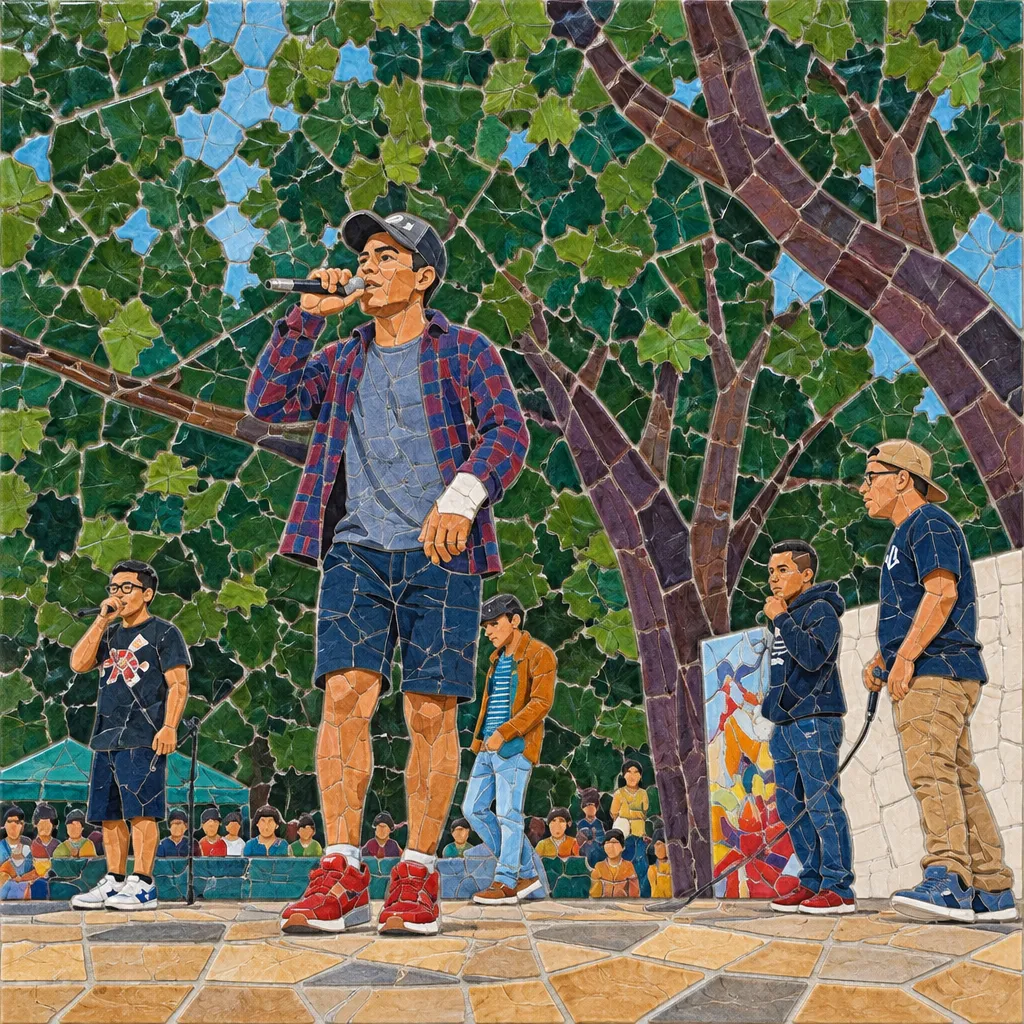
Chilean trap is the Chilean iteration of Spanish-language trap that fuses the dark, half‑time bounce of U.S. trap with reggaeton’s urbano sensibility and local slang, cadences, and storytelling. It is characterized by 808-heavy, minor-key instrumentals, rapid hi-hat programming, and Auto-Tuned melodies that alternate with gritty rap verses. Lyrically, it moves between street realism and late-night romance, often coded with chilenismos and references to Santiago’s barrios. While rooted in trap, the scene frequently cross-pollinates with dembow/reggaeton rhythms, R&B-inflected hooks, and occasional drill-esque textures, creating a flexible urbano palette that spans club anthems and moody, introspective cuts.
Discover
Listen
Lo Star
Lo star is a streaming-era umbrella tag used to group under-the-radar, low-profile artists who sit on the fringes of indie, alternative, DIY pop, and related scenes. Rather than denoting a single, tightly defined musical vocabulary, it marks a discovery space of self-produced or small-label projects with modest audiences, genre-fluid aesthetics, and a distinctly DIY approach to recording and release. Expect intimate vocals, inexpensive or home-studio production, hybrid acoustic/electronic textures, and songwriting that favors personal storytelling and immediacy over polish. Because it functions as a curatorial category for emerging or niche acts, the sonic palette spans indie rock and folk-pop to bedroom pop and lo-fi electronic, unified by scale, ethos, and distribution more than by strict musical rules.
Discover
Listen
Neoperreo
Neoperreo is a 2010s, internet-native reboot of reggaeton’s perreo culture, spearheaded by a DIY, club-oriented scene that embraces queer, feminist, and body-positive values. It keeps the genre’s dembow backbone while pushing sound design into heavier 808s, crisp digital percussion, and glossy autotuned vocals. Aesthetically, it borrows from global/experimental club currents, moombahton’s mid-tempo thump, and hyperpop’s online sensibility, yielding tracks that are minimal yet hard-hitting, hooky but adventurous. Neoperreo thrives in parties, YouTube/SoundCloud ecosystems, and pop-up scenes across Latin America, Spain, and the diaspora—designed first and foremost for the dancefloor and for perreo.
Discover
Listen
Azontobeats
Azontobeats is a high-energy Ghanaian club sound built to power the Azonto dance craze of the early 2010s. It blends the melodic sensibility of highlife and the rap-forward urgency of hiplife with contemporary Afrobeats pop gloss, dancehall swagger, and UK club rhythms. Typically sitting around 118–128 BPM, the style features punchy, dance-focused drum programming, bright synth hooks, and recurring call-and-response chants in Ghanaian languages (especially Twi and Ga) and Ghanaian Pidgin English. Percussion draws on kpanlogo-inspired bell and drum patterns, while arrangements prioritize catchy toplines and hooky, instruction-style lyrics that cue dance moves. More than just a beat, Azontobeats became a cultural wave that helped push Ghana’s sound onto global dance floors, laying a pathway for later diasporic Afrobeats and UK Afroswing crossovers.
Discover
Listen
Shatta
Shatta is a raw, high-energy French Caribbean take on dancehall that crystallized in the 2010s within the Guadeloupe–Martinique scene. It is powered by hard-hitting dembow-derived grooves, booming 808 sub-bass, clipped snares, and sirens/airhorns designed for clubs and car sound systems. Vocals—often in Antillean Creole and French—favor short, repetitive hooks, call-and-response chants, and provocative, party-focused or streetwise themes. Stylistically, Shatta blends Jamaican dancehall attitude with local French Antillean aesthetics (and some bouyon drive), plus trap-era sound design. The result is an aggressive, minimal, dancefloor-first sound that’s immediately “bashment” in feel yet distinct to the FWI (French West Indies).
Discover
Listen
Trapfunk
Trapfunk is a Brazilian hybrid that fuses the drum programming, 808 bass, and hi‑hat articulations of trap with the syncopated tamborzão grooves, vocal cadences, and party‑ready attitude of funk carioca (baile funk). Tracks typically balance sparse, hard‑hitting trap frameworks with driving Brazilian funk percussion at 130–150 BPM, sliding 808s, and vocal deliveries that alternate between melodic hooks and rapid-fire chants. Lyrically, it draws on the street storytelling, ostentation, and party culture of the baile while adopting the darker textures and sound design of contemporary trap. The result is a club-optimized, bass-forward style that feels equally at home in the baile, on streaming playlists, and across social platforms, linking Brazil’s local funk scenes to global trap aesthetics.
Discover
Listen
Trap
Trap is a subgenre of hip hop that emerged from the Southern United States, defined by half-time grooves, ominous minor-key melodies, and the heavy use of 808 sub-bass. The style is characterized by rapid, syncopated hi-hat rolls, crisp rimshot/clap on the backbeat, and cinematic textures that convey tension and grit. Lyrically, it centers on street economies, survival, ambition, and introspection, with ad-libs used as percussive punctuation. Production is typically minimal but hard-hitting: layered 808s, sparse piano or bell motifs, dark pads, and occasional orchestral or choir samples. Vocals range from gravelly, staccato deliveries to melodic, Auto-Tuned flows, often using triplet cadences.
Discover
Listen
Reggaeton
Reggaeton is a contemporary urban dance music that blends the dembow rhythm of Jamaican dancehall with hip hop’s MC culture and Caribbean–Latin melodic sensibilities. Its hallmark is the propulsive, syncopated “dembow” drum pattern, typically around 85–100 BPM (often felt in half-time), which powers energetic verses and catchy, sung hooks. Lyrically, reggaeton is most often in Spanish or Spanglish and centers on dance, nightlife, flirtation, romance, and street life, with a performance style that alternates between rapped bars and melodic chorus lines. Production emphasizes tight, punchy drums, rolling 808 sub-bass, percussive plucks or stabs, and bright, hook-forward toplines—crafted for the club and tailored for crowd participation and perreo.
Discover
Listen
Urbano Latino
Urbano latino is an umbrella term for contemporary Spanish‑language urban music that fuses reggaeton, Latin trap, hip hop, R&B, and Caribbean dancehall/dembow aesthetics. It prioritizes rhythm-heavy production built from the dembow pattern, booming 808s, syncopated hi‑hats, and sleek synth textures, often paired with melodic hooks, Auto‑Tuned vocals, and call‑and‑response choruses. While rooted in Puerto Rican and Panamanian innovations of the 1990s, the genre became a global pop force in the 2000s and 2010s, driven by streaming platforms and cross‑border collaborations. Lyrical themes typically center on romance, nightlife, swagger, empowerment, and street perspective, frequently delivered in Spanish or Spanglish. The result is a dance‑forward, hook‑rich style that comfortably crosses between club, radio, and festival stages.
Discover
Listen
Latin
Latin (as a genre label) is a broad umbrella used by the recording industry to categorize popular music rooted in Latin America, the Caribbean, and the Iberian world, often characterized by syncopated Afro-diasporic rhythms, dance-forward grooves, and lyrics primarily in Spanish or Portuguese. As a marketplace category that took shape in the mid-20th century United States, it gathers diverse traditions—Afro-Cuban, Brazilian, Mexican, and Caribbean styles—into a shared space. In practice, "Latin" spans everything from big-band mambo and bolero ballads to contemporary pop, rock, hip hop, and dance fusions produced by artists of Latin American heritage.
Discover
Listen
Show all 24 genres
Similar artists
5
/5
Bad Bunny
Latin
Reggaeton
Trap Latino
5
/5
KAROL G
Reggaeton
Latin
Trap Latino
5
/5
Anuel AA
Reggaeton
Trap Latino
Latin
5
/5
Ozuna
Reggaeton
Latin
Trap Boricua
5
/5
Rauw Alejandro
Reggaeton
Trap Latino
Latin
5
/5
Feid
Colombian Pop
Reggaeton
Pop Reggaeton
5
/5
Myke Towers
Reggaeton
Trap Latino
Trap Boricua
5
/5
Maluma
Latin
Reggaeton
Urbano Latino
5
/5
Arcángel
Reggaeton
Trap Latino
Urbano Latino
5
/5
Blessd
Trap Boricua
Dembow Belico
Electro Corridos
Download our mobile app
Get the Melodigging app and start digging for new genres on the go
Download on the App Store
Get it on Google Play
© 2026 Melodigging
Give feedback
Legal
Melodding was created as a tribute to
Every Noise at Once
, which inspired us to help curious minds keep digging into music's ever-evolving genres.