Genres
Artists
Albums
Make Music
Sign in
Sign in
Artists
Classical
Artists
Classical
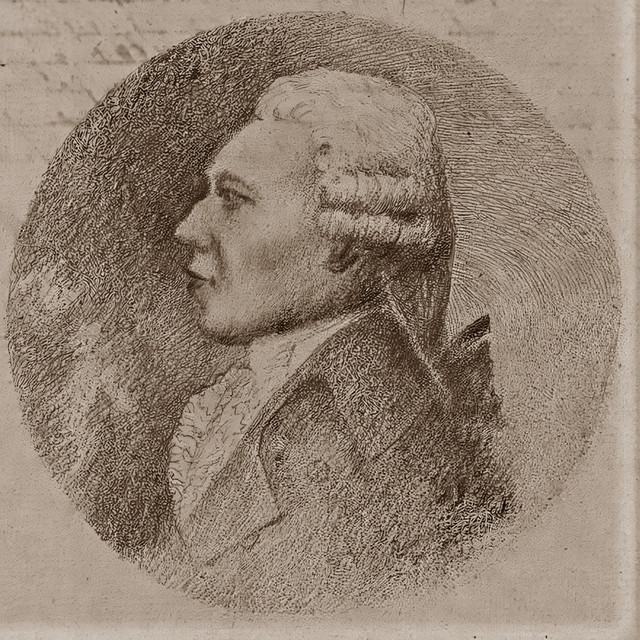
Carl Stamitz
1993–2023
·
2 albums
Listen
2
/5
Genres
Galante Music
Galante music (style galant) was a light, elegant, and fashionable musical style that flourished in upper‑class European society roughly between the 1720s and 1770s. It reacted against the dense counterpoint and rhetorical gravitas of late Baroque music by favoring clear, melody‑led textures, regular phrase structures (often 2+2 or 4+4 antecedent–consequent), graceful ornamentation, and straightforward tonal harmony with strong cadential punctuation. Accompaniments commonly feature simple patterns (e.g., broken chords, Alberti‑like figuration) over a light continuo or early keyboard style. The overall effect is charming, conversational, and poised rather than monumental. Historically and stylistically, the galant idiom provided a crucial bridge toward the empfindsamer Stil (sensitive style) and the broader pre‑classical and early Classical aesthetics, helping prepare the ground for Classical forms such as the symphony, string quartet, and sonata.
Discover
Listen
Concerto
A concerto is a large-scale composition that sets one or more solo instruments in dynamic dialogue with an orchestra. Its core idea is contrast—between soloist and tutti—and the dramatic negotiation of power, color, and thematic responsibility. While Baroque concertos often relied on ritornello form, the Classical era standardized a three-movement plan (fast–slow–fast) with sonata principles in the opening movement. The Romantic period emphasized virtuosity and expressive foregrounding of the soloist, and the 20th–21st centuries broadened the palette with new instruments, harmonies, and formats. Across eras, the concerto remains a showcase for instrumental character, technical brilliance, and the art of orchestral conversation.
Discover
Listen
Classical
Classical music is the notated art-music tradition of Europe and its global descendants, characterized by durable forms, carefully codified harmony and counterpoint, and a literate score-based practice. The term “classical” can refer broadly to the entire Western art-music lineage from the Medieval era to today, not just the Classical period (c. 1750s–1820s). It privileges long-form structures (such as symphonies, sonatas, concertos, masses, and operas), functional or modal harmony, thematic development, and timbral nuance across ensembles ranging from solo instruments to full orchestras and choirs. Across centuries, the style evolved from chant and modal polyphony to tonal harmony, and later to post-tonal idioms, while maintaining a shared emphasis on written notation, performance practice, and craft.
Discover
Listen
Albums
2023
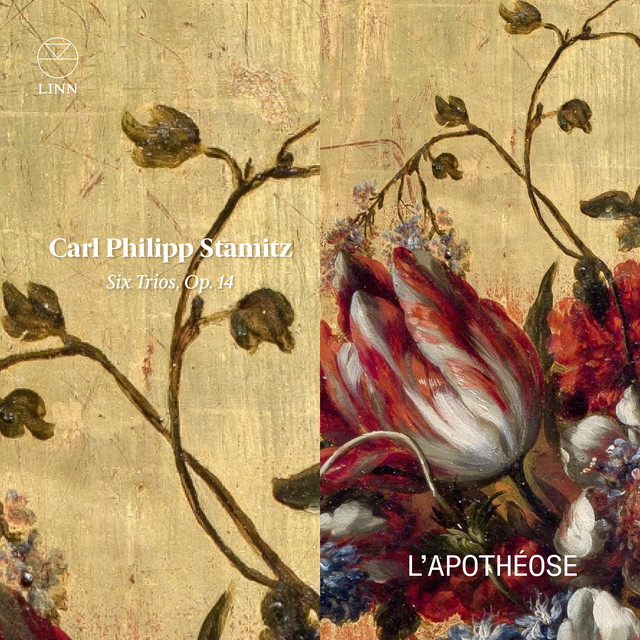
Stamitz: Six Trios, Op. 14
Carl Stamitz, L'Apothéose
Galante Music
1993
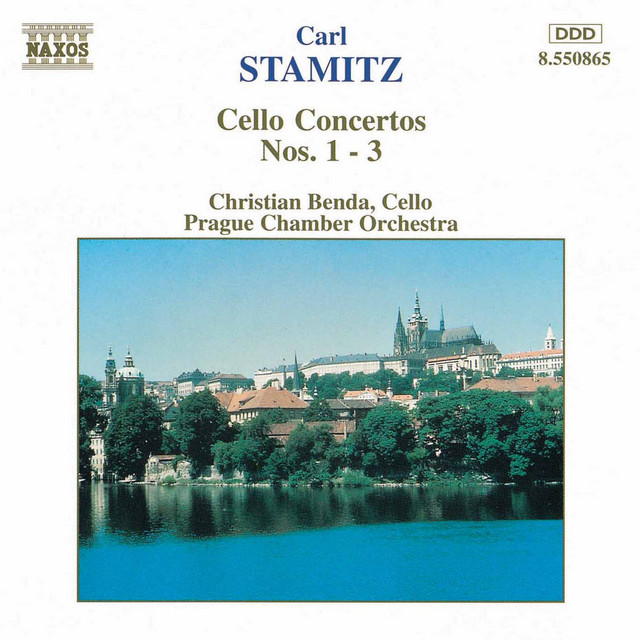
Stamitz: Cello Concertos Nos. 1-3
Carl Stamitz, Christian Benda, Prague Chamber Orchestra
Galante Music
Similar artists
Hide discovered
3
/5
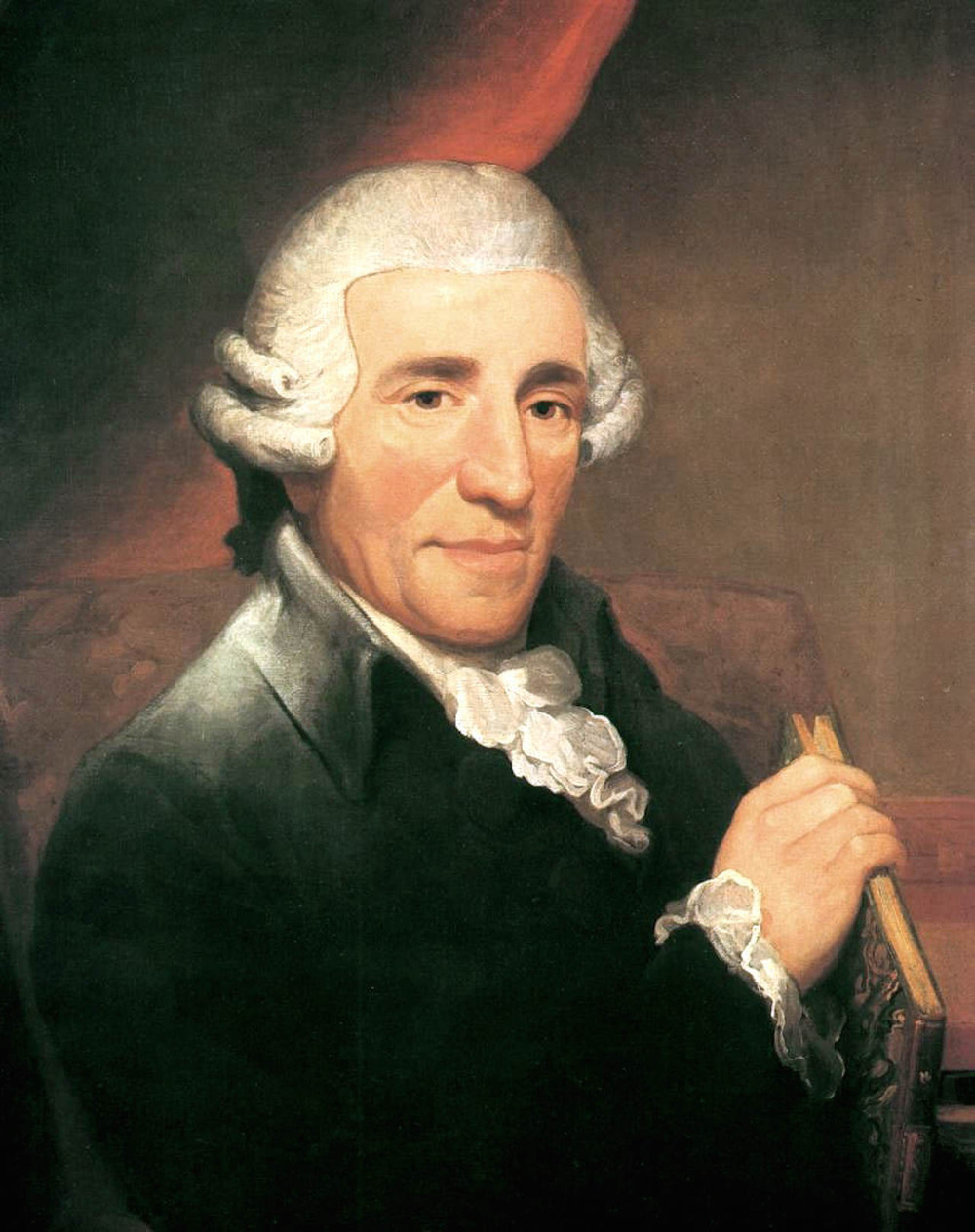
Joseph Haydn
Classical
Classical Period
Classical Piano Trio
4
/5
Wolfgang Amadeus Mozart
Classical
Requiem
Classical Period
3
/5
Freiburger Barockorchester
Classical
Baroque
Concerto
3
/5
Jean-Guihen Queyras
Chamber Music
Classical
Concerto
3
/5
Petra Mullejans
Baroque
Classical
Concerto
2
/5
Berliner Barock Solisten
Baroque
Classical
Concerto
4
/5
Johann Sebastian Bach
Baroque
Classical
Baroque Suite
4
/5
London Symphony Orchestra
Classical
Ballet
American Classical Piano
4
/5
Berliner Philharmoniker
Classical
Symphony
Romantic Classical
4
/5
Frédéric Chopin
Classical
Character Piece
Nocturne
Download our mobile app
Get the Melodigging app and start digging for new genres on the go
Download on the App Store
Get it on Google Play
© 2026 Melodigging
Give feedback
About & FAQ
Legal
Melodding was created as a tribute to
Every Noise at Once
, which inspired us to help curious minds keep digging into music's ever-evolving genres.