Genres
Artists
Albums
Make Music
Sign in
Sign in
Artists
Noise Rock
Artists
Noise Rock
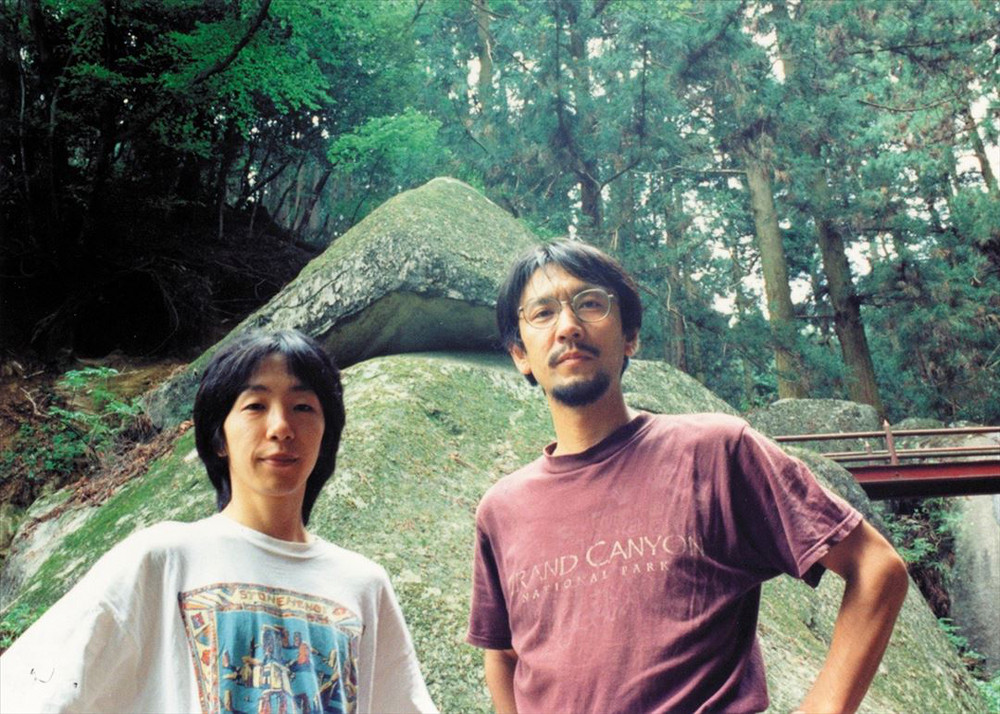
Boredoms
4 albums
Listen
1
/5
Genres
Noise Rock
Noise rock is a subgenre of rock that deliberately embraces distortion, feedback, dissonance, and abrasive textures as primary musical materials rather than mere effects. It prioritizes timbre, volume, and sonic density over conventional melody and harmony, often using nonstandard tunings, prepared or detuned guitars, and extended techniques to generate harsh overtones and sheets of sound. Rhythm sections tend to be driving and repetitive, anchoring the chaos with motorik pulses, lurching grooves, or pummeling, minimal patterns. Vocals range from spoken and murmured to shouted and cathartic, with lyrics that skew cryptic, confrontational, or surreal. Aesthetically, noise rock traces a line from punk’s anti-virtuosity and DIY ethos through no wave’s iconoclasm and the avant-garde’s interest in sound-as-sound, yielding music that can be physically intense, psychologically unsettling, and artistically exploratory.
Discover
Listen
Noise
Noise is an experimental music genre that uses non-traditional sound sources, distortion, feedback, and extreme dynamics as primary musical materials. Instead of emphasizing melody, harmony, or conventional rhythm, it focuses on texture, density, timbre, and the physical presence of sound. Practitioners sculpt saturated walls of sound, piercing feedback, metallic clatter, contact-mic scrapes, tape hiss, and electronic interference into works that can be confrontational or meditative. Performances often highlight process and immediacy—improvisation, body movement, and site-specific acoustics—while recordings can range from lo-fi cassette overload to meticulously layered studio constructions. Though rooted in early avant-garde ideas, the genre coalesced as a distinct practice in the late 1970s and 1980s, especially through Japan’s ‘Japanoise’ scene, and subsequently influenced numerous styles across industrial, punk-adjacent, and experimental electronic music.
Discover
Listen
Neo-Psychedelia
Neo-psychedelia is a late-20th-century revival and reinvention of 1960s psychedelic music aesthetics, filtered through post-punk, indie, and experimental sensibilities. It emphasizes hypnotic textures, droning guitars, heavy use of effects (reverb, delay, phasing), analogue organs/synths, and dreamlike or surreal lyricism. Rhythms may draw from motorik and other steady, trance-inducing grooves, while harmony often favors modal colors and repetitive vamps. The style ranges from jangly, melodic songs to dense, feedback-laden soundscapes, and has been highly influential on dream pop, shoegaze, Britpop-adjacent scenes, and modern psych rock.
Discover
Listen
Drone
Drone is a minimalist music genre defined by sustained tones, long durations, and extremely gradual change. Harmony is often static or centered on a single fundamental with subtle overtone shifts, while rhythm tends toward stasis or very slow pulses. Sound sources range from acoustic instruments (e.g., strings, organ, bagpipes, shruti box, tambura) to electronics (sine waves, oscillators, feedback, tape loops, and later digital synthesis and processing). Many composers favor just intonation or other alternative tuning systems to emphasize beating patterns, psychoacoustic effects, and the internal life of sound. Although drone as a sonic principle is ancient and global, the modern experimental genre cohered in the 1960s through the New York minimalists and related avant‑garde circles, then spread into ambient, experimental, and heavy music scenes. The focus is less on melody and more on timbre, resonance, and the phenomenology of listening.
Discover
Listen
Experimental Rock
Experimental rock is a broad, exploratory branch of rock music that prioritizes innovation over convention. It stretches rock’s core instrumentation and song forms through unusual timbres, extended techniques, nonstandard tunings, chance procedures, and studio-as-instrument production. Drawing on avant-garde composition, free jazz, minimalism, and electronic/tape music, experimental rock often rejects verse–chorus structures in favor of drones, suites, collage, and improvisation. It embraces dissonance and noise as expressive tools, employs odd or fluid meters, and incorporates non-rock instruments, found sounds, and unconventional recording methods. The result is a lineage of music that treats rock not as a fixed style but as a laboratory for new sound worlds.
Discover
Listen
Avant-Garde
Avant-garde music is an umbrella term for boundary-pushing practices that challenge prevailing norms of harmony, rhythm, timbre, form, and performance. It privileges experimentation, conceptual rigor, and a willingness to reframe what counts as music at all. Historically tied to early 20th‑century artistic modernism, avant-garde music introduced atonality, the emancipation of noise, and new forms of notation and process. It embraces indeterminacy, extended techniques, electronics, spatialization, and multimedia performance, treating sound as material to be sculpted, questioned, and reinvented.
Discover
Listen
Albums
Super æ
Boredoms
Noise Rock
Seadrum / House of Sun
Boredoms
Drone
Vision Creation Newsun
Boredoms
Neo-Psychedelia
Vision Creation Newsun
Boredoms
Experimental Rock
Similar artists
1
/5
Ruins
Brutal Prog
Math Rock
Noise Rock
3
/5
Swans
Experimental Rock
Post-Rock
No Wave
3
/5
Boris
Gaian Doom
Drone
Drone Metal
2
/5
Merzbow
Japanoise
Noise
Electronic
2
/5
Prurient
Industrial
Noise
Fort Thunder Scene
2
/5
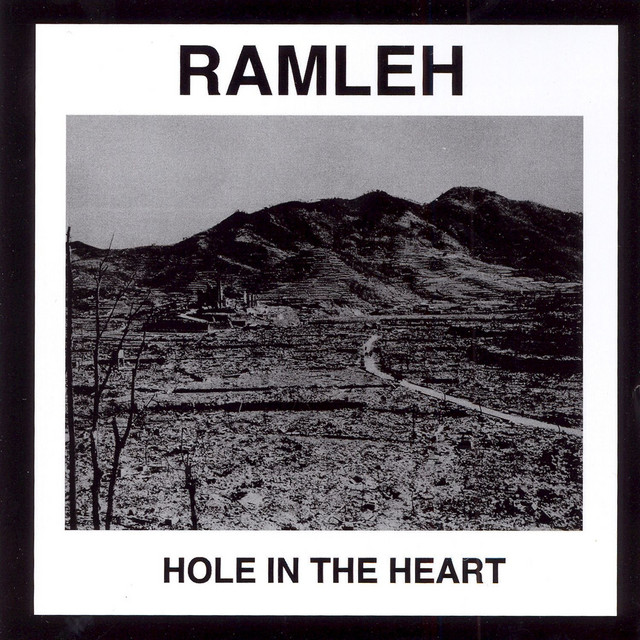
Ramleh
Experimental
Industrial
Noise
1
/5
Keiji Haino
Japanoise
Noise
Avant-Garde
1
/5
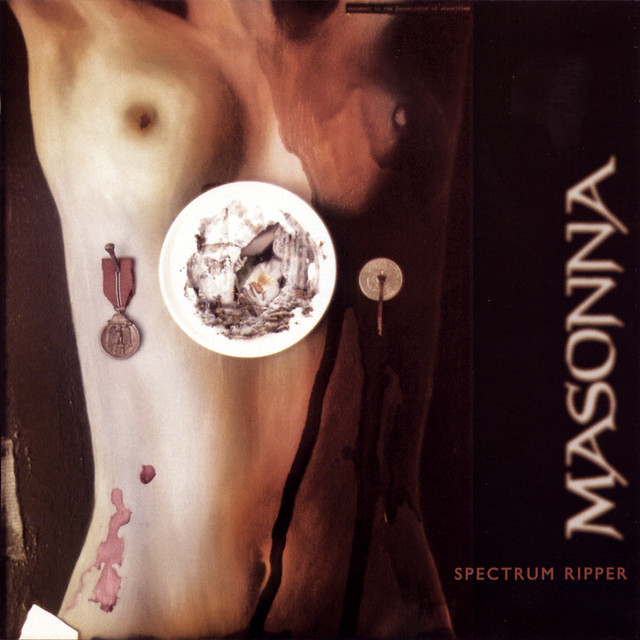
Masonna
Noise
Japanoise
Harsh Noise
1
/5
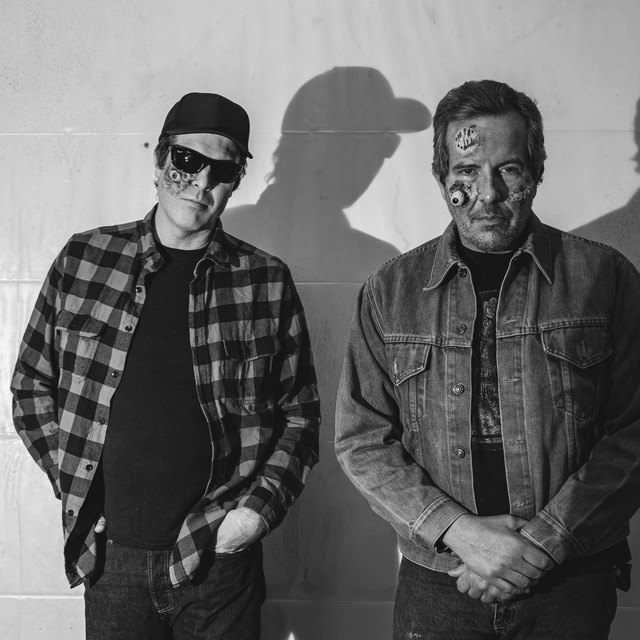
Wolf Eyes
Avant-Garde
Drone
Experimental
1
/5
Daniel Menche
Avant-Garde
Dark Ambient
Drone
Download our mobile app
Get the Melodigging app and start digging for new genres on the go
Download on the App Store
Get it on Google Play
© 2026 Melodigging
Give feedback
Legal
Melodding was created as a tribute to
Every Noise at Once
, which inspired us to help curious minds keep digging into music's ever-evolving genres.