Genres
Artists
Albums
Make Music
Sign in
Sign in
Artists
Brazilian Trap
Artists
Brazilian Trap
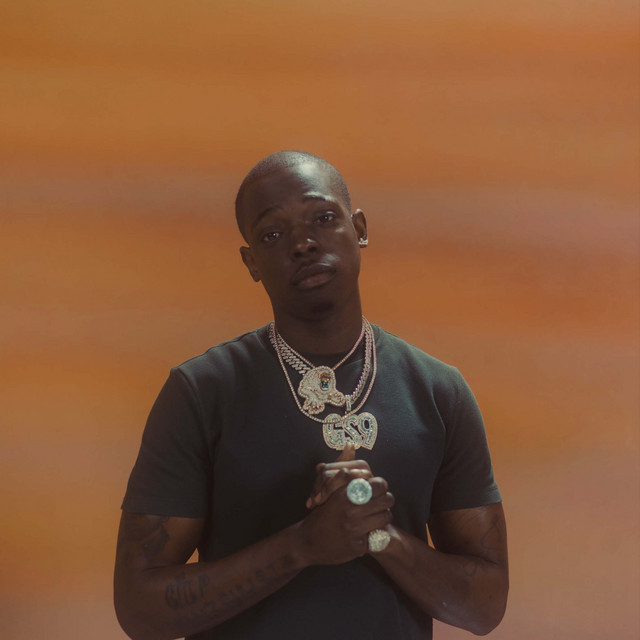
Bobby Shmurda
2014
·
1 album
Listen
3
/5
Genres
Bronx Drill
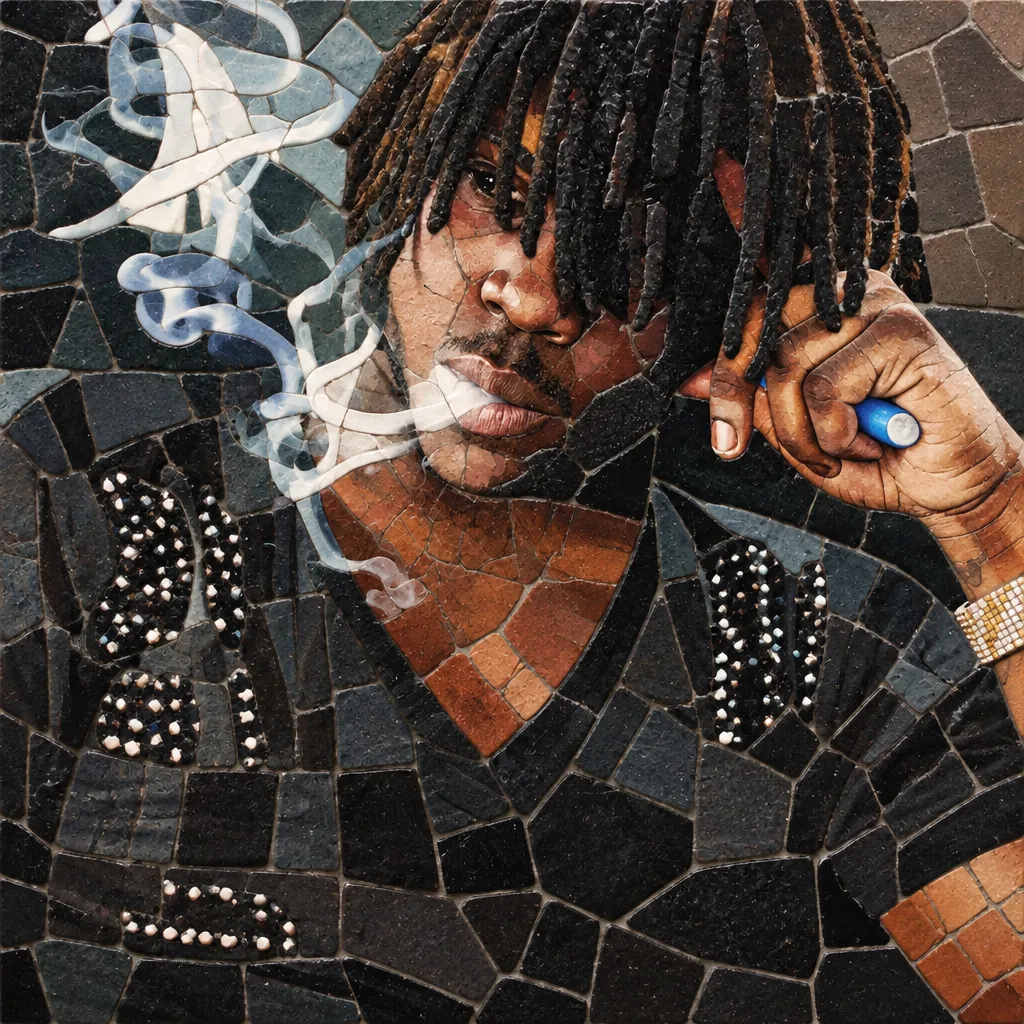
Bronx drill is a borough-specific strain of New York drill that surged in the early 2020s, centered in the Bronx, United States. It keeps the hard-edged, street-reportage DNA of drill but pushes the energy into rowdy, chant-heavy hooks, rapid-fire ad‑libs, and tightly packed verses that often feature back‑and‑forth exchanges between crew members. A hallmark of Bronx drill is the widespread use of "sample drill" production: recognizable pop, R&B, or early‑2000s hits are pitched up, sped up, and chopped over sliding 808s, skittering hi‑hats, and the syncopated snare placements typical of drill. The result is a striking contrast—bright, nostalgic samples sitting on top of brooding low end and aggressive delivery—creating a sound that is both catchy for virality and uncompromising in attitude.
Discover
Listen
Brazilian Trap
Brazilian trap (trap brasileiro) is the Brazilian adaptation of the Atlanta-born trap sound, performed primarily in Portuguese and colored by local rhythms, slang, and aesthetics. It features 808-heavy beats, half-time grooves, rapid hi-hat rolls, and melodic, Auto-Tuned vocals, while often folding in the swing and percussive feel of funk carioca. Lyrics commonly move between street realities, internet-native lifestyle, fashion, and aspirational luxury, with strong regional accents and Brazilian vernacular giving it a distinct identity from US trap.
Discover
Listen
Cinematic Dubstep
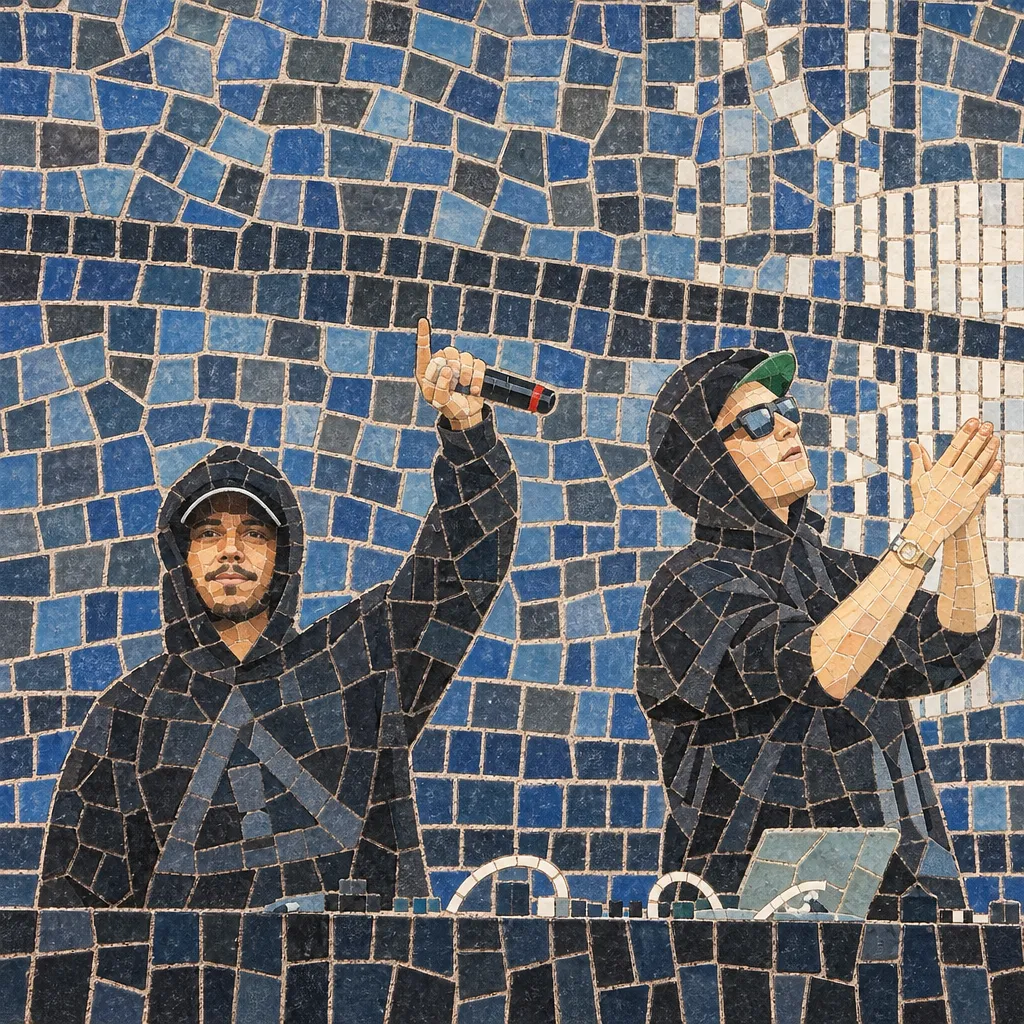
Cinematic dubstep is a hybrid of dubstep’s half‑time bass music and the sweep of film score writing. It layers colossal, trailer‑style sound design (impacts, risers, braaams) over orchestral textures—strings, brass, choirs, and big percussion—then delivers 140 BPM drops with growling basses and wide, atmospheric pads. Compared to standard brostep, it leans more narrative and emotive: introductions unfold like a cue from a movie, builds feel like a trailer climax, and breakdowns often return to piano, strings, or ambient soundscapes before a final, ‘act‑three’ drop. The result is music equally at home in esports intros, game/trailer sync, and festival stages.
Discover
Listen
Modern Downshift
Modern downshift is a contemporary, playlist-era microgenre that blends hushed alternative pop and alt‑R&B sensibilities with the spaciousness of downtempo and ambient pop. Songs are typically slow to mid‑tempo, minimal in arrangement, and intimate in vocal delivery—often breathy, close‑miked, and confessional. Production emphasizes warmth and negative space: soft sub‑bass, restrained percussion, reverb‑washed pads or guitars, and gentle saturation that keeps the overall texture velvety and nocturnal. Lyrically, the style skews introspective and late‑night: relationships, vulnerability, quiet self‑reflection, and the emotional afterglow of parties or city drives. The result is music that feels low‑key and cinematic—designed as much for solitary listening as for low‑light social settings.
Discover
Listen
Pop Urbaine
Pop urbaine is a French mainstream pop style that blends contemporary R&B, hip hop, Afrobeats, dancehall, zouk, raï, and reggaeton with chart‑friendly songwriting. It emphasizes melodic hooks, mid‑tempo grooves, and sleek vocal production (often with Auto‑Tune) while foregrounding everyday, romantic, and nightlife themes in colloquial French. Rhythmically it favors syncopated Afro‑Caribbean patterns, sparse but bouncy 808 drums, and light guitar or synth plucks, creating a buoyant, danceable feel without the aggressiveness of club music. Vocals typically alternate between sung refrains and rap‑influenced verses, with catchy refrains designed for streaming and social media virality. The genre became a defining sound of French popular culture in the late 2010s, driven by a new generation of Francophone artists with diasporic roots who globalized French pop while keeping its language and local slang at the center.
Discover
Listen
Drill
Drill is a subgenre of hip hop that emerged on Chicago’s South Side in the early 2010s. It is defined by stark, menacing production; booming 808 sub‑bass with frequent pitch slides; skittering hi‑hats; and sparse, minor‑key melodies built from pianos, synth pads, strings, bells, or eerie soundscapes. Vocals are typically deadpan or urgent, with ad‑libs punctuating lines. Lyrically, drill foregrounds raw street reportage—survival, trauma, crews, and contested territory—often delivered with bleak realism. Tempos in original Chicago drill tend to sit around 60–75 BPM (often felt in double‑time), while later UK and New York scenes adopt 130–145 BPM grids with off‑kilter snare placement and distinctive sliding 808 patterns. The overall aesthetic prioritizes weighty low end, rhythmic tension, and an uncompromising mood.
Discover
Listen
New York Drill
New York drill is a regional evolution of drill rap that fuses the cold, sliding-808 aesthetic and syncopated drum programming of UK drill with the cadence, slang, and swagger of New York street rap. Its sound is defined by menacing minor-key melodies, heavy sub-bass glides, tightly chopped vocal ad-libs, and aggressive, staccato flows. Lyrically it is confrontational and direct, often centering on neighborhood rivalries, status, and survival, while also spawning signature dances and crowd-call moments that translate to clubs and social media virality. The style first coalesced in Brooklyn in the late 2010s and quickly spread to the Bronx, where a faster, sample-driven “club” twist accelerated the scene’s crossover to mainstream audiences.
Discover
Listen
Ratchet Music
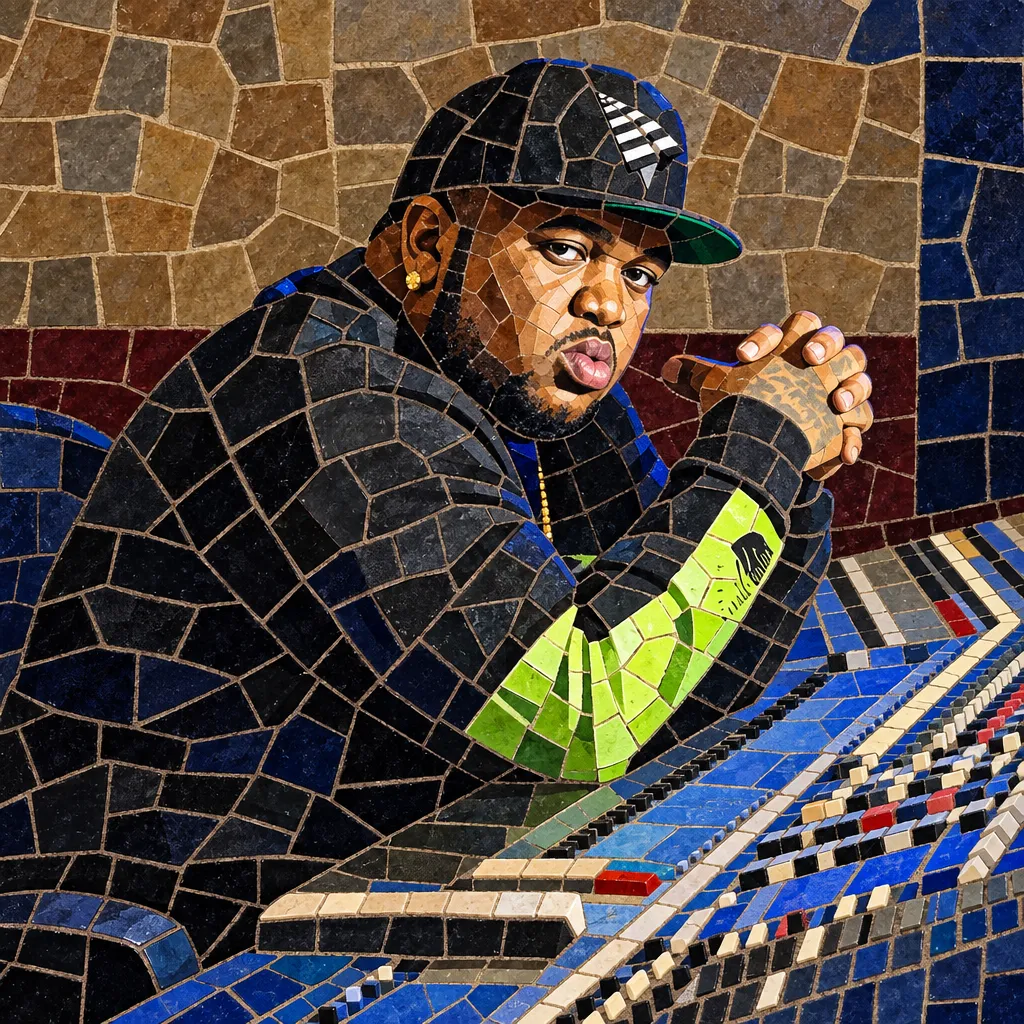
Ratchet music is a minimalist, club-focused strain of West Coast hip hop that coalesced in the early 2010s, most closely associated with Los Angeles producer DJ Mustard. It emphasizes sparse drum programming built from 808 kicks, handclaps, crisp hi‑hats, and simple percussive fills; bouncy tempos around 95–105 BPM; short, catchy synth or piano stabs; and a weighty sub‑bass that leaves ample space for vocals. Culturally and lyrically, it channels “ratchet” party culture and slang—rooted in Louisiana (notably Shreveport’s nickname “Ratchet City”) and amplified by the L.A. party scene—favoring braggadocio, nightlife, flirtation, and chant‑able hooks over dense lyricism. The result is a stripped‑down, hook‑driven sound engineered for dance floors and radio rotation.
Discover
Listen
The Wave
The Wave is a loosely defined cluster of American post-hardcore/emo bands that surged in the early 2010s as emo-pop’s mainstream moment faded. The name was a tongue‑in‑cheek scene tag that stuck in press coverage, but it points to a real overlap in sound, ethos, and touring networks. Musically, The Wave fuses the urgency of 1990s post‑hardcore and screamo with confessional, literate lyric writing associated with emo. Expect shouted or half‑sung/half‑spoken vocals, dynamic quiet‑loud builds, intricate but driving drums, and guitar textures that shift between glassy clean arpeggios and overdriven, emotive climaxes. The songs often emphasize catharsis, narrative detail, and community-minded DIY presentation.
Discover
Listen
Trap Boricua
Trap boricua is the Puerto Rican strain of Latin trap: a Spanish-language take on Southern U.S. trap aesthetics fused with the island’s reggaetón DNA and hip‑hop tradition. It is characterized by halftime 4/4 grooves (typically 65–75 BPM, or 130–150 BPM counted double‑time), heavy 808 sub-bass with slides, skittering 1/16 hi‑hats and triplet rolls, crisp claps/snares on the halftime backbeat, and atmospheric pads or minor‑key synth motifs. Vocals often mix melodic Auto‑Tuned hooks with gritty rap verses, switching between rapid‑fire syllables and laid‑back flows. Lyrically, artists blend barrio storytelling, bravado (fronteo), luxury and street codes with Puerto Rican slang, while also opening space for romance, introspection, and social commentary. The sound frequently hybrids with reggaetón (dembow cadences), R&B, and drill, making it both club‑ready and mood‑driven.
Discover
Listen
South Florida Soundcloud Rap
South Florida SoundCloud rap is a mid‑2010s underground rap movement centered in Miami‑Dade and Broward County that spread via SoundCloud’s frictionless, DIY upload culture. It is characterized by blown‑out 808s, intentionally clipping mixes, short track lengths, and confrontational, shouted vocals that borrow the energy of hardcore punk and metal. Producers favor minimal, abrasive sound design: distorted subs, serrated synth stabs, snappy claps, and frenetic hi‑hat patterns, often delivered at brisk tempos and mastered to the edge for raw impact. Lyrically, songs swing between anarchic provocation, mosh‑pit bravado, and confessional melancholy, with an anti‑establishment, anti‑polish ethos baked into both the music and visuals. The scene coalesced around collectives and friend networks, drop‑and‑delete single culture, and viral breakout moments, turning local Florida bedrooms and garages into export hubs for a new, aggressive strain of internet rap.
Discover
Listen
Trap Pesado
Trap pesado is a Brazilian substyle of trap characterized by hard‑hitting, saturated 808s, clipped kicks, and ominous, minor‑key melodies. It emphasizes density and impact: dark pads or detuned synth leads sit under tight snare rolls and rapid, syncopated hi‑hats, while bass slides and distortion push the low end to the front. Lyrically it leans toward street realism, braggadocio, and nightlife imagery, often reflecting Brazil’s contemporary urban scenes. Compared with more melodic or plug‑influenced variants, trap pesado favors an aggressive, weighty mix and a colder, grittier mood designed for both club sound systems and headphone impact.
Discover
Listen
Bass Trap
Bass trap is a high-energy electronic dance music style that merges trap’s halftime hip-hop drum language with festival-scale sound design. It is defined by hard-hitting 808-style sub-bass, punchy snare/clap patterns, rapid hi-hat figures, and aggressive synth or bass “growls” borrowed from modern bass music. Tracks are typically built for big drops and crowd impact, using tension-heavy builds, sudden silences, and explosive low-end releases.
Discover
Listen
Beats
Beats is a loose, producer-driven category for rhythm-forward instrumentals built around hip‑hop drum patterns without necessarily being rap songs or featuring vocals. It functions as an umbrella for stock, "type," and backing tracks used by rappers, singers, streamers, and content creators, spanning boom‑bap swing to trap hi‑hat grids and R&B‑leaning grooves. On streaming platforms it often appears as standalone instrumentals packaged by tempo, mood, or artist style (e.g., “trap type beat,” “R&B instrumental,” “club beat”), prioritizing portability and utility over artist identity. While rooted in hip‑hop production aesthetics—kicks, snares, 808s, chopped samples—Beats blends downtempo, electronic, and contemporary R&B sensibilities, aiming for clarity, loopability, and immediate vibe.
Discover
Listen
Classify
Classify is a streaming-era microgenre that blends light classical technique with contemporary pop repertoire, typically presented as unobtrusive instrumental covers. It prioritizes soft dynamics, gentle tempos, and intimate recording to create a calm, elegant backdrop suitable for studying, working, or events. Most arrangements are for solo piano, string quartet, cello/piano duos, or small chamber ensembles. Harmonies remain diatonic and consonant, melodies are clearly voiced, and textures favor arpeggios, ostinati, and sustained legato lines. The overall aesthetic borrows from modern classical and new age moods while retaining the familiarity of pop song forms.
Discover
Listen
Melodic Drill
Melodic drill is a substyle of drill rap that blends the dark, sliding 808s and syncopated drum programming of UK and New York drill with tuneful, often Auto‑Tuned hooks and emotive toplines. It typically uses minor‑key piano, guitar, or vocal‑chop loops, and favors spacious, reverb‑washed textures that leave room for singers and sing‑rap flows. While it keeps drill’s street‑reportage and coded slang, its songwriting leans toward catchy choruses, bittersweet melodies, and themes of loss, ambition, and love alongside grit. In clubs and on social media, the style’s hook‑forward writing and accessible harmonies helped it cross from the streets to mainstream pop playlists.
Discover
Listen
Melodic Dubstep
Melodic dubstep is a song-oriented, emotionally expressive branch of dubstep that blends the genre’s half-time drums and sound-design-heavy drops with lush chord progressions, cinematic atmospheres, and vocal-led songwriting. It typically sits around 140 BPM (often written and perceived in half-time), using supersaw stacks, plucky arps, and wide pads drawn from trance and progressive house, while retaining dubstep’s punchy kicks, snare-on-3 backbeat, and bass-focused drops. Compared to aggressive brostep, melodic dubstep prioritizes memorable toplines, warm harmonies, and dramatic builds that culminate in cathartic yet tasteful drops. It often features lyrical themes of longing, hope, and resilience, making it common in vocal collaborations and festival-ready singalongs.
Discover
Listen
Future House
Future house is a mid‑2010s strain of house music known for rubbery, plucked bass leads, clean and punchy drums, and streamlined, drop‑focused arrangements. It bridges the groove and warmth of deep/UK house with the sheen and impact of big‑room/electro‑house, often featuring metallic or organ‑like bass timbres that “speak” melodically. Typical tracks sit around 124–128 BPM, use tight sidechain compression for a pumping feel, and contrast sparse, atmospheric breakdowns with hooky, syncopated bass drops. Vocals, when present, are concise—often chopped or pitched—and the sound design emphasizes clarity, swing, and a modern, club‑ready polish.
Discover
Listen
Trap Dancehall
Trap dancehall is a hybrid style that merges midtempo dancehall grooves with trap-derived drum programming. It typically keeps dancehall’s syncopated “dembow”-adjacent swing and emphasis on the offbeat, while adding trap’s crisp 808 kicks, rolling or stuttering hi-hats, snare/ clap placements, and darker, minimal synth or bass textures. The result is club-focused and bouncy but often heavier and more percussive than traditional dancehall, with vocal delivery ranging from Jamaican patois deejaying/singing to rap-influenced flows and melodic hooks.
Discover
Listen
Trap
Trap is a subgenre of hip hop that emerged from the Southern United States, defined by half-time grooves, ominous minor-key melodies, and the heavy use of 808 sub-bass. The style is characterized by rapid, syncopated hi-hat rolls, crisp rimshot/clap on the backbeat, and cinematic textures that convey tension and grit. Lyrically, it centers on street economies, survival, ambition, and introspection, with ad-libs used as percussive punctuation. Production is typically minimal but hard-hitting: layered 808s, sparse piano or bell motifs, dark pads, and occasional orchestral or choir samples. Vocals range from gravelly, staccato deliveries to melodic, Auto-Tuned flows, often using triplet cadences.
Discover
Listen
East Coast Hip Hop
East Coast hip hop is a regional style of hip hop that emerged in New York City and the surrounding Northeastern United States. It is characterized by complex lyricism, dense rhyme schemes, gritty urban storytelling, and sample-heavy production that draws from funk, soul, and jazz records. Rhythmically, the sound is often associated with "boom-bap" drum patterns—hard-hitting kicks and crisp snares at moderate tempos—alongside chopped breakbeats, basslines, and DJ techniques such as scratching. The approach places the MC’s voice, cadence, and wordplay at the center, while the producer crafts a textured, crate-dug backdrop. Culturally, East Coast hip hop foregrounds authenticity, social commentary, and competitive MCing, while its crews and collectives (from Juice Crew to Native Tongues and Wu-Tang Clan) helped define hip hop’s golden age and set standards for lyrical excellence and sample-based beatmaking.
Discover
Listen
Hip Hop
Hip hop is a cultural and musical movement that emerged from Black, Latino, and Caribbean communities, centering around rapping (MCing), DJing/turntablism, sampling-based production, and rhythmic speech over beats. It prioritizes groove, wordplay, and storytelling, often reflecting the social realities of urban life. Musically, hip hop is built on drum-centric rhythms (from breakbeats to 808 patterns), looped samples, and bass-forward mixes. Lyrically, it ranges from party anthems and braggadocio to political commentary and intricate poetic forms, with flow, cadence, and rhyme density as core expressive tools. Beyond music, hip hop encompasses a broader culture, historically intertwined with graffiti, b-boying/b-girling (breakdance), fashion, and street entrepreneurship, making it both an art form and a global social language.
Discover
Listen
Show all 22 genres
Albums
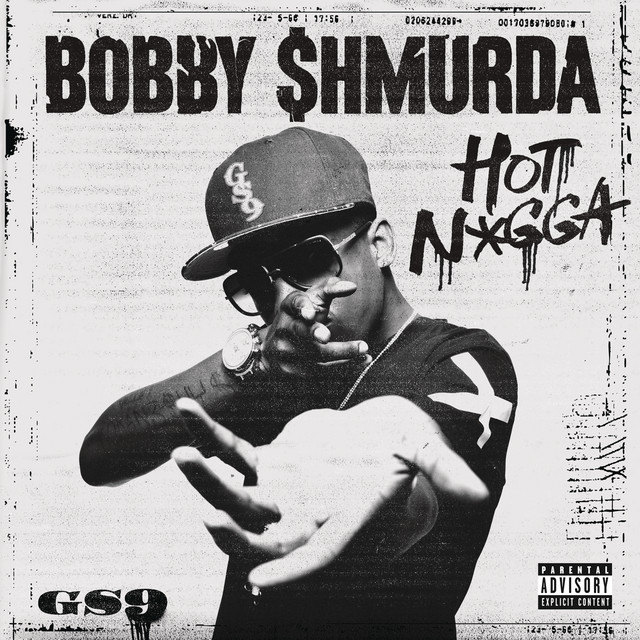
2014
4
/5
Hot N*gga
Bobby Shmurda
Trap
Similar artists
4
/5
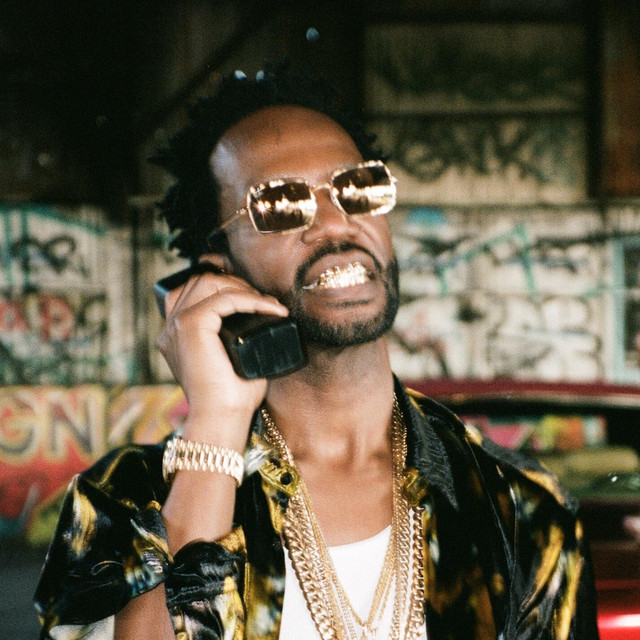
Juicy J
Hip Hop
Crunk
Memphis Rap
4
/5
Ciara
Contemporary R&b
R&b
Brazilian Trap
5
/5
Gunna
Hip Hop
Trap
Atl Hip Hop
5
/5
A$AP Rocky
East Coast Hip Hop
Hip Hop
Cloud Rap
5
/5
Playboi Carti
Plugg
Pluggnb
Hip Hop
5
/5
Kodak Black
Hip Hop
Trap
Melodic Rap
5
/5
Lil Durk
Chicago Drill
Trap
Drill
5
/5
T-Pain
Contemporary R&b
Hip Hop
Pop Rap
5
/5
DJ Snake
Electronic Trap
Dance
Edm
5
/5
Tyga
Hip Hop
Ratchet Music
Futuristic Swag
Download our mobile app
Get the Melodigging app and start digging for new genres on the go
Download on the App Store
Get it on Google Play
© 2026 Melodigging
Give feedback
Legal
Melodding was created as a tribute to
Every Noise at Once
, which inspired us to help curious minds keep digging into music's ever-evolving genres.