Genres
Artists
Albums
Make Music
Sign in
Sign in
Artists
K-Pop
Artists
K-Pop
BoA
2000–2020
·
5 albums
Listen
3
/5
Genres
Asian Rock
Asian Rock (in the contemporary online-rap sense) is a pluggnb-derived microstyle that fuses the dense, bouncy percussion of pluggnb with bright, anime/Asian-rock-tinged melodic cues. Production typically layers airy bells, mallet or synth plucks, and shimmering pads with soaring synthetic guitar leads that nod to Japanese rock and anime-score aesthetics. Vocals lean melodic—half-sung, half-rapped—with light autotune and emotive hooks, riding swung hi-hats, skipping rimshots, and rubbery 808 slides. Rather than a geographic tag, this style labels a sonic palette: internet-native trap built on pluggnb drums and glossy, nostalgic melodies that evoke anime openings and J-rock guitar heroics.
Discover
Listen
Deep Big Room
Deep big room is a hybrid branch of EDM that fuses the stadium-scale drops and arrangement of big‑room house with the warmer timbres, deeper basslines, and more groove‑led sensibilities of deep/progressive house. Instead of the piercing supersaw leads and maximalist claps typical of early‑2010s main‑stage tracks, deep big room favors chunky, sidechained low‑end, percussive toplines, filtered plucks, organ/piano stabs, and longer, moodier breakdowns. The result is music that still “hits” on large systems but reads less abrasive—more rolling, hypnotic, and groove‑centric—while retaining crowd‑moving build/drop architecture.
Discover
Listen
Latin Afrobeats
Latin Afrobeats is a hybrid of West African Afrobeats and Latin urban pop in which Spanish (and sometimes Portuguese) lyrics ride syncopated, polyrhythmic grooves. It marries Afrobeats’ swung shakers, off‑beat hi‑hats, guitar licks, and buoyant bass with dembow and dancehall drum patterns common to reggaeton and Latin pop. The result is a bright, dance‑forward style with catchy toplines, call‑and‑response hooks, and concise song forms tailored to streaming. Production tends to be minimal yet percussive, with Afro‑percussion (shekere, conga/bongo colors), plucked guitars or synth plucks, and warm sub‑bass supporting melodies that often draw on pentatonic or natural minor scales. Themes revolve around romance, partying, and feel‑good celebration, making the music equally at home in clubs and playlists.
Discover
Listen
Moombahcore
Moombahcore is a heavy, mid‑tempo offshoot of moombahton that fuses reggaeton’s dembow groove with the sound‑design and impact of dubstep and electro house. Typically set around 100–115 BPM (with 108–110 BPM common), it features syncopated dembow drums, massive wobble/growl basses, hard electro leads, and festival‑style builds and drops. Compared to standard moombahton, moombahcore is darker, more aggressive, and more sound‑design‑driven, yet it retains the swaying, dance‑forward pulse of Latin and dancehall rhythms. Producers often employ complex bass resampling, heavy distortion and saturation, sharp snare accents on the 3, and percussive fills drawn from reggaeton and dancehall, making the genre ideal for high‑energy club and festival contexts.
Discover
Listen
Neurohop
Neurohop is a bass music subgenre that fuses the intricate, high-tech sound design and tense atmospheres of neurofunk with the swagger, swing, and groove of hip hop and glitch-hop tempos. Typically sitting around 90–115 BPM (often felt as halftime), it emphasizes surgically sculpted mid-bass lines, resampled textures, and precision drum programming. The result is music that is simultaneously head‑nodding and highly technical, pairing hip hop’s rhythmic feel with the detailed modulation, movement, and spectral complexity associated with modern drum and bass and dubstep.
Discover
Listen
Proto-Hyperpop
Proto-hyperpop is a retrospective label for the cluster of internet-born pop experiments in the early-to-mid 2010s that foreshadowed what would later be called “hyperpop.” It fused candy-coated melodies and pitched-up vocals with maximalist sound design, glossy synthetic timbres, and playful, self-aware pop tropes. Rather than being a single scene, proto-hyperpop emerged across YouTube nightcore edits, early PC Music releases, and adjacent electronic and indie-pop circles. It drew heavily from Eurodance and trance hooks, J-pop and Vocaloid aesthetics, chiptune brightness, and the irreverent futurism of experimental pop and deconstructed club, while keeping an addictive, radio-ready sense of melody.
Discover
Listen
K-Pop
K-pop is a contemporary popular music genre from South Korea that blends Western pop, hip hop, R&B, electronic dance music, and local sensibilities into highly polished, multimedia-driven productions. It is characterized by hook-heavy songwriting, modular song structures with dynamic section changes, crisp choreography, concept-driven visuals, and intensive idol training systems. Songs frequently mix Korean with English phrases, employ layered vocal harmonies and rap breaks, and are supported by elaborate music videos and synchronized stage performances that are integral to the genre’s identity.
Discover
Listen
J-Pop
J-pop (Japanese pop) is a broad umbrella for mainstream Japanese popular music that blends Western pop/rock, dance, and R&B with distinctly Japanese songwriting, vocal delivery, and industry practices. It is characterized by strong hooks, polished production, bright synths and guitars, frequent key changes and modulatory bridges, and chorus-first or chorus-centric structures. J-pop spans idol groups, singer-songwriters, band-oriented pop-rock, electronic dance-pop, and R&B ballads, while remaining closely tied to television, advertising, video games, and anime tie-ins (anisong).
Discover
Listen
J-R&b
J-R&B (Japanese R&B) is Japan’s domestic take on contemporary R&B, blending American R&B, soul, hip hop, and new jack swing aesthetics with Japanese pop songwriting and linguistic nuance. It typically features slick, groove-forward production, jazzy extended chords, and emotive vocal performances rich in melisma, ad‑libs, and layered harmonies. Lyrics often alternate between Japanese and English phrases, and themes cover romance, self-empowerment, and urban introspection. From late-1990s pioneers to 2000s chart success, J-R&B became a core pillar of the wider J‑Pop/J‑Urban movement, shaping the sound of mainstream pop, idol music, and even K‑Pop’s early development.
Discover
Listen
Dance-Pop
Dance-pop is a mainstream-oriented pop style built for both radio and the dancefloor. It blends hook-driven songwriting with club-ready rhythms, typically using a steady four-on-the-floor kick, bright synthesizers, and punchy, polished production. Tempos usually sit in the 110–128 BPM range, and arrangements emphasize memorable choruses, clear verses and pre-choruses, and concise structures suitable for radio edits. Compared with club genres like house or techno, dance-pop prioritizes song form, vocal presence, and accessible harmonies, while still retaining an energetic groove. The sound palette often includes layered synths, sampled or electronic drums, tight bass lines, ear-catching toplines, and modern production techniques such as sidechain compression and stacked vocal harmonies.
Discover
Listen
House
House is a dance music genre that emerged in Chicago in the early 1980s, defined by a steady four-on-the-floor kick drum, off-beat hi-hats, soulful or hypnotic vocals, and groove-centric basslines. Typical tempos range from 118–130 BPM, and tracks are structured in DJ-friendly 16–32 bar phrases designed for seamless mixing. Drawing on disco’s celebratory spirit, electro-funk’s drum-machine rigor, and Italo/Hi-NRG’s synth-led sheen, house prioritizes repetition, tension-and-release, and communal energy on the dancefloor. Its sound palette often includes 808/909 drums, sampled or replayed disco/funk elements, filtered loops, piano/organ stabs, and warm, jazzy chords. Over time, house diversified into many substyles—deep house, acid house, French house, tech house, progressive house, and more—yet it remains a global foundation of club culture, known for emphasizing groove, inclusivity, and euphoria.
Discover
Listen
Singer-Songwriter
Singer-songwriter is a song-focused style in which the same person writes, composes, and performs their own material, often accompanying themselves on acoustic guitar or piano. It emphasizes personal voice, lyrical intimacy, and storytelling over elaborate production. Arrangements are typically sparse, allowing the melody, words, and performance nuance to carry the song’s emotional weight. While rooted in folk and blues traditions, singer-songwriter embraces pop and rock songcraft, producing works that can range from quiet confessional ballads to subtly orchestrated, radio-ready pieces.
Discover
Listen
Pop
Pop is a broad, hook-driven style of popular music designed for wide appeal. It emphasizes memorable melodies, concise song structures, polished vocals, and production intended for radio, charts, and mass media. While pop continually absorbs elements from other styles, its core remains singable choruses, accessible harmonies, and rhythmic clarity. Typical forms include verse–pre-chorus–chorus, frequent use of bridges and middle-eights, and ear-catching intros and outros. Pop is not defined by a single instrumentation. It flexibly incorporates acoustic and electric instruments, drum machines, synthesizers, and increasingly digital production techniques, always in service of the song and the hook.
Discover
Listen
Teen Pop
Teen pop is mainstream pop music tailored primarily to adolescent audiences, emphasizing catchy melodies, simple and relatable lyrics, and a polished, radio-ready sound. Sonically, it blends elements of dance-pop, R&B, bubblegum pop, and pop rock: bright synths or clean guitars, steady danceable beats, stacked vocal harmonies, and memorable hooks designed for quick recall. Lyrical themes center on first love, friendship, self-expression, school life, and empowerment, usually expressed in upbeat, optimistic terms. Visual presentation and choreography often play a large role, with acts marketed as relatable idols—frequently in the form of boy bands or girl groups. Arrangements commonly use verse–pre-chorus–chorus forms, key changes in the final chorus, and concise runtimes. The result is accessible, hook-driven pop that connects quickly with listeners and translates well to television, music video, and social media formats.
Discover
Listen
Electronic
Electronic is a broad umbrella genre defined by the primary use of electronically generated or electronically processed sound. It encompasses music made with synthesizers, drum machines, samplers, computers, and studio/tape techniques, as well as electroacoustic manipulation of recorded or synthetic sources. The genre ranges from academic and experimental traditions to popular and dance-oriented forms. While its sonic palette is rooted in electricity and circuitry, its aesthetics span minimal and textural explorations, structured song forms, and beat-driven club permutations. Electronic emphasizes sound design, timbre, and studio-as-instrument practices as much as melody and harmony.
Discover
Listen
Show all 15 genres
Albums
2020
3
/5
Better
BoA
K-Pop
Dance-Pop
Pop
2015
2
/5
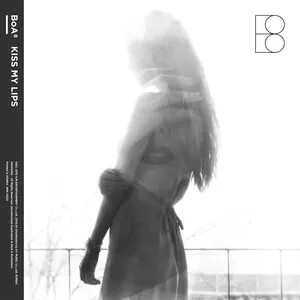
Kiss My Lips
BoA
K-Pop
J-Pop
Pop
2004
2
/5
Love & Honesty
BoA
Teen Pop
Electronic
J-Pop
2002
3
/5
Listen to My Heart
BoA
Teen Pop
Electronic
House
2000
2
/5
ID; Peace B
BoA
Teen Pop
Electronic
K-Pop
Similar artists
5
/5
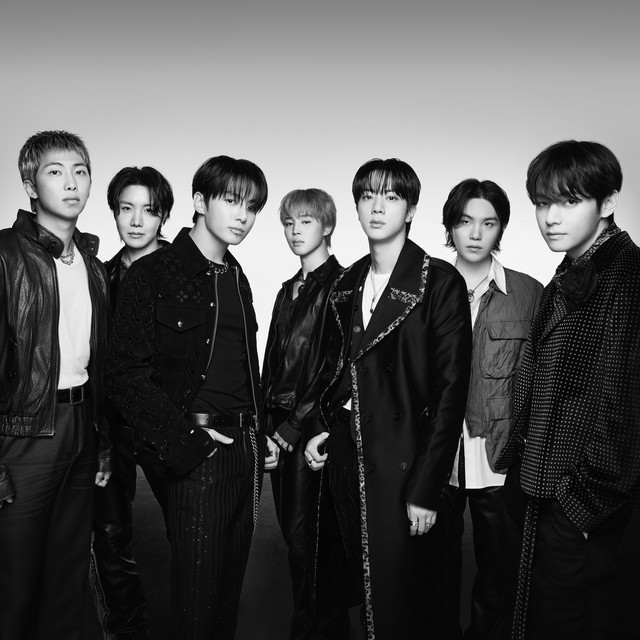
BTS
K-Pop
K-Pop Boy Group
Pop
5
/5
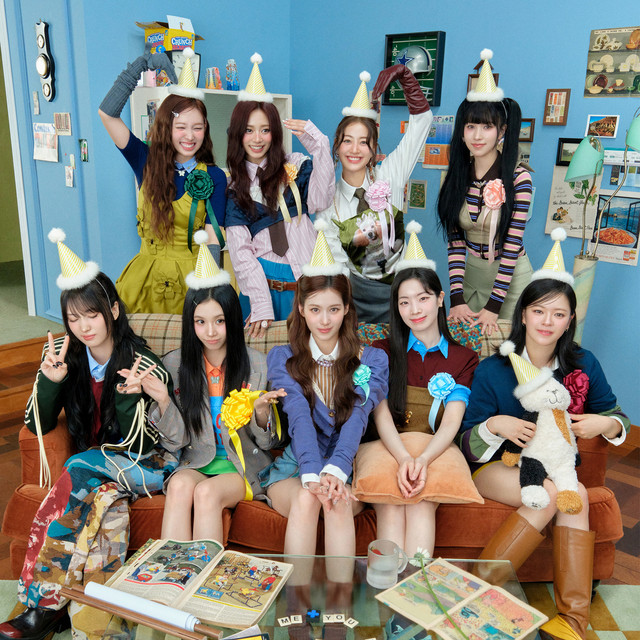
TWICE
K-Pop
Pop
K-Pop Girl Group
5
/5
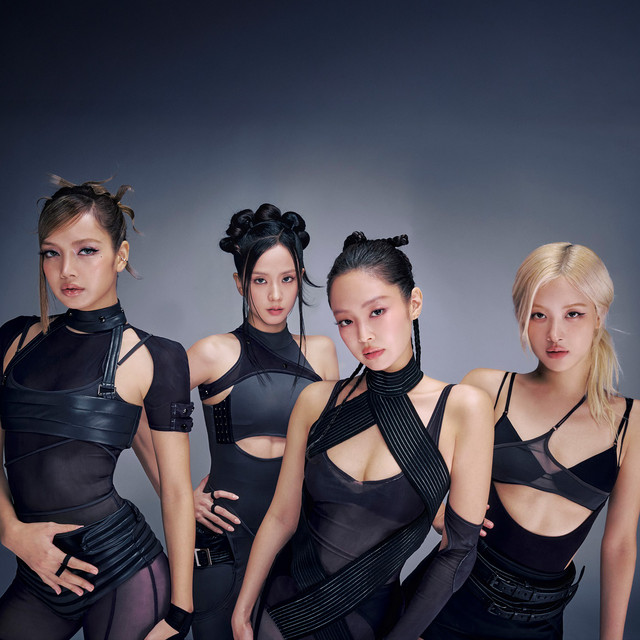
BLACKPINK
K-Pop
K-Pop Girl Group
Pop
4
/5
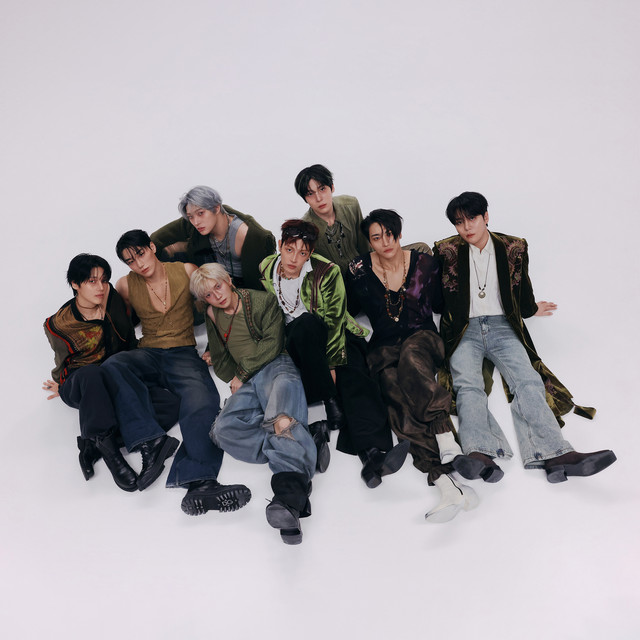
ATEEZ
K-Pop
K-Pop Boy Group
Pop
4
/5
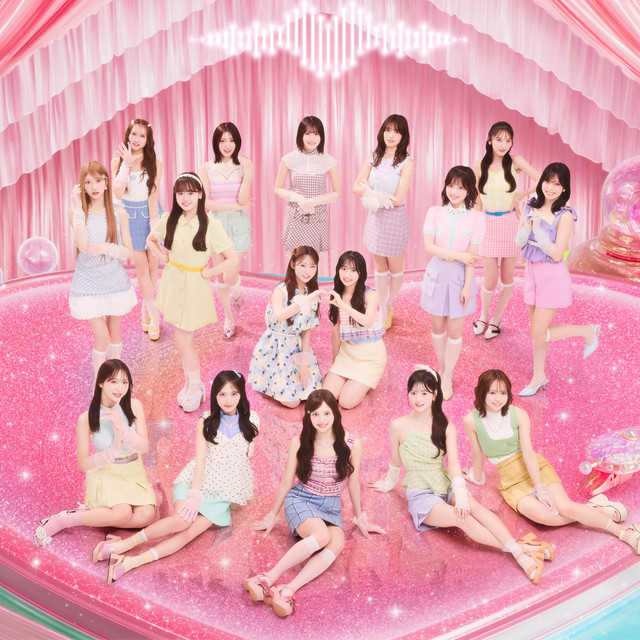
AKB48
48g
J-Pop
Pop
3
/5
Akina Nakamori
Idol Kayō
Techno Kayō
Kayōkyoku
5
/5
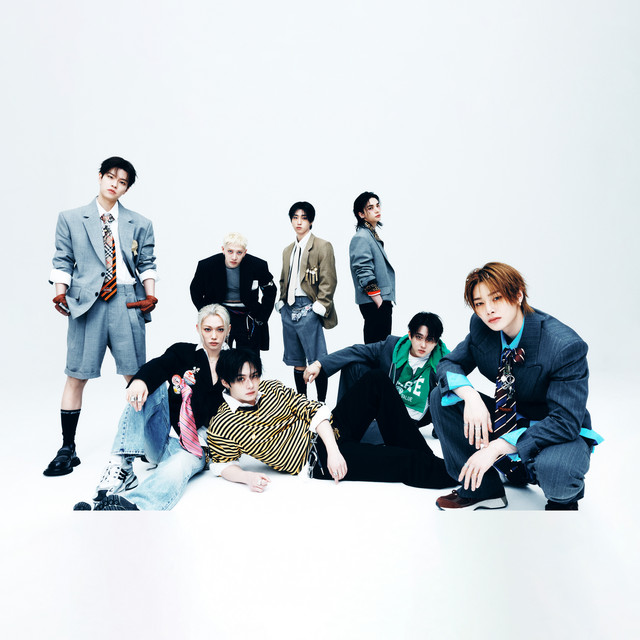
Stray Kids
K-Pop
K-Pop Boy Group
Pop
4
/5
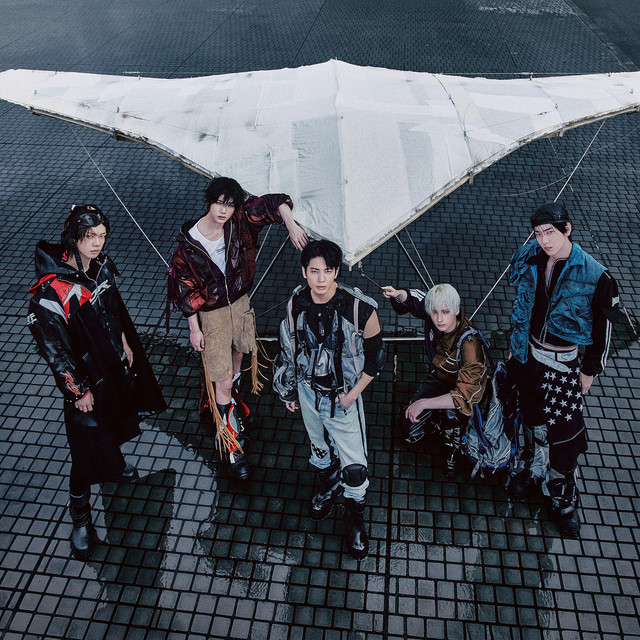
TOMORROW X TOGETHER
K-Pop
K-Pop Boy Group
Pop
5
/5
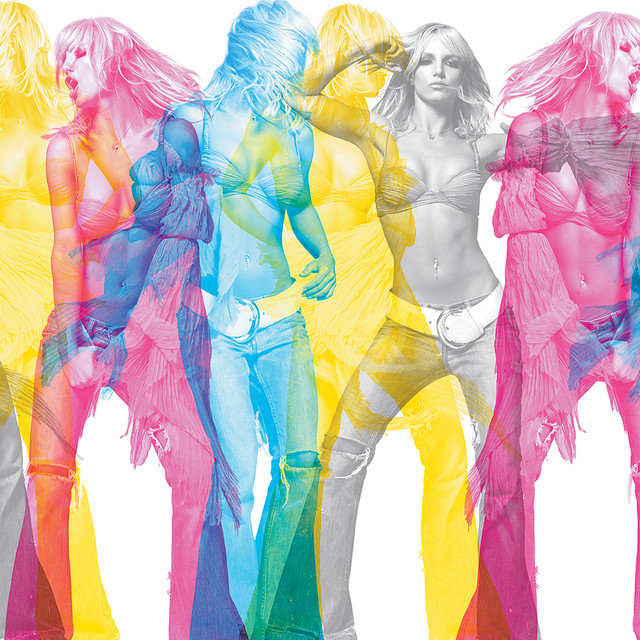
Britney Spears
Pop
Dance-Pop
Electronic
3
/5
Perfume
Bitpop
Picopop
J-Pop
Download our mobile app
Get the Melodigging app and start digging for new genres on the go
Download on the App Store
Get it on Google Play
© 2026 Melodigging
Give feedback
Legal
Melodding was created as a tribute to
Every Noise at Once
, which inspired us to help curious minds keep digging into music's ever-evolving genres.