Genres
Artists
Albums
Make Music
Sign in
Sign in
Artists
Traditional Music
Artists
Traditional Music
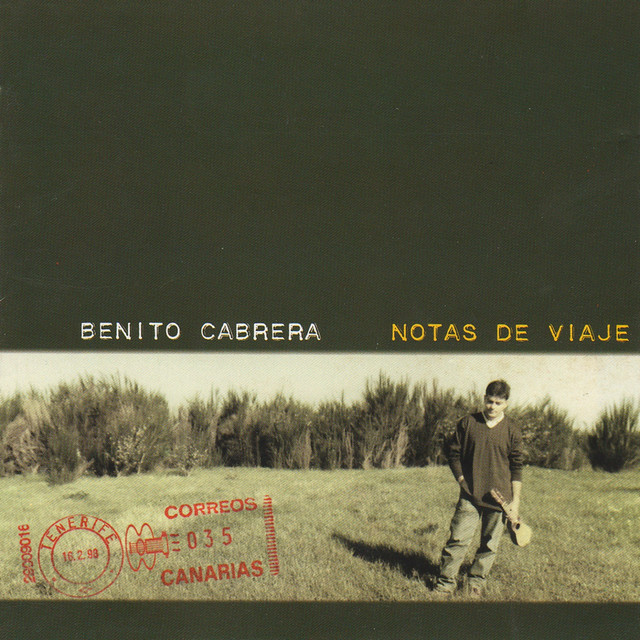
Benito Cabrera
2008
·
1 album
Listen
1
/5
Genres
Traditional Music
Traditional music is an umbrella term used in the mid–20th century by folklorists and ethnomusicologists to denote community-rooted, orally transmitted repertoires tied to social ritual, work, celebration, and storytelling. Unlike commercial pop or art-music traditions, traditional music is typically learned by ear, varies regionally, and evolves slowly through communal participation. It often features modal melodies, cyclic rhythms, heterophony or unison singing, and indigenous instruments whose timbres are integral to local identity. Lyrics tend to preserve language, history, and collective memory. While the musical practices themselves can be ancient, the phrase “traditional music” emerged to replace earlier, narrower or colonial framings like “folk” or “ethnic” music, foregrounding continuity, locality, and living practice rather than exoticism.
Discover
Listen
Canarian Folk Music
Canarian folk music is the traditional music of the Canary Islands (Spain), shaped by centuries of exchange between Iberian settlers, Indigenous Guanche/Amazigh roots, and the Atlantic routes connecting the archipelago with the Caribbean and Latin America. Its sound is instantly recognizable by the bright, chiming timple (a small 5‑string lute) alongside Spanish guitars, laúd and bandurria, and island-specific percussion such as chácaras (large castanets from La Gomera and El Hierro) and the tambor gomero. Singing is often ornamented and lyrical, carrying décima poetry and coplas about seafaring, emigration, love, and island life. Core song‑dance forms include the lively isa (often in triple meter), the slow and expressive folía, the malagueñas canarias (a local take linked to Andalusian practice), the tajaraste (driven by drum and chácaras), the sorondongo, and the polca majorera. Performances thrive in romerías (processional feasts), bailes de taifa (community dances), and informal parrandas (song gatherings), where call‑and‑response refrains invite collective participation.
Discover
Listen
Villancico
Villancico is an Iberian song form that emerged in late medieval Spain and flourished during the Renaissance and Baroque eras. Originally a secular, vernacular song associated with rural or popular themes, it evolved into a predominantly sacred genre performed in churches and cathedrals—especially around Christmas. Structurally, a villancico typically alternates a recurring refrain (estribillo) with one or more stanzas (coplas), often in lively, dance-like meters. Texts may be in Spanish or Portuguese and sometimes incorporate dialects and topical characters (for example, negrillos, pastorcillos), while the music ranges from simple strophic tunes to richly scored polychoral works with instrumental accompaniment.
Discover
Listen
Albums
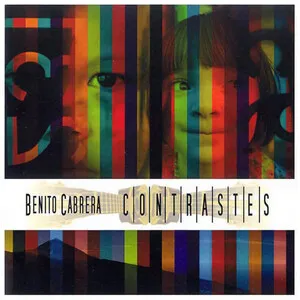
2008
1
/5
Contrastes
Benito Cabrera
Canarian Folk Music
Similar artists
2
/5
Serenata Guayanesa
Malagueña Venezolana
Calypso
Traditional Music
2
/5
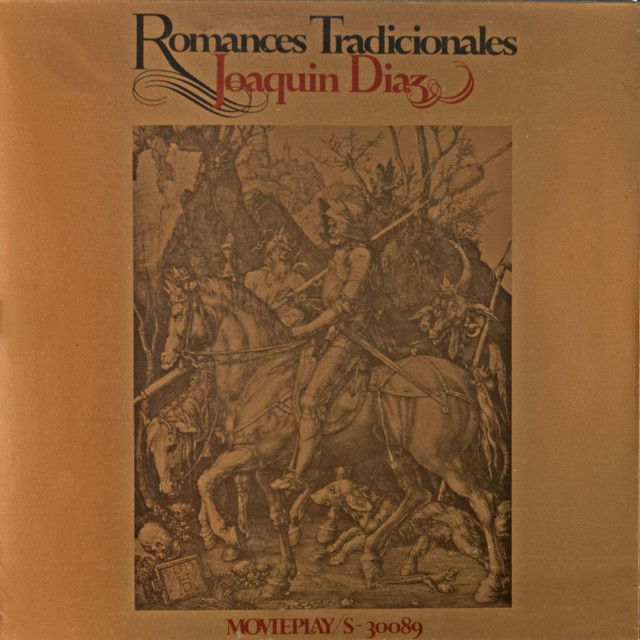
Joaquín Díaz
Romance
Singer-Songwriter
Traditional Music
2
/5
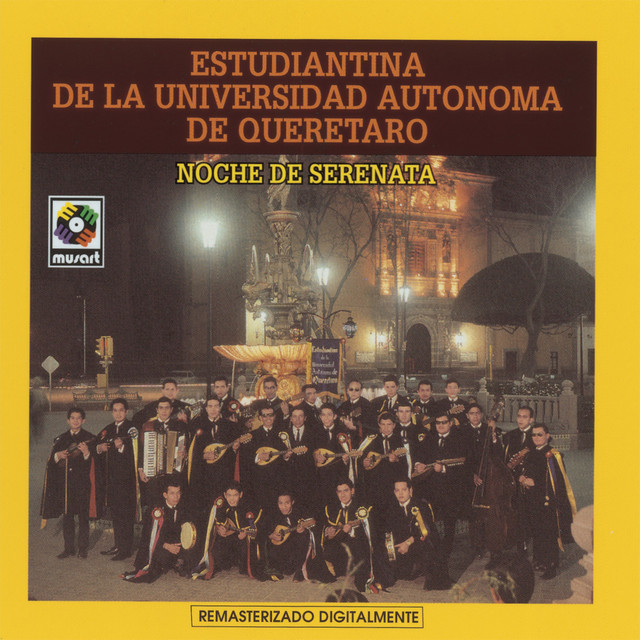
Estudiantina De La Universidad Autonoma De Queretaro
Traditional Music
Villancico
1
/5
Conjunto Cuncumen
Latin Folk
Musica Nublensina
Traditional Music
1
/5
Ars Nova
Traditional Music
Villancico
1
/5
Grupo de Coros y Danzas El Barbecho
Traditional Music
Villancico
2
/5
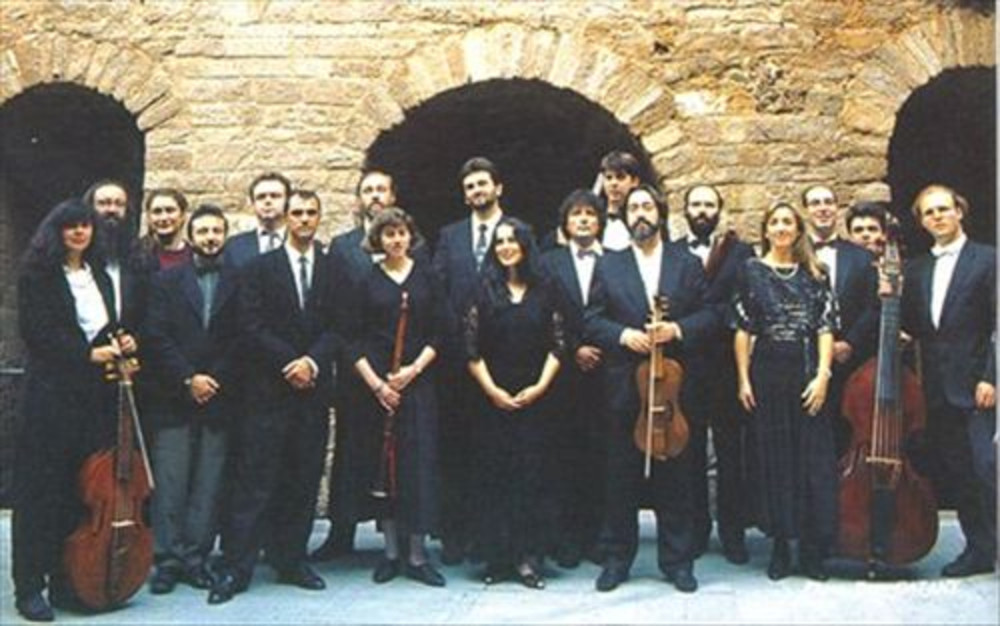
Hespèrion XXI
Medieval
Renaissance
Classical Performance
2
/5
Los Sabandeños
Canarian Folk Music
Bolero
Traditional Music
1
/5
Mestisay
Canarian Folk Music
Traditional Music
Romance
1
/5
Taburiente
Canarian Folk Music
Nueva Canción Española
Traditional Music
Download our mobile app
Get the Melodigging app and start digging for new genres on the go
Download on the App Store
Get it on Google Play
© 2026 Melodigging
Give feedback
Legal
Melodding was created as a tribute to
Every Noise at Once
, which inspired us to help curious minds keep digging into music's ever-evolving genres.