Genres
Artists
Albums
Make Music
Sign in
Sign in
Artists
Classical
Artists
Classical
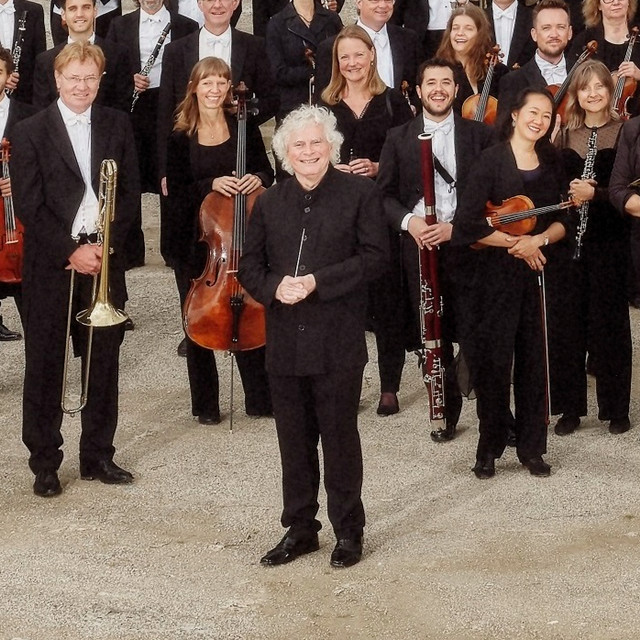
Bavarian State Orchestra
1969–1988
·
3 albums
Listen
3
/5
Genres
Operetta
Operetta is a light, theatrical form of musical drama that blends spoken dialogue with tuneful, dance-inflected numbers and comic plots. It favors memorable melodies, witty wordplay, and a buoyant orchestral palette over the heavy dramatic weight of grand opera. Emerging in mid-19th-century Paris and quickly flourishing in Vienna and beyond, operetta draws on popular dance rhythms (especially the waltz and march), satirical or romantic storylines, and clear, lyrical vocal writing. It serves as a bridge between opera and modern musical theatre, balancing classical technique with popular appeal.
Discover
Listen
Romantische Oper
Romantische Oper (Romantic Opera) is an early nineteenth‑century German operatic genre that blends folkloric subject matter, medieval or fantastic settings, and a heightened orchestral role with the number‑opera practices inherited from the late Classical era. Rather than growing directly out of the eighteenth‑century Singspiel, it was decisively shaped by the French opéra comique of the Revolutionary and Napoleonic eras. Characteristic are reminiscence motifs—recognizable musical phrases tied to characters, ideas, or places—that recur across a work to bind drama and music, prefiguring later leitmotivic techniques. Orchestration becomes vivid and dramaturgical (hunting horns, nature painting, offstage ensembles), while choruses and folk‑like tunes reinforce themes of the supernatural, heroism, nationhood, and the poetic power of nature. Typical libretti draw on German folk tales, legends, and medieval romance; musically, the style favors singable, diatonic melodies colored by chromatic harmony and striking timbral effects to depict magic and terror alongside lyric intimacy.
Discover
Listen
Singspiel
Singspiel is a German-language musical stage genre that alternates spoken dialogue with musical numbers such as arias, ensembles, choruses, and finales. Unlike through‑composed opera, the plot advances through spoken scenes, which makes the style theatrically agile and accessible to broad audiences. Musically, Singspiel blends tuneful, folk‑like melodies and clear Classical‑era harmonies with theatrical flair. Subjects range from domestic comedy to adventure, exoticism, and magic (Zauberoper), and the tone can move from light and humorous to noble and sentimental. It flourished in public theaters across German lands and Austria, where it became closely identified with Viennese stages in the late 18th century.
Discover
Listen
Orchestral
Orchestral music refers to compositions written for an orchestra—a large ensemble typically built around a string section (violins, violas, cellos, double basses), complemented by woodwinds, brass, percussion, and often harp, keyboard, or other auxiliary instruments. A conductor coordinates the ensemble, shaping balance, phrasing, and expression. The style emphasizes coloristic timbre combinations, dynamic range from the softest pianissimo to explosive tuttis, and textures that can shift seamlessly between transparent chamber-like writing and monumental masses of sound. Orchestral writing underpins concert genres such as symphonies, overtures, and tone poems, as well as opera, ballet, and modern film and game scores. While orchestral writing evolved across centuries, its core craft centers on melody, counterpoint, harmony, register, and orchestration—the art of assigning musical ideas to instruments to achieve clarity, contrast, and narrative impact.
Discover
Listen
Opera
Opera is a large-scale theatrical genre that combines music, drama, and visual spectacle, in which the story is primarily conveyed through singing accompanied by an orchestra. It unites solo voices, ensembles, and chorus with staging, costumes, and often dance to create a total artwork. Emerging in late Renaissance Italy and flourishing in the Baroque era, opera developed signature forms such as recitative (speech-like singing that advances the plot) and aria (lyrical numbers that explore character and emotion). Over the centuries it evolved diverse national styles—Italian bel canto, French grand opéra, German music drama—while continually experimenting with orchestration, harmony, narrative structure, and stagecraft.
Discover
Listen
Classical
Classical music is the notated art-music tradition of Europe and its global descendants, characterized by durable forms, carefully codified harmony and counterpoint, and a literate score-based practice. The term “classical” can refer broadly to the entire Western art-music lineage from the Medieval era to today, not just the Classical period (c. 1750s–1820s). It privileges long-form structures (such as symphonies, sonatas, concertos, masses, and operas), functional or modal harmony, thematic development, and timbral nuance across ensembles ranging from solo instruments to full orchestras and choirs. Across centuries, the style evolved from chant and modal polyphony to tonal harmony, and later to post-tonal idioms, while maintaining a shared emphasis on written notation, performance practice, and craft.
Discover
Listen
Albums
1988
1
/5
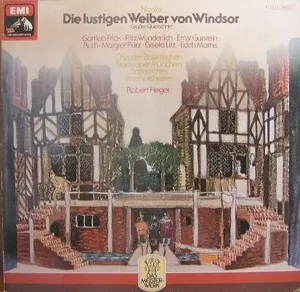
Die lustigen Weiber von Windsor - Großer Querschnitt
Otto Nicolai
Singspiel
1976
3
/5
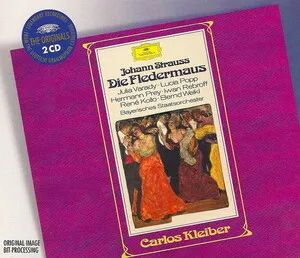
Die Fledermaus
Johann Strauss
Operetta
1969
1
/5
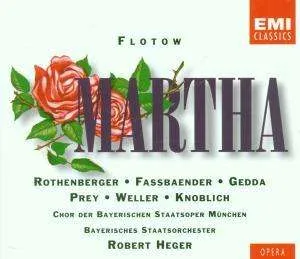
Martha
Friedrich von Flotow
Romantische Oper
Similar artists
4
/5
Philharmonia Orchestra
Classical
Opera
Choral
4
/5
Herbert von Karajan
Classical
Symphonic Poem
Symphony
3
/5
Bavarian Radio Symphony Orchestra
Classical
Opera
Orchestral
3
/5
Sir Georg Solti
Classical
Romantic Classical
Romanticism
3
/5
Staatskapelle Berlin
Classical
Opera
Orchestral
3
/5
Rafael Kubelík
Classical
Opera
Orchestral
3
/5
Munich Radio Orchestra
Classical
Opera
Orchestral
2
/5
Edward Gardner
Classical
Opera
Orchestral
1
/5
Various Artists
Afro-Funk
Alternative Rock
Ambient
4
/5
Wolfgang Amadeus Mozart
Classical
Requiem
Classical Period
Download our mobile app
Get the Melodigging app and start digging for new genres on the go
Download on the App Store
Get it on Google Play
© 2026 Melodigging
Give feedback
Legal
Melodding was created as a tribute to
Every Noise at Once
, which inspired us to help curious minds keep digging into music's ever-evolving genres.