Genres
Artists
Albums
Make Music
Sign in
Sign in
Artists
Brass Band
Artists
Brass Band
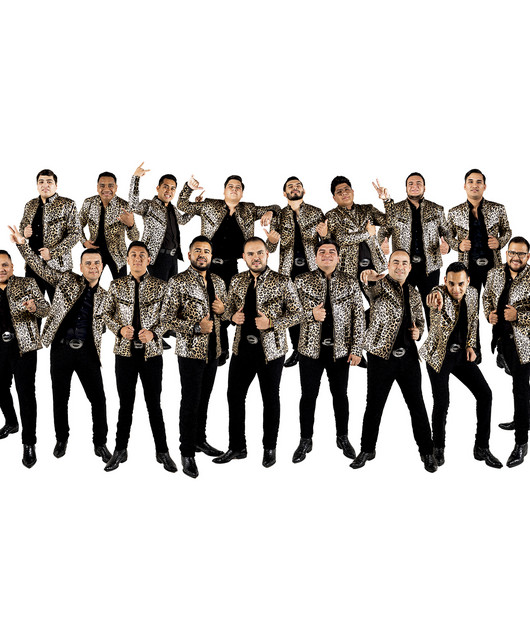
Banda Renovacion
2023
·
2 albums
Listen
3
/5
Genres
Corridos Adictivos
Corridos adictivos is a marketing-driven microstyle within contemporary regional Mexican music built on “addictive” hooks, brisk two‑step grooves, and compact, stream‑optimized song forms. It fuses the narrative DNA of traditional corridos with the immediacy of pop and trap-era arrangement tactics: short intros, instantly memorable requinto/tuba riffs, repeatable vocal tags, and choruses crafted to stick after one listen. Instrumentation usually comes from sierreño or norteño/banda lineups (requinto or 12‑string lead guitar, rhythm guitar, tuba or electric bass, and sometimes snare/kit or tololoche), but the delivery, pacing, and branding target TikTok and playlist culture. Lyrically it spans aspirational street narratives, hustle and luxury signifiers, crew shout‑outs, and coded slang—adjacent to corridos tumbados and corridos bélicos—yet it prioritizes catchiness over long-form storytelling.
Discover
Listen
Sad Sierreno
Sad sierreño is a Gen-Z wave within Regional Mexicano that emphasizes intimate, melancholic guitar trios, confessional lyrics, and bedroom-pop aesthetics. It retains the core sierreño instrumentation—lead 12‑string requinto, rhythm guitar, and bass—while softening dynamics, slowing tempos, and foregrounding close‑miked vocals soaked in light reverb. Lyrically it fixates on heartbreak, loneliness, youthful yearning, and bittersweet nostalgia. Musically it often toggles between bolero/vals sierreño feels in minor keys and sparse 4/4 ballads, letting fingerpicked arpeggios and melodic requinto runs carry the emotional weight. The sound rose with U.S. Mexican-American youth, using social media virality to merge traditional sierreño with lo‑fi/indie sensibilities.
Discover
Listen
Corridos Bélicos
Corridos bélicos are a contemporary, hard-hitting branch of the Mexican corrido that foregrounds militaristic imagery, aggressive bravado, and street-informed swagger. The sound keeps the acoustic backbone of regional mexicano—sierreño trios, norteño/banda textures—while adopting the lyrical posture, ad‑libs, and urgency of trap and hip hop. Typical arrangements feature requinto and harmony guitars, tololoche or electric bass, snare-driven grooves, and sometimes tuba for low-end punch. Melodies skew minor or modal, with rapid ornamental runs, call‑and‑response riffs, and terse, talk‑sung vocal cadences. Thematically, songs chronicle power, risk, and status symbols, often coded in “bélico” (war-like) aesthetics—tactical gear, convoys, radios—delivered with taut, forward momentum.
Discover
Listen
Dembow Belico
Dembow bélico is a recent crossover of the Dominican dembow rhythm with the lyrical aesthetics and sonic signifiers of Mexico’s corridos bélicos and broader regional mexicano. It keeps dembow’s relentless, syncopated, club-ready percussion, but injects “bélico” (warlike) storytelling, slang, and iconography drawn from the corridos world. Producers typically fuse fast dembow drums, sirens, and chopped vocal shots with Mexican regional elements like tuba stabs, sierreño/12‑string guitar riffs, and banda-style brass hits. The result is a high-energy, gritty, and party-oriented sound that also carries the bravado and conflict-laced narratives characteristic of corridos bélicos.
Discover
Listen
Corridos Alternativos
Corridos alternativos is a contemporary wave of Mexican corridos that blends the narrative ballad tradition with Gen‑Z indie, pop, and hip‑hop sensibilities. Instead of the brisk polka/two‑step feel of classic corridos, it often slows the groove toward mid‑tempo, mixing sierreño trio guitars and tololoche/tuba with 808s, trap hi‑hats, light synth pads, and Auto‑Tune. Lyrically it keeps the corrido’s storytelling DNA, but shifts focus from outlaw exploits to intimate themes: heartbreak, friendships, coming‑of‑age, online life, and aspirational street style. The vocal delivery favors melodic hooks and confessional tone while preserving regional turns of phrase and corrido structures. The style is natively digital—born on YouTube, SoundCloud, and TikTok—where short, hook‑forward refrains and guitar motifs travel easily between Mexico and the Mexican‑American diaspora.
Discover
Listen
Classify
Classify is a streaming-era microgenre that blends light classical technique with contemporary pop repertoire, typically presented as unobtrusive instrumental covers. It prioritizes soft dynamics, gentle tempos, and intimate recording to create a calm, elegant backdrop suitable for studying, working, or events. Most arrangements are for solo piano, string quartet, cello/piano duos, or small chamber ensembles. Harmonies remain diatonic and consonant, melodies are clearly voiced, and textures favor arpeggios, ostinati, and sustained legato lines. The overall aesthetic borrows from modern classical and new age moods while retaining the familiarity of pop song forms.
Discover
Listen
Movimiento Alterado
Movimiento alterado is a contemporary offshoot of the Mexican corrido tradition that foregrounds hyper-violent, adrenaline-charged storytelling and hard-hitting, brass- or guitar-led arrangements. It is closely tied to the "corridos alterados" wave, in which first‑person narratives, military jargon, and explicit depictions of cartel life are delivered with swaggering vocals and propulsive rhythms. Musically, the style draws on banda sinaloense and norteño/sierreño instrumentations: blasting tambora and tarola (snare), tuba bass lines, and tight trumpet/trombone/clarinet riffs on the banda side; or rapid 12‑string guitar (requinto), accordion, and bass/tuba on the sierreño/norteño side. Harmonies are typically bright and functional (I–IV–V), while the feel is often polka‑like two‑step. Production emphasizes loud, saturated brass and percussion, catchy unison riffs, and breakneck fills that amplify the lyrical bravado. Culturally, movimiento alterado was propelled by labels and promoters who packaged and marketed the sound and image—dark attire, tactical aesthetics, and viral videos—toward Mexican and Mexican‑American audiences, especially across Sinaloa, Sonora, and the Los Angeles diaspora.
Discover
Listen
Regional Mexicano
Regional Mexicano (Música Mexicana) is an umbrella term for folk-derived regional styles from Mexico and their Mexican American continuations in the Southwestern United States. Rather than one single sound, it gathers subgenres tied to specific regions—such as mariachi and ranchera (Jalisco/Centro-Occidente), norteño and sierreño (Norte), banda sinaloense (Sinaloa), and narrative corridos that travel nationwide. Its foundations reach back to the 16th–19th centuries, when Indigenous musical practices fused with Spanish song forms, African rhythms, and European dance-band traditions (polka, waltz, schottische), later meeting brass-band instrumentation and, in the North, accordion-led ensembles. In the 20th century it consolidated through radio, cinema, and records, and in the late 20th century became a major Spanish-language radio format in the U.S. Today it ranges from emotive ranchera ballads to high-energy banda and norteño dance music and modern corridos that reflect contemporary social life.
Discover
Listen
Banda Sinaloense
Banda sinaloense is a brass-driven regional Mexican style that arose in the state of Sinaloa, blending European military band sonorities with local dance and song forms. Ensembles typically feature clarinets, trumpets, trombones, alto/baritone horns, and a tuba or sousaphone, anchored by the iconic tambora (bass drum with mounted cymbal) and tarola (snare drum). Its repertoire spans lively polkas, waltzes, mazurkas, schottisches, and pasodobles, alongside Mexican corridos, rancheras, boleros, and modern cumbias. The sound is powerful and celebratory: unison brass fanfares, tight harmonized lines, and a driving “oom‑pah” low end support emotive lead vocals and energetic percussion, making it a staple of festivals, dances, and contemporary charts.
Discover
Listen
Brass Band
Brass band refers to ensemble-driven music performed primarily by brass instruments and percussion, with a sound characterized by powerful, blended timbres, antiphonal choirs, and a strong emphasis on melody and counter-melody. In its most codified form (the British-style brass band), the ensemble uses cornets, flugelhorn, tenor horns, baritones, euphoniums, trombones, tubas, and percussion, all written in transposed parts to create a homogenous, organ-like sonority. Repertoire spans marches, hymn tune settings, operatic and orchestral transcriptions, original contest works, and light music. Globally, the term also encompasses regional traditions such as New Orleans parade/second-line bands (merging ragtime, early jazz, and funk), and Balkan Romani brass bands (fast dance meters and virtuosic ornamentation), showing the format’s adaptability across cultures and celebrations.
Discover
Listen
Banda
Banda is the traditional music of the Banda peoples of the Central African Republic and adjacent regions of the central Sudano–Congolese belt. It centers on communal performance—singers, dancers, and instrumentalists creating interlocking parts that are woven together through call-and-response and polyrhythm. Characteristic timbres include ensembles of natural horns (notably among Banda-Linda groups) that perform single-note hocketing to build complex melodic textures, wooden slit-drums used for rhythm and communication, frame and barrel drums, rattles, handclaps, transverse and end-blown flutes, and lamellophones (sanza/likembe). Vocal music ranges from antiphonal work and dance songs to ceremonial chants, often supporting life-cycle rituals, healing, hunting, and communal celebrations. Melodically, Banda repertoires commonly employ pentatonic and heptatonic pitch collections, while rhythmically they favor layered ostinati in compound meters (e.g., 12/8) and additive patterns. The music functions as living social practice, binding community, marking identity, and conveying oral history.
Discover
Listen
Corrido
Corrido is a Mexican narrative ballad tradition that tells real or imagined stories about heroes, outlaws, battles, tragedies, and contemporary events. It is strophic, usually built from octosyllabic lines organized into quatrains with assonant rhyme, and features a declamatory vocal delivery designed to make the storyline clear. Musically, corridos are commonly set to dance-derived rhythms such as polka in 2/4 or waltz in 3/4, reflecting 19th‑century European influences absorbed in northern Mexico. They are performed by different ensembles—most famously norteño groups with accordion and bajo sexto, mariachi with violins and trumpets, or banda with brass and tuba—yet the poetic form and storytelling remain central. Typical corridos open with a saludo (greeting/announcement), present the narrative in chronological episodes rich with names, places, and dates, and close with a despedida (farewell or moral). Modern variants include narcocorridos and, more recently, corridos tumbados that fuse the narrative form with contemporary urban and trap aesthetics.
Discover
Listen
Show all 12 genres
Albums
2023
1
/5
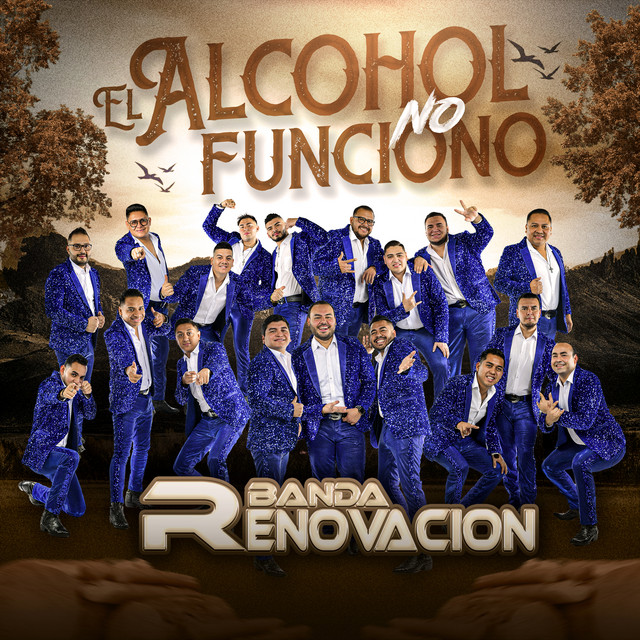
El Alcohol No Funcionó
Banda Renovacion
Brass Band
2023
1
/5
Gelato
Banda Renovacion
Brass Band
Similar artists
5
/5
Fuerza Regida
Sierreño
Banda
Corrido
5
/5
Luis R Conriquez
Movimiento Alterado
Banda Sinaloense
Bandas De Viento De México
5
/5
Banda MS de Sergio Lizárraga
Banda Sinaloense
Bandas De Viento De México
Regional Mexicano
5
/5
Alfredo Olivas
Movimiento Alterado
Banda Sinaloense
Bandas De Viento De México
4
/5
Eden Muñoz
Norteño
Banda
Corrido
4
/5
Gerardo Ortiz
Movimiento Alterado
Banda Sinaloense
Bandas De Viento De México
4
/5
Virlan Garcia
Norteño
Banda
Corrido
4
/5
El Fantasma
Ranchera
Norteño
Banda
4
/5
El Komander
Movimiento Alterado
Banda
Corrido
4
/5
Adriel Favela
Banda
Corrido
Corridos Alternativos
Download our mobile app
Get the Melodigging app and start digging for new genres on the go
Download on the App Store
Get it on Google Play
© 2026 Melodigging
Give feedback
Legal
Melodding was created as a tribute to
Every Noise at Once
, which inspired us to help curious minds keep digging into music's ever-evolving genres.