Genres
Artists
Albums
Make Music
Sign in
Sign in
Artists
Free Jazz
Artists
Free Jazz
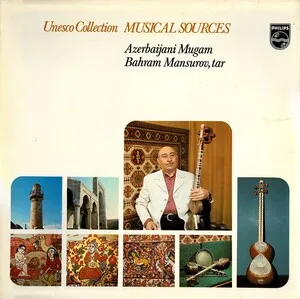
Bahram Mansurov
1975
·
1 album
Listen
1
/5
Genres
Krautrock
Krautrock is an experimental form of rock that emerged in late-1960s West Germany, characterized by hypnotic repetition, long-form structures, and a forward-looking embrace of electronics and studio experimentation. It typically features a steady, driving 4/4 “motorik” beat, circular bass ostinatos, sparse harmonic movement, and textural layering that draws from minimalism, free improvisation, and avant-garde composition. Rather than virtuosic solos, the emphasis is on collective groove, trance-inducing momentum, and timbral exploration. The sound ranges from raw, percussive jams to spacious, cosmic electronics, often eschewing conventional Anglo-American blues forms in favor of a distinctly European modernist aesthetic.
Discover
Listen
Free Jazz
Free jazz is a radical branch of jazz that rejects fixed chord progressions, strict meter, and conventional song forms in favor of collective improvisation, textural exploration, and spontaneous interaction. Musicians prioritize timbre, dynamics, and gesture as much as pitch and harmony, often using extended techniques (multiphonics, overblowing, prepared piano) and unconventional sounds. While rooted in the blues and earlier jazz vocabularies, free jazz frees improvisers from pre-set harmonic cycles, allowing lines to unfold over tonal centers, shifting modes, drones, or complete atonality. Rhythm sections may float without a steady pulse, or drive with layered polyrhythms and “energy playing.” The result ranges from contemplative soundscapes to cathartic, high-intensity eruptions. Culturally, the genre intersected with the civil rights era and broader avant-garde movements, emphasizing autonomy, community, and new possibilities for musical expression.
Discover
Listen
Traditional Music
Traditional music is an umbrella term used in the mid–20th century by folklorists and ethnomusicologists to denote community-rooted, orally transmitted repertoires tied to social ritual, work, celebration, and storytelling. Unlike commercial pop or art-music traditions, traditional music is typically learned by ear, varies regionally, and evolves slowly through communal participation. It often features modal melodies, cyclic rhythms, heterophony or unison singing, and indigenous instruments whose timbres are integral to local identity. Lyrics tend to preserve language, history, and collective memory. While the musical practices themselves can be ancient, the phrase “traditional music” emerged to replace earlier, narrower or colonial framings like “folk” or “ethnic” music, foregrounding continuity, locality, and living practice rather than exoticism.
Discover
Listen
Azerbaijani Mugham
Azerbaijani Mugham is a highly improvisational, modal art music of Azerbaijan, performed by a lead vocalist (khananda) with small ensemble, most commonly tar (long‑necked lute), kamancha (spike fiddle), and a frame drum (ghaval) often held by the singer. It is built on muğam modes such as Rast, Shur, Segah, Chahargah, Bayati‑Shiraz, Shushtar, and Humayun, each with characteristic scalar material, intonation, melodic pathways, and emotional coloring. Performances unfold as suites that move from free‑rhythmic, introspective exposition to sections governed by usul (rhythmic cycles), interweaving composed kernels with extensive vocal and instrumental improvisation. Texts draw on classical Azerbaijani and Persian poetry rich in Sufi symbolism, love, longing, and philosophical reflection—binding the music to the themes of Azerbaijan’s history and literary heritage. The result is an intense, ornamented singing style that seeks catharsis through gradual modal development and expressive melisma.
Discover
Listen
Azerbaijani Music
Azerbaijani music is a broad tradition from the South Caucasus that spans courtly modal art music (mugham), bardic ashig poetry-singing, rural dance bands with zurna–naghara, and 20th–21st century composed, pop, and jazz hybrids. Its art core is the modal system of mugham—suites built on named modes (Rast, Shur, Segah, Chargah, Bayati-Shiraz, Shushtar, Humayun), microtonal inflection, and improvisation by a khananda (vocalist) accompanied by tar, kamancha, and gaval. Alongside this stands the ashig (ashugh) tradition, in which poet-singers accompany themselves on the saz to deliver epic love, mystic, and social poetry in intricate meters. Across the 20th century, Azerbaijani composers, crooners, and innovators fused these idioms with opera, symphonic writing, estrada/pop, and jazz to create distinct modern styles such as symphonic mugham and jazz-mugham.
Discover
Listen
Albums
1975
1
/5
Azerbaijani Mugam
Bəhram Mansurov
Azerbaijani Mugham
Azerbaijani Music
Similar artists
2
/5
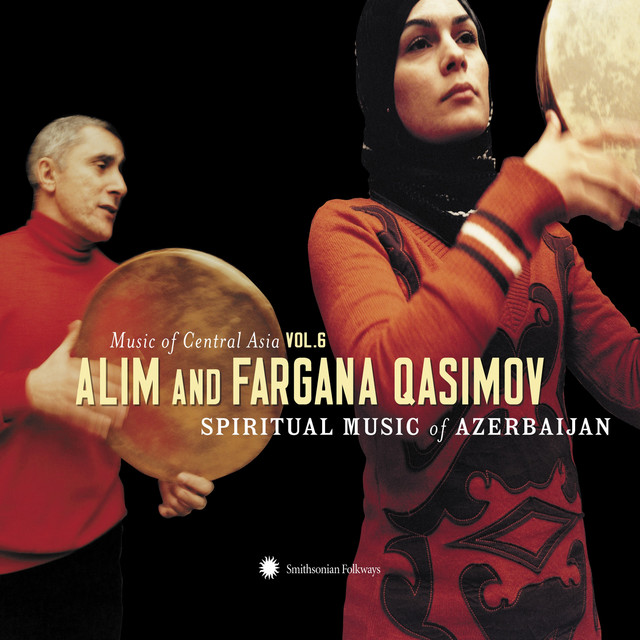
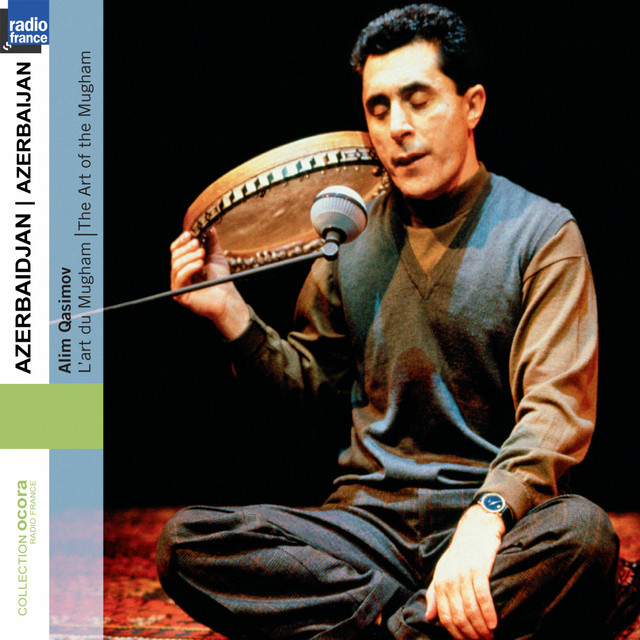
Alim Qasimov
Azerbaijani Mugham
Azerbaijani Music
Traditional Music
1
/5
Gochag Askarov
Traditional Music
Azerbaijani Mugham
Azerbaijani Music
1
/5
Fargana Qasimov
Azerbaijani Music
Traditional Folk
Traditional Music
1
/5
Elshan Mansurov
Traditional Music
Azerbaijani Mugham
Azerbaijani Music
1
/5
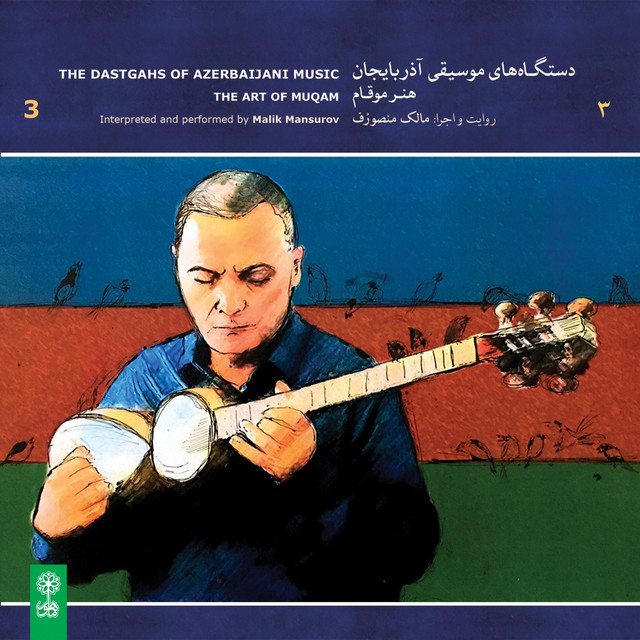
Malik Mansurov
Traditional Music
Azerbaijani Mugham
Azerbaijani Music
1
/5
Alem Kassimov
Traditional Music
Azerbaijani Mugham
Azerbaijani Music
1
/5
Melek Khanom Eyubova
Traditional Music
Azerbaijani Mugham
Azerbaijani Music
2
/5
Eberhard Weber
Ecm Style Jazz
Jazz Fusion
Chamber Jazz
2
/5
Joachim Kühn
Free Jazz
Gnawa
Jazz
2
/5
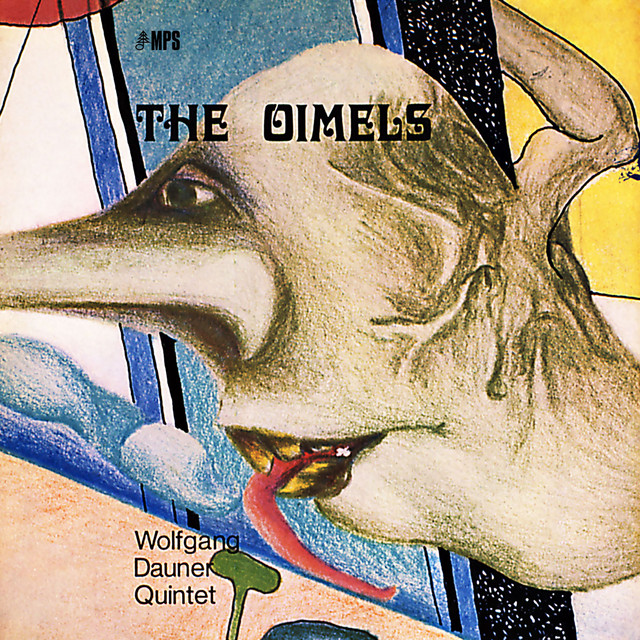
Wolfgang Dauner
Avant-Garde
Free Jazz
Jazz Fusion
Download our mobile app
Get the Melodigging app and start digging for new genres on the go
Download on the App Store
Get it on Google Play
© 2026 Melodigging
Give feedback
Legal
Melodding was created as a tribute to
Every Noise at Once
, which inspired us to help curious minds keep digging into music's ever-evolving genres.