Genres
Artists
Albums
Make Music
Sign in
Sign in
Artists
Azerbaijani Music
Artists
Azerbaijani Music
Fargana Qasimov
2007–2010
·
2 albums
Listen
1
/5
Genres
Traditional Music
Traditional music is an umbrella term used in the mid–20th century by folklorists and ethnomusicologists to denote community-rooted, orally transmitted repertoires tied to social ritual, work, celebration, and storytelling. Unlike commercial pop or art-music traditions, traditional music is typically learned by ear, varies regionally, and evolves slowly through communal participation. It often features modal melodies, cyclic rhythms, heterophony or unison singing, and indigenous instruments whose timbres are integral to local identity. Lyrics tend to preserve language, history, and collective memory. While the musical practices themselves can be ancient, the phrase “traditional music” emerged to replace earlier, narrower or colonial framings like “folk” or “ethnic” music, foregrounding continuity, locality, and living practice rather than exoticism.
Discover
Listen
Traditional Folk
Traditional folk is a broad umbrella for orally transmitted songs and dance tunes that circulated in rural and working-class communities before the age of mass recording. Repertoires include narrative ballads, laments, love songs, work songs, lullabies, and instrumental dance sets such as reels, jigs, hornpipes, and marches. Stylistically, traditional folk favors strophic forms, pentatonic or modal melodies (often Dorian and Mixolydian), limited harmonic movement, and strong, memorable tunes designed for communal singing and dancing. Performances range from unaccompanied solo voice to small ensembles built around fiddle, flute/whistle, pipes, concertina/accordion, guitar, banjo, and frame drum. Ornamentation, variation by verse, and flexible tempo are integral, reflecting an oral tradition where songs live through continual reinterpretation. Although it is pan‑regional, the modern idea of “traditional folk” coalesced in the 19th century through collectors and revivalists who documented vernacular music and framed it as cultural heritage.
Discover
Listen
Mugham
Mugham is the classical art music of Azerbaijan, a modal-improvisatory tradition performed by a trio featuring a khananda (vocalist), tar (long‑necked lute), and kamancha (spike fiddle), often supported by a frame drum (ghaval). It combines highly ornamented vocal lines with intricate instrumental responses and cadences. Built on modal systems (mayeh) such as Shur, Segah, Rast, Chargah, and Bayati‑Shiraz, mugham unfolds as a suite that alternates free‑rhythmic extemporization with metered sections (including composed songs/tesnif and dance‑like reng). Microtonal inflections, melismatic phrasing, and expressive modulations are central to its language. Poetic texts—frequently ghazals by classical poets like Fuzuli, Nizami, and Nasimi—carry themes of mystical love, longing, and spiritual reflection. In 2008, Azerbaijani mugham was inscribed by UNESCO on the Representative List of the Intangible Cultural Heritage of Humanity.
Discover
Listen
Azerbaijani Mugham
Azerbaijani Mugham is a highly improvisational, modal art music of Azerbaijan, performed by a lead vocalist (khananda) with small ensemble, most commonly tar (long‑necked lute), kamancha (spike fiddle), and a frame drum (ghaval) often held by the singer. It is built on muğam modes such as Rast, Shur, Segah, Chahargah, Bayati‑Shiraz, Shushtar, and Humayun, each with characteristic scalar material, intonation, melodic pathways, and emotional coloring. Performances unfold as suites that move from free‑rhythmic, introspective exposition to sections governed by usul (rhythmic cycles), interweaving composed kernels with extensive vocal and instrumental improvisation. Texts draw on classical Azerbaijani and Persian poetry rich in Sufi symbolism, love, longing, and philosophical reflection—binding the music to the themes of Azerbaijan’s history and literary heritage. The result is an intense, ornamented singing style that seeks catharsis through gradual modal development and expressive melisma.
Discover
Listen
Azerbaijani Music
Azerbaijani music is a broad tradition from the South Caucasus that spans courtly modal art music (mugham), bardic ashig poetry-singing, rural dance bands with zurna–naghara, and 20th–21st century composed, pop, and jazz hybrids. Its art core is the modal system of mugham—suites built on named modes (Rast, Shur, Segah, Chargah, Bayati-Shiraz, Shushtar, Humayun), microtonal inflection, and improvisation by a khananda (vocalist) accompanied by tar, kamancha, and gaval. Alongside this stands the ashig (ashugh) tradition, in which poet-singers accompany themselves on the saz to deliver epic love, mystic, and social poetry in intricate meters. Across the 20th century, Azerbaijani composers, crooners, and innovators fused these idioms with opera, symphonic writing, estrada/pop, and jazz to create distinct modern styles such as symphonic mugham and jazz-mugham.
Discover
Listen
Central Asian Folk
Central Asian folk is a broad family of traditional musics from the steppes and oases of modern Uzbekistan, Kazakhstan, Kyrgyzstan, Tajikistan, Turkmenistan, and the Uyghur region. It blends nomadic bardic traditions with urban courtly repertoires that developed along Silk Road trade routes. Characteristic timbres come from long‑necked lutes (dutar, tanbur, dombra), bowed spike fiddles (ghijak/kamancha), jaw harps (temir komuz), frame drums (doira/dap) and end‑blown flutes (surnai/nay). Melodies are highly ornamented and often modal (maqam/muqam), while steppe styles favor pentatonic and heptatonic pitch collections and drone‑based textures. Rhythms can be fluid and rubato in epic recitation, or dance‑like with asymmetric meters (5/8, 7/8, 10/8) in festive music. Forms range from extended suites (Shashmaqam, Muqam) to instrumental tone‑poems (Kazakh kui), devotional songs (zikr‑related repertoires), and vast oral epics like the Kyrgyz Manas. Performance practice emphasizes heterophony, call‑and‑response, melisma, and storytelling.
Discover
Listen
Albums
2010
1
/5
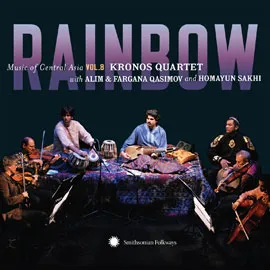
Music of Central Asia Vol. 8: Rainbow
Kronos Quartet, Alim Qasimov, Fargana Qasimova & Homayun Sakhi
Azerbaijani Music
2007
1
/5
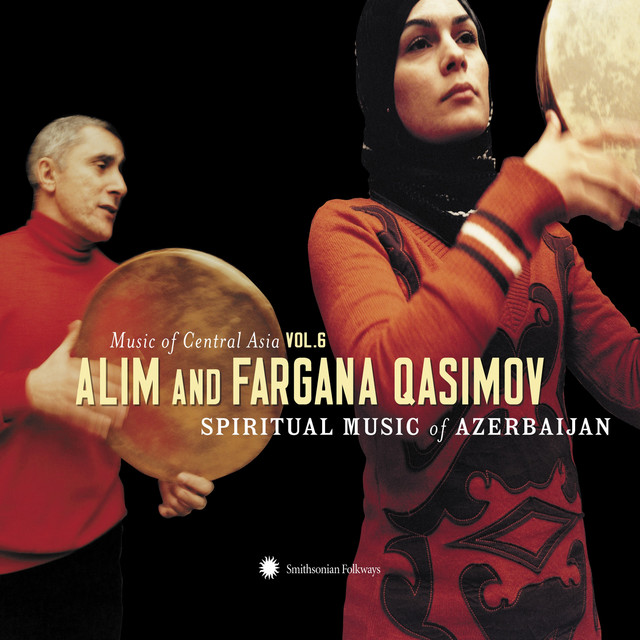
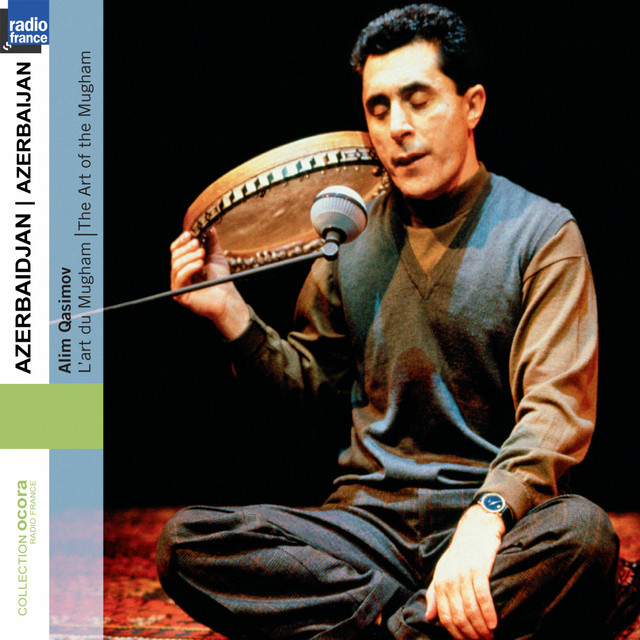
Music of Central Asia Vol. 6: Spiritual Music of Azerbaijan
Alim Qasimov & Fargana Qasimova
Azerbaijani Mugham
Azerbaijani Music
Central Asian Folk
Similar artists
2
/5
Alim Qasimov
Azerbaijani Mugham
Azerbaijani Music
Traditional Music
1
/5
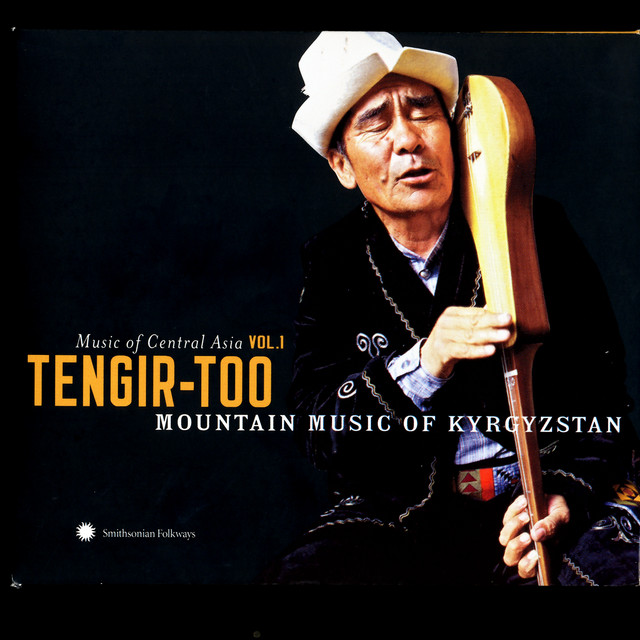
Ensemble Tengir-Too
Central Asian Folk
Traditional Folk
Traditional Music
1
/5
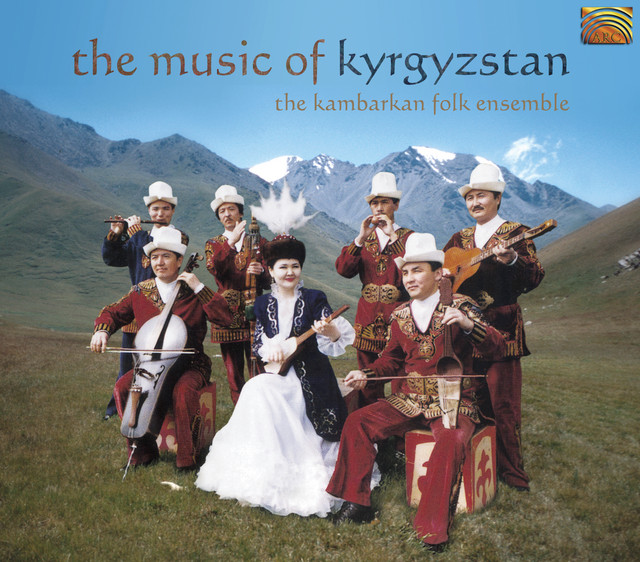
Kambarkan Folk Ensemble
Central Asian Folk
Traditional Folk
Traditional Music
1
/5
Turgun Alimatov
Central Asian Folk
Traditional Folk
Traditional Music
1
/5
The Badakhshan Ensemble
Central Asian Folk
Traditional Folk
Traditional Music
1
/5
The Academy Of Maqâm
Central Asian Folk
Traditional Folk
Traditional Music
1
/5
Gochag Askarov
Traditional Music
Azerbaijani Mugham
Azerbaijani Music
1
/5
Elshan Mansurov
Traditional Music
Azerbaijani Mugham
Azerbaijani Music
1
/5
Bahram Mansurov
Free Jazz
Krautrock
Traditional Music
1
/5
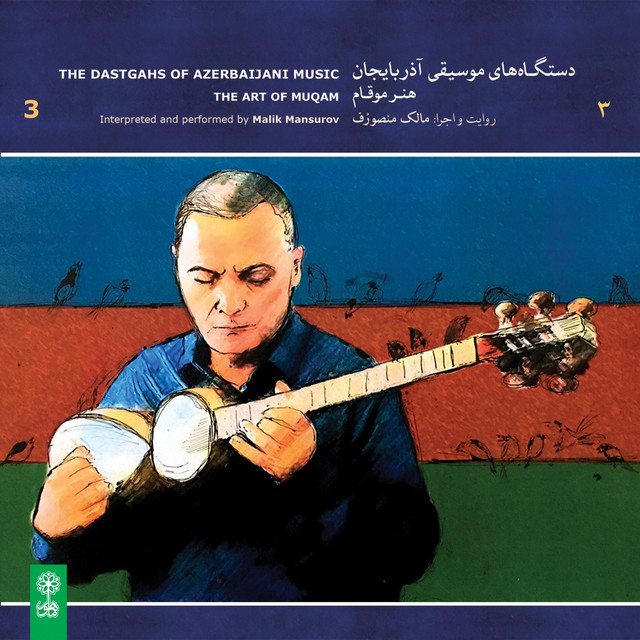
Malik Mansurov
Traditional Music
Azerbaijani Mugham
Azerbaijani Music
Download our mobile app
Get the Melodigging app and start digging for new genres on the go
Download on the App Store
Get it on Google Play
© 2026 Melodigging
Give feedback
Legal
Melodding was created as a tribute to
Every Noise at Once
, which inspired us to help curious minds keep digging into music's ever-evolving genres.