Genres
Artists
Albums
Make Music
Sign in
Sign in
Artists
Central Asian Folk
Artists
Central Asian Folk
The Academy Of Maqâm
2006
·
1 album
Listen
1
/5
Genres
Traditional Music
Traditional music is an umbrella term used in the mid–20th century by folklorists and ethnomusicologists to denote community-rooted, orally transmitted repertoires tied to social ritual, work, celebration, and storytelling. Unlike commercial pop or art-music traditions, traditional music is typically learned by ear, varies regionally, and evolves slowly through communal participation. It often features modal melodies, cyclic rhythms, heterophony or unison singing, and indigenous instruments whose timbres are integral to local identity. Lyrics tend to preserve language, history, and collective memory. While the musical practices themselves can be ancient, the phrase “traditional music” emerged to replace earlier, narrower or colonial framings like “folk” or “ethnic” music, foregrounding continuity, locality, and living practice rather than exoticism.
Discover
Listen
Traditional Folk
Traditional folk is a broad umbrella for orally transmitted songs and dance tunes that circulated in rural and working-class communities before the age of mass recording. Repertoires include narrative ballads, laments, love songs, work songs, lullabies, and instrumental dance sets such as reels, jigs, hornpipes, and marches. Stylistically, traditional folk favors strophic forms, pentatonic or modal melodies (often Dorian and Mixolydian), limited harmonic movement, and strong, memorable tunes designed for communal singing and dancing. Performances range from unaccompanied solo voice to small ensembles built around fiddle, flute/whistle, pipes, concertina/accordion, guitar, banjo, and frame drum. Ornamentation, variation by verse, and flexible tempo are integral, reflecting an oral tradition where songs live through continual reinterpretation. Although it is pan‑regional, the modern idea of “traditional folk” coalesced in the 19th century through collectors and revivalists who documented vernacular music and framed it as cultural heritage.
Discover
Listen
Shashmaqam
Shashmaqam is the classical modal suite tradition of the Tajik and Uzbek cultural sphere, centered historically in the cities of Bukhara and Samarkand. The name means "six maqams," referring to its six principal modes: Buzruk, Rost, Navo, Dugah, Segah, and Iroq. Each maqam unfolds as a large, multi-movement cycle that alternates instrumental preludes and interludes with highly ornamented vocal pieces set to Persian (Tajik) and Uzbek poetry. Performance is typically heterophonic, with subtle microtonal inflections, intricate melodic ornamentation, and cyclical rhythmic patterns (usul) articulated by the frame drum (doira). Core instruments include long-necked lutes (tanbur, dutar), the bowed sato and ghijak/kamancheh, the end-blown reed flute (nay), and the doira. The repertoire draws on Sufi-inflected lyric traditions and classical ghazal poetry (Hafez, Jami, Navoi, Bedil), balancing introspective mysticism with refined courtly elegance.
Discover
Listen
Tajik Music
Tajik music encompasses the traditional, classical, and popular music of the Tajik people in Tajikistan and the broader Central Asian region (notably Bukhara, Samarkand, and the Pamirs). It is rooted in Persianate culture and the maqam modal system, with Tajik language (a variety of Persian) and Pamiri languages shaping its poetic and vocal aesthetics. Its classical pillar is the urban suite tradition of Shashmaqam, while the emblematic mountain style Falak expresses laments and ecstatic praise through highly ornamented, often rubato singing. Pamiri music from Badakhshan adds distinctive modal colors, meters, and polyphonic textures. Across styles, typical instruments include the dutar and tanbur (long‑necked lutes), ghijak/kamancheh (spike fiddle), rubab, nay/ney, and the doira frame drum. Modern Tajik pop blends these timbres and rhythms with contemporary production, keeping the melodic contours and poetic sensibilities of the tradition.
Discover
Listen
Uzbek Music
Uzbek music is a broad umbrella for the traditional, classical (maqom), folk, and popular styles of Uzbekistan. At its core lies the courtly shashmaqom tradition—a six-suite modal cycle (Buzruk, Rost, Navo, Dugoh, Segoh, Iroq)—alongside regional styles such as the Ferghana–Tashkent lyrical song (e.g., tanovar), the Khorezm maqom and the virtuosic Lazgi dance music. The sound world is modal, melismatic, and predominantly monophonic or heterophonic rather than harmonically chordal. Melodies unfold within maqom modes using microtonal inflections and characteristic cadences, and are supported by cyclical rhythms (usul) on the doira frame drum. Core instruments include long-necked lutes (dutar, tanbur, sato), the bowed ghijak, end-blown nai, double-reed surnay, ceremonial karnay trumpet, and various percussions. Vocal traditions range from intimate ghazal settings to the powerful, group-projected Katta Ashula and epic dastan singing by bakhshi storytellers. Over the 20th century, Uzbek estrada (popular song) and large ensembles blended these idioms with Western instruments and studio production, while post-independence scenes revived heritage performance practice and fostered globally minded fusions.
Discover
Listen
Central Asian Folk
Central Asian folk is a broad family of traditional musics from the steppes and oases of modern Uzbekistan, Kazakhstan, Kyrgyzstan, Tajikistan, Turkmenistan, and the Uyghur region. It blends nomadic bardic traditions with urban courtly repertoires that developed along Silk Road trade routes. Characteristic timbres come from long‑necked lutes (dutar, tanbur, dombra), bowed spike fiddles (ghijak/kamancha), jaw harps (temir komuz), frame drums (doira/dap) and end‑blown flutes (surnai/nay). Melodies are highly ornamented and often modal (maqam/muqam), while steppe styles favor pentatonic and heptatonic pitch collections and drone‑based textures. Rhythms can be fluid and rubato in epic recitation, or dance‑like with asymmetric meters (5/8, 7/8, 10/8) in festive music. Forms range from extended suites (Shashmaqam, Muqam) to instrumental tone‑poems (Kazakh kui), devotional songs (zikr‑related repertoires), and vast oral epics like the Kyrgyz Manas. Performance practice emphasizes heterophony, call‑and‑response, melisma, and storytelling.
Discover
Listen
Albums
2006
1
/5
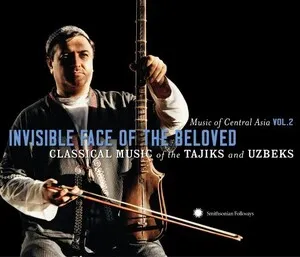
Music of Central Asia Vol. 2: Invisible Face of the Beloved – Classical Music of the Tajiks and Uzbeks
The Academy of Maqâm
Uzbek Music
Shashmaqam
Tajik Music
Similar artists
1
/5
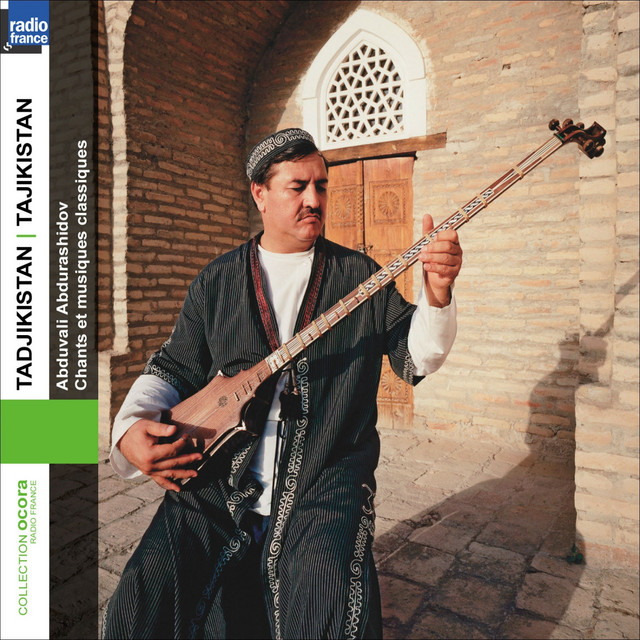
Abduvali Abdurashidov
Central Asian Folk
Traditional Folk
Central Asian Music
1
/5
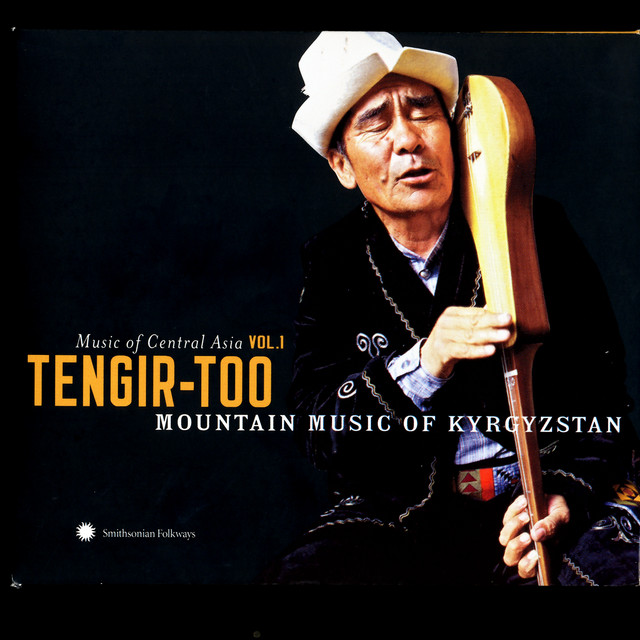
Ensemble Tengir-Too
Central Asian Folk
Traditional Folk
Traditional Music
1
/5
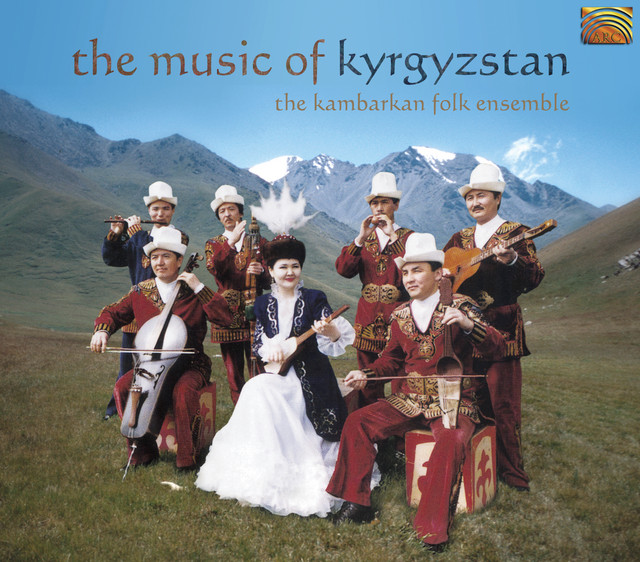
Kambarkan Folk Ensemble
Central Asian Folk
Traditional Folk
Traditional Music
1
/5
Turgun Alimatov
Central Asian Folk
Traditional Folk
Traditional Music
1
/5
The Badakhshan Ensemble
Central Asian Folk
Traditional Folk
Traditional Music
1
/5
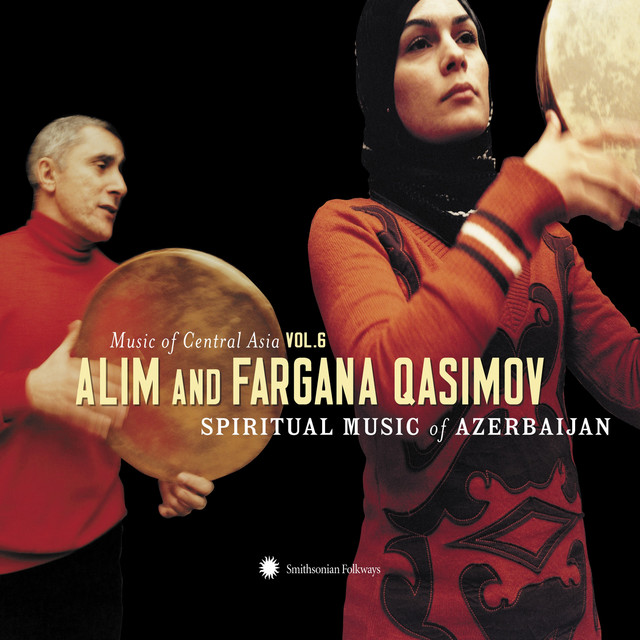
Fargana Qasimov
Azerbaijani Music
Traditional Folk
Traditional Music
1
/5
Various Artists
Afro-Funk
Alternative Rock
Ambient
3
/5
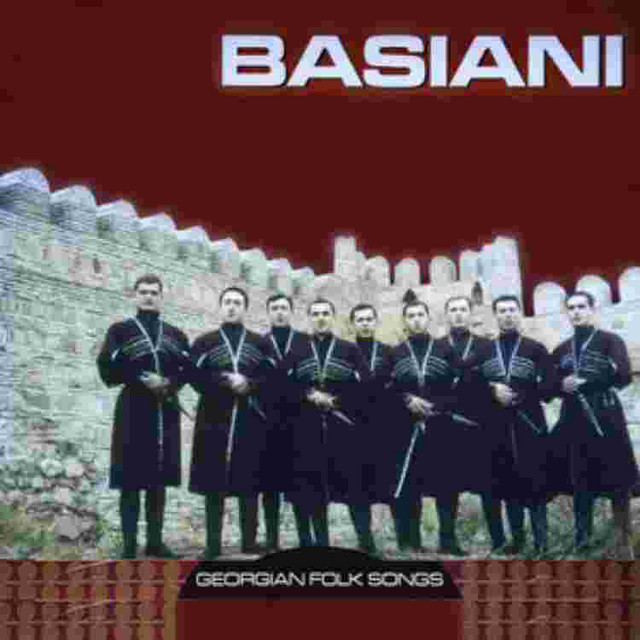
Basiani Ensemble
Georgian Folk Music
Traditional Folk
Traditional Music
3
/5
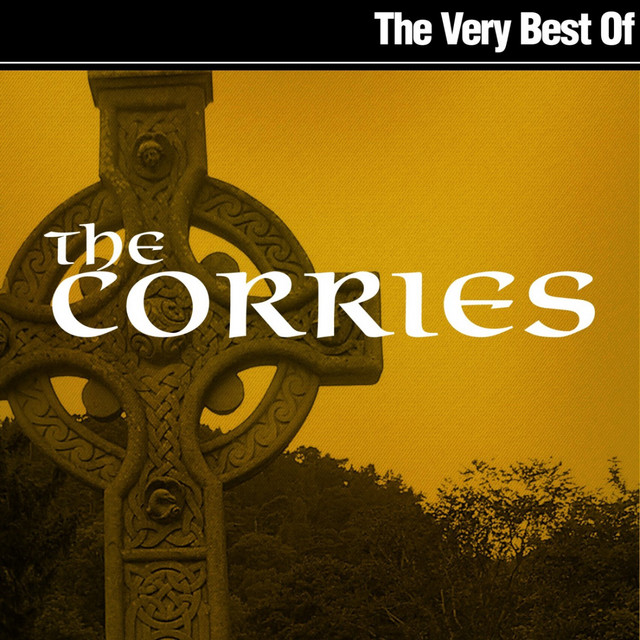
The Corries
Scots Song
Scottish Folk Revival
Celtic
2
/5
Paul Meehan
Celtic
Traditional Folk
Traditional Music
Download our mobile app
Get the Melodigging app and start digging for new genres on the go
Download on the App Store
Get it on Google Play
© 2026 Melodigging
Give feedback
Legal
Melodding was created as a tribute to
Every Noise at Once
, which inspired us to help curious minds keep digging into music's ever-evolving genres.