Genres
Artists
Albums
Make Music
Sign in
Sign in
Artists
Baroque
Artists
Baroque
Augsburger Domsingknaben
2017
·
1 album
Listen
2
/5
Genres
Classical Contralto
Classical contralto refers to the lowest standard female voice type in Western classical music, with a rich, dark timbre and a comfortable tessitura centered in the lower middle register. Typical written range spans roughly E3–F5 (or even down to C3 for true contraltos), with the most resonant, characteristic sound in the low and low‑middle range. The contralto voice is heard in opera, oratorio, cantata, lieder/art song, and symphonic choral repertoire. It often embodies characters of gravitas—mothers, sorceresses, noble confidantes—or delivers contemplative and devotional solos in sacred works. Stylistically, contraltos excel at sustained legato, chiaroscuro shading, and text‑centered delivery; in Baroque music they also negotiate tasteful ornamentation with a dignified, grounded color that differs from the brilliance of soprano or the warmth of mezzo-soprano.
Discover
Listen
Baroque
Baroque is a period and style of Western art music spanning roughly 1600–1750. It is characterized by the birth of functional tonality, the widespread use of basso continuo (figured bass), and a love of contrast—between soloist and ensemble, loud and soft, and different timbres. Hallmark genres and forms of the era include opera, cantata, oratorio, concerto (especially the concerto grosso), dance suite, sonata, and fugue. Textures range from expressive monody to intricate counterpoint, and melodies are richly ornamented with trills, mordents, and appoggiaturas. Baroque music flourished in churches, courts, and theaters across Europe, with regional styles (Italian, French, German, English) shaping distinctive approaches to rhythm, dance, harmony, and ornamentation.
Discover
Listen
Choral
Choral refers to music written for and performed by a choir—an ensemble of voices organized into sections such as soprano, alto, tenor, and bass (SATB), or same-voice groupings (SSA, TTBB). It encompasses both sacred and secular repertoire and may be sung a cappella or with accompaniment by organ, piano, or full orchestra. Stylistically, choral music ranges from chant-like monophony to intricate polyphony and rich homophonic textures. Texts are drawn from liturgy, scripture, poetry, and vernacular sources, and are set in many languages. Performance contexts include church services, concert halls, and community events, making choral one of the most socially embedded and widely practiced forms of ensemble music. Across history, choral music has served as a laboratory for vocal counterpoint, word painting, and text-driven form, while functioning as a cultural bridge among religious rites, national traditions, and contemporary concert practice.
Discover
Listen
Albums
2017
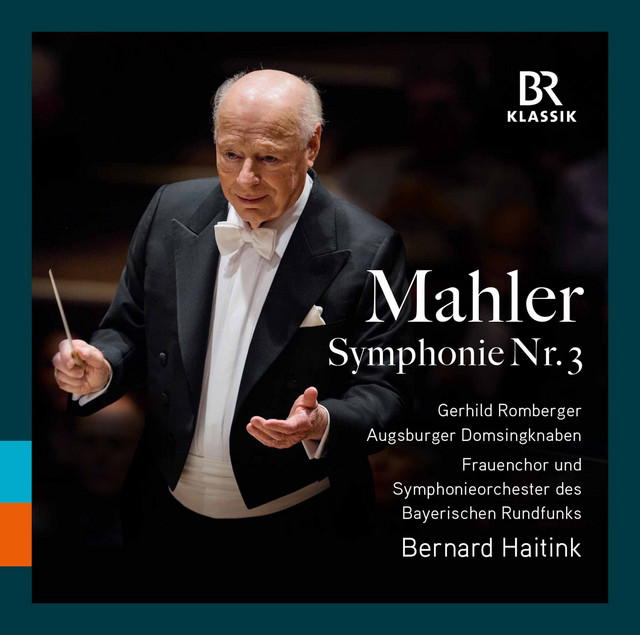
Mahler: Symphony No. 3 in D Minor
Gustav Mahler, Gerhild Romberger, Augsburger Domsingknaben, Frauenchor des Baye…
Classical Contralto
Similar artists
4
/5
Johann Sebastian Bach
Baroque
Classical
Baroque Suite
4
/5
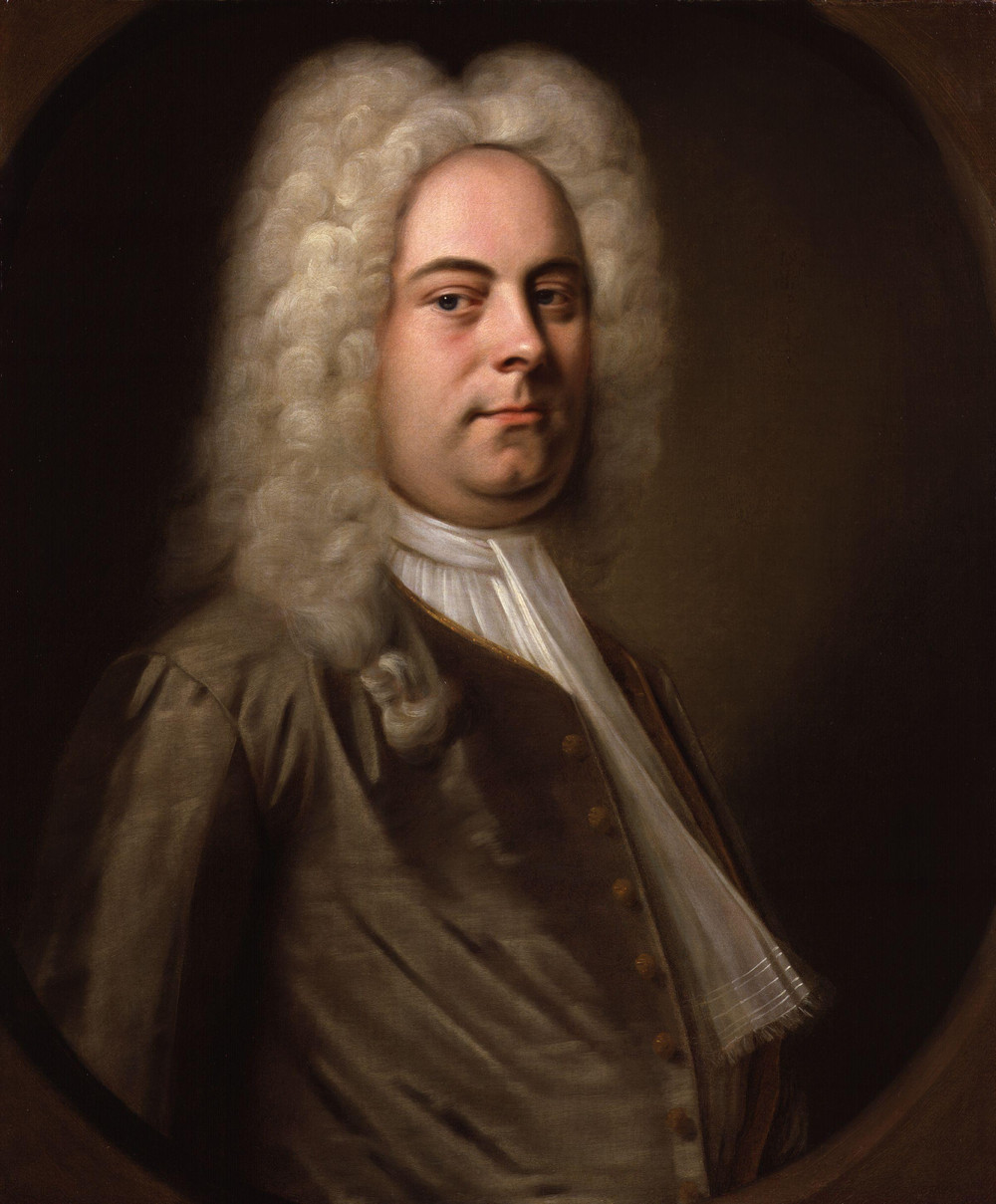
George Frideric Handel
Classical
Opera Seria
Classical Countertenor
3
/5
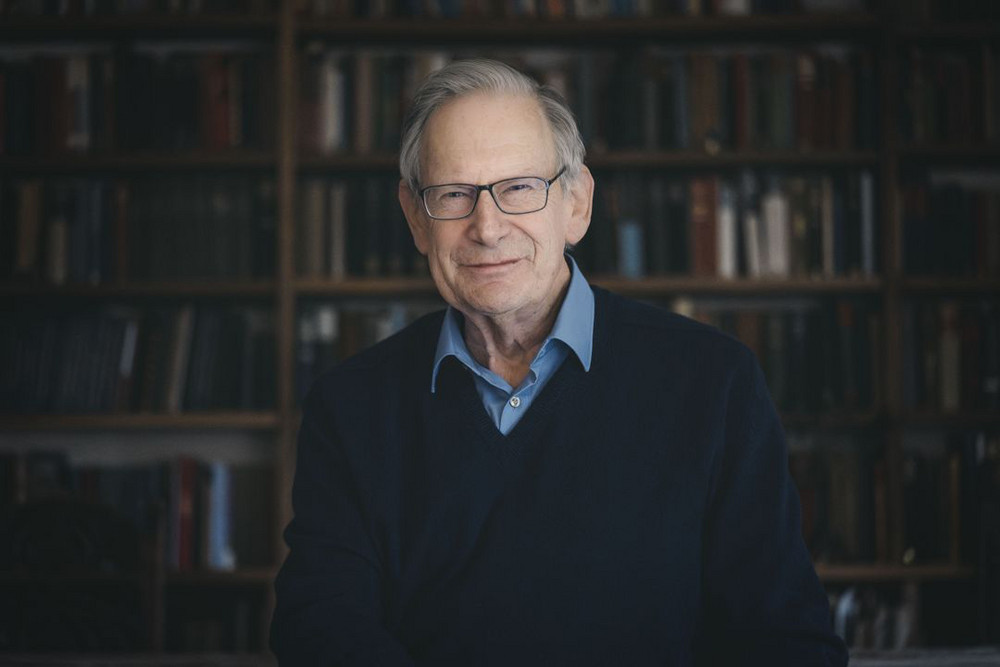
John Eliot Gardiner
Baroque
Classical
Choral
3
/5
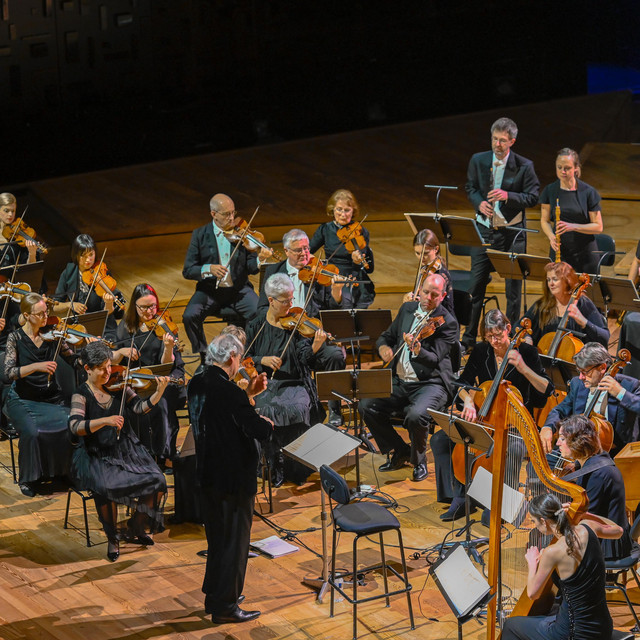
English Baroque Soloists
Baroque
Classical
Choral
3
/5
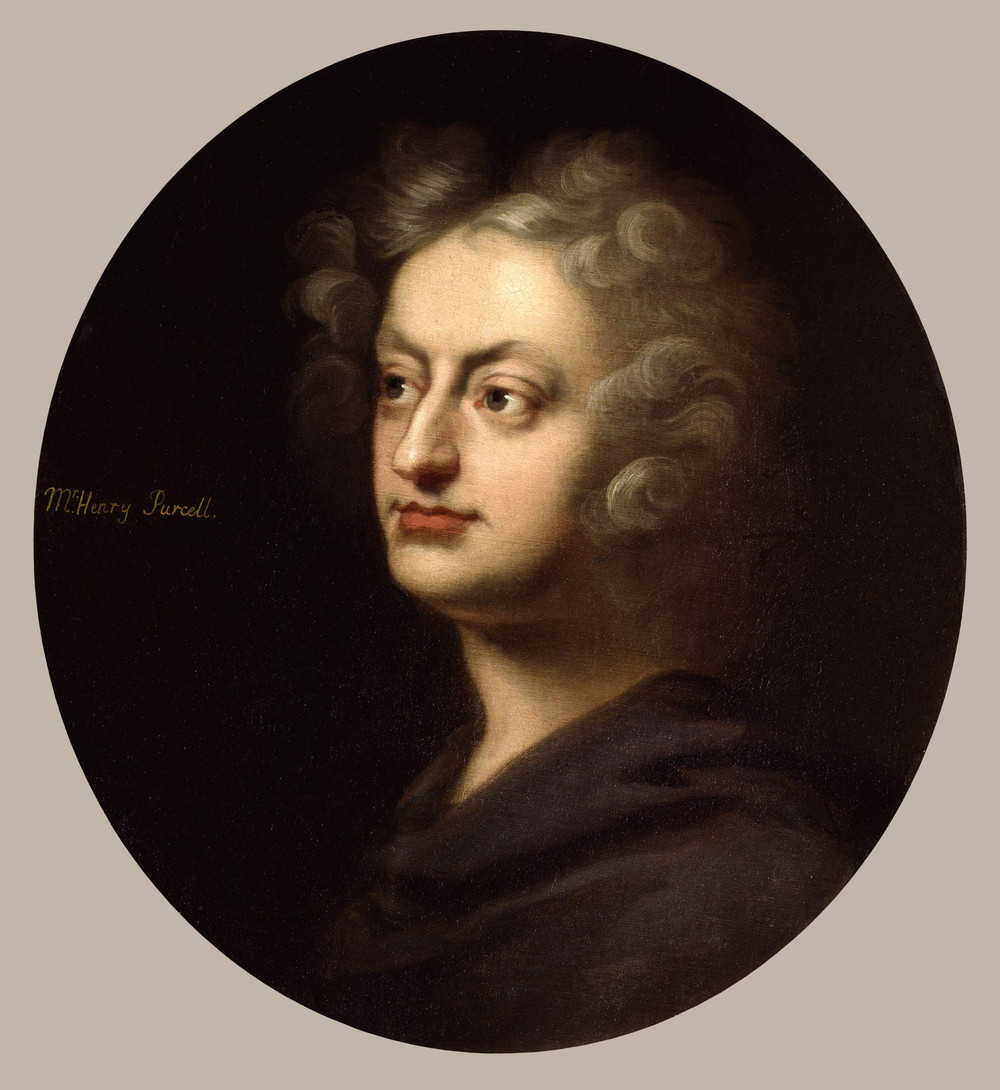
Henry Purcell
Classical
Fantasia
Baroque
3
/5
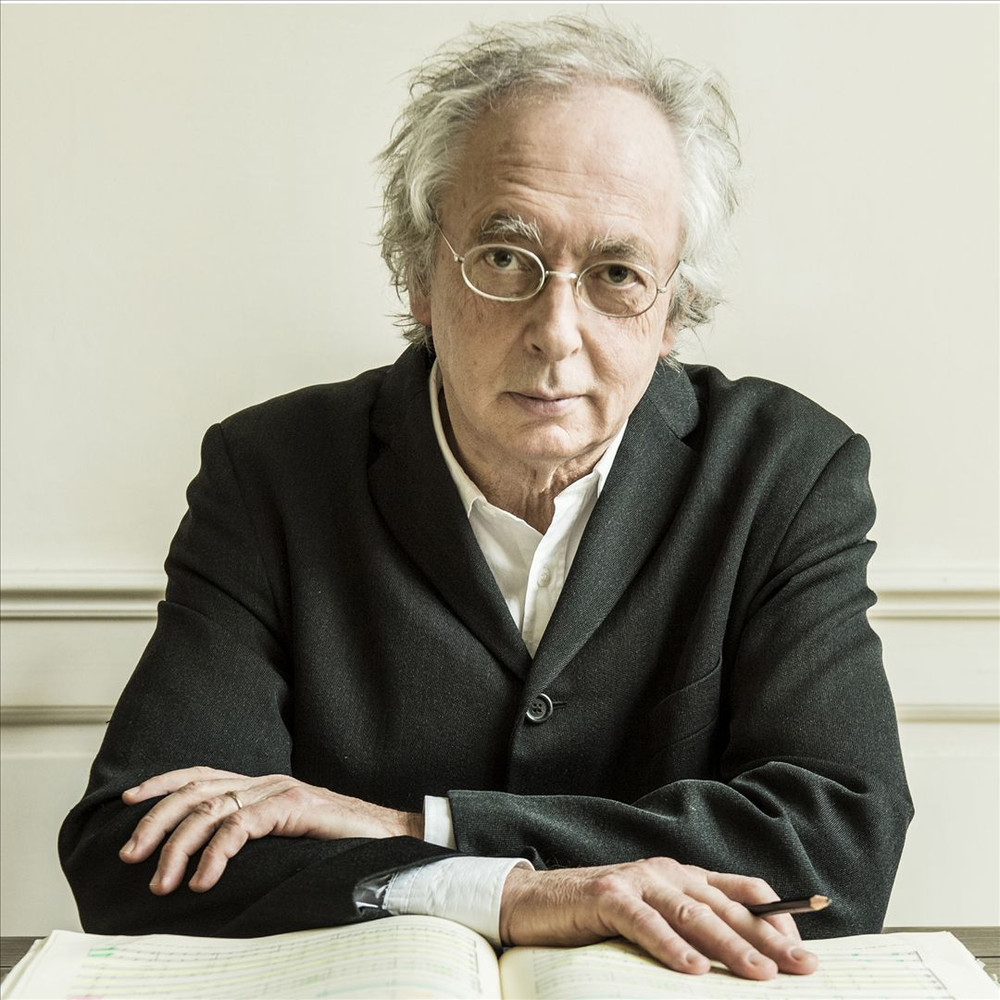
Philippe Herreweghe
Classical
Baroque
Choral
3
/5
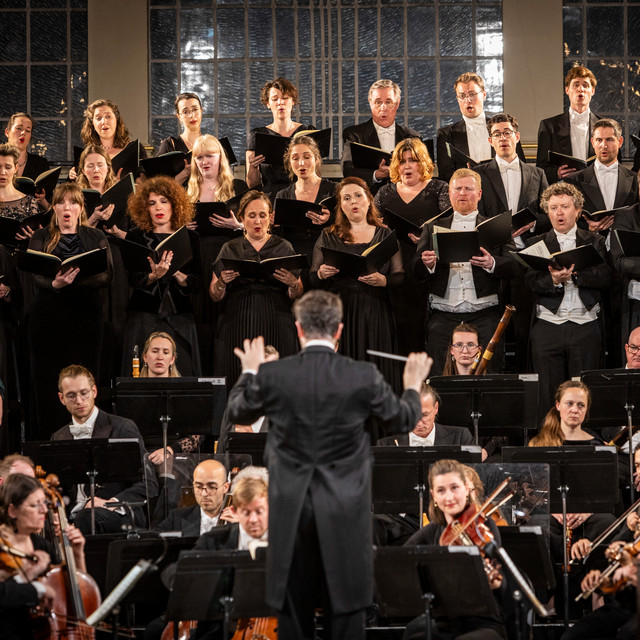
Monteverdi Choir
Baroque
Choral
Classical
3
/5
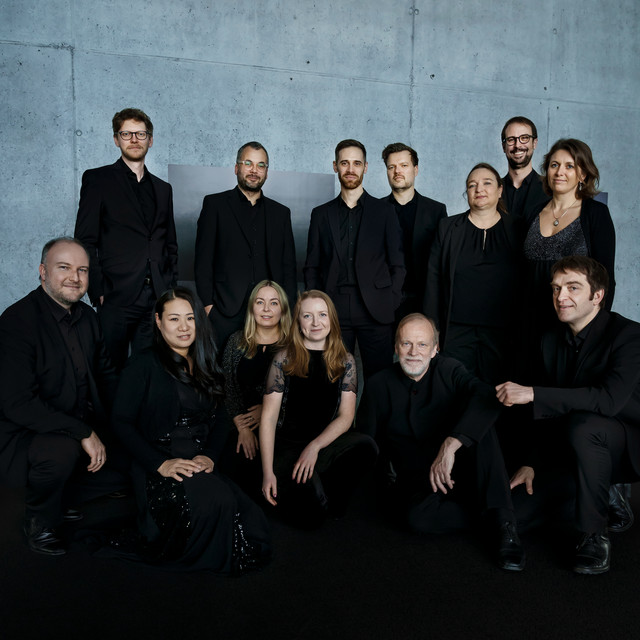
Collegium Vocale Gent
Classical
Baroque
Cantata
3
/5
Orchestra of the Age of Enlightenment
Baroque
Classical
Concerto
3
/5
Münchener Bach-Orchester
Baroque
Classical
Choral
Download our mobile app
Get the Melodigging app and start digging for new genres on the go
Download on the App Store
Get it on Google Play
© 2026 Melodigging
Give feedback
Legal
Melodding was created as a tribute to
Every Noise at Once
, which inspired us to help curious minds keep digging into music's ever-evolving genres.