Genres
Artists
Albums
Make Music
Sign in
Sign in
Artists
Afro Rock
Artists
Afro Rock
Assagai
Listen
Genres
Afro Rock
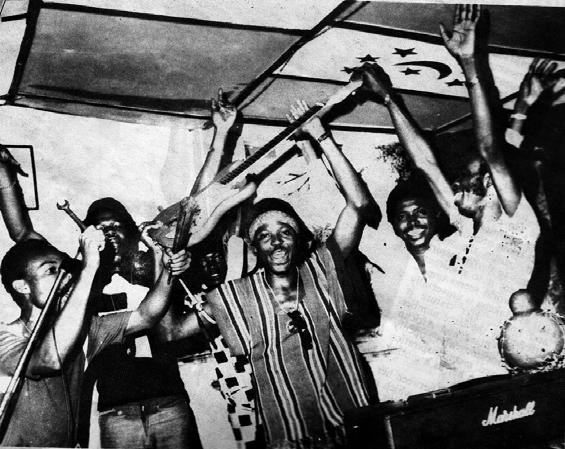
Afro rock is a fusion of African popular and traditional rhythms with the power, instrumentation, and song forms of rock music. It typically blends electric guitar riffs, bass-driven grooves, trap-set drumming, and horns with polyrhythms drawn from styles such as highlife, afrobeat, and juju. The result is a propulsive, dance-forward sound that can be earthy and communal yet also psychedelic and exploratory. Emerging at the turn of the 1970s, afro rock drew on the global spread of rock and funk while foregrounding African rhythmic cycles, call-and-response vocals, and percussion. It often features extended jams, bright horn lines, and chant-like hooks, sitting comfortably between concert-stage rock energy and down-home, party-starting social dance music.
Discover
Listen
Afrobeat
Afrobeat is a horn-driven, polyrhythmic, and politically charged style that emerged in Nigeria, spearheaded by bandleader Fela Kuti and drummer Tony Allen. It fuses West African highlife and juju with American funk, jazz, and soul to create extended, hypnotic grooves. Typical tracks revolve around interlocking guitar and keyboard ostinatos, elastic bass vamps, dense percussion (shekere, congas, agogô, cowbell), and tightly arranged horn riffs that punctuate the beat. Vocals often use call-and-response and socially conscious lyrics, delivered in English, Nigerian Pidgin, or Yoruba. Harmonically sparse but rhythmically intricate, Afrobeat prioritizes feel: long, evolving arrangements, richly syncopated drum patterns, and sectional dynamics that spotlight solos and collective interplay.
Discover
Listen
Jazz Fusion
Jazz fusion (often simply called "fusion") blends the improvisational language and harmonic richness of jazz with the amplified instruments, grooves, and song forms of rock, funk, and R&B. It typically features electric guitars, electric bass or fretless bass, Rhodes electric piano, clavinet, analog and digital synthesizers, and a drum kit playing backbeat- and syncopation-heavy patterns. Hallmarks include extended chords and modal harmony, complex and shifting meters, brisk unison lines, virtuosic improvisation, and a production aesthetic that embraces effects processing and studio craft. The style ranges from fiery, aggressive workouts to polished, atmospheric textures, often within the same piece. Emerging in the late 1960s and flourishing through the 1970s, jazz fusion became a bridge between jazz audiences and rock/funk listeners, shaping later styles such as jazz-funk, smooth jazz, nu jazz, and parts of progressive and technical rock/metal.
Discover
Listen
Psychedelic Rock
Psychedelic rock is a style of rock music that seeks to evoke, simulate, and expand altered states of consciousness through sound. It typically features timbral experimentation (fuzz, wah, tape delay, phasing), drones, modal or raga-influenced harmony, extended improvisation, studio-as-instrument production, and surreal, mystical, or mind-expanding lyrics. Emerging from mid-1960s counterculture, it fused garage-band energy with folk, blues, and non-Western musical ideas—especially Indian classical ragas—while embracing new studio technologies and concert light shows. Both a live and a studio art, psychedelic rock ranges from jangly, kaleidoscopic pop to heavy, hypnotic jams and cosmic soundscapes.
Discover
Listen
Highlife
Highlife is a popular music genre from Ghana that blends indigenous rhythmic cycles and song forms with Western instrumentation and harmonies. It is instantly recognizable by its bright, interlocking guitar lines (often played with a two‑finger plucking technique), buoyant polyrhythms, call‑and‑response vocals, and jazzy horn riffs. Early dance‑band highlife favored brass and woodwinds (trumpet, saxophone, trombone) and big‑band arrangements, while guitar‑band highlife drew from palm‑wine guitar styles with lighter, lilted grooves. Across its variants, the music typically sits in major or mixolydian tonalities and uses dominant 7th/9th chord colors. From its coastal roots in the late 19th and early 20th centuries to post‑independence urban dance halls, highlife has continually evolved, later embracing electric guitars, synthesizers, and drum machines—yielding contemporary uptempo, synth‑driven forms that still retain the genre’s danceable feel.
Discover
Listen
Similar artists
2
/5
The Funkees
Afro-Funk
Afrobeat
Funk
1
/5
Various Artists
Soundtrack
Afro-Funk
Alternative Rock
4
/5
Santana
Latin Rock
Rock
Blues Rock
2
/5
Osibisa
Afro Rock
Highlife
Afrobeat
2
/5
BLO
Afro Rock
Afrobeat
Highlife
1
/5
Ofo The Black Company
Afrobeat
Highlife
Afro Rock
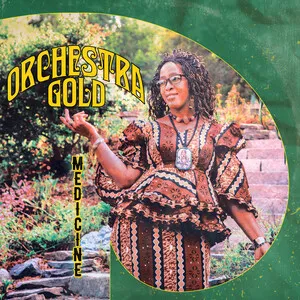
Orchestra Gold
Afro Rock
Afrobeat
Psychedelic Rock
4
/5
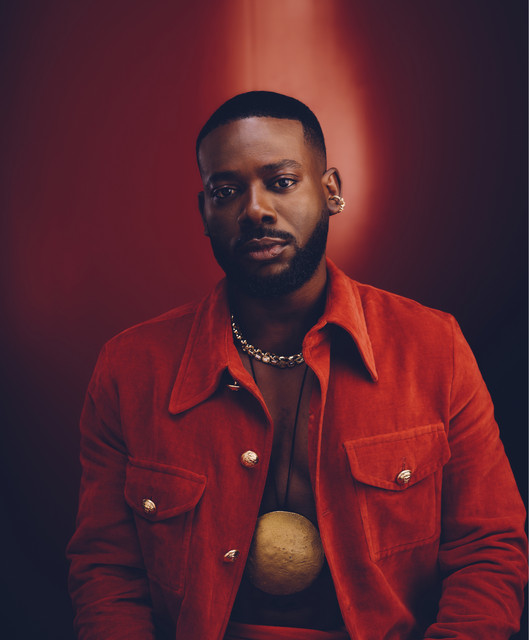
Adekunle Gold
Azontobeats
Afro Soul
Afroswing
4
/5
Phyno
Highlife
Afropop
Hiplife
4
/5
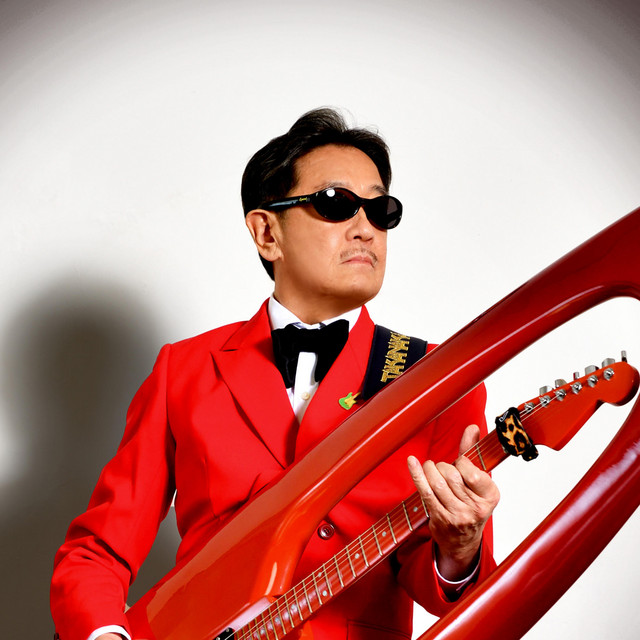
Masayoshi Takanaka
Jazz Fusion
Jazz-Funk
City Pop
Download our mobile app
Get the Melodigging app and start digging for new genres on the go
Download on the App Store
Get it on Google Play
© 2026 Melodigging
Give feedback
Legal
Melodding was created as a tribute to
Every Noise at Once
, which inspired us to help curious minds keep digging into music's ever-evolving genres.