Genres
Artists
Albums
Make Music
Sign in
Sign in
Artists
Soul
Artists
Soul
Aretha Franklin
1967–1972
·
7 albums
Listen
4
/5
Genres
Chill Pop
Chill pop is a contemporary pop micro‑genre that blends radio‑friendly songwriting with the mellow textures of chillout and lo‑fi aesthetics. It favors soft vocals, smooth synths, clean guitar plucks, understated bass, and relaxed, mid‑tempo grooves. Instead of big, bombastic hooks, chill pop tends toward intimate, conversational melodies and minimal, airy arrangements. Production often borrows from bedroom pop and alternative R&B—subtle trap hi‑hats, warm saturation, roomy reverbs, and gentle side‑chain compression—to create a breezy, pastel sound palette well suited to playlists and late‑night listening. Lyrically, chill pop is introspective and relatable: romance, longing, gentle optimism, and coming‑of‑age themes delivered in a plain‑spoken, whisper‑close tone. The result sits between indie pop’s understated cool and mainstream pop’s catchy structures, optimized for the streaming era’s mood‑driven consumption.
Discover
Listen
Indian Indie
Indian indie is the umbrella for independent, non-film music made in India across languages such as Hindi, English, and numerous regional tongues. It is defined more by its DIY production and artist-led release model than by a single sound. Musically, it spans indie pop and rock, folk-fusion, singer‑songwriter ballads, dream‑pop/shoegaze textures, and electronic‑leaning productions. Artists often blend Western harmony and song forms with raga‑tinged melodies, Indian rhythmic feels, and occasional use of traditional instruments like tabla, bansuri, or sitar. The scene grew rapidly with college festivals, small venues, and digital platforms (YouTube, streaming services, Bandcamp), plus boutique labels and festivals such as NH7 Weekender that created national visibility. Lyrically, it tends to be intimate and contemporary—touching on romance, urban life, identity, and nostalgia—while maintaining accessible hooks and warm, organic sonics.
Discover
Listen
New London Jazz
New London Jazz is a contemporary jazz movement centered in London that fuses classic jazz language with Afro-diasporic rhythms, UK club culture, and DIY community energy. It is characterized by polyrhythmic drumming, strong bass foundations drawn from sound‑system culture, concise melodic hooks for horns, and open, riff‑based vamps that invite collective improvisation. Aesthetically it sits between spiritual jazz, afrobeat/highlife grooves, broken beat and hip hop, often performed with the immediacy of a live dance set while retaining the harmonic curiosity of modern jazz. Grassroots platforms such as Tomorrow’s Warriors, Jazz re:freshed, Steam Down, Church of Sound, and the Total Refreshment Centre incubated the scene, while labels and curators like Brownswood amplified it globally.
Discover
Listen
Nyc Pop
NYC pop is a contemporary, hook-forward strain of alternative pop centered on artists living and working in New York City. It blends the sheen of electropop and dance-pop with the songwriting sensibilities of indie pop and indie rock, often pairing bright synths, rhythmic guitars, and punchy drums with large, chantable choruses. Lyrically, it frequently references urban life, ambition, relationships, and self-discovery, capturing the speed, romance, and pressure-cooker energy of the city. Production is glossy but retains an indie edge: live instruments sit beside modern electronic textures, with crisp vocal stacking and ear-catching toplines designed for both radio and festival stages.
Discover
Listen
Shimmer Psych
Shimmer psych is a contemporary strand of neo‑psychedelia that pairs sparkling, chorus‑washed guitars and gauzy vocal harmonies with dreamy pop songcraft. It emphasizes high‑end "shimmer," tape‑soft saturation, hypnagogic textures, and melodic hooks, sitting between dream pop, jangle pop, and classic psychedelic rock. Typical tracks are mid‑tempo, built on warm bass lines, gentle motorik or laid‑back breakbeats, and drenched in reverb, phaser, and delay. The result is sun‑bleached, nostalgic, and kaleidoscopic rather than heavy or jam‑oriented.
Discover
Listen
Tech-Noir
Tech-noir is a musical subgenre and aesthetic within the synthwave and darksynth scenes, characterized by a dark, cinematic, and dystopian atmosphere. It draws heavy inspiration from 1980s science fiction and neo-noir films, blending retro-futuristic synthesizer melodies with driving basslines and industrial elements. The music often incorporates narrative storytelling, spoken word samples, and soundscapes that evoke a sense of urban decay, high-tech menace, and cynical romance.
Discover
Listen
Black Americana
Black Americana is a contemporary umbrella genre that centers Black artists within the traditions of Americana (roots-based U.S. music such as folk, country, blues, gospel, and soul). It often blends acoustic storytelling and roots instrumentation with Black musical lineages, highlighting themes of migration, labor, faith, resilience, love, and social justice. Rather than a single fixed sound, it is a scene and framing that reconnects “Americana” to its multiracial roots while pushing the style forward with modern production, R&B/soul phrasing, and genre-crossing songwriting.
Discover
Listen
Lilith
Lilith is a mood-driven, internet-native microgenre that blends dark, feminine alternative pop with elements of trip hop, dream pop, witch house, and ethereal wave. It favors breathy or intimate vocals drenched in reverb, slow to mid-tempo grooves, spectral pads, and cinematic, minor-key harmonies that evoke occult, gothic, or mythic imagery. The overall sound is bass-forward yet gauzy: sub-heavy 808s or dusty breakbeats sit under shimmering guitars, distant choirs, and textural synths. Lyrically, Lilith leans into vulnerability, power, hauntings, and desire—frequently framed through confessional writing and ritual or nocturnal symbolism. It’s less a scene tied to a single city than a streaming-era aesthetic, cohering through playlists and social media communities.
Discover
Listen
Souldies
Souldies is a modern revival of classic lowrider “oldies” soul—slow, tender ballads rooted in 1960s and early-’70s sweet soul and doo‑wop aesthetics, reimagined by a new generation of largely Chicano/Latinx artists in Southern California. Characterized by warm, analog-leaning production, mellow backbeats, honeyed vocal harmonies, and heart‑on‑sleeve lyricism, the style favors mid‑slow tempos, tape‑like saturation, spring/plate reverb, and minimalist yet expressive arrangements. English and Spanish (or Spanglish) lyrics often explore love, longing, devotion, and cruising/lowrider culture. Souldies sits at the intersection of classic soul, rhythm & blues, northern soul selections, and Latin soul, offering a contemporary, community‑centered sound that feels both timeless and newly personal.
Discover
Listen
Bossbeat
Bossbeat is an internet‑born, high‑octane branch of EDM tailored to evoke the intensity of a video‑game “boss fight.” Producers fuse modern dubstep and trap sound design with melodic, leitmotif‑driven writing borrowed from video game music and film scoring, aiming for cinematic build‑ups and explosive, riff‑like drops. Characteristic features include minor‑key motifs, fast and syncopated percussion, halftime switch‑ups, aggressive bass design (growls, reeses, metallic FM), and hybrid orchestral layers (brass stabs, choirs, epic drums). The result is music that feels both dance‑floor ready and narratively dramatic—perfect for action montages, game content, and creator culture.
Discover
Listen
Retro Pop
Retro pop is contemporary pop music that deliberately evokes the sound, songwriting, and studio aesthetics of earlier eras—most commonly the late 1970s and 1980s, but also the 1960s girl‑group era, 1970s disco, soft rock, and early 1990s pop-R&B. Hallmarks include analog-leaning synth textures, danceable four-on-the-floor or funky backbeats, prominent basslines, glossy chorus-heavy guitars, gated-reverb drums, stacked background vocals, and big, unforgettable hooks. While its palette looks backward, retro pop uses modern production workflows—tight low-end, streaming-friendly loudness, and contemporary vocal processing—so it feels nostalgic yet current. Lyrically, retro pop often pairs timeless pop themes (romance, yearning, nightlife, bittersweet memories) with sleek, neon-tinged imagery and cinematic nostalgia, bridging classic pop sensibilities with today’s chart expectations.
Discover
Listen
Southern Soul
Southern soul is a regional style of 1960s soul music rooted in the U.S. South, centered on Memphis, Tennessee, and Muscle Shoals, Alabama. It blends the sanctified fervor of Black gospel with the grit of Southern rhythm & blues, blues, and the storytelling sensibility of country. Compared with the smoother, pop-oriented Motown sound, Southern soul is rawer and more church-inflected: impassioned lead vocals, call-and-response backing, handclaps, Hammond organ swells, tight horn stabs, and a deep pocket rhythm section. Classic recordings were cut largely live in the studio by house bands like Booker T. & the M.G.'s and the Muscle Shoals Rhythm Section, capturing a warm, unvarnished groove.
Discover
Listen
Deep Soul
Deep soul is a raw, gospel-drenched strain of soul music that crystallized in the American South in the mid-1960s. It is defined by impassioned, church-influenced vocals; earthy rhythm sections; warm, live horn arrangements; and a focus on emotional immediacy over studio polish. Typically recorded at studios such as Stax (Memphis), FAME (Muscle Shoals), and Hi Records (Memphis), deep soul blends blues grit, rhythm & blues structures, and gospel’s call-and-response into slow-burning 12/8 ballads and fervent mid-tempo stompers. Lyrically it centers on heartbreak, devotion, betrayal, resilience, and everyday struggle, delivered with fervor that borders on testimonial.
Discover
Listen
Classic Soul
Classic soul is the 1960s–early 1970s strain of soul music that fused gospel's emotive vocals and church-derived harmony with the backbeat and instrumentation of rhythm & blues. It emphasizes powerful lead singing, call-and-response with background vocals, tight rhythm sections, and punchy horn arrangements. The sound ranges from uptempo, danceable singles to deeply expressive ballads in 12/8 time. Production is typically warm and analog, with live bands, tambourine and handclaps on the backbeat, and arrangements crafted for immediacy and drama. Lyrical themes center on love, heartbreak, perseverance, community, and, at times, social conscience.
Discover
Listen
Motown
Motown (often called the "Motown Sound" or Detroit soul) is a sleek, hook-driven form of soul that fused Black gospel fervor and rhythm & blues groove with pop songwriting craft and radio-friendly production. Born out of Berry Gordy Jr.’s Motown Records in Detroit, the sound emphasized strong melodies, tight vocal harmonies, and a driving backbeat designed for broad crossover appeal. Hallmarks include tambourine on the backbeat, handclaps, punchy horns and strings, shimmering glockenspiel or vibraphone accents, and highly melodic bass lines. Lead vocals often deliver heartfelt, universal stories of love and heartbreak, answered by responsive background harmonies. Songs typically use concise verse–chorus forms, bridges, and modulations to keep energy rising. Behind many hits was the Motown house band, the Funk Brothers, whose danceable grooves powered an assembly-line approach to songwriting and production—resulting in an unmatched run of chart-topping records that reshaped the sound of American pop.
Discover
Listen
Pop Soul
Pop soul is a crossover style that blends the emotive vocals, gospel-rooted harmonies, and backbeat of soul music with the concise song forms, catchy hooks, and polished production of mainstream pop. It emphasizes memorable choruses, smooth lead vocals, tight background harmonies, and radio-friendly arrangements designed for broad appeal. The sound is often defined by a crisp rhythm section, tambourine on the backbeat, melodic bass lines, piano/organ comping, handclaps, and lush string or horn arrangements. Originating with the Motown hit-making model, pop soul prized sophisticated songwriting and sleek studio craft that could connect equally on the dance floor and the pop charts.
Discover
Listen
Soul
Soul is a genre of popular music that blends the spiritual fervor and vocal techniques of African‑American gospel with the grooves and song forms of rhythm & blues and the harmonic palette of jazz and blues. It is defined by impassioned, melismatic lead vocals; call‑and‑response with backing singers; handclaps and a strong backbeat; syncopated bass lines; and memorable horn or string riffs. Typical instrumentation includes drum kit, electric bass, electric guitar, piano or Hammond organ, horns (trumpet, saxophone, trombone), and sometimes orchestral strings. Lyrically, soul ranges from love and heartbreak to pride, social commentary, and spiritual yearning. Regionally distinct scenes—such as Detroit’s Motown, Memphis/Stax, Muscle Shoals, Chicago, New Orleans, and Philadelphia—shaped different flavors of soul, while the style’s emotional directness and rhythmic drive made it a cornerstone of later funk, disco, contemporary R&B, and hip hop.
Discover
Listen
Pop
Pop is a broad, hook-driven style of popular music designed for wide appeal. It emphasizes memorable melodies, concise song structures, polished vocals, and production intended for radio, charts, and mass media. While pop continually absorbs elements from other styles, its core remains singable choruses, accessible harmonies, and rhythmic clarity. Typical forms include verse–pre-chorus–chorus, frequent use of bridges and middle-eights, and ear-catching intros and outros. Pop is not defined by a single instrumentation. It flexibly incorporates acoustic and electric instruments, drum machines, synthesizers, and increasingly digital production techniques, always in service of the song and the hook.
Discover
Listen
R&b
R&B (Rhythm and Blues) is a vocal- and groove-centered popular music tradition that blends blues tonality, jazz harmony, and gospel-inflected singing with a steady backbeat. It emphasizes expressive lead vocals, call-and-response, lush harmonies, and danceable rhythms. From its 1940s roots in African American communities to its later evolutions, R&B has continually absorbed and reshaped surrounding sounds—from jump blues and swing in the early days to soul, funk, hip hop, and electronic production in the contemporary era. Today, R&B ranges from intimate, slow-burning ballads to club-ready tracks, all tied together by a focus on feel, melody, and vocal performance.
Discover
Listen
Traditional Black Gospel
Traditional Black Gospel is a sacred African American musical tradition that crystallized in the early 20th century and reached a "golden age" from the 1930s to the 1950s. It pairs blues-inflected melodies and jazz harmonies with congregational call-and-response, handclaps, and testimonies of faith, hope, and deliverance. Rooted in spirituals, ring shouts, hymns, and Holiness-Pentecostal worship, it features powerful lead vocals, responsive choirs or quartets, and driving rhythmic feels (often 12/8 shuffle or swung 4/4) supported by piano or Hammond organ, tambourine, and later rhythm sections. The style is performance-centered and participatory: songs intensify through vamping, ad‑libs, modulations, and dynamic swells, transforming devotional texts into communal, ecstatic praise.
Discover
Listen
Jazz Blues
Jazz blues is a hybrid idiom that merges the expressive, melodic language and 12‑bar song forms of the blues with the harmony, improvisational vocabulary, and rhythmic feel of jazz. Typically, it retains a blues structure (often the 12‑bar form) while enriching it with jazz devices such as ii–V progressions, secondary dominants, turnarounds, tritone substitutions, and extended chords (9ths, 11ths, 13ths). The feel commonly swings, with walking bass lines, comping on piano or guitar, blue notes, call‑and‑response phrasing, and solos that mix blues scales with mixolydian and bebop lines. The result ranges from earthy shuffles to urbane, harmonically sophisticated vehicles for improvisation, sitting comfortably between New Orleans roots, Kansas City riff traditions, and modern bop language.
Discover
Listen
Jazz
Jazz is an improvisation-centered music tradition that emerged from African American communities in the early 20th century. It blends blues feeling, ragtime syncopation, European harmonic practice, and brass band instrumentation into a flexible, conversational art. Defining features include swing rhythm (a triplet-based pulse), call-and-response phrasing, blue notes, and extended harmonies built on 7ths, 9ths, 11ths, and 13ths. Jazz is as much a way of making music—spontaneous interaction, variation, and personal sound—as it is a set of forms and tunes. Across its history, jazz has continually hybridized, from New Orleans ensembles and big-band swing to bebop, cool and hard bop, modal and free jazz, fusion, and contemporary cross-genre experiments. Its influence permeates global popular and art music.
Discover
Listen
Gospel
Gospel is a vocal-centered Christian genre whose lyrics explicitly express faith, salvation, hope, and communal testimony. Performances emphasize expressive lead vocals, choirs, call-and-response, and congregational participation, often supported by piano/organ, handclaps, and a rhythm section. While the modern form coalesced in the early 20th century through urban church music and the work of composer–leaders such as Thomas A. Dorsey, its roots trace back to earlier Christian hymnody and African American sacred traditions. Across cultures and denominations, gospel functions in worship, evangelism, community celebration, and—by the late 20th century—in commercial recordings and concerts. Stylistically, gospel spans traditional quartet and choir styles, “gospel blues,” and contemporary fusions with R&B, soul, pop, and hip hop. What unites these strands are dominant vocals, testimonial lyrics grounded in Scripture and lived experience, and a performance practice designed to move both spirit and body.
Discover
Listen
Blues
Blues is an African American musical tradition defined by expressive "blue notes," call-and-response phrasing, and a characteristic use of dominant-seventh harmony in cyclical song forms (most famously the 12‑bar blues). It is as much a feeling as a form, conveying sorrow, resilience, humor, and hard-won joy. Musically, blues commonly employs the I–IV–V progression, swung or shuffled rhythms, and the AAB lyric stanza. Melodies lean on the minor/major third ambiguity and the flattened fifth and seventh degrees. Core instruments include voice, guitar (acoustic or electric), harmonica, piano, bass, and drums, with slide guitar, bends, and vocal melismas as signature techniques. Over time the blues has diversified into regional and stylistic currents—Delta and Piedmont country blues, urban Chicago and Texas blues, West Coast jump and boogie-woogie—while profoundly shaping jazz, rhythm & blues, rock and roll, soul, funk, and much of modern popular music.
Discover
Listen
Show all 24 genres
Albums
1972
3
/5
Young, Gifted and Black
Aretha Franklin
Deep Soul
Southern Soul
Soul
1970
3
/5
Spirit in the Dark
Aretha Franklin
Deep Soul
Southern Soul
R&b
1970
3
/5
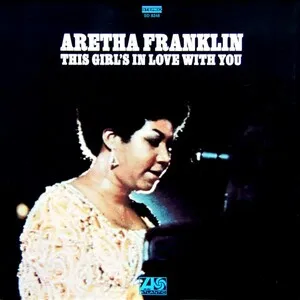
This Girl's in Love With You
Aretha Franklin
Deep Soul
Gospel
Soul
1968
4
/5
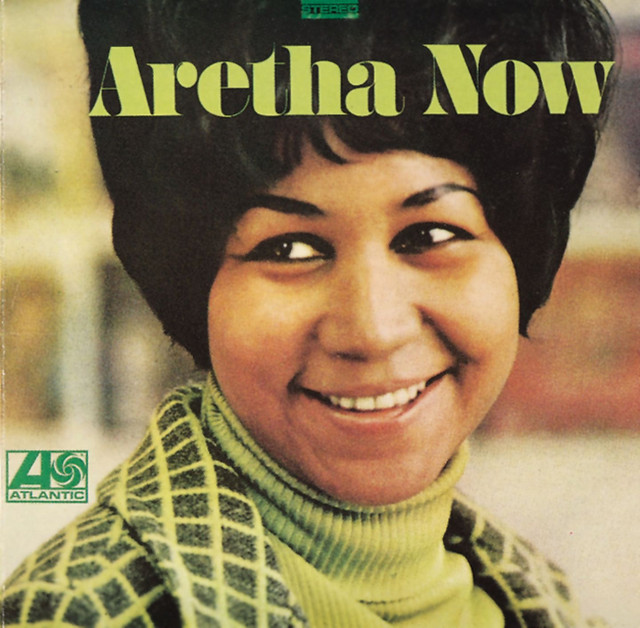
Aretha Now
Aretha Franklin
Southern Soul
Jazz Blues
Soul
1968
4
/5
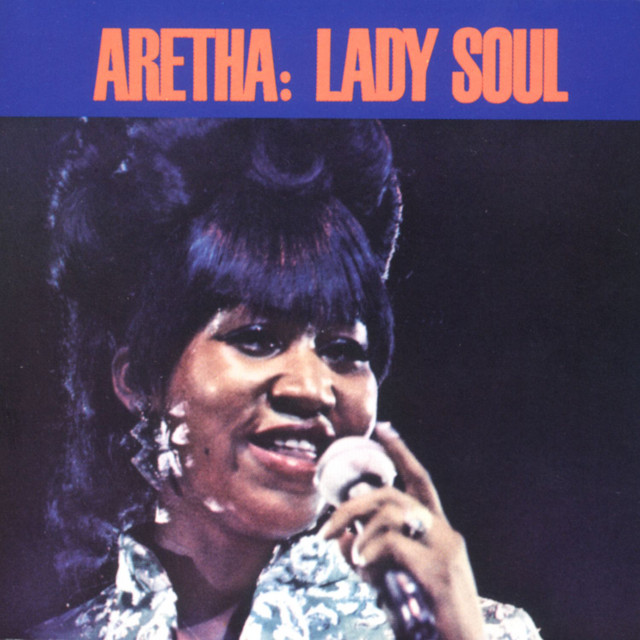
Lady Soul
Aretha Franklin
Southern Soul
Soul
R&b
1967
3
/5
Aretha Arrives
Aretha Franklin
Deep Soul
Gospel
Pop Soul
1967
4
/5
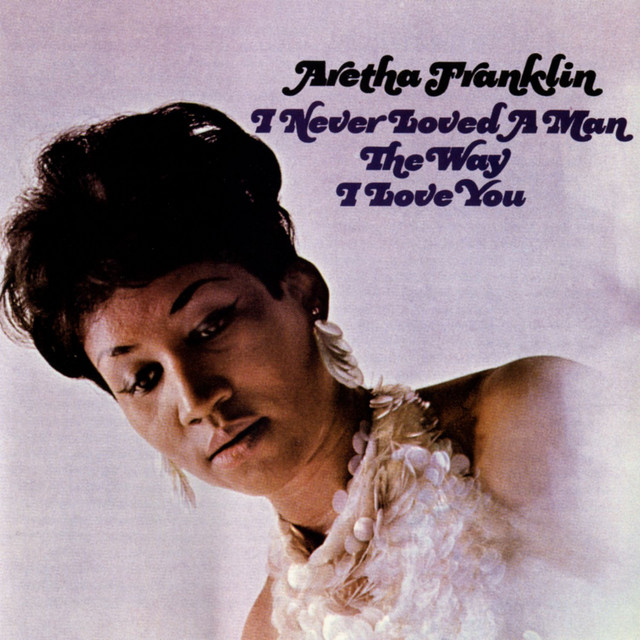
I Never Loved a Man the Way I Love You
Aretha Franklin
Deep Soul
Southern Soul
Soul
Similar artists
1
/5
Various Artists
Afro-Funk
Alternative Rock
Ambient
3
/5
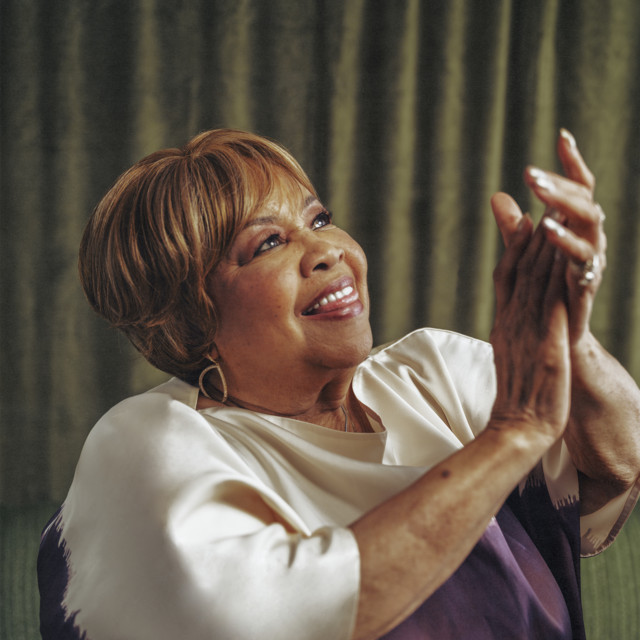
Mavis Staples
Spirituals
Soul
Black Americana
4
/5
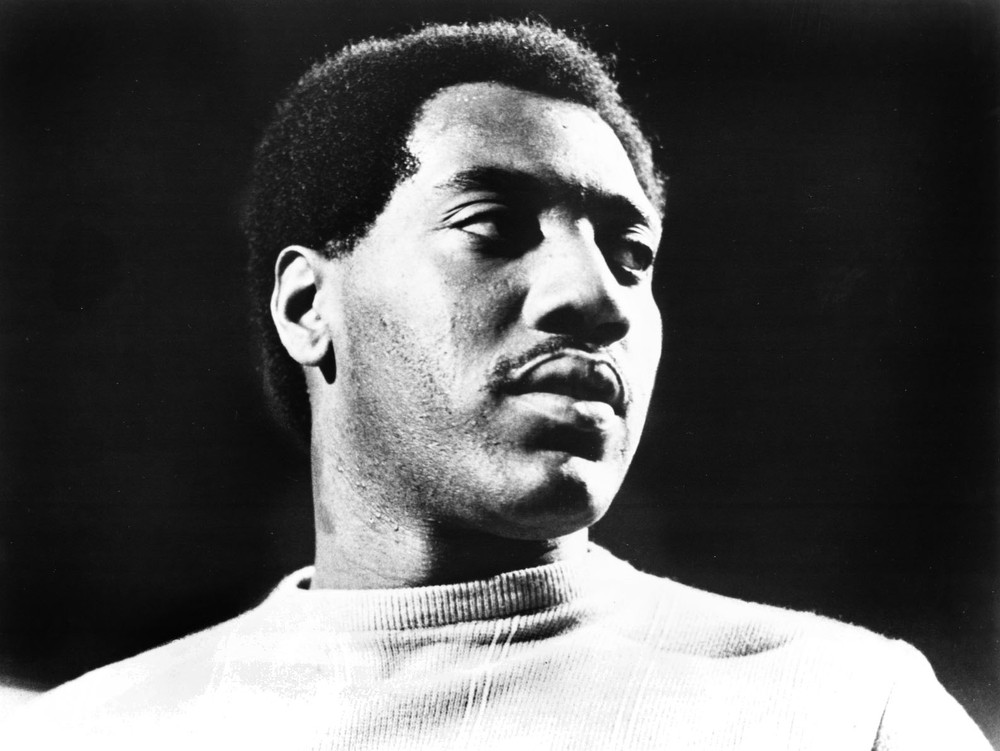
Otis Redding
Southern Soul
Soul
Classic Soul
4
/5
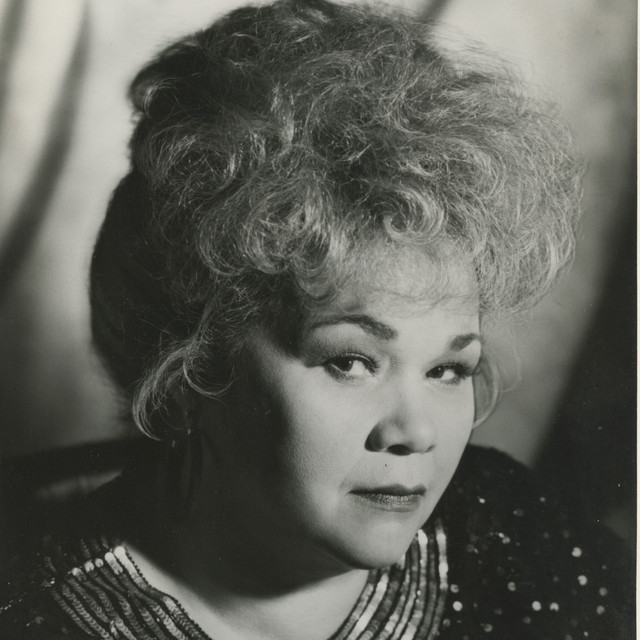
Etta James
Soul
Blues
Soul Blues
3
/5
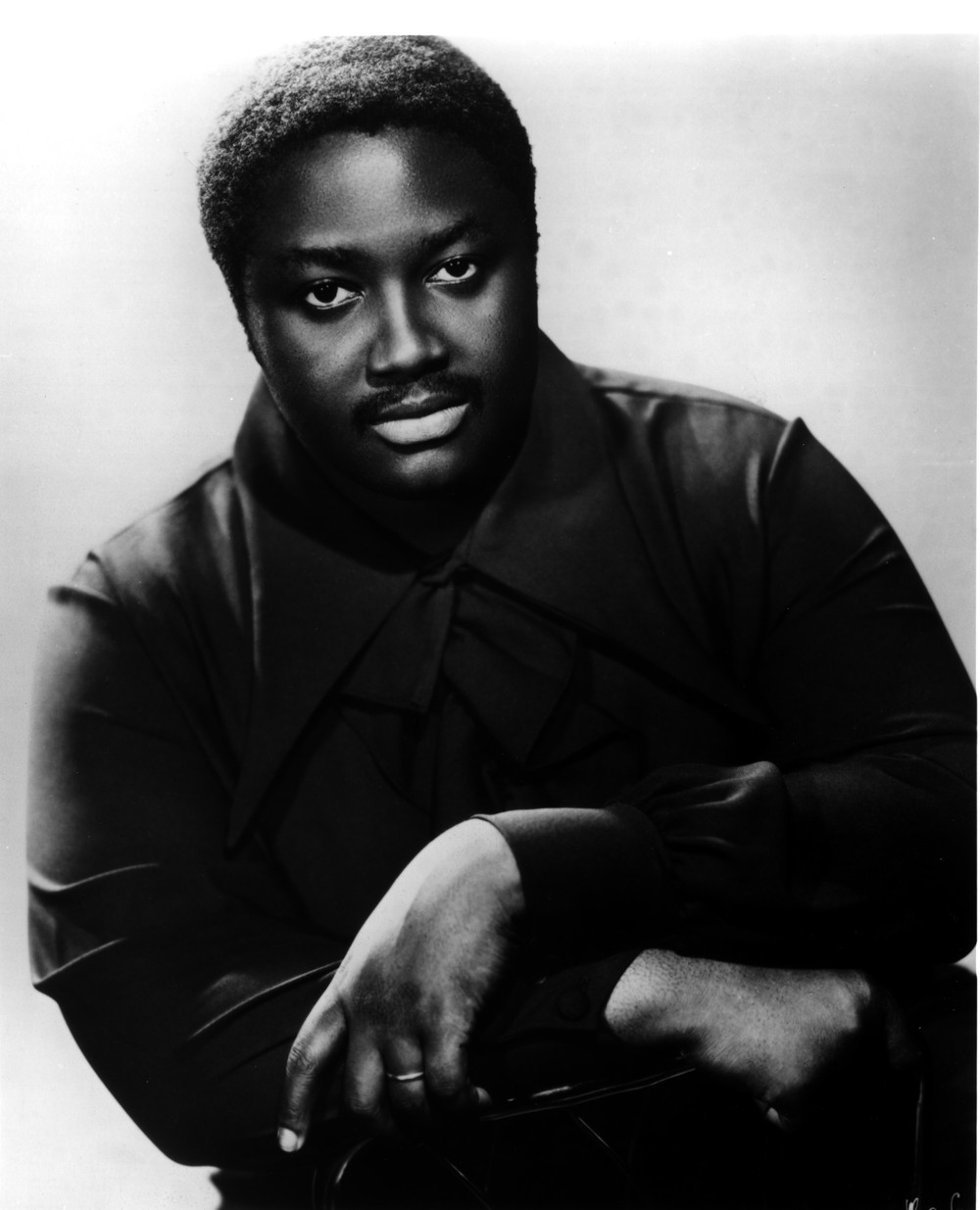
Donny Hathaway
Chicago Soul
Soul
Southern Soul
4
/5
Candi Staton
Southern Soul
Deep Soul
Soul
3
/5
Wilson Pickett
Soul
Deep Soul
Classic Soul
2
/5
James Carr
Soul
Classic Soul
Deep Soul
3
/5
Solomon Burke
Soul
Classic Soul
Country Soul
3
/5
The Staple Singers
Chicago Soul
Southern Soul
Traditional Black Gospel
Download our mobile app
Get the Melodigging app and start digging for new genres on the go
Download on the App Store
Get it on Google Play
© 2026 Melodigging
Give feedback
Legal
Melodding was created as a tribute to
Every Noise at Once
, which inspired us to help curious minds keep digging into music's ever-evolving genres.