Genres
Artists
Albums
Make Music
Sign in
Sign in
Artists
Experimental Rock
Artists
Experimental Rock
Angine de Poitrine
2024–2026
·
2 albums
Listen
3
/5
Genres
Windmill Scene
The Windmill scene refers to the cluster of experimental indie, post‑punk, and art‑rock bands that coalesced around The Windmill pub venue in Brixton, South London. Emerging in the late 2010s, the scene is characterized by knotty rhythms, angular guitars, spoken‑sung or declamatory vocals, and frequent use of saxophone, violin, and synths. Bands associated with the scene blend post‑punk urgency with avant‑prog ambition, no wave abrasion, and jazz-informed spontaneity, often favoring raw, live‑in‑the‑room production aesthetics. Lyrically, the scene leans toward sardonic social observation, surreal storytelling, and metropolitan anxiety, while performances emphasize high energy, improvisational turns, and dynamic contrasts.
Discover
Listen
Egg Punk
Egg punk is a lo‑fi, synth‑laced, jittery offshoot of punk that embraces awkwardness, absurdist humor, and devolved futurism. It tends to favor short, tightly wound songs driven by springy bass, trebly guitars, cheap drum machines, and buzzing monosynths, with nasal or deadpan vocals. The sound references first‑wave new wave and Devo‑style art punk as much as it does budget garage punk, swapping macho toughness for geeky, rubbery energy. Releases are typically DIY—4‑track or cassette‑recorded—and circulate through small labels, Bandcamp, and tape trades.
Discover
Listen
Post-Rock
Post-rock is a style that uses traditional rock instrumentation—guitars, bass, drums, and often piano or strings—to create expansive textures, evolving soundscapes, and dynamic arcs rather than conventional verse–chorus songs. It emphasizes timbre, atmosphere, and gradual development: clean or lightly overdriven guitars drenched in delay and reverb, cyclical ostinatos, layered crescendos, and pronounced quiet–loud dynamics. Vocals, if present, are often sparse, wordless, or treated as another textural layer. The genre draws heavily from ambient, minimalism, krautrock, progressive and space rock, shoegaze, noise rock, and experimental practices, yielding music that can feel cinematic, contemplative, and emotionally cathartic.
Discover
Listen
Math Rock
Math rock is a subgenre of indie and experimental rock defined by complex, irregular rhythms, sudden dynamic shifts, and angular, interlocking guitar lines. It frequently employs odd and mixed meters (such as 5/4, 7/8, 11/8), polyrhythms, start–stop figures, and intricate syncopation. Guitars often favor clean or lightly overdriven tones, tapping, and harmonically adventurous voicings over traditional power-chord riffing. Vocals, if present, are usually sparse, textural, or rhythmically coordinated with the ensemble rather than the primary focal point. Aesthetically, math rock draws from the precision and structural ambition of progressive rock, the urgency of post-hardcore, and the textural curiosity of indie and noise rock, resulting in music that feels both cerebral and visceral.
Discover
Listen
Avant-Prog
Avant-prog (avant-garde progressive rock) is a branch of progressive rock that emphasizes experimentation, dissonance, and structural innovation. It often blends rock instrumentation with chamber-music timbres (strings, woodwinds, brass) and techniques borrowed from 20th‑century classical music, free jazz, and minimalism. Typical traits include irregular and shifting meters, abrupt contrasts, complex counterpoint, atonal or modal harmony, extended techniques, and through-composed forms that minimize or abandon verse/chorus structures. The mood ranges from stark and austere to playfully surreal, with a frequent penchant for theatricality and sound collage. The movement’s ethos—crystallized by the late‑1970s Rock in Opposition (RIO) collective—was as much cultural as musical, favoring artistic independence, DIY production, and an oppositional stance toward commercial music industry norms.
Discover
Listen
Experimental Rock
Experimental rock is a broad, exploratory branch of rock music that prioritizes innovation over convention. It stretches rock’s core instrumentation and song forms through unusual timbres, extended techniques, nonstandard tunings, chance procedures, and studio-as-instrument production. Drawing on avant-garde composition, free jazz, minimalism, and electronic/tape music, experimental rock often rejects verse–chorus structures in favor of drones, suites, collage, and improvisation. It embraces dissonance and noise as expressive tools, employs odd or fluid meters, and incorporates non-rock instruments, found sounds, and unconventional recording methods. The result is a lineage of music that treats rock not as a fixed style but as a laboratory for new sound worlds.
Discover
Listen
Art Rock
Art rock is a branch of rock music that treats the studio and the album as spaces for artistic experimentation, emphasizing conceptual ideas, ambitious arrangements, and cross-pollination with modernist and avant-garde traditions. It typically favors extended song forms, thematic or conceptual unity, and non-standard instrumentation (strings, woodwinds, synthesizers) alongside rock’s core band setup. Lyrically, it leans toward literary, surreal, or philosophical subjects and often adopts theatrical presentation. Where mainstream rock centers on immediacy and hooks, art rock embraces risk: unusual time signatures, timbral exploration, complex harmony, tape and electronic manipulation, and interludes that draw from classical, jazz, minimalism, and experimental music.
Discover
Listen
Progressive Rock
Progressive rock is a rock subgenre that expands the genre’s formal, harmonic, and conceptual boundaries. It favors long-form compositions, intricate arrangements, and virtuosic musicianship, often drawing on Western classical, jazz, folk, and psychedelic idioms. Typical hallmarks include multi-part suites, shifting time signatures, extended instrumental passages, recurring motifs, and concept albums that present unified themes or narratives. The sound palette commonly features electric guitar, bass, and drums alongside an array of keyboards (Hammond organ, Mellotron, Moog/ARP synthesizers, piano), woodwinds or brass, and occasional orchestral additions. Lyrics often explore science fiction, mythology, philosophy, social commentary, and introspective themes.
Discover
Listen
Microtonal
Microtonal music is any music that uses pitch intervals smaller than the 12-tone equal-tempered semitone or uses alternative tunings that divide the octave into a different number of steps. Rather than being bound to 12 equal notes per octave, microtonal composers and performers work with just intonation (pure, whole-number ratios), equal divisions of the octave such as 19-EDO, 24-EDO, 31-EDO, or 53-EDO, and non-octave or non-equal systems. While many non-Western traditions historically employ intervals that do not fit 12‑TET (e.g., Arabic maqām, Turkish makam, Persian dastgāh, Indian raga, and Indonesian gamelan), the term “microtonal” in a modern sense usually refers to the deliberate exploration of these and other tunings in contemporary composition, experimental classical, rock/metal, and electronic music. The focus is on expanding consonance/dissonance palettes, unlocking new chordal colors, and discovering novel melodic gestures that 12‑TET obscures.
Discover
Listen
Show all 9 genres
Albums
2026
Vol.II
Angine de Poitrine
Avant-Prog
Experimental Rock
Math Rock
2024
Vol.1
Angine de Poitrine
Art Rock
Experimental Rock
Math Rock
Similar artists
3
/5
black midi
Windmill Scene
Math Rock
Experimental Rock
1
/5
Cheer-Accident
Rock In Opposition
Chicago School
Art Rock
1
/5
Ruins
Brutal Prog
Math Rock
Noise Rock
5
/5
Radiohead
Alternative Rock
Art Rock
Melancholia
2
/5
Lightning Bolt
Noise Rock
Math Rock
Brutal Prog
4
/5
King Crimson
Art Rock
Jazz Rock
Progressive Rock
3
/5
Black Country, New Road
Post-Rock
Windmill Scene
Art Rock
3
/5
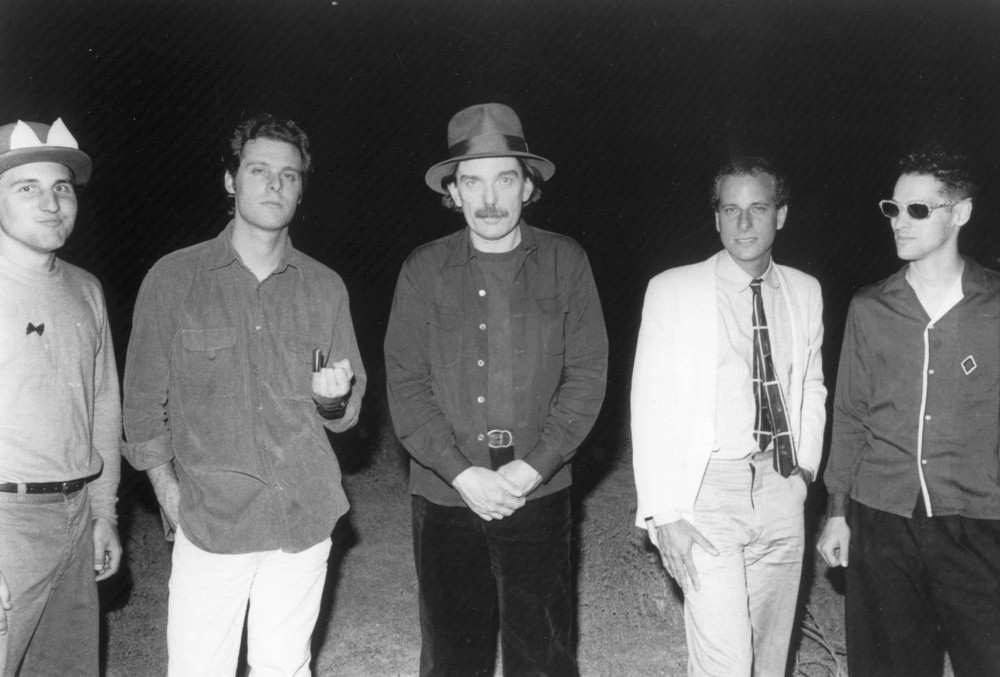
Captain Beefheart & His Magic Band
Outsider
Avant-Garde
Art Rock
3
/5
Squid
Post-Punk
Windmill Scene
Art Rock
2
/5
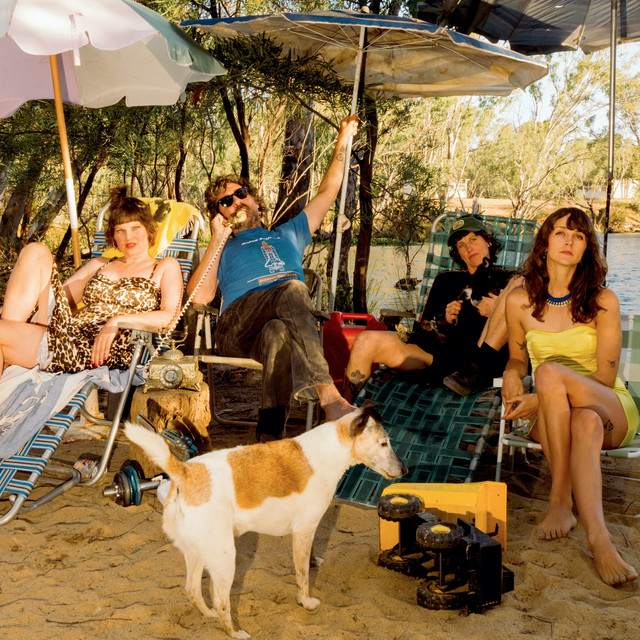
Tropical Fuck Storm
Art Punk
Post-Punk
Psychedelic Rock
Download our mobile app
Get the Melodigging app and start digging for new genres on the go
Download on the App Store
Get it on Google Play
© 2026 Melodigging
Give feedback
Legal
Melodding was created as a tribute to
Every Noise at Once
, which inspired us to help curious minds keep digging into music's ever-evolving genres.