Genres
Artists
Albums
Make Music
Sign in
Sign in
Artists
Classical
Artists
Classical
Alfred Brendel
1986–1997
·
4 albums
Listen
3
/5
Genres
Modern Alternative Pop
Modern alternative pop is a broad, internet-era strain of pop that blends mainstream songcraft with left-of-center production, aesthetics, and subject matter. It borrows glossy hooks from radio pop while incorporating indie sensibilities, electronic textures, and experimental arrangement ideas. Lyrics lean confessional and self-aware—often addressing mental health, digital life, identity, and complicated relationships—with an emphasis on personality-forward vocal delivery. Sonically it spans hushed, minimal, bass-forward tracks to bright, synth-led anthems; what unites it is a willingness to break Top 40 conventions while remaining hook-centric and emotionally direct.
Discover
Listen
Impromptu
An impromptu is a short Romantic-era character piece—most often for solo piano—designed to sound spontaneous and improvisatory. While the music gives the impression of free invention, it typically follows clear small forms (often ternary ABA or a rounded binary) and balances lyrical melody with ornamental figuration. Impromptus tend to feature cantabile right-hand lines, flowing arpeggiation, rich Romantic harmony, and flexible rubato, making them popular salon pieces and concert encores.
Discover
Listen
Lied
Lied (plural: Lieder) is the German art song: a finely crafted setting of German-language poetry for solo voice and piano. It is characterized by an intimate, chamber-scale dialogue between singer and pianist in which the accompaniment is an equal partner rather than mere support. Texts are drawn from canonical poets such as Goethe, Heine, Rückert, and Eichendorff, and the music often employs vivid text painting, flexible prosody, and nuanced harmonic color to illuminate poetic imagery. Formal designs include strophic, modified strophic, and through-composed forms, allowing composers to mirror a poem’s narrative or emotional arc. The Lied flourished in the Romantic era, crystallizing ideals of interiority, nature, folklore, and the unity of poetry and music. It remains central to recital repertoire and a cornerstone of German vocal culture.
Discover
Listen
Bagatelle
A bagatelle is a short, light, and often lyrical instrumental piece whose title comes from the French word for "trifle." In classical music, it is most commonly a brief piano miniature, though composers have written bagatelles for many instruments and ensembles. While hints of the idea appear in the late Baroque, the bagatelle became recognizable as a genre in the early 19th century, especially through Beethoven’s influential sets. Later composers expanded its expressive range—from charming salon pieces to modernist aphorisms—while preserving its hallmark concision and clarity.
Discover
Listen
Classical Piano
Classical piano is the tradition of composing and performing music for the acoustic piano within the Western classical lineage. It emphasizes formal clarity, tonal harmony, contrapuntal writing, and expressive nuance across the full compass of the instrument. Its core repertoire ranges from Classical-era sonatas and variations to Romantic character pieces, études, dances, and 20th-century impressionistic and modernist works. Pianists exploit dynamics, articulation, pedaling, and touch to shape phrases, imitate orchestral textures, and project both intimate lyricism and large-scale drama.
Discover
Listen
Instrumental
Instrumental is music created and performed without sung lyrics, placing the expressive weight on melody, rhythm, harmony, and timbre produced by instruments. As an umbrella practice it appears in many cultures, but its modern identity cohered in Baroque-era Europe when purely instrumental forms such as the sonata, concerto, and dance suites began to flourish. Since then, instrumental thinking—developing motives, structuring form without text, and showcasing timbral contrast—has informed everything from orchestral music and solo piano repertoire to post-rock, film scores, and beat-driven electronic styles. Instrumental works can be intimate (solo or chamber) or expansive (full orchestra), narrative (programmatic) or abstract (absolute music). The absence of lyrics invites listeners to project imagery and emotion, making the style a natural fit for cinema, games, and contemplative listening.
Discover
Listen
Fantasia
Fantasia (or fantasy/fantasie) is a classical composition type defined by an improvisatory character, flexible form, and the free development of one or more motives. Unlike strict dance forms or fugues, a fantasia typically privileges invention, dramatic contrast, and rhapsodic flow over predetermined structures. Emerging in the Renaissance with vihuela, lute, viol consort, and keyboard repertories, the fantasia evolved through the Baroque (notably on harpsichord and organ) and was later adopted by Classical and Romantic composers for piano and orchestra. Across eras, common threads include sectional design, sudden textural changes, imitative counterpoint, and exploration of harmony from modal to chromatic languages.
Discover
Listen
Classical
Classical music is the notated art-music tradition of Europe and its global descendants, characterized by durable forms, carefully codified harmony and counterpoint, and a literate score-based practice. The term “classical” can refer broadly to the entire Western art-music lineage from the Medieval era to today, not just the Classical period (c. 1750s–1820s). It privileges long-form structures (such as symphonies, sonatas, concertos, masses, and operas), functional or modal harmony, thematic development, and timbral nuance across ensembles ranging from solo instruments to full orchestras and choirs. Across centuries, the style evolved from chant and modal polyphony to tonal harmony, and later to post-tonal idioms, while maintaining a shared emphasis on written notation, performance practice, and craft.
Discover
Listen
Show all 8 genres
Albums
1997
2
/5
Bagatelles Op. 33, 119, 126; WoO 59 "Für Elise"; Rondo in C; Allegretto in C minor; Klavierstück in B flat
Ludwig van Beethoven / Alfred Brendel
Bagatelle
1989
1
/5
Wanderer-Fantasie D. 760; Sonata in B flat D. 960
Franz Schubert / Alfred Brendel
Fantasia
1989
2
/5
Impromptus op. 90 & op. 142
Franz Schubert / Alfred Brendel
Impromptu
1986
2
/5
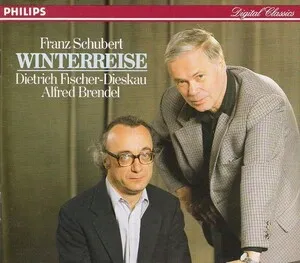
Winterreise
Franz Schubert / Dietrich Fischer-Dieskau / Alfred Brendel
Lied
Similar artists
4
/5
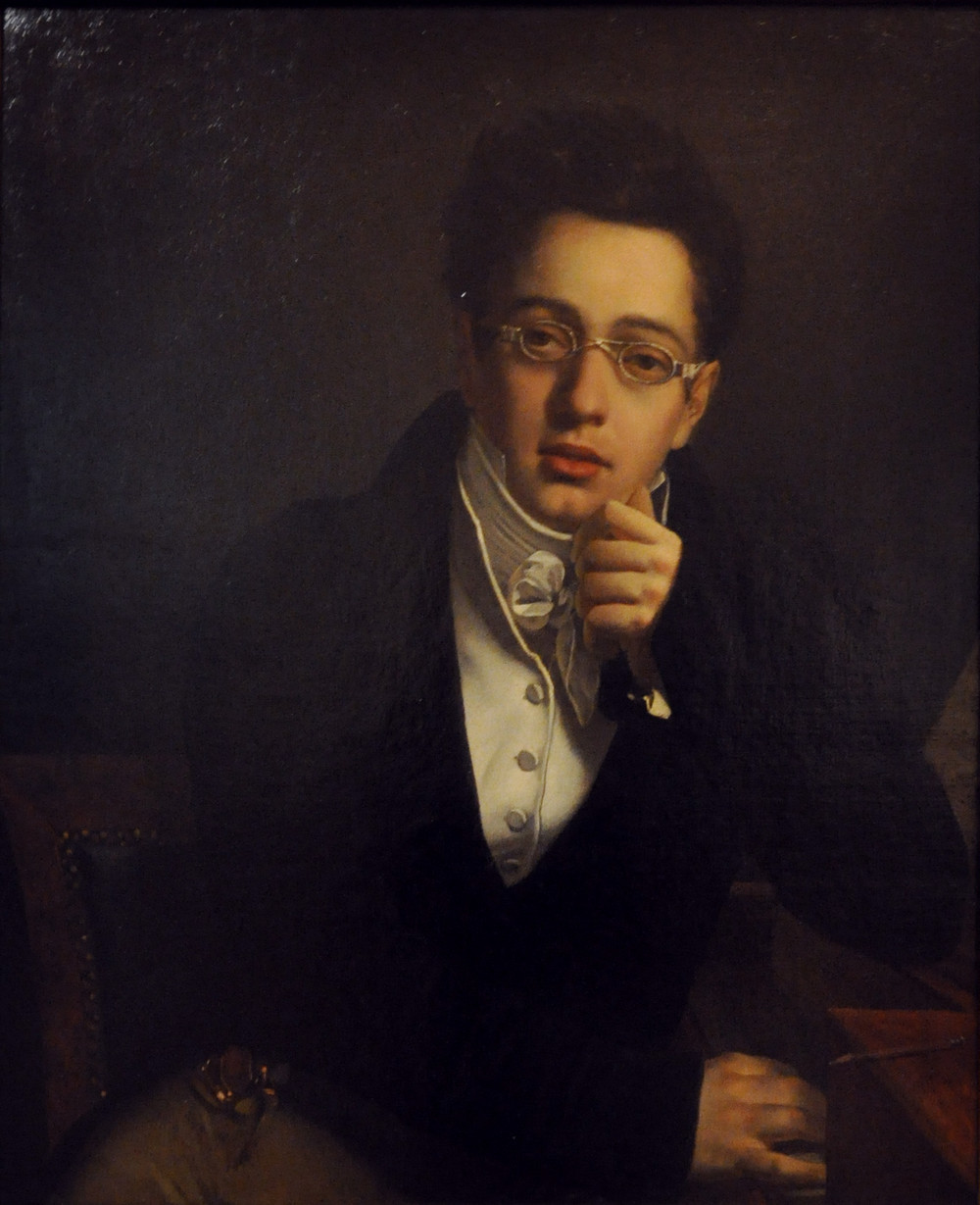
Franz Schubert
Impromptu
Lied
Art Song
3
/5
Glenn Gould
Baroque
Classical
Fugue
4
/5
Wolfgang Amadeus Mozart
Classical
Requiem
Classical Period
4
/5
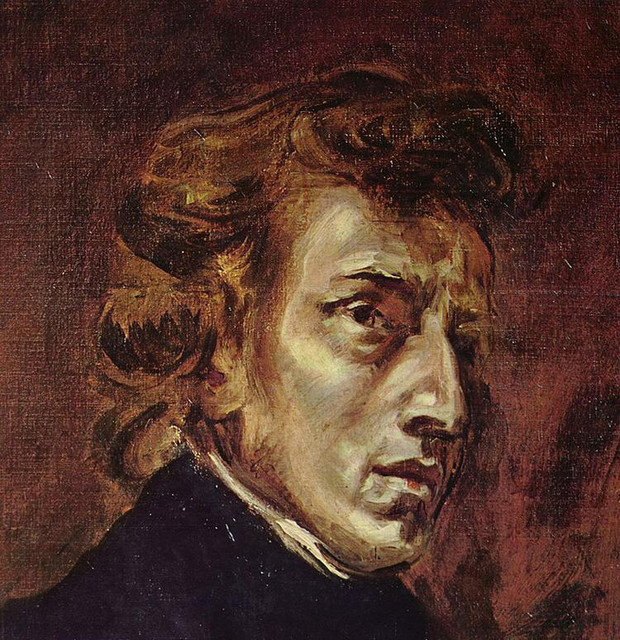
Frédéric Chopin
Classical
Character Piece
Nocturne
4
/5
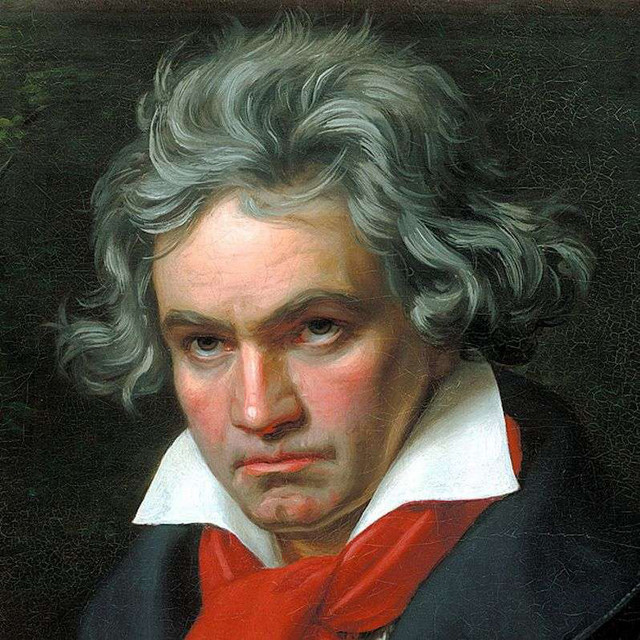
Ludwig van Beethoven
Classical
Classical Period
Romantic Classical
4
/5
Robert Schumann
Classical
Character Piece
Chamber Music
3
/5
Martha Argerich
Classical
Classical Performance
Chamber Music
3
/5
Krystian Zimerman
Classical
Concerto
Classical Performance
3
/5
Carl Philipp Emanuel Bach
Baroque
Classical
Classical Piano
3
/5
Vladimir Feltsman
Classical
Classical Piano
Bagatelle
Download our mobile app
Get the Melodigging app and start digging for new genres on the go
Download on the App Store
Get it on Google Play
© 2026 Melodigging
Give feedback
Legal
Melodding was created as a tribute to
Every Noise at Once
, which inspired us to help curious minds keep digging into music's ever-evolving genres.