Genres
Artists
Albums
Make Music
Sign in
Sign in
Artists
Axé
Artists
Axé
Alessandra Leão
2019
·
3 albums
Listen
3
/5
Genres
Nova Musica Carioca
Nova Música Carioca (literally “new Carioca music”) is a 2010s wave from Rio de Janeiro that refreshes MPB and bossa/samba songcraft with indie-pop attitude, jazz-informed harmony, experimental textures, and 21st‑century production. Songwriters favor intimate vocals and narrative, often reflecting Rio’s coastal/urban imagery, social nuances, and everyday poetry. Arrangements mix nylon‑string guitars and percussion with synths, drum machines, tape/lo‑fi color, and studio-as-instrument techniques. Rhythms can pivot from a relaxed samba swing to funk‑carioca pulse or soft-rock grooves, while harmony stays lush—extended chords, chromatic color, and surprising modulations—anchoring the style in the MPB lineage even when it gets arty or electronic.
Discover
Listen
New Mpb
New MPB (Nova Música Popular Brasileira in English usage) is a 2010s–2020s wave that refreshes classic MPB’s songwriting craft with indie, R&B, hip‑hop, and electronic production. It keeps the genre’s hallmark: sophisticated harmony, intimate vocals, and poetry‑forward lyrics in Portuguese. Sonically, you’ll hear nylon‑string guitars and Rhodes pianos beside drum machines, 808s, and warm synths. Rhythms nod to samba, bossa nova, baião, and funk carioca while embracing modern pop swing and hip‑hop backbeats. The result is stylish, urban, and contemporary—romantic and reflective, yet danceable and groove‑savvy.
Discover
Listen
Nova Mpb
Nova MPB ("new Música Popular Brasileira") is a contemporary wave of Brazilian popular music that renews the classic MPB ethos with indie, electronic, neo‑soul, and modern pop production. Artists in this scene preserve the melodic richness, poetic lyricism, and rhythmic DNA of bossa nova and samba while embracing lo‑fi textures, synth pads, and intimate, close‑mic vocals. Compared to classic MPB, nova MPB tends to be more minimalist and bedroom‑studio friendly, favoring warm, analog‑leaning timbres and restrained grooves. Lyrics often blend romantic and introspective themes with snapshots of urban life, identity, and the everyday, delivered in Portuguese with a natural, conversational flow.
Discover
Listen
Slimepunk
Slimepunk is an internet-born microgenre that fuses the hyper-saturated textures of vaporwave-era net music with the velocity and abrasion of breakcore, digital hardcore, and punk. Its sound favors blown-out drums, maximally clipped mixdowns, candy-coated melodies, and sudden left turns, capturing both the chaotic energy of DIY punk and the playful, neon gloss of online aesthetics. Typical tracks pair frenetic breakbeats or half-time trap grooves with chiptune timbres, mangled samples, and pitch-shifted vocals that dart between cute, deadpan, and snarling. The result is a noisy, high-impact, and deliberately synthetic style that celebrates the unstable, meme-native sensibility of the modern web while remaining danceable and hook-driven.
Discover
Listen
Axé
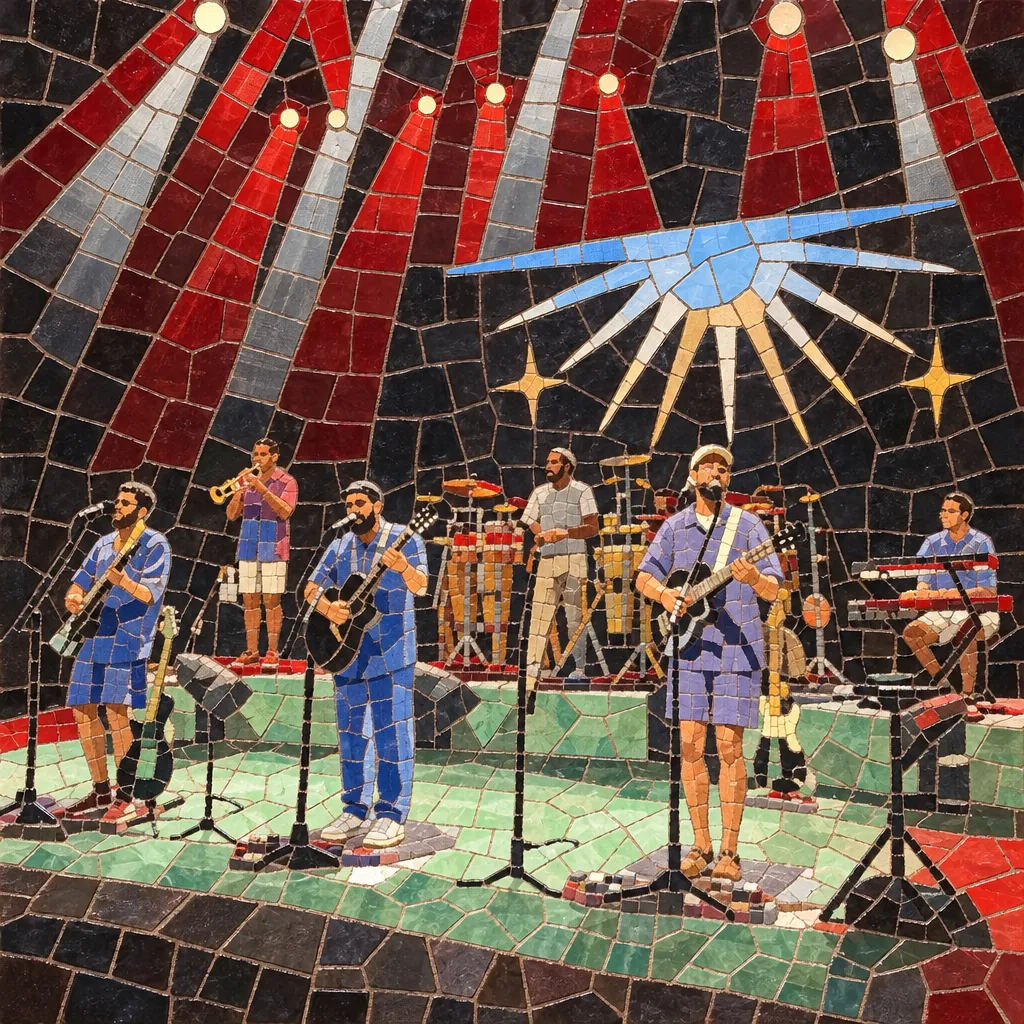
Axé is a high-energy popular music from Salvador, Bahia, that fuses Afro-Brazilian and Caribbean rhythms with pop and rock songcraft. Designed for massive Carnival parades, it pairs large percussion ensembles with bright electric guitars, brass hooks, and call-and-response vocals to drive dancing crowds along the trio elétrico (truck-mounted sound stages). Grounded in afoxê/ijexá and samba-reggae grooves, axé favors upbeat major-key melodies, anthemic choruses, and lyrics celebrating joy, love, summer, Afro-Bahian pride, and the collective ecstasy of the street party. Its sound is at once percussive and melodic: layered surdos, timbales, repiniques, and atabaques interlock beneath catchy horn lines and pop arrangements built to move tens of thousands of revelers.
Discover
Listen
Ponto De Umbanda
Ponto de Umbanda is the body of liturgical songs used in Umbanda, an Afro-Brazilian religion founded in the early 20th century. Sung in Portuguese (with occasional African-derived words), these short refrains are performed to invoke, praise, and guide spiritual entities such as Caboclos, Pretos-Velhos, Crianças, Exus, and Pombagiras. Musically, pontos are call-and-response chants accompanied by sacred drum patterns (toques) on atabaques, handclaps, and small percussion. Their rhythm and tempo shift according to the spirit line being worked: slow and tender for Pretos-Velhos, medium and swaying for Caboclos and Iemanjá, and faster, more incisive grooves for Exu and Ogum. As a devotional practice, ponto de Umbanda is inseparable from ceremony: the songs structure the ritual, help establish trance, and mark the entry, movement, and farewell of the entities. Beyond the terreiro, pontos have periodically reached the public sphere through recordings and stage adaptations by Brazilian artists, preserving their core call-and-response energy while translating sacred rhythms to concert settings.
Discover
Listen
Coco
Coco is an Afro-Brazilian rhythm and community dance-song tradition from Northeastern Brazil, especially Pernambuco, Paraíba, Alagoas, and Rio Grande do Norte. It features a propulsive, repetitive groove in duple meter, call-and-response vocals led by a mestre (leader) and answered by a chorus, and a distinctive percussive "pisada" (stomping) that turns the dancing circle into a rhythmic instrument. Performers typically gather in a roda (circle), clapping, stepping, and spinning to the beat—often at weekend street parties, religious/festive gatherings, and Carnival. Coco is closely related to (and sometimes synonymous with) embolada, the fast, tongue‑twisting, often improvised song form accompanied by pandeiro. Its antiphonal singing and cyclic percussion patterns echo West and Central African work songs and ritual music, and its participatory energy is comparable to capoeira music—joyful, communal, and irresistibly dancing.
Discover
Listen
Jongo
Jongo is an Afro-Brazilian circle dance and song tradition from the coffee-growing heartlands of southeastern Brazil, especially the Paraíba Valley spanning Rio de Janeiro, São Paulo, and Minas Gerais. It is typically performed around a bonfire with two drums—the larger caxambu and the smaller candongueiro—driving interlocking rhythms while participants sing call-and-response verses known as pontos. Rooted in Central and West-Central African (Bantu) cultural memory brought by enslaved peoples, jongo blends ritual, poetry, dance, and social commentary. Dancers invite one another into the circle using the umbigada (a belly-to-belly gesture), and singers improvise metaphor-rich, often enigmatic lyrics that encode devotion, resistance, and wit. In some regions the practice is also called caxambu, reflecting local naming of the larger drum and the tradition itself. Beyond performance, jongo serves as an intergenerational archive for Afro-Brazilian communities, embodying ancestry, spirituality, and communal cohesion while maintaining a lively, dance-forward character.
Discover
Listen
Show all 8 genres
Albums
2019
1
/5
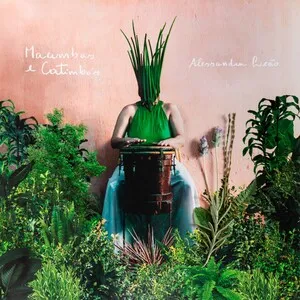
Macumbas e catimbós
Alessandra Leão
Jongo
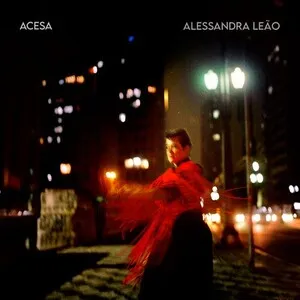
Acesa
Alessandra Leão
Coco
Macumbas e catimbós
Alessandra Leão
Ponto De Umbanda
Similar artists
2
/5
Lucio Sanfilippo
Axé
Jongo
Ponto De Umbanda
2
/5
J.B. De Carvalho
Jongo
Ponto De Umbanda
Axé
2
/5
Conjunto Folclórico Ibyara
Axé
Jongo
Ponto De Umbanda
2
/5
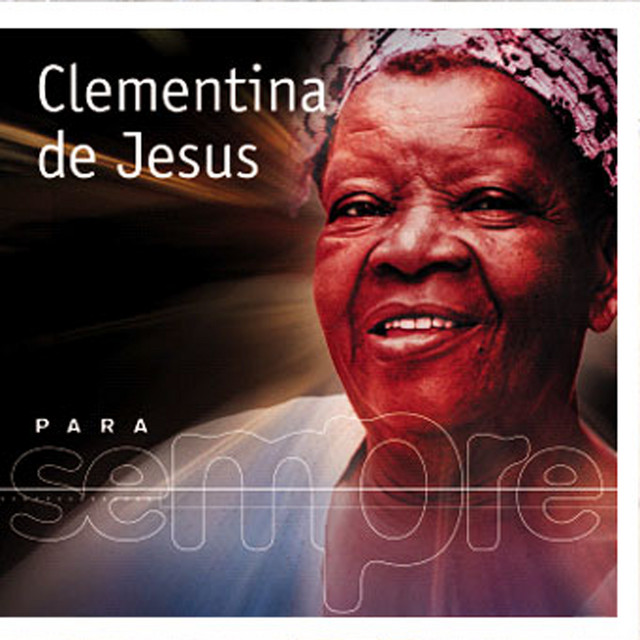
Clementina De Jesus
Partido Alto
Samba
Southeastern Brazilian Music
2
/5
Zé Maurício Machline
Axé
Jongo
2
/5
Lia de Itamaracá
Maracatu
Ciranda
Coco
2
/5
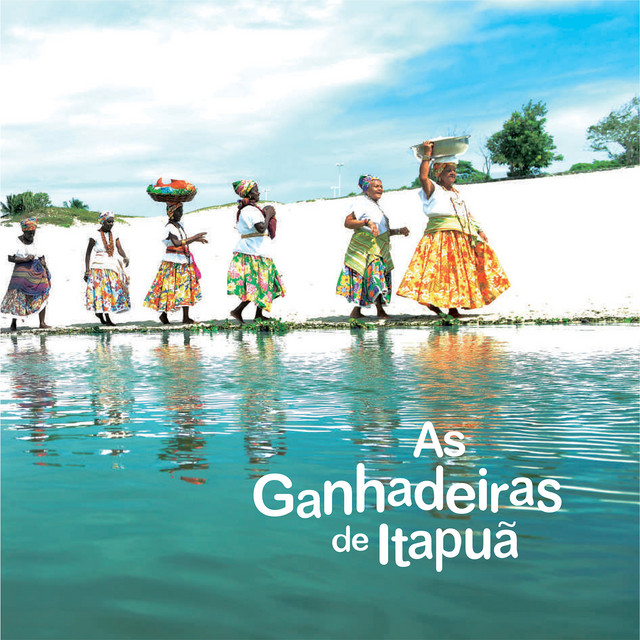
As Ganhadeiras de Itapuã
Samba De Roda
Axé
Coco
1
/5
Jongo da Serrinha
Axé
Candombe
Samba
1
/5
Ismael Rangel
Axé
Traditional Folk
Jongo
1
/5
Jongo do Vale do Café
Axé
Traditional Folk
Jongo
Download our mobile app
Get the Melodigging app and start digging for new genres on the go
Download on the App Store
Get it on Google Play
© 2026 Melodigging
Give feedback
Legal
Melodding was created as a tribute to
Every Noise at Once
, which inspired us to help curious minds keep digging into music's ever-evolving genres.