Genres
Artists
Albums
Make Music
Sign in
Sign in
Artists
Avant-Garde
Artists
Avant-Garde
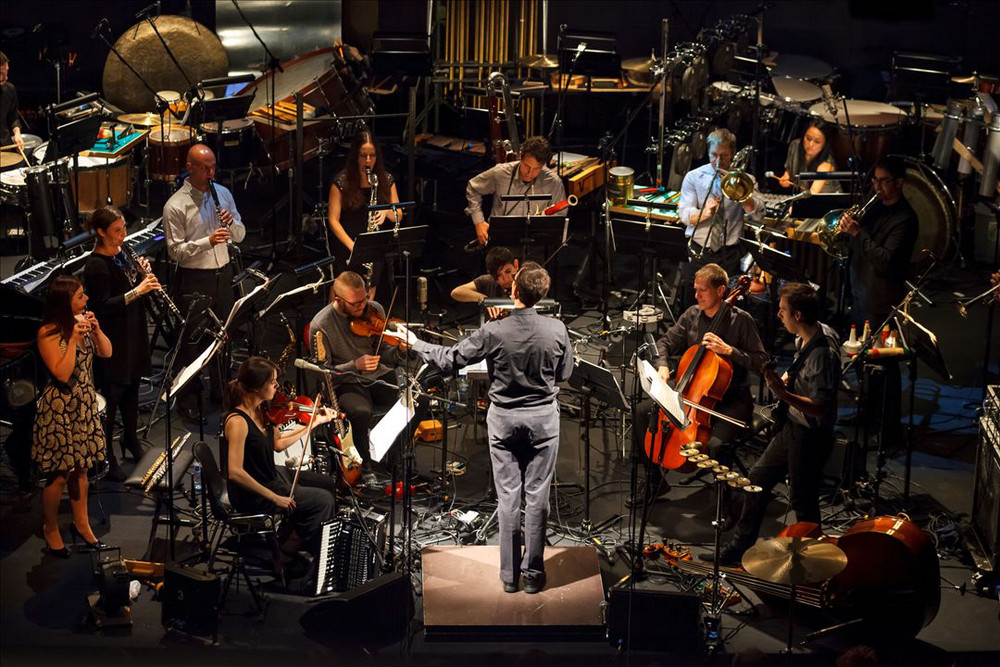
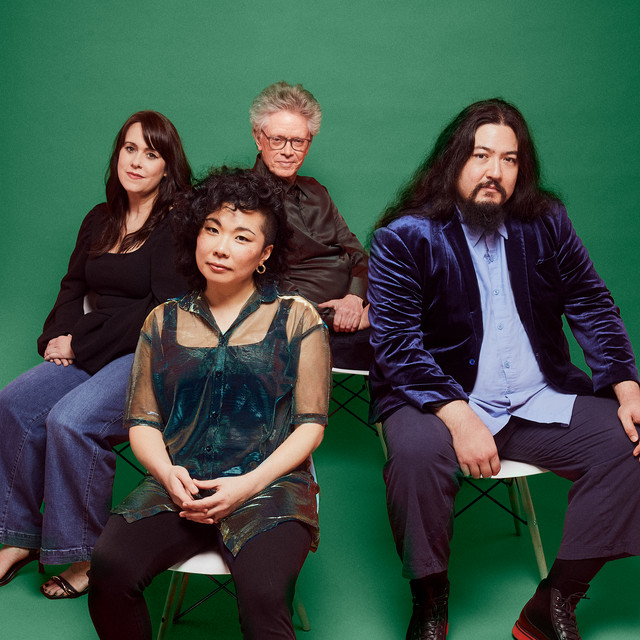
Alarm Will Sound
2021
·
1 album
Listen
2
/5
Genres
Idm
IDM (often expanded as "Intelligent Dance Music") is a strand of experimental electronic music that applies the sound palette and production methods of club genres to listening-focused, often home-oriented works. It favors intricate rhythm programming, unusual time signatures, and richly textured sound design, blending ambient atmospheres with techno’s pulse, electro’s syncopation, and breakbeat’s fragmentation. The music often de-emphasizes the dancefloor in favor of headphone detail, algorithmic structure, and timbral exploration. The term itself is contentious—many artists rejected the "intelligent" label—yet it became a convenient tag for the early- to mid‑1990s cluster of Warp, Rephlex, and related scenes that foregrounded complexity, abstraction, and emotional ambiguity.
Discover
Listen
Conducted Improvisation
Conducted improvisation is a live-composition practice in which a conductor shapes collective improvisation in real time using a codified set of gestures, cue cards, and signals. Rather than pre-writing a fixed score, the conductor directs form, texture, dynamics, harmony, and orchestration on the spot, treating the ensemble as an instrument. Emerging from free jazz and experimental music, it bridges improvisers’ spontaneity with the clarity and contour of composed music. Systems such as Butch Morris’s Conduction, John Zorn’s game-piece approach (e.g., Cobra), and Walter Thompson’s Soundpainting offer different yet related languages for controlling entrances/exits, memory, repetition, density, and timbre. The result ranges from chamber-like transparency to big-band intensity, making conducted improvisation a flexible method used by jazz orchestras, experimental classical ensembles, and cross-genre collectives.
Discover
Listen
Minimalism
Minimalism is a style of Western art music that emerged in the United States during the 1960s, characterized by the use of very limited musical materials, steady pulse, and extensive repetition. Composers often build pieces from short cells or motifs that are repeated and slowly transformed through additive or subtractive processes, phase shifting, and gradual changes in harmony, texture, or register. Harmony is typically consonant (often modal or diatonic), though just intonation and extended drones are also common. The result is music that foregrounds process, clarity, audibility of structure, and a hypnotic sense of stasis and flow. Typical ensembles include keyboards, mallet percussion, strings, winds, voices, and electronics or tape. Minimalism influenced a wide array of later styles, from ambient and new age to post-minimalism and minimal techno.
Discover
Listen
Contemporary Classical
Contemporary classical is the broad field of Western art music created after World War II. It embraces an array of aesthetics—from serialism and indeterminacy to minimalism, spectralism, electroacoustic practices, and post‑tonal lyricism—while retaining a concern for notated composition and timbral innovation. Unlike the unified styles of earlier eras, contemporary classical is pluralistic. Composers freely mix acoustic and electronic sound, expand instrumental techniques, adopt non‑Western tuning and rhythm, and explore new forms, from process-based structures to open and graphic scores. The result is a music that can be rigorously complex or radically simple, technologically experimental or intimately acoustic, yet consistently focused on extending how musical time, timbre, and form can be shaped.
Discover
Listen
Avant-Garde
Avant-garde music is an umbrella term for boundary-pushing practices that challenge prevailing norms of harmony, rhythm, timbre, form, and performance. It privileges experimentation, conceptual rigor, and a willingness to reframe what counts as music at all. Historically tied to early 20th‑century artistic modernism, avant-garde music introduced atonality, the emancipation of noise, and new forms of notation and process. It embraces indeterminacy, extended techniques, electronics, spatialization, and multimedia performance, treating sound as material to be sculpted, questioned, and reinvented.
Discover
Listen
African-American Classical
African-American classical refers to concert music in the Western art-music tradition written or led by African-American composers and performers. It encompasses orchestral, chamber, choral, operatic, and solo repertoire that speaks in the language of classical form and notation while drawing on the rhythms, scales, timbres, and stories of the African diaspora in the United States. Typical markers include the incorporation of spirituals, blues inflections, call-and-response textures, cakewalk and ragtime rhythms, and programmatic subjects tied to Black history and experience. Stylistically it ranges from late-Romantic symphonic writing through mid‑century modernism and post‑minimalism to today’s genre-fluid concert music.
Discover
Listen
Albums
2021
1
/5
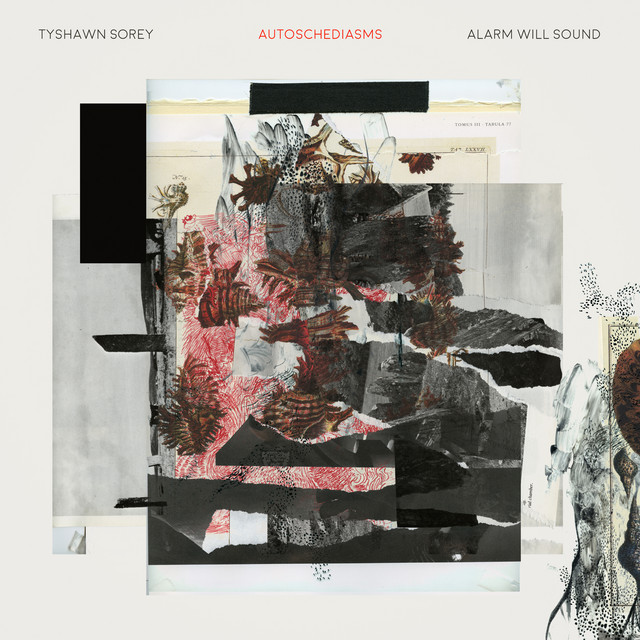
For George Lewis | Autoschediasms
Tyshawn Sorey & Alarm Will Sound
Conducted Improvisation
African-American Classical
Similar artists
3
/5
Kronos Quartet
Classical
Chamber Music
Latin American Classical Music
3
/5
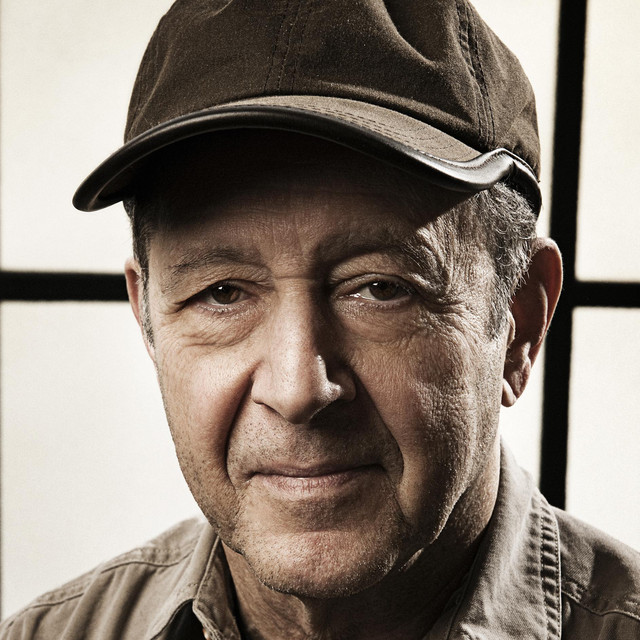
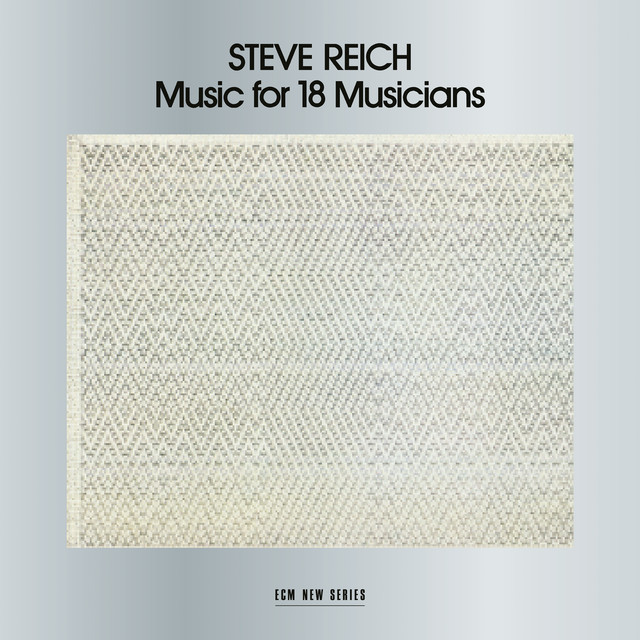
Steve Reich
Minimalism
Classical
Modern Classical
3
/5
Paul Hillier
Choral
Minimalism
Classical
3
/5
Ryoji Ikeda
Microsound
Glitch
Sound Art
2
/5
Reinbert de Leeuw
Classical
Impressionism
Avant-Garde
2
/5
Meredith Monk
Avant-Garde
Contemporary Classical
Electroacoustic
2
/5
John Cage
Indeterminacy
Classical
Experimental
2
/5
John Adams
Minimalism
Post-Minimalism
Avant-Garde
2
/5
Terry Riley
Electronic
Minimalism
Avant-Garde
2
/5
Steve Reich Ensemble
Minimalism
Avant-Garde
Contemporary Classical
Download our mobile app
Get the Melodigging app and start digging for new genres on the go
Download on the App Store
Get it on Google Play
© 2026 Melodigging
Give feedback
Legal
Melodding was created as a tribute to
Every Noise at Once
, which inspired us to help curious minds keep digging into music's ever-evolving genres.