Genres
Artists
Albums
Make Music
Sign in
Sign in
Artists
Anime
Artists
Anime
Akano
2019–2020
·
2 albums
Listen
3
/5
Genres
Asian Rock
Asian Rock (in the contemporary online-rap sense) is a pluggnb-derived microstyle that fuses the dense, bouncy percussion of pluggnb with bright, anime/Asian-rock-tinged melodic cues. Production typically layers airy bells, mallet or synth plucks, and shimmering pads with soaring synthetic guitar leads that nod to Japanese rock and anime-score aesthetics. Vocals lean melodic—half-sung, half-rapped—with light autotune and emotive hooks, riding swung hi-hats, skipping rimshots, and rubbery 808 slides. Rather than a geographic tag, this style labels a sonic palette: internet-native trap built on pluggnb drums and glossy, nostalgic melodies that evoke anime openings and J-rock guitar heroics.
Discover
Listen
Sexy Drill
Sexy drill is a contemporary offshoot of drill that blends the genre’s signature sliding 808s, icy textures, and syncopated hi-hats with flirtatious, romantic, and often explicitly sensual lyrics. Where traditional drill leans into menace and street reportage, sexy drill softens the edges with melodic hooks, R&B-inflected toplines, and playful, self-assured delivery. The result is a club-ready, fashion-forward sound that keeps the rhythmic bite of UK/NY drill but swaps violent imagery for confident seduction and intimate narratives. Production typically sits around 138–145 BPM with gliding bass, chopped vocal stabs, airy pads, and bright percussive details. Vocals may alternate between rapped verses and sung refrains, frequently enhanced by tasteful Auto-Tune and ad‑libs that heighten the sultry mood.
Discover
Listen
Otacore
Otacore is a fan-driven, internet-native umbrella for music centered on anime, manga, gaming, and broader otaku culture. Rather than a single strict musical style, it describes a cluster of scenes where pop, electronic, rock, and rap intersect with anime aesthetics, story tropes, and character/fandom references. Typical otacore repertoires include Vocaloid productions, anisong-style pop/rock, high-energy EDM with kawaii sound design, nightcore-style edits, game-inspired chiptune flourishes, and cover cultures (English/Japanese) tied to anime and game franchises. Distribution and discovery are powered by platforms such as Nico Nico Douga, YouTube, SoundCloud, streaming playlists, and later TikTok, where memeability, fan videos (AMVs), and vtuber performances help songs spread globally.
Discover
Listen
Workout Product
Workout product is a functional, production-oriented music micro-genre built for high-energy exercise contexts—HIIT, cardio, strength circuits, spin, and bootcamps. Rather than being artist-led, it is library- and catalog-driven: concise, loop-friendly tracks emphasize a steady, powerful four-on-the-floor pulse, simple hyping hooks, and drop-focused structures that sustain intensity. Typical tempos fall in the 120–150 BPM range (often synced to rep cadence or interval timers), with bright, compressed sonics, sidechained bass, and clear transitional cues for work/rest blocks. It draws from mainstream EDM and dance-pop (big-room builds, future-bass lift, electro-house grit) and modern pop/rap percussion. The result is highly motivational, durable background music that helps pace workouts and energize group classes, digital fitness content, and gym environments.
Discover
Listen
Kawaii Edm
Kawaii EDM is a Japanese-born microgenre of electronic dance music that blends bright, "cute" pop aesthetics with modern club production. It emphasizes sparkling timbres, buoyant melodies, and animated sound design (glissando "chirps," toy-like mallets, chip-bleeps, and airy vocal chops) while keeping EDM’s sidechained punch and dance-floor momentum. Stylistically, it sits at the intersection of J‑pop songwriting and future-bass/EDM frameworks: major or Lydian-leaning harmonies, jazzy 7ths/9ths, catchy hooks, and half‑time drops with supersaw stacks or bell/pluck arpeggios. Visually and culturally, it is inseparable from anime, doujin/otaku culture, and internet netlabel communities, pairing sugar‑rush optimism with a polished, hyper-detailed mix.
Discover
Listen
Retro Pop
Retro pop is contemporary pop music that deliberately evokes the sound, songwriting, and studio aesthetics of earlier eras—most commonly the late 1970s and 1980s, but also the 1960s girl‑group era, 1970s disco, soft rock, and early 1990s pop-R&B. Hallmarks include analog-leaning synth textures, danceable four-on-the-floor or funky backbeats, prominent basslines, glossy chorus-heavy guitars, gated-reverb drums, stacked background vocals, and big, unforgettable hooks. While its palette looks backward, retro pop uses modern production workflows—tight low-end, streaming-friendly loudness, and contemporary vocal processing—so it feels nostalgic yet current. Lyrically, retro pop often pairs timeless pop themes (romance, yearning, nightlife, bittersweet memories) with sleek, neon-tinged imagery and cinematic nostalgia, bridging classic pop sensibilities with today’s chart expectations.
Discover
Listen
Diy Emo
DIY emo is a grassroots, home-recorded and community-driven branch of contemporary emo that blends twinkly Midwest-emo guitar work, confessional lyricism, and pop-punk urgency with a distinctly lo‑fi, self-produced aesthetic. It foregrounds the ethics of the do‑it‑yourself underground: basement shows, tape or Bandcamp releases, collective touring, and a preference for intimacy over polish. Sonically, it leans on clean, chiming guitars, melodic basslines, dynamic drumming, and unvarnished vocals that veer from soft-spoken to cathartic sing-alongs. Rather than chasing radio gloss, DIY emo embraces rawness and vulnerability—often capturing the feel of a crowded living room show—while channeling themes of friendship, mental health, hometowns, and the bittersweet transitions of early adulthood.
Discover
Listen
Anime Rap
Anime rap is a hip hop microgenre that fuses contemporary rap flows and production with lyrical themes, imagery, and aesthetics drawn from Japanese anime and manga. Typical tracks reference specific characters, arcs, and tropes—especially from shōnen series—while using modern trap or boom-bap frameworks, energetic hooks, and cinematic, "anime opening"-style melodies. Producers often incorporate timbres reminiscent of anime soundtracks and J-pop, such as bright synth leads, string swells, choir stabs, and occasional quotations or re-compositions of anime motifs. The scene grew natively on YouTube and streaming platforms through cyphers, character-themed singles, and AMV-style visuals, creating a global, internet-first community that overlaps with nerdcore but focuses specifically on anime narratives and fandom.
Discover
Listen
Anime
Anime (often called "anisong" for vocal themes) is the umbrella term for songs and scores created for Japanese animation, including opening/ending themes and background music. It blends contemporary J‑pop/J‑rock songwriting with dramatic orchestral scoring and modern electronic production, aiming for instantly memorable hooks and emotionally charged climaxes tailored to a show's narrative and characters. Stylistic hallmarks include high-register, expressive vocals; tight, hook-forward structures (especially 90-second “TV size” versions); bright, polished production; and frequent late-song key changes. Arrangements often hybridize rock bands, strings, brass, and EDM textures to deliver cinematic impact, while lyrics favor aspirational, metaphor-rich imagery that mirrors the series’ themes.
Discover
Listen
Piano Blues
Piano blues is a blues tradition centered on solo piano performance, where the instrument carries both rhythm-section drive and melodic lead. It fuses ragtime’s syncopation, early jazz phrasing, and the 12‑bar blues form into a percussive, highly expressive style. Hallmarks include steady left‑hand patterns (walking tenths, stride figures, broken octaves, and boogie ostinatos) supporting right‑hand riffs built from the blues scale, blue notes, crushed grace notes, tremolos, and call‑and‑response motifs. It flourished in saloons, rent parties, theaters, and recording studios, giving rise to regional approaches like Chicago’s understated, swinging shuffle and New Orleans’ rolling, rhumba‑tinged feel. Closely related to barrelhouse and boogie‑woogie, piano blues underpins much of later American popular music, feeding directly into jump blues, early R&B, rock and roll, and rockabilly.
Discover
Listen
Instrumental
Instrumental is music created and performed without sung lyrics, placing the expressive weight on melody, rhythm, harmony, and timbre produced by instruments. As an umbrella practice it appears in many cultures, but its modern identity cohered in Baroque-era Europe when purely instrumental forms such as the sonata, concerto, and dance suites began to flourish. Since then, instrumental thinking—developing motives, structuring form without text, and showcasing timbral contrast—has informed everything from orchestral music and solo piano repertoire to post-rock, film scores, and beat-driven electronic styles. Instrumental works can be intimate (solo or chamber) or expansive (full orchestra), narrative (programmatic) or abstract (absolute music). The absence of lyrics invites listeners to project imagery and emotion, making the style a natural fit for cinema, games, and contemplative listening.
Discover
Listen
Show all 11 genres
Albums
2020
3
/5
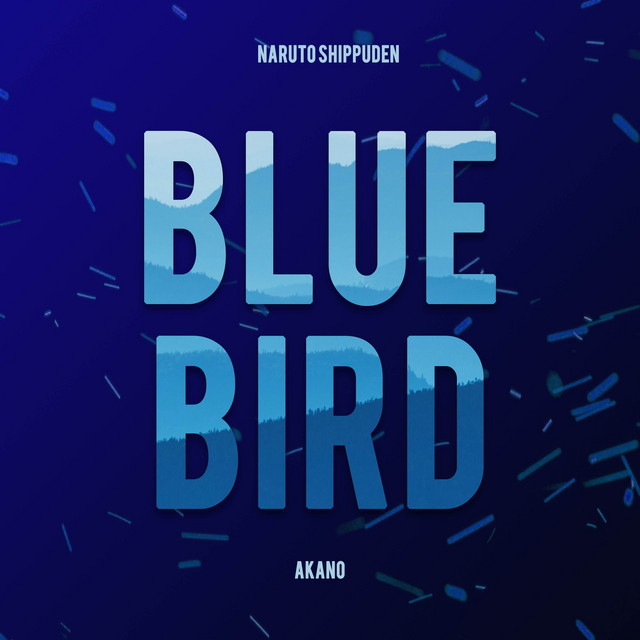
Blue Bird (From "Naruto Shippuden")
Akano
Otacore
2019
3
/5
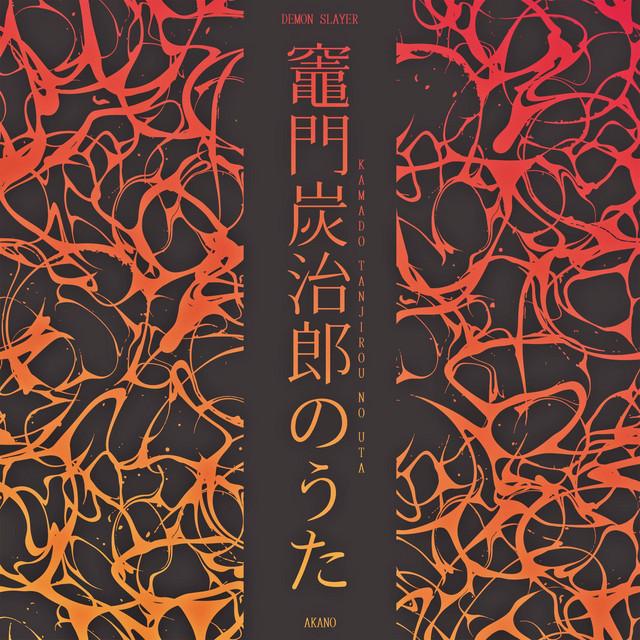
Kamado Tanjirou no Uta (From "Demon Slayer: Kimetsu no Yaiba") [Full Version]
Akano
Otacore
Anime
Instrumental
Similar artists
4
/5
Linked Horizon
Otacore
Anime
Isekai
4
/5
Mili
Otacore
Anime
Art Pop
5
/5
Mrs. GREEN APPLE
J-Rock
J-Pop
Anime
4
/5
Ado
Vocaloid
J-Pop
J-Rock
4
/5
Kenshi Yonezu
J-Pop
J-Rock
Anime
4
/5
RADWIMPS
Visual Kei
Anime
J-Pop
4
/5
ヨルシカ
Japanese Indie
J-Pop
Anime
4
/5
YOASOBI
Anime
J-Pop
Experimental Indie
4
/5
Vaundy
Japanese Indie
J-Rock
Anime
4
/5
OFFICIAL HIGE DANDISM
J-Rock
Anime
J-Pop
Download our mobile app
Get the Melodigging app and start digging for new genres on the go
Download on the App Store
Get it on Google Play
© 2026 Melodigging
Give feedback
Legal
Melodding was created as a tribute to
Every Noise at Once
, which inspired us to help curious minds keep digging into music's ever-evolving genres.