Genres
Artists
Albums
Make Music
Sign in
Sign in
Artists
Nubian Music
Artists
Nubian Music
Abdel Gadir Salim
1999–2008
·
4 albums
Listen
1
/5
Genres
Hip Hop
Hip hop is a cultural and musical movement that emerged from Black, Latino, and Caribbean communities, centering around rapping (MCing), DJing/turntablism, sampling-based production, and rhythmic speech over beats. It prioritizes groove, wordplay, and storytelling, often reflecting the social realities of urban life. Musically, hip hop is built on drum-centric rhythms (from breakbeats to 808 patterns), looped samples, and bass-forward mixes. Lyrically, it ranges from party anthems and braggadocio to political commentary and intricate poetic forms, with flow, cadence, and rhyme density as core expressive tools. Beyond music, hip hop encompasses a broader culture, historically intertwined with graffiti, b-boying/b-girling (breakdance), fashion, and street entrepreneurship, making it both an art form and a global social language.
Discover
Listen
Nubian Music
Nubian music refers to the traditional and modern musical practices of the Nubian peoples of the Nile Valley, especially in northern Sudan and southern Egypt. It is characterized by pentatonic melodic contours, call-and-response singing, and propulsive percussion patterns built from handclaps and frame drums. Core timbres include the kisir (Nubian lyre) and oud, along with frame drums (tar/duff), darbuka, and group vocals. Modern ensembles often add electric bass, keyboards, and brass, yielding a buoyant, danceable sound that still foregrounds cyclical melodies and choral refrains. Lyrics appear in Nubian languages (such as Nobiin and Dongolawi/Kenzi) as well as in Arabic, frequently evoking the Nile, communal life, love, and the memory of displacement after the Aswan High Dam. Across sacred, ceremonial, and social contexts, Nubian music balances earthy rhythmic drive with gentle, flowing melodies. The result is a style that can feel both festive and nostalgic, reflecting a living heritage that bridges village traditions and cosmopolitan stages.
Discover
Listen
Blues
Blues is an African American musical tradition defined by expressive "blue notes," call-and-response phrasing, and a characteristic use of dominant-seventh harmony in cyclical song forms (most famously the 12‑bar blues). It is as much a feeling as a form, conveying sorrow, resilience, humor, and hard-won joy. Musically, blues commonly employs the I–IV–V progression, swung or shuffled rhythms, and the AAB lyric stanza. Melodies lean on the minor/major third ambiguity and the flattened fifth and seventh degrees. Core instruments include voice, guitar (acoustic or electric), harmonica, piano, bass, and drums, with slide guitar, bends, and vocal melismas as signature techniques. Over time the blues has diversified into regional and stylistic currents—Delta and Piedmont country blues, urban Chicago and Texas blues, West Coast jump and boogie-woogie—while profoundly shaping jazz, rhythm & blues, rock and roll, soul, funk, and much of modern popular music.
Discover
Listen
Nubian Traditional
Nubian traditional is the folk music of the Nubian people of the Nile Valley, especially in northern Sudan and southern Egypt. It is rooted in ancient riverine life and characterized by pentatonic melodies, call‑and‑response vocals, and propulsive hand‑clapping and frame‑drum rhythms. Core timbres come from lyres (the Nubian kissar/tanbūra), the oud, and percussion such as the tar (frame drum) and darbuka (goblet drum). Songs are performed in Nubian languages like Nobiin, Kenzi (Mattokki), and Andaandi (Dongolawi), and often celebrate community, the Nile, love, and ancestral homelands. Dance is integral: many songs accompany line and circle dances at weddings and village festivities, with strong syncopation in 2/4 and lilting 6/8 patterns. While deeply traditional, the style has interfaced with Arabic and East African musical currents, and in the 20th century informed popular and world‑music fusions while preserving its distinctive Nubian rhythmic feel and pentatonic songcraft.
Discover
Listen
Gnawa
Gnawa is a spiritual, trance-based music of Morocco associated with the Gnawa brotherhoods, a community with roots in sub‑Saharan Africa and Sufi Islam. It centers on a deep, percussive bass lute called the guembri (also known as sintir or hajhuj), the bright metallic clatter of iron castanets (qraqeb/krakebs), unison handclaps, and call‑and‑response vocals. Performances often unfold in an all‑night ritual called a lila (derdeba), where cyclical 6/8 grooves and repetitive chants invite communal participation and induce a trance state. The repertoire invokes saints and ancestral spirits (mluk), moving through color-coded suites and intensifying rhythmic layers. While firmly rooted in West African rhythmic sensibilities, Gnawa also absorbs Maghrebi and Sufi aesthetics, producing a sound that is both devotional and intensely groove‑driven.
Discover
Listen
Albums
2008
1
/5
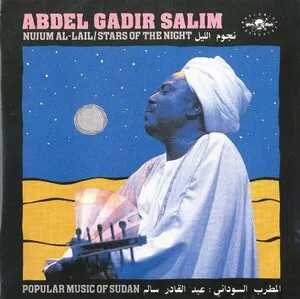
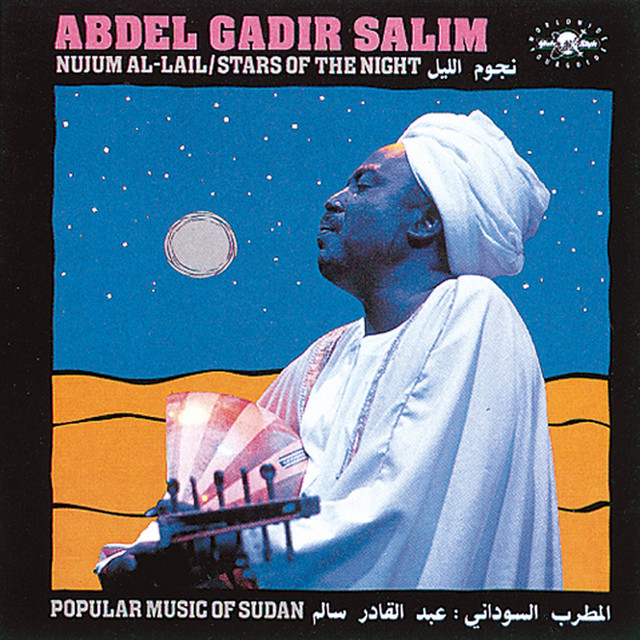
Nujum Al-Lail (Stars of the Night)
Abdel Gadir Salim عبد القادر سالم
Nubian Music
2005
1
/5
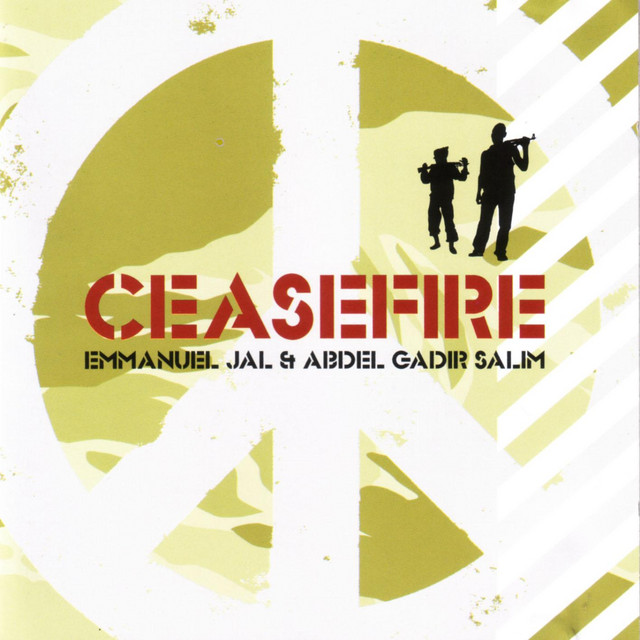
Ceasefire
Emmanuel Jal & Abdel Gadir Salim عبد القادر سالم
Nubian Music
Hip Hop
2003
1
/5
Nujum Al-Lail
Abdel Gadir Salim
Nubian Traditional
1999
1
/5
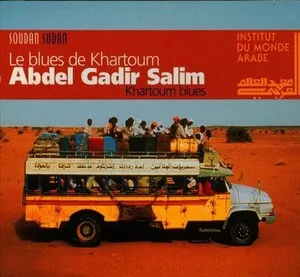
Le blues de Khartoum: Khartoum blues
Abdel Gadir Salim عبد القادر سالم
Nubian Music
Blues
Similar artists
2
/5
Alsarah & The Nubatones
Nubian Traditional
Electronic
Hip Hop
2
/5
Rasha
Nubian Traditional
Blues
Gnawa
1
/5
Various Artists
Afro-Funk
Alternative Rock
Ambient
2
/5
Hamza El Din
Nubian Music
Nubian Traditional
Northeastern African Music
1
/5
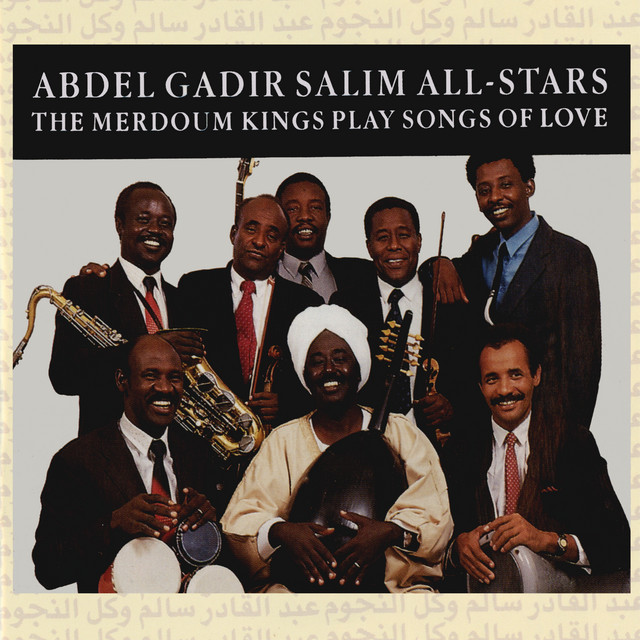
Abdel Gadir Salim All-Stars
Gnawa
Nubian Traditional
Nubian Music
1
/5
Ali Hassan Kuban
Nubian Traditional
Nubian Music
Northeastern African Music
3
/5
Ali Farka Touré
Songhai Music
Blues
Desert Blues
3
/5
Tinariwen
Desert Blues
Musique Touareg
Tuareg Guitar
3
/5
Oum
Sahrawi Music
Arab Alternative
Folk
2
/5
Bombino
Desert Blues
Tuareg Guitar
Tuareg Music
Download our mobile app
Get the Melodigging app and start digging for new genres on the go
Download on the App Store
Get it on Google Play
© 2026 Melodigging
Give feedback
Legal
Melodding was created as a tribute to
Every Noise at Once
, which inspired us to help curious minds keep digging into music's ever-evolving genres.