Genres
Artists
Albums
Make Music
Sign in
Sign in
Artists
Cantonese Traditional
Artists
Cantonese Traditional
广东汕头岭南弦诗社
2001
·
1 album
Listen
1
/5
Genres
Cantonese Traditional
Cantonese traditional refers to the body of vernacular music from the Cantonese-speaking regions of southern China, including Guangdong and Hong Kong. It encompasses theatrical (Cantonese opera), narrative-sung genres (naamyam/naam-yam and muk’yu), ritual and folk repertoires, and the salon-style instrumental tradition often called Guangdong music. Musically, it favors pentatonic and heptatonic modes drawn from the Chinese modal system (gong, shang, jiao, zhi, yu), heterophonic textures, and ornate melodic embellishment such as slides, mordents, and turns. Rhythm is organized around fixed “ban” (beat-frame) patterns and tempo categories (manban, zhongban, kuaiban) coordinated by a percussion leader. Typical ensembles are led by the gaohu (a high-pitched two-string fiddle popularized in Guangdong music) with supporting strings such as erxian/yehu and plucked qinqin/sanxian/zheng, the yangqin hammered dulcimer, dizi/ xiao flutes or suona/houguan for color, and an opera-derived percussion battery of drum, woodblock, gongs, and cymbals.
Discover
Listen
Chaozhou Xianshi
Chaozhou xianshi (Teochew string music) is a traditional instrumental ensemble genre from the Chaoshan (Teochew/Chaozhou–Shantou–Jieyang) region of northeastern Guangdong, China. Although classed within the broader Chinese sizhu ("silk-and-bamboo") family, it is typically a string‑only ensemble that features bowed and plucked lutes, hammered dulcimer, and zither, with little or no wind or percussion. Historically performed in teahouses, private salons, and community gatherings, Chaozhou xianshi emphasizes elegant, ornamented melody in a heterophonic texture, where all instruments carry the same tune with regionalized turns, slides, and graces. Its repertoire includes suites and set-tune variations that move from free-rhythm preludes into regulated rhythmic sections, embodying refined literati aesthetics as well as local folk idioms. Beyond Guangdong and parts of southern Fujian, the style is actively maintained by overseas Teochew communities in Malaysia, Singapore, Thailand, and the United States, where local associations and orchestras preserve and perform the tradition.
Discover
Listen
Sizhu Music
Sizhu (literally “silk and bamboo”) is a refined Chinese chamber tradition for string (silk) and wind (bamboo) instruments. It is typically performed in intimate settings such as teahouses and music clubs, featuring small ensembles that share a single core melody while each player ornaments it in their own way (heterophony). The repertoire is organized around cyclical, beat-patterned frameworks (ban) and named melodic models (qupai), and favors pentatonic modes with elegant, flowing ornamentation. Regional streams exist (most famously Jiangnan sizhu around Shanghai and Suzhou, and related southern styles), but all emphasize light timbre, supple rhythm, and social music-making.
Discover
Listen
Albums
2001
1
/5
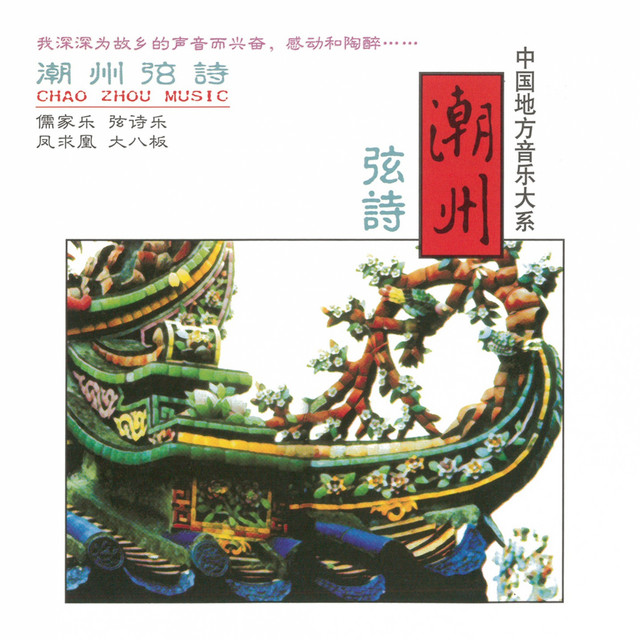
潮州弦诗 [Chao Zhou Music]
Shantou Guangdong Lingnan String Poetry Band 广东汕头岭南弦诗社
Chaozhou Xianshi
Sizhu Music
Similar artists
1
/5
Cantonese Music Ensemble
Cantonese Traditional
Traditional Music
1
/5
Ka-ming Ngai
Cantonese Traditional
Traditional Music
1
/5
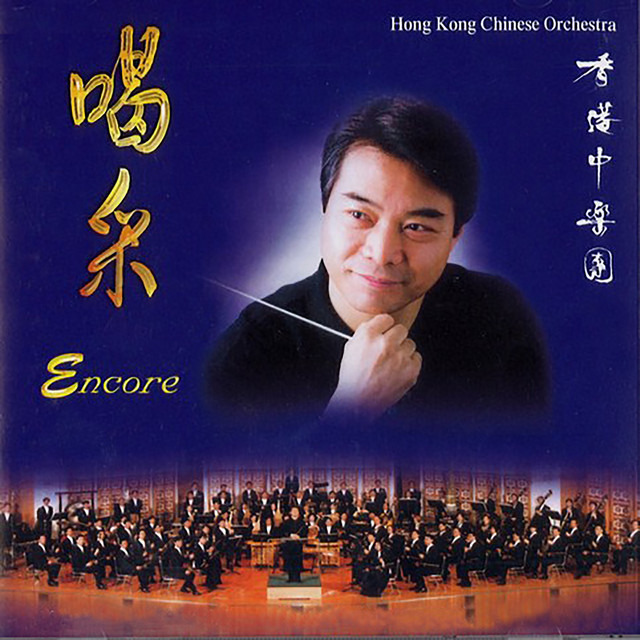
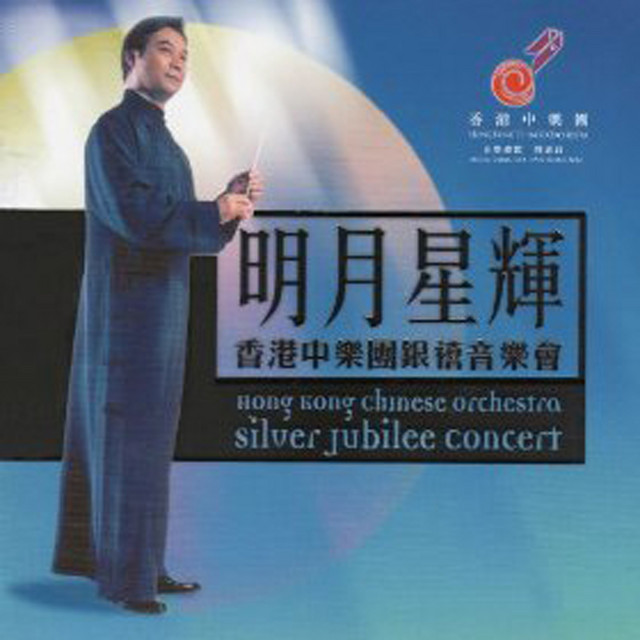
香港中樂團
Cantonese Traditional
Cantopop
1
/5
Guangdong Music Troupe Orchestra
Cantonese Traditional
1
/5
Masters Of Cantonese Music
Cantonese Traditional
Traditional Music
1
/5
Gan Shangshi; Huang Jincheng; Zhang Yongping
Cantonese Traditional
1
/5
Enping Cantonese Opera Troupe
Cantonese Traditional
Cantonese Opera
Gufeng
1
/5
甘國衛
Cantonese Traditional
Gufeng
1
/5
Hong Kong Chinese Orchestra
Cantonese Traditional
Orchestral
1
/5
蓋鳴暉
Cantonese Traditional
Download our mobile app
Get the Melodigging app and start digging for new genres on the go
Download on the App Store
Get it on Google Play
© 2026 Melodigging
Give feedback
Legal
Melodding was created as a tribute to
Every Noise at Once
, which inspired us to help curious minds keep digging into music's ever-evolving genres.