Genres
Artists
Albums
Make Music
Sign in
Sign in
Artists
French R&b
Artists
French R&b
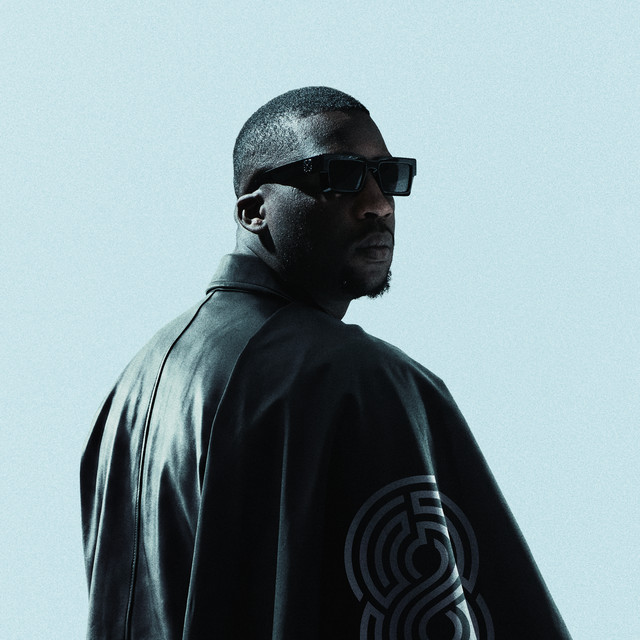
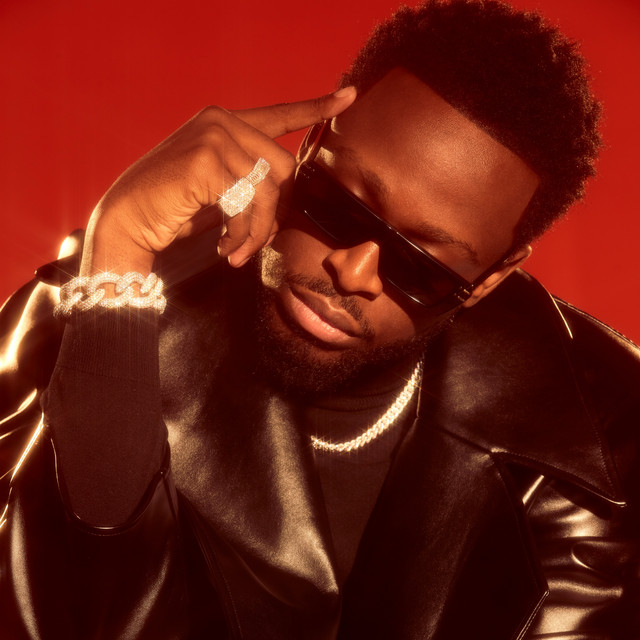
4Keus
2018–2020
·
4 albums
Listen
3
/5
Genres
Chill Drill
Chill drill is a mellow, melodic offshoot of UK drill that keeps the style’s distinctive sliding 808s, syncopated hi-hats, and snare-on-3 placement, but softens the overall timbre and mood. Instead of ominous synths and harsh textures, it leans on airy pads, Rhodes pianos, gentle guitar loops, and lo‑fi ambience. Vocals tend to be more introspective and tuneful, with sing-rap hooks, laid-back cadences, and reflective lyric themes (romance, ambition, day-to-day life). The result bridges drill’s rhythmic identity with chillhop and lo‑fi hip hop’s relaxed atmosphere, creating tracks that are both groove-driven and easy to live with.
Discover
Listen
Jerk
Jerk is a microgenre of hip‑hop that took shape in New York City in the early 2020s. It borrows the name and some rhythmic cues from the earlier "jerk rap"/jerkin' movement connected to West Coast street dance, but reimagines them through the aesthetics of contemporary underground rap. Sonically, jerk favors sparse, snare‑forward drum programming with very light or even absent kicks, dry percussion, and short looping motifs. The production often draws on the airy pads, glassy bells, and minimalist melodies of Plugg and PluggnB, but strips arrangements down further to leave lots of negative space for tightly phrased, talk‑like rap flows. The result is bouncy yet understated, intimate yet danceable.
Discover
Listen
Maimouna
Maimouna is a contemporary Francophone West- and Central‑African club style and dance craze that emerged in the early 2020s, most strongly associated with Côte d’Ivoire’s hyperactive urban party scene. It blends upbeat Afropop songcraft with street‑level chant, call‑and‑response hooks, and kinetic, percussion‑forward beats designed for viral dance challenges. Typical tracks ride a mid‑fast 100–118 BPM groove with shaker and cowbell patterns, handclaps, snare rushes, and short synth stabs or guitar licks. Vocals often mix Nouchi (Ivorian street slang) with French, using playful boasts, dance instructions, and catchy refrains. The production is bright and punchy, favoring simple harmonic loops so the crowd‑energy, chants, and choreography lead the experience.
Discover
Listen
Afro Drill
Afro drill is a regionalized form of drill that fuses the gritty, sliding-808 sonics and half‑time bounce of UK/Chicago drill with African rhythmic feel, languages, and street narratives. Born around the turn of the 2020s in Ghana (popularly called the Asakaa movement) and quickly echoed across other African scenes and diasporas, it retains drill’s cold, minor‑key atmosphere while introducing Afrobeats/highlife‑tinged melodies, syncopated percussion, and local flows in Twi, Ghanaian Pidgin, Yoruba, Sheng, and more. The result is music that is simultaneously raw and danceable—dark, street‑level storytelling delivered with regional slang and call‑and‑response hooks, framed by modern drill drum programming and African groove sensibilities.
Discover
Listen
Lo Star
Lo star is a streaming-era umbrella tag used to group under-the-radar, low-profile artists who sit on the fringes of indie, alternative, DIY pop, and related scenes. Rather than denoting a single, tightly defined musical vocabulary, it marks a discovery space of self-produced or small-label projects with modest audiences, genre-fluid aesthetics, and a distinctly DIY approach to recording and release. Expect intimate vocals, inexpensive or home-studio production, hybrid acoustic/electronic textures, and songwriting that favors personal storytelling and immediacy over polish. Because it functions as a curatorial category for emerging or niche acts, the sonic palette spans indie rock and folk-pop to bedroom pop and lo-fi electronic, unified by scale, ethos, and distribution more than by strict musical rules.
Discover
Listen
Pop Urbaine
Pop urbaine is a French mainstream pop style that blends contemporary R&B, hip hop, Afrobeats, dancehall, zouk, raï, and reggaeton with chart‑friendly songwriting. It emphasizes melodic hooks, mid‑tempo grooves, and sleek vocal production (often with Auto‑Tune) while foregrounding everyday, romantic, and nightlife themes in colloquial French. Rhythmically it favors syncopated Afro‑Caribbean patterns, sparse but bouncy 808 drums, and light guitar or synth plucks, creating a buoyant, danceable feel without the aggressiveness of club music. Vocals typically alternate between sung refrains and rap‑influenced verses, with catchy refrains designed for streaming and social media virality. The genre became a defining sound of French popular culture in the late 2010s, driven by a new generation of Francophone artists with diasporic roots who globalized French pop while keeping its language and local slang at the center.
Discover
Listen
Pop Reggaeton
Pop reggaeton is a mainstream-friendly fusion of reggaeton’s dembow rhythm with pop songwriting, melody, and production polish. It keeps the genre’s signature off‑beat snare pattern and half‑time swing while foregrounding catchy toplines, bright synths, and clean, radio-ready mixes. Tempos typically sit around 85–100 BPM (or 170–200 BPM felt in halftime), with warm 808 subs, syncopated percussion, and hook‑centric choruses. Vocals—often in Spanish or Spanglish—lean toward memorable, romantic, or aspirational themes. Compared with classic reggaeton, pop reggaeton softens timbres, smooths cadences, and uses pop structures (verse–pre‑chorus–chorus–bridge) for broad crossover appeal.
Discover
Listen
Azonto
Azonto is a contemporary Ghanaian dance-music style built for parties, street performances, and viral choreography. Emerging in the early 2010s, it matches swaggering, humorous dance moves with catchy call-and-response hooks and MC-led verses. Musically, Azonto sits on a bright, syncopated 4/4 groove—often between 105–130 BPM—with crisp handclaps, off‑beat hi‑hats, bouncing kick patterns, and short melodic riffs from synths, bell/mallet tones, or plucks. Harmony is usually minimal (two to four repeating chords), keeping the spotlight on rhythm, energy, and vocal interplay. Lyrics blend Twi, Ga, and Ghanaian Pidgin with English, and celebrate fashion, flirtation, everyday jokes, and local slang. The genre rose with dance challenges and YouTube-era virality, helping push West African pop into UK and global club culture. Signature tracks include Sarkodie & E.L.’s “U Go Kill Me,” Fuse ODG’s “Azonto” and “Antenna,” Castro’s “Azonto Fiesta,” and Gasmilla’s “Aboodatoi.”
Discover
Listen
8d
8D (often styled “8D Audio”) is not a traditional genre but a headphone‑centric production approach where a finished song is reprocessed with fast, automated spatial panning and head‑related transfer function (HRTF) filtering to simulate 360‑degree movement around the listener. Despite the name, there are no actual "eight dimensions." The appeal comes from psychoacoustic tricks—continuous circular or figure‑eight panning, binaural/ambisonic processing, Doppler‑like EQ changes, and reverb tails—that create the illusion that sounds orbit your head. The effect became a viral format on streaming platforms and video sites in the late 2010s, commonly applied to pop, lo‑fi, and chill tracks to make “immersive” headphone versions. Because 8D is an effect rather than a compositional style, its repertoire largely consists of fan/producer remixes of pre‑existing music, plus original ambient and chill pieces designed specifically for the "moving sound" experience.
Discover
Listen
New Americana
New Americana is a 2010s wave of roots-informed indie that blends the songwriting and instrumentation of classic Americana with the hooks and production polish of contemporary pop and alternative rock. It typically features acoustic guitars, banjo or mandolin accents, warm vocal harmonies, and organic percussion, while also embracing modern elements like atmospheric pads, tasteful compression, and stadium-ready choruses. Lyrically, it favors intimate storytelling about place, identity, love, and resilience, often delivered with an earnest, nostalgic tone that balances hope with a soft melancholy. What distinguishes New Americana from classic Americana and 1990s alt-country is its streaming-era sheen, crossover sensibility, and a tendency to fuse roots textures with indie pop structures and festival-sized dynamics.
Discover
Listen
Shatta
Shatta is a raw, high-energy French Caribbean take on dancehall that crystallized in the 2010s within the Guadeloupe–Martinique scene. It is powered by hard-hitting dembow-derived grooves, booming 808 sub-bass, clipped snares, and sirens/airhorns designed for clubs and car sound systems. Vocals—often in Antillean Creole and French—favor short, repetitive hooks, call-and-response chants, and provocative, party-focused or streetwise themes. Stylistically, Shatta blends Jamaican dancehall attitude with local French Antillean aesthetics (and some bouyon drive), plus trap-era sound design. The result is an aggressive, minimal, dancefloor-first sound that’s immediately “bashment” in feel yet distinct to the FWI (French West Indies).
Discover
Listen
French R&b
French R&B (R&B français) is a francophone take on contemporary R&B that blends sleek, groove‑driven production with French pop sensibilities and urban slang. It typically features smooth, melismatic vocals, mid‑tempo rhythms, and lush harmonies, while drawing on hip‑hop’s drum programming and featured rap verses. Shaped by France’s multicultural scene, the style often integrates influences from raï and zouk as well as US new jack swing and neo‑soul. Lyrics commonly explore love, vulnerability, empowerment, and everyday city life, delivered in conversational French (sometimes with verlan, Arabic, Lingala, or English code‑switching). Since the 2010s, the sound has increasingly absorbed Afrobeats/afropop grooves and trap‑era textures, widening its appeal across the francophone world.
Discover
Listen
French Rap
French rap is the Francophone expression of hip hop culture, built on rhythmic speech, sampling, and beat-driven production while centering the French language (and its slang, verlan) as an instrument of flow and meaning. From its boom-bap and electro beginnings in the late 1980s, the genre evolved through a 1990s golden age of dense lyricism and social commentary, and later absorbed trap, drill-adjacent rhythms, and Afrobeats/African diasporic grooves. Regional scenes (Paris/Île-de-France, Marseille, Lyon) contributed distinct sounds and accents, while North and West African diasporas infused melodies, instrumentation, and themes. Lyrically, French rap balances razor-sharp wordplay and literary devices with narratives about identity, inequality, everyday life, and ambition. Sonically, it spans sample-heavy jazz-rap, soulful boom-bap, glossy synths, moody minor-key textures, and 808-heavy beats suitable for both reflective storytelling and club energy.
Discover
Listen
Show all 13 genres
Albums
2020
Vie d'artiste (Réédition)
4Keus
Afro Drill
French R&b
French Rap
2020
Vie d'artiste
4Keus
Afro Drill
French R&b
French Rap
2018
À cœur ouvert
4Keus
Afro Drill
French R&b
French Rap
2018
La vie continue
4keus
Afro Drill
French R&b
French Rap
Similar artists
Hide discovered
5
/5
GIMS
French Pop
Rap Conscient
French Hip Hop
5
/5
Tiakola
Pop Urbaine
Afropiano
Rap Calme
4
/5
Damso
Hip Hop
French Hip Hop
Pop Urbaine
4
/5
SDM
French R&b
French Rap
Hip Hop
4
/5
Niska
Hip Hop
Pop Urbaine
French R&b
4
/5
Dadju
Contemporary R&b
French Pop
French R&b
4
/5
Booba
Rap Conscient
French Hip Hop
Hip Hop
4
/5
Gazo
Uk Drill
French Hip Hop
Trap
4
/5
Hamza
French Hip Hop
French Rap
Hip Hop
4
/5
RnBoi
Pop Urbaine
French R&b
French Rap
Download our mobile app
Get the Melodigging app and start digging for new genres on the go
Download on the App Store
Get it on Google Play
© 2026 Melodigging
Give feedback
About & FAQ
Legal
Melodding was created as a tribute to
Every Noise at Once
, which inspired us to help curious minds keep digging into music's ever-evolving genres.