Genres
Artists
Albums
Make Music
Sign in
Sign in
Artists
J-Pop
Artists
J-Pop
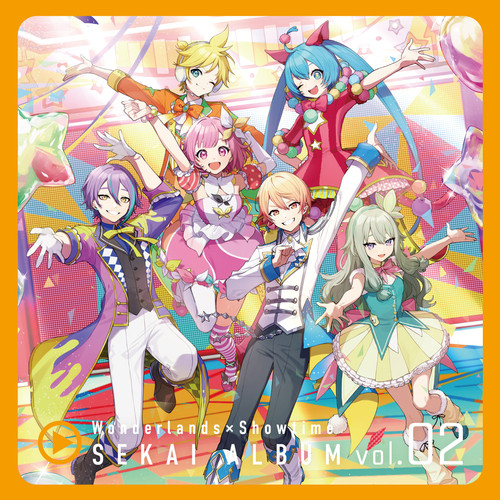
ワンダーランズ×ショウタイム
Listen
3
/5
Genres
Men Chika
Men chika (メン地下) is the Japanese underground male idol scene, made up of boy groups who perform high-energy J‑pop and dance-pop in small live houses, theaters, and idol events rather than on major mainstream stages. Musically it blends glossy J‑pop songwriting with club-ready EDM/electropop production, punchy hooks built for call-and-response, and chant breaks designed for wotagei/fan MIX participation. Songs commonly feature bright synths, four-on-the-floor or trap-inflected grooves, stacked gang shouts, and key‑change finales. Lyrically the focus is on youth, dreams, devotion, and intimacy with fans—reinforced by close-contact fan practices like cheki (instax photos) and meet-and-greets. Culturally, men chika parallels the long-running “chika idol” (underground idol) movement on the women’s side, but orients to a largely female fanbase and a circuit centered on Tokyo live houses and regional circuits. It is as much a participatory fan culture as it is a sound, shaping how songs are arranged, staged, and monetized.
Discover
Listen
Jirai Kei
Jirai kei is a recent Japanese internet-born pop micro‑genre and aesthetic that blends cute, sugary sounds with darker, obsessive and self‑destructive themes. The term comes from a fashion/aesthetic scene associated with yamikawaii and menhera culture, and in music it describes songs that sound soft and adorable on the surface but conceal lyrics about toxic love, dependency, jealousy, and emotional volatility. Sonically, jirai kei draws from J‑pop and Vocaloid traditions (denpa/picopop brightness, catchy hooks) while adopting modern hyperpop gloss, trap/EDM percussion, and highly edited, youthful vocals. The contrast between childlike, pastel timbres and intense, confessional writing is central to the style, making it both immediately hooky and emotionally sharp—an audio embodiment of “cute but dangerous.”
Discover
Listen
J-Division
J-division is a contemporary Japanese media‑mix pop and hip‑hop scene centered on “2.5D” idol projects and voice‑actor (seiyu) character units. Songs are typically credited to fictional characters and performed by their voice actors, fusing glossy J‑pop with EDM drops, trap‑influenced beats, and anison (anime song) theatricality. The “division” idea reflects franchise formats that pit city‑ or team‑based units against one another in story‑driven releases, live events, and stage productions. The sound ranges from bright, dance‑floor J‑pop to cypher‑style rap tracks, often featuring tightly choreographed hooks, stacked harmonies, dramatic key changes, and narrative lyrics that extend a franchise’s worldbuilding.
Discover
Listen
Otacore
Otacore is a fan-driven, internet-native umbrella for music centered on anime, manga, gaming, and broader otaku culture. Rather than a single strict musical style, it describes a cluster of scenes where pop, electronic, rock, and rap intersect with anime aesthetics, story tropes, and character/fandom references. Typical otacore repertoires include Vocaloid productions, anisong-style pop/rock, high-energy EDM with kawaii sound design, nightcore-style edits, game-inspired chiptune flourishes, and cover cultures (English/Japanese) tied to anime and game franchises. Distribution and discovery are powered by platforms such as Nico Nico Douga, YouTube, SoundCloud, streaming playlists, and later TikTok, where memeability, fan videos (AMVs), and vtuber performances help songs spread globally.
Discover
Listen
Vocaloid
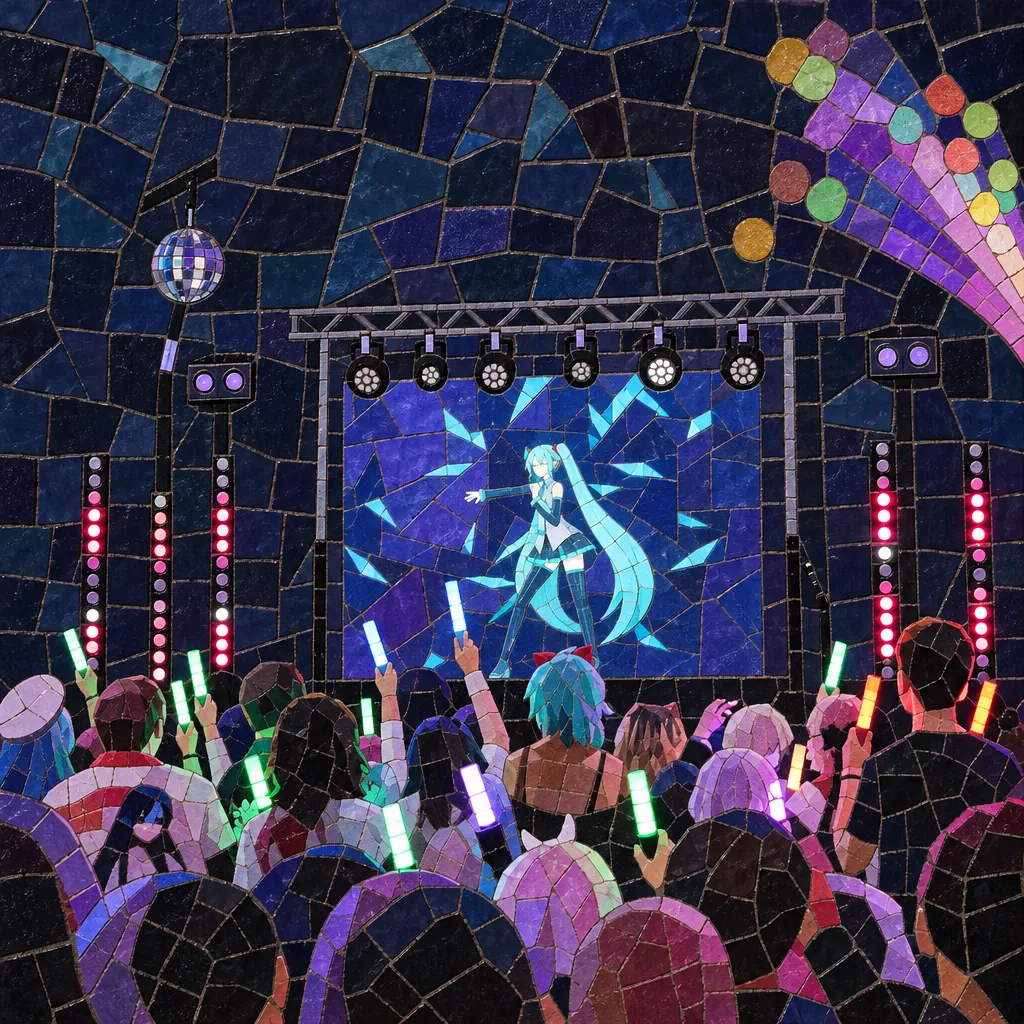
Vocaloid is a music genre and production culture centered on songs performed by synthesized singing voices, most famously the virtual singer Hatsune Miku. Producers compose and arrange tracks, then program lyrics and melodies into voicebanks to create lead vocals that sound like human singers. While the repertoire spans many styles, Vocaloid is strongly associated with Japanese pop, rock, and electronic dance music aesthetics. Songs are often released online with striking illustrated artwork and animated "PV" videos, and they are disseminated through platforms such as Nico Nico Douga and YouTube by independent creators and labels. The genre’s hallmark is the combination of catchy, hyper-bright melodies, energetic rhythm sections, and expressive vocal programming (tuning) that leverages timbral artifacts unique to synthesized voices. A vibrant fan community drives remixes, covers, live concerts with virtual avatars, and continual evolution of stylistic norms.
Discover
Listen
J-Pop
J-pop (Japanese pop) is a broad umbrella for mainstream Japanese popular music that blends Western pop/rock, dance, and R&B with distinctly Japanese songwriting, vocal delivery, and industry practices. It is characterized by strong hooks, polished production, bright synths and guitars, frequent key changes and modulatory bridges, and chorus-first or chorus-centric structures. J-pop spans idol groups, singer-songwriters, band-oriented pop-rock, electronic dance-pop, and R&B ballads, while remaining closely tied to television, advertising, video games, and anime tie-ins (anisong).
Discover
Listen
Similar artists
4
/5
Ado
Vocaloid
J-Pop
J-Rock
4
/5
Eve
Yakousei
J-Pop
Utaite
4
/5
DECO*27
J-Pixie
Vocaloid
J-Pop
4
/5
9Lana
Vocaloid
Gamecore
J-Pop
3
/5
Kanaria
Vocaloid
J-Pop
Men Chika
3
/5
稲葉曇
J-Pop
Vocaloid
Yakousei
3
/5
jon-YAKITORY
Vocaloid
Anime
Chill Pop
3
/5
Reol
J-Pop
J-Rock
Men Chika
3
/5
syudou
Anime
J-Pop
Men Chika
3
/5
Ayase
J-Pop
Men Chika
Vocaloid
Download our mobile app
Get the Melodigging app and start digging for new genres on the go
Download on the App Store
Get it on Google Play
© 2026 Melodigging
Give feedback
Legal
Melodding was created as a tribute to
Every Noise at Once
, which inspired us to help curious minds keep digging into music's ever-evolving genres.