Genres
Artists
Albums
Make Music
Sign in
Sign in
Artists
Clube Da Esquina
Artists
Clube Da Esquina
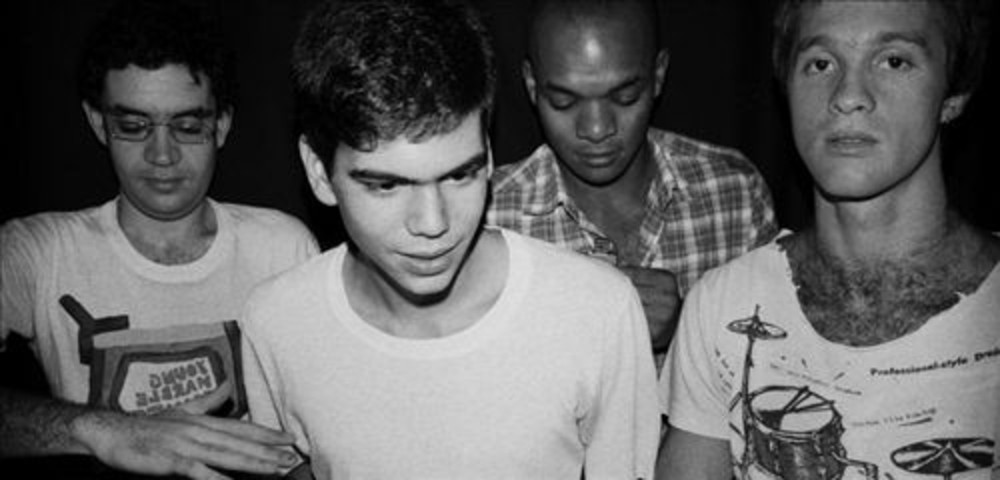
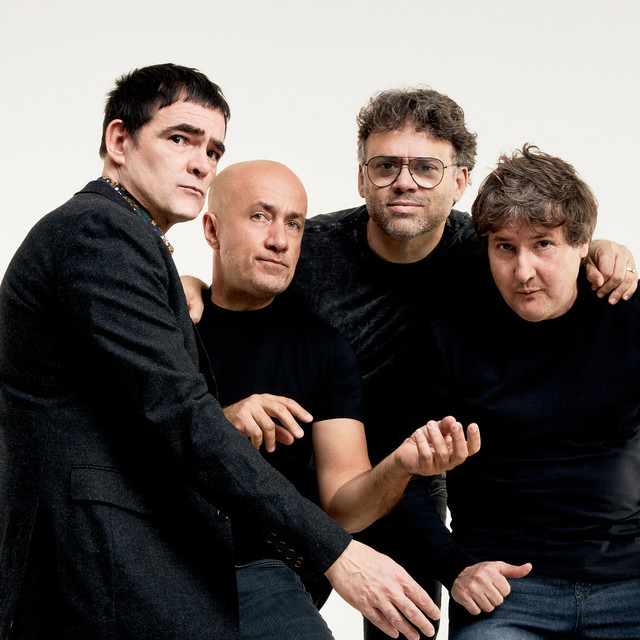
14 Bis
1979–1981
·
4 albums
Listen
3
/5
Genres
Clube Da Esquina
Clube da Esquina is a Brazilian musical movement and songwriting style that emerged in the early 1970s in Belo Horizonte, Minas Gerais. It fuses the poetic intimacy of MPB and bossa nova with Beatles-inspired rock, jazz harmony, folk-rock textures, and touches of psychedelia and progressive rock. The result is a warm, guitar- and piano-led sound with luminous vocal harmonies, sophisticated chord colors, and evocative, image-rich lyrics. Its hallmark is the blend of regional Mineiro sensibility—pastoral, nostalgic, spiritual—with cosmopolitan arranging and harmonic daring. Songs feel dreamy yet grounded, tender yet harmonically bold, balancing lyrical introspection with melodic immediacy.
Discover
Listen
Brazilian Pop
Brazilian pop is the mainstream-oriented spectrum of popular music made in Brazil, merging local rhythmic DNA (samba, bossa nova, MPB, axé, forró, sertanejo) with international pop, rock, R&B, and electronic production. Across eras, it has balanced melodic immediacy and radio-friendly structures with the harmonic richness and syncopation characteristic of Brazilian traditions. In the 2010s–2020s, Brazilian pop increasingly incorporates baile funk grooves, trap/R&B textures, and polished EDM elements, while retaining Portuguese lyrics, regional slang, and themes tied to Brazilian daily life, romance, and celebration.
Discover
Listen
Brazilian Rock
Brazilian rock is the umbrella term for rock music created in Brazil, sung mostly in Portuguese, and colored by the country’s regional rhythms, harmonic language, and social context. From its 1960s roots in rock and roll and Jovem Guarda, through the psychedelic and Tropicália experiments at the decade’s end, to the post-dictatorship explosion of 1980s “BRock,” the style has continually absorbed global rock currents while retaining a distinctly Brazilian identity. You’ll hear electric guitars alongside samba and baião grooves, bossa/MPB chords, and lyrics that move between youthful romance, biting social commentary, and poetic introspection. Today, Brazilian rock spans classic, alternative, indie, and heavy strands, remaining a foundational pillar of Brazilian popular music.
Discover
Listen
Mpb
MPB (Música Popular Brasileira) is a broad Brazilian popular music movement that crystallized in the mid-1960s after bossa nova. It blends samba and other regional rhythms with jazz harmony, singer‑songwriter craft, and elements of contemporary pop and rock. The style is marked by sophisticated melodies, extended harmonies, inventive arrangements, and lyrically rich songs that often use poetry and metaphor. Many classic MPB works balance intimacy (voice and violão/nylon‑string guitar) with lush studio orchestration, drawing from samba‑canção, choro, baião, and frevo while engaging modern influences. Historically, MPB provided a platform for social commentary during Brazil’s military dictatorship, with artists employing allegory to navigate censorship. It remains a living tradition that continually renews itself through new generations (“nova MPB”).
Discover
Listen
Tropicália
Tropicália (also known as Tropicalismo) is a late‑1960s Brazilian movement that fused local popular and folkloric forms with global pop and rock, avant‑garde ideas, and mass‑media aesthetics. It treated culture with an "antropofagia" (cultural cannibalism) ethos—cheerfully absorbing and transforming foreign influences alongside Brazilian traditions. Musically, it blends samba and baião rhythms, bossa nova harmonies, psychedelic rock timbres, collage‑like arrangements, and orchestral color. Lyricists used irony, allegory, and vivid imagery to comment on modernity and politics under Brazil’s military dictatorship. The result is music that feels playful yet subversive, sophisticated yet immediate, and unmistakably Brazilian.
Discover
Listen
Folk Rock
Folk rock is a fusion genre that blends the narrative lyricism, modal melodies, and acoustic timbres of traditional folk with the backbeat, amplification, and song structures of rock. It typically pairs acoustic or traditional instruments (acoustic guitar, mandolin, fiddle) with a rock rhythm section (electric guitar, bass, drums), often featuring chiming 12‑string guitar textures, close vocal harmonies, and socially conscious or storytelling lyrics. The result ranges from intimate, reflective ballads with a steady backbeat to more anthemic, roots‑driven rock. Emerging in the mid‑1960s through artists such as Bob Dylan and The Byrds, folk rock became a gateway for traditional and roots materials to enter mainstream popular music, and it seeded later movements from country rock and Americana to jangle pop and modern indie folk.
Discover
Listen
Progressive Rock
Progressive rock is a rock subgenre that expands the genre’s formal, harmonic, and conceptual boundaries. It favors long-form compositions, intricate arrangements, and virtuosic musicianship, often drawing on Western classical, jazz, folk, and psychedelic idioms. Typical hallmarks include multi-part suites, shifting time signatures, extended instrumental passages, recurring motifs, and concept albums that present unified themes or narratives. The sound palette commonly features electric guitar, bass, and drums alongside an array of keyboards (Hammond organ, Mellotron, Moog/ARP synthesizers, piano), woodwinds or brass, and occasional orchestral additions. Lyrics often explore science fiction, mythology, philosophy, social commentary, and introspective themes.
Discover
Listen
Psychedelic Rock
Psychedelic rock is a style of rock music that seeks to evoke, simulate, and expand altered states of consciousness through sound. It typically features timbral experimentation (fuzz, wah, tape delay, phasing), drones, modal or raga-influenced harmony, extended improvisation, studio-as-instrument production, and surreal, mystical, or mind-expanding lyrics. Emerging from mid-1960s counterculture, it fused garage-band energy with folk, blues, and non-Western musical ideas—especially Indian classical ragas—while embracing new studio technologies and concert light shows. Both a live and a studio art, psychedelic rock ranges from jangly, kaleidoscopic pop to heavy, hypnotic jams and cosmic soundscapes.
Discover
Listen
Rock
Rock is a broad family of popular music centered on amplified instruments, a strong backbeat, and song forms that foreground riffs, choruses, and anthemic hooks. Emerging from mid‑20th‑century American styles like rhythm & blues, country, and gospel-inflected rock and roll, rock quickly expanded in scope—absorbing folk, blues, and psychedelic ideas—while shaping global youth culture. Core sonic markers include electric guitar (often overdriven), electric bass, drum kit emphasizing beats 2 and 4, and emotive lead vocals. Rock songs commonly use verse–chorus structures, blues-derived harmony, and memorable melodic motifs, ranging from intimate ballads to high‑energy, stadium‑sized performances.
Discover
Listen
Show all 9 genres
Albums
1981
2
/5
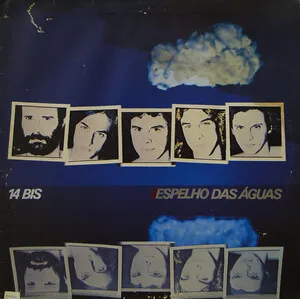
Espelho das águas
14 Bis
Clube Da Esquina
1980
3
/5
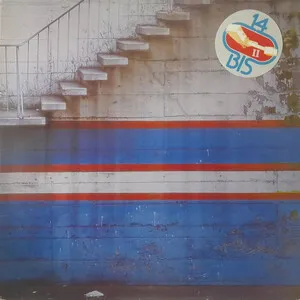
II
14 Bis
Clube Da Esquina
1979
2
/5
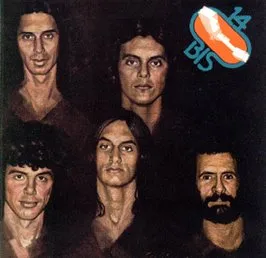
14 Bis
14 Bis
Clube Da Esquina
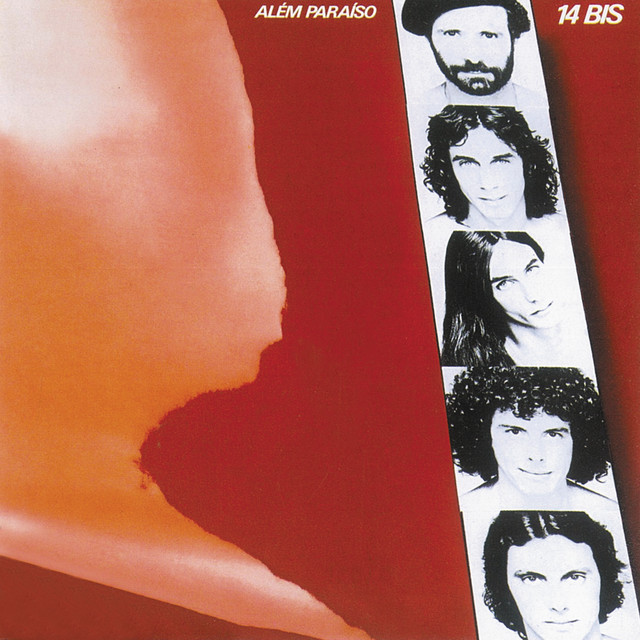
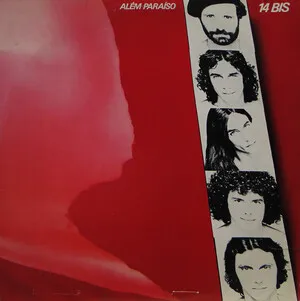
Além paraíso
14 Bis
Clube Da Esquina
Similar artists
4
/5
Charlie Brown Jr.
Brazilian Rock
Brazilian Pop
Brazilian Trap
4
/5
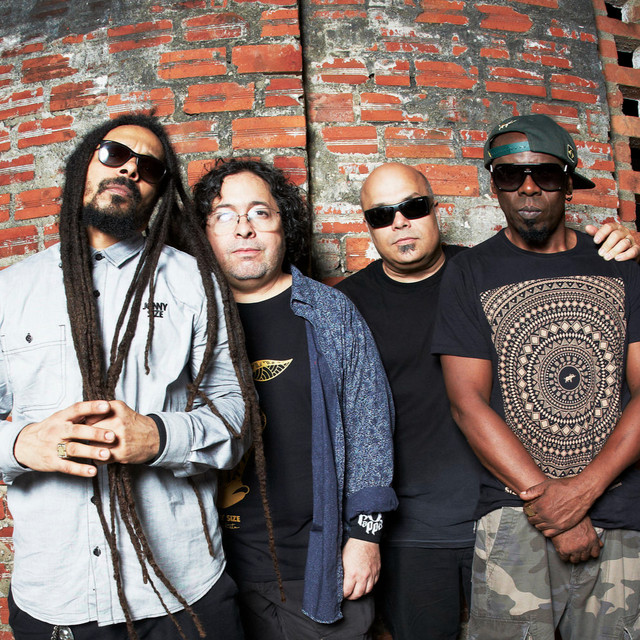
O Rappa
Brazilian Hip Hop
Brazilian Pop
Brazilian Rock
4
/5
Legião Urbana
Brazilian Rock
Brazilian Pop
Mpb
4
/5
Skank
Pop Rock
Brazilian Rock
Brazilian Pop
4
/5
Engenheiros Do Hawaii
Rock Gaucho
Pop Rock
Brazilian Pop
4
/5
Rita Lee
Tropicália
Mpb
Brazilian Rock
4
/5
Pitty
Brazilian Rock
Brazilian Pop
Emo Revival
4
/5
Capital Inicial
Brazilian Pop
Brazilian Rock
Mpb
4
/5
Lulu Santos
Brazilian Pop
Brazilian Rock
Emo Revival
4
/5
Os Paralamas Do Sucesso
Latin Rock
Reggae Rock
Brazilian Pop
Download our mobile app
Get the Melodigging app and start digging for new genres on the go
Download on the App Store
Get it on Google Play
© 2026 Melodigging
Give feedback
Legal
Melodding was created as a tribute to
Every Noise at Once
, which inspired us to help curious minds keep digging into music's ever-evolving genres.