Genres
Make Music
Artists
Albums
Challenges
Sign in
Sign in
Albums
By Radiohead
Albums
By Radiohead
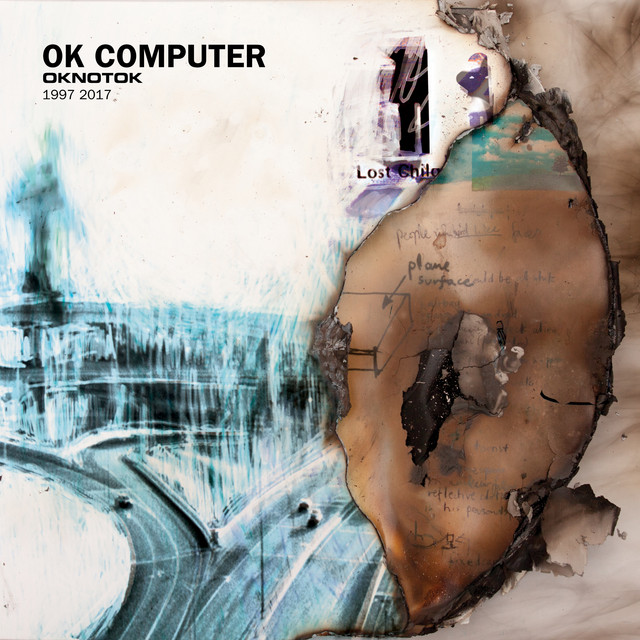
OK Computer
June 23, 2017
Listen
4
/5
Genres
Melancholia
Melancholia is an internet-era microgenre centered on soft-focus, sorrow-tinged pop and indie songs that foreground intimacy, space, and emotional candor. Tracks are typically slow to mid‑tempo, sung in a close, almost confessional register, and framed by sparse, reverb‑soaked textures. Sonically it lives between dream pop, bedroom pop, and slowcore: shimmering guitars or wistful synth pads drift over understated beats; piano, acoustic guitar, and low‑key electronic drums carry muted, pulsing grooves. Harmonies often favor minor keys, suspended chords, and gentle extensions (7ths/9ths) that heighten a bittersweet glow. Lyrically, melancholia lingers on solitude, late‑night self‑reflection, breakups, and fragile hope. The genre coalesced through streaming playlists and social media, where its hush, negative space, and diaristic tone translate into a cohesive, instantly recognizable mood.
Discover
Listen
Dystopian
Dystopian music is a thematic style that evokes societies under repressive control, surveillance, and decay—often imagined in near‑ or far‑future settings. Sonically, it blends industrial abrasiveness, mechanical rhythms, and shadowy ambient textures with synth‑driven timbres and cinematic sound design. The result is a sense of unease, alienation, and technological overreach that mirrors the dystopian fiction tradition in literature and film.
Discover
Listen
Alternative Rock
Alternative rock is a broad umbrella for guitar-based rock that emerged from the independent and college-radio scenes as a counterpoint to mainstream, commercial rock. It blends the energy and ethos of punk with the textural and songwriting experiments of post-punk, new wave, jangle pop, and noise rock, often foregrounding introspective or socially aware lyrics. Across its many strains—from the melodic minimalism of college rock to the loud-quiet-loud dynamics of grunge and the artful experimentation of Radiohead-era modernism—alternative rock prioritizes authenticity, sonic individuality, and a do-it-yourself approach. Its sound ranges from chiming, chorus-laden clean guitars to abrasive distortion and feedback, supported by straightforward rock rhythms or off-kilter grooves, and production that can be either raw and live-sounding or polished yet unconventional.
Discover
Listen
Brickfilm
Brickfilm is a stop‑motion animation style that uses interlocking plastic bricks—most commonly LEGO—and their minifigures to tell stories. Filmmakers build sets from bricks, pose figures frame by frame, and photograph each incremental movement to create motion when the images are sequenced. The medium embraces the toy’s modularity: walls, props, vehicles, and even special effects can be constructed from bricks, while post‑production adds sound design, music, and occasional CG compositing. Though it spans every genre (comedy, action, sci‑fi, drama), brickfilm is united by its playful, tactile aesthetic and the unmistakable look and limitations of minifigure performance. Since the late 1990s and early 2000s, brickfilm has flourished online, with a large community of hobbyists and professionals sharing work, techniques, and running fast‑turn contests. The style ranges from rough single‑weekend shorts to meticulously lit, cinematic productions shot with dedicated stop‑motion rigs.
Discover
Listen
Cannibal
Cannibal is a niche soundtrack-anchored genre tag tied to the Italian “cannibal” exploitation film cycle that peaked from the mid‑1970s to early 1980s. Musically, it blends lush European library/easy‑listening orchestration, prog‑rock rhythm sections, jazz/funk instrumentation, and so‑called “tribal” percussion and flutes, set against dark, suspenseful harmonic beds. Its aesthetic aims for high shock value consistent with the films’ violent and transgressive subject matter, juxtaposing deceptively beautiful themes with dread, ambient dissonance, and percussive ritual cues. Contemporary dark electronic and extreme metal acts sometimes reference this palette to evoke jungle survivalism, taboo, and visceral tension.
Discover
Listen
Mahō Shōjo
Mahō shōjo ("magical girl") is a Japanese media genre whose stories center on a girl or group of girls who gain magical powers, often through a pact or contract with a supernatural being, and use those powers to balance everyday life with heroic responsibility. Musically, the genre’s sound world is defined by bright, hook‑forward anison (anime song) aesthetics, idol‑style pop choruses, and transformation themes that blend orchestral sparkle (strings, brass, chimes, glockenspiel) with synths and rock rhythm sections. Openers and endings are typically high‑energy J‑pop tailored for dance routines and call‑and‑response, while background scores alternate between whimsical slice‑of‑life cues and triumphant, leitmotivic battle music. Darker deconstructions of the genre (e.g., psychological or tragic storylines) shift toward minor modes, choral textures, and dramatic harmony while retaining recognizably “magical girl” thematic signifiers.
Discover
Listen
Art Rock
Art rock is a branch of rock music that treats the studio and the album as spaces for artistic experimentation, emphasizing conceptual ideas, ambitious arrangements, and cross-pollination with modernist and avant-garde traditions. It typically favors extended song forms, thematic or conceptual unity, and non-standard instrumentation (strings, woodwinds, synthesizers) alongside rock’s core band setup. Lyrically, it leans toward literary, surreal, or philosophical subjects and often adopts theatrical presentation. Where mainstream rock centers on immediacy and hooks, art rock embraces risk: unusual time signatures, timbral exploration, complex harmony, tape and electronic manipulation, and interludes that draw from classical, jazz, minimalism, and experimental music.
Discover
Listen
Rock
Rock is a broad family of popular music centered on amplified instruments, a strong backbeat, and song forms that foreground riffs, choruses, and anthemic hooks. Emerging from mid‑20th‑century American styles like rhythm & blues, country, and gospel-inflected rock and roll, rock quickly expanded in scope—absorbing folk, blues, and psychedelic ideas—while shaping global youth culture. Core sonic markers include electric guitar (often overdriven), electric bass, drum kit emphasizing beats 2 and 4, and emotive lead vocals. Rock songs commonly use verse–chorus structures, blues-derived harmony, and memorable melodic motifs, ranging from intimate ballads to high‑energy, stadium‑sized performances.
Discover
Listen
Paint-On-Glass Animation
Paint-on-glass animation is a frame-by-frame animation technique in which an artist manipulates wet media (typically oil paint, gouache, or acrylics kept workable with additives) directly on panes of glass placed under a camera. Each incremental change is photographed, creating fluid, painterly motion when played back. Because the artwork is reworked continuously on the same surface (often on multiple layers of glass for depth), the results feature dissolving shapes, smudged transitions, and rich color blending that are difficult to achieve with cels or digital tools. The method is slow and highly artisanal, but prized for its dreamlike, impressionistic look.
Discover
Listen
Mafia Film
Mafia film is a crime-cinema subgenre centered on Italian and Italian‑American organized crime syndicates (the Mafia/Cosa Nostra and related clans). Narratives typically explore family hierarchies, codes of honor and omertà, the tension between old‑world tradition and new‑world capitalism, and the tragic costs of power. Musically, the style became strongly codified in the 1970s through scores that blend Italianate lyricism with noir‑era harmony: mournful waltzes, mandolin or accordion colors, solo trumpet or clarinet laments, and lush, elegiac strings. Contemporary entries often juxtapose this palette with curated period source music (doo‑wop, crooner ballads, Italian canzoni) and darker, minimalist textures to underscore brutality and fate.
Discover
Listen
Kalanta
Kalanta (κάλαντα) are Greek carols traditionally sung on the eves of Christmas, New Year, and Epiphany. The repertoire comprises distinct songs for each feast: Nativity kalanta celebrate Christ’s birth, New Year’s kalanta invoke St. Basil, and Epiphany kalanta recount the Baptism of Christ. Etymologically, the term derives from the Latin calendae (first day of the month), reflecting pre‑Christian calendrical customs that were later absorbed and reshaped during the Byzantine period. In practice, children (and sometimes youth choirs) go door‑to‑door, asking “να τα πούμε;” (“shall we sing them?”) and perform with light percussion—most famously a small metal triangle—sometimes joined by santouri, laouto, or regional folk instruments. Householders respond with treats or coins, a custom that has shifted from sweets to monetary gifts in recent decades. Kalanta exhibit rich regional variation (islands, mainland, and diaspora communities), but share a simple, processional melodic profile, memorable refrains, and lyrics offering blessings and prosperity to the household. Signature pieces include the Christmas "Καλήν εσπέραν, άρχοντες" and the New Year’s "Αρχιμηνιά κι Αρχιχρονιά."
Discover
Listen
Similar albums
2007
In Rainbows
Radiohead
2000
Kid A
Radiohead
1990
Heaven or Las Vegas
Cocteau Twins
1986
The Queen Is Dead
The Smiths
1975
Wish You Were Here
Pink Floyd
1972
The Rise and Fall of Ziggy Stardust and The Spiders From Mars
David Bowie
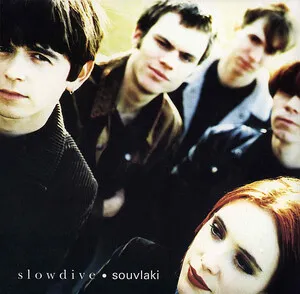
1993
Souvlaki
Slowdive
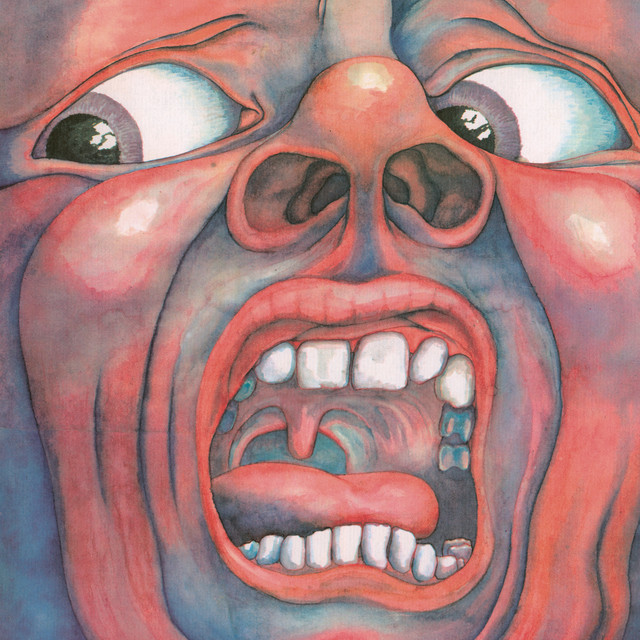
1969
In the Court of the Crimson King
King Crimson
1991
Loveless
my bloody valentine
1996
Long Season
Fishmans
Download our mobile app
Get the Melodigging app and start digging for new genres on the go
Download on the App Store
Get it on Google Play
© 2026 Melodigging
Give feedback
Legal
Melodding was created as a tribute to
Every Noise at Once
, which inspired us to help curious minds keep digging into music's ever-evolving genres.