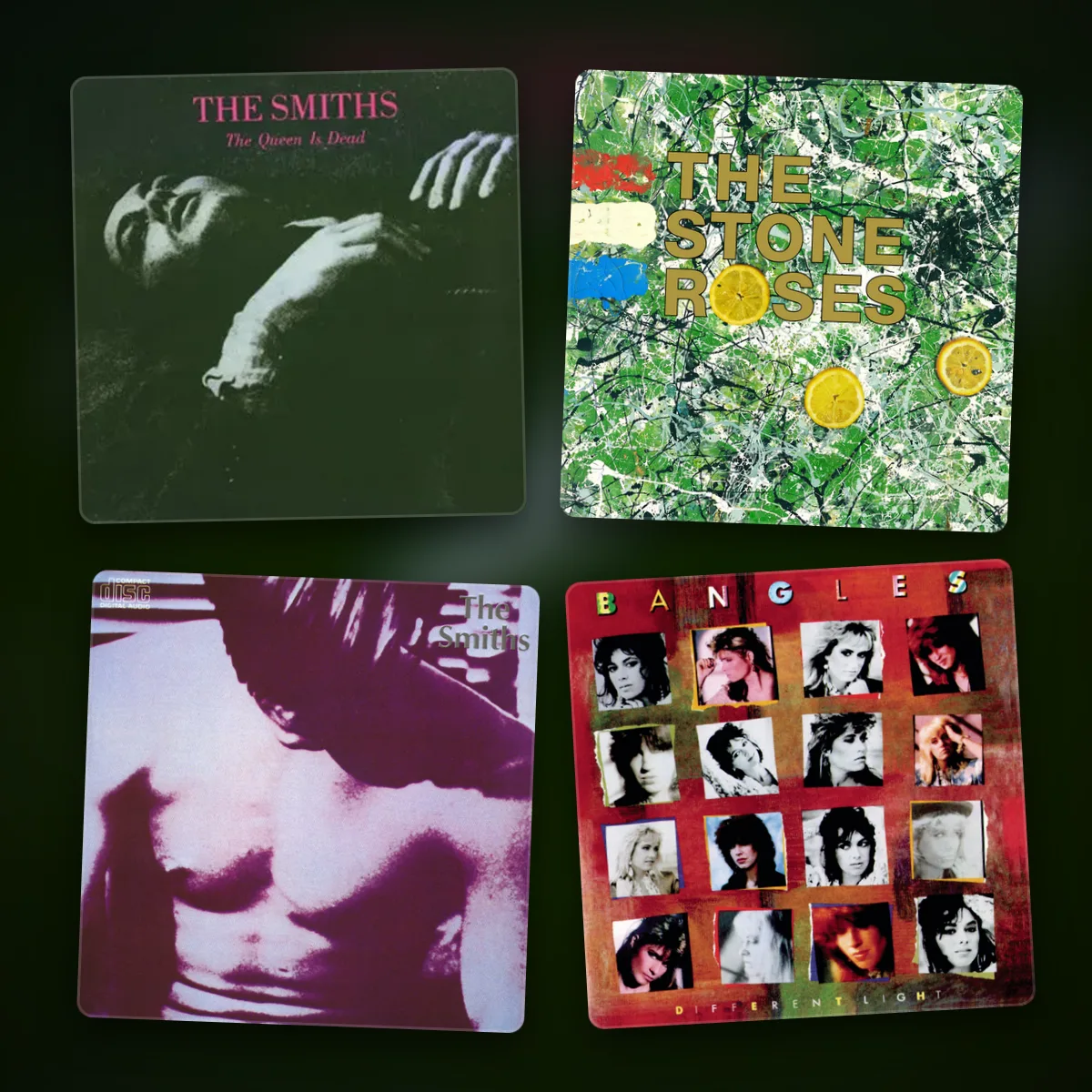
Description
The Sound of Young Scotland was a late-1970s Scottish music scene, not a genre in its own right. Emerging from DIY punk and post-punk, it offered a more melodic, pop-minded alternative while retaining the independence and energy of those scenes. It centered on labels including Postcard Records in Glasgow and Fast Product and Rational Records in Edinburgh.
Its artists worked across indie pop, post-punk and punk rock, bringing together jangling guitars, sharp post-punk rhythms and echoes of 1960s rock. Motown, dance-punk, disco and funk also informed parts of the scene’s music. A youthful visual style influenced by 1960s fashion accompanied the records.
Based on: Rate Your Music
History
DIY beginnings
The scene grew out of Scotland’s DIY punk, post-punk and hardcore communities in the late 1970s. Its most active period ran from 1977 to 1984, as musicians pursued a more melodic, independently made pop sound alongside the prevailing punk rock approach.
Labels and artists
In 1979, Alan Horne founded Glasgow’s Postcard Records to promote bands with that sensibility. Working with Orange Juice leader Edwyn Collins, he helped shape the scene’s aesthetic. Orange Juice’s single “Felicity (I Wish I Was a Postcard)” introduced the label; Aztec Camera and Josef K also became prominent Postcard acts. In Edinburgh, Fast Product released music by Fire Engines and Scars, while Rational Records was another label associated with the scene.
Postcard’s slogan, “The Sound of Young Scotland,” became a name for the wider scene. It both paid tribute to and parodied Motown’s “The Sound of Young America.”
Legacy
The scene helped establish a foundation for Scottish indie pop. Its sound influenced the C86 compilation and its associated sound, as well as later bands including Franz Ferdinand, Stereolab and Belle and Sebastian.
Start with a band sound
Aim for melodic, independently minded pop with the energy of punk and the rhythmic edge of post-punk. Build a song around a clear vocal melody and jangling guitar parts rather than treating the scene as a fixed set of production rules.
Shape the rhythm and arrangement
Let the guitar provide bright, ringing chords or short melodic figures, while bass and drums keep the performance taut and propulsive. You could draw on the concise songcraft of 1960s rock, then give it a sharper post-punk rhythmic feel.
Add movement and character
For a more dance-oriented approach, try a prominent bass line or syncopated guitar rhythm inspired by funk, disco or Motown. Keep the arrangement direct and lively: the contrast between tuneful pop and DIY urgency is a useful starting point for working in the spirit of the scene.

Best playlists
Influenced by