Your digging level
Description
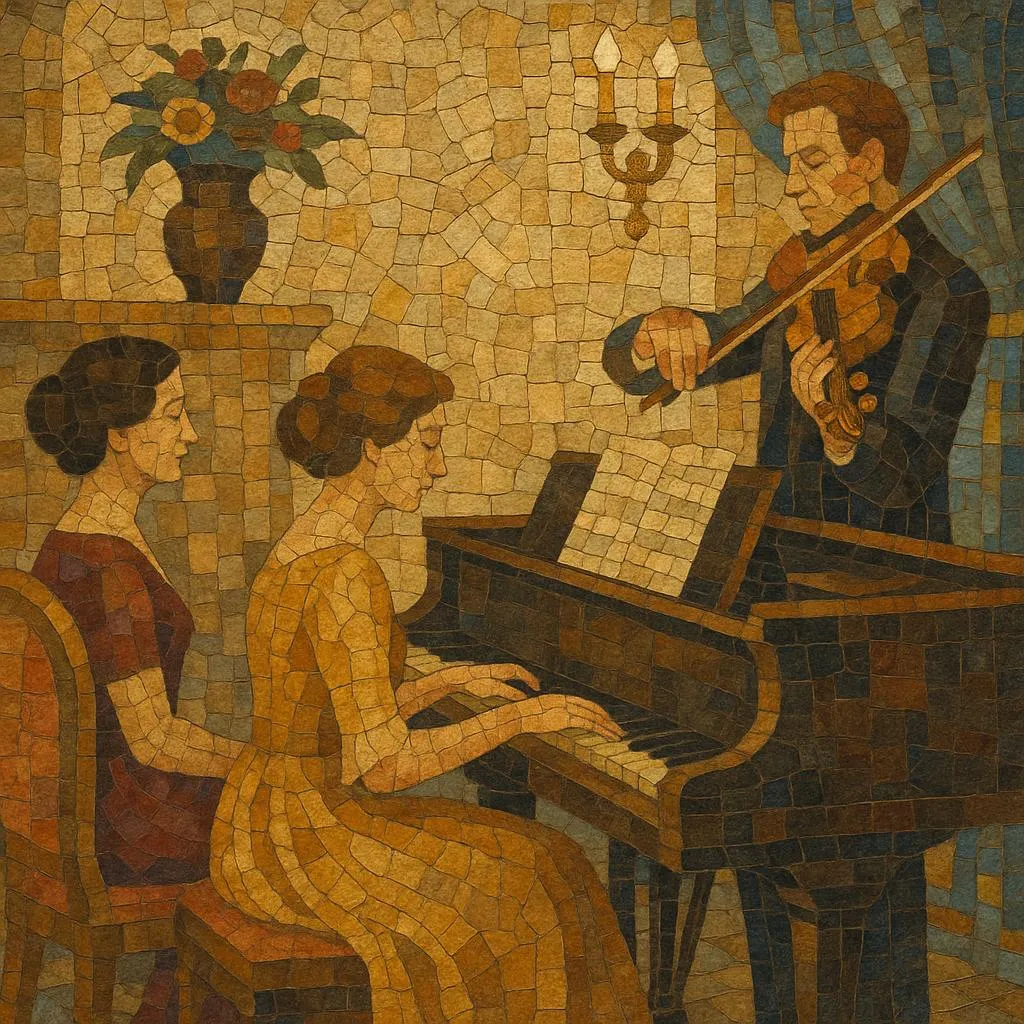
Salon music is a style of intimate, audience‑friendly concert music that flourished in 19th‑century European salons—private social gatherings hosted in homes and bourgeois venues.
Typically written for solo piano (and later for small “salon orchestras”), it favors short, self‑contained pieces with lyrical melodies, clear tonal harmony, and immediately graspable forms. Two major types predominate: operatic paraphrases/fantasias that weave popular opera tunes into a virtuosic, showpiece narrative; and character pieces (nocturnes, barcarolles, humoresques, waltzes, mazurkas, polkas) that paint a mood, story, or scene.
Its expressive profile ranges from sentimental lyricism to dazzling virtuosity, often using rubato, elegant dance rhythms, and ornamented right‑hand lines over flowing accompaniments. Title choices are evocative and programmatic, designed to engage listeners quickly in an intimate setting.
History
Salon music emerged in the broader Romantic era, aligning with the rise of the European salon as a center of cultural life among aristocratic and bourgeois circles. Paris, Vienna, Berlin, and other urban hubs fostered gatherings where literature, visual art, and music coexisted. The piano—now a middle‑class status symbol—became the ideal instrument for these settings, enabling both expressive intimacy and brilliant display.
By the mid‑19th century, two currents crystallized. First, the operatic paraphrase/fantasia: pianists‑composers reimagined beloved stage melodies with dazzling passagework and structural connective tissue, bringing opera into the home. Second, the character piece: compact musical vignettes (nocturne, barcarolle, reverie, humoresque, waltz, mazurka) offering a single mood or scene with lyrical melody and graceful harmony. These forms suited the salon’s short attention arcs and appetite for novelty.
Salon pieces often doubled as calling cards for virtuoso performers and as attractive sheet‑music commodities for the growing amateur market. Expressive rubato, bel canto phrasing, and tasteful ornamentation were central to the style. Toward the late 19th and early 20th centuries, small salon orchestras arranged piano favorites for strings, winds, and piano, extending the repertoire beyond the keyboard while retaining its intimate character.
Salon music helped normalize short, programmatic, melodically immediate pieces for domestic performance. Its sensibility carried forward into parlour music, light music, easy listening, and popular “light classics,” as well as the continuing tradition of salon ensembles and arrangements.