

Your digging level
Description
Qasidah modern is an Indonesian Islamic popular music style that modernizes the Arabic qasidah tradition of devotional poetry and song. It blends Middle Eastern melodic shapes and percussion with Indonesian popular idioms such as dangdut, gambus orchestra textures, and easy‑to‑sing verse–chorus forms.
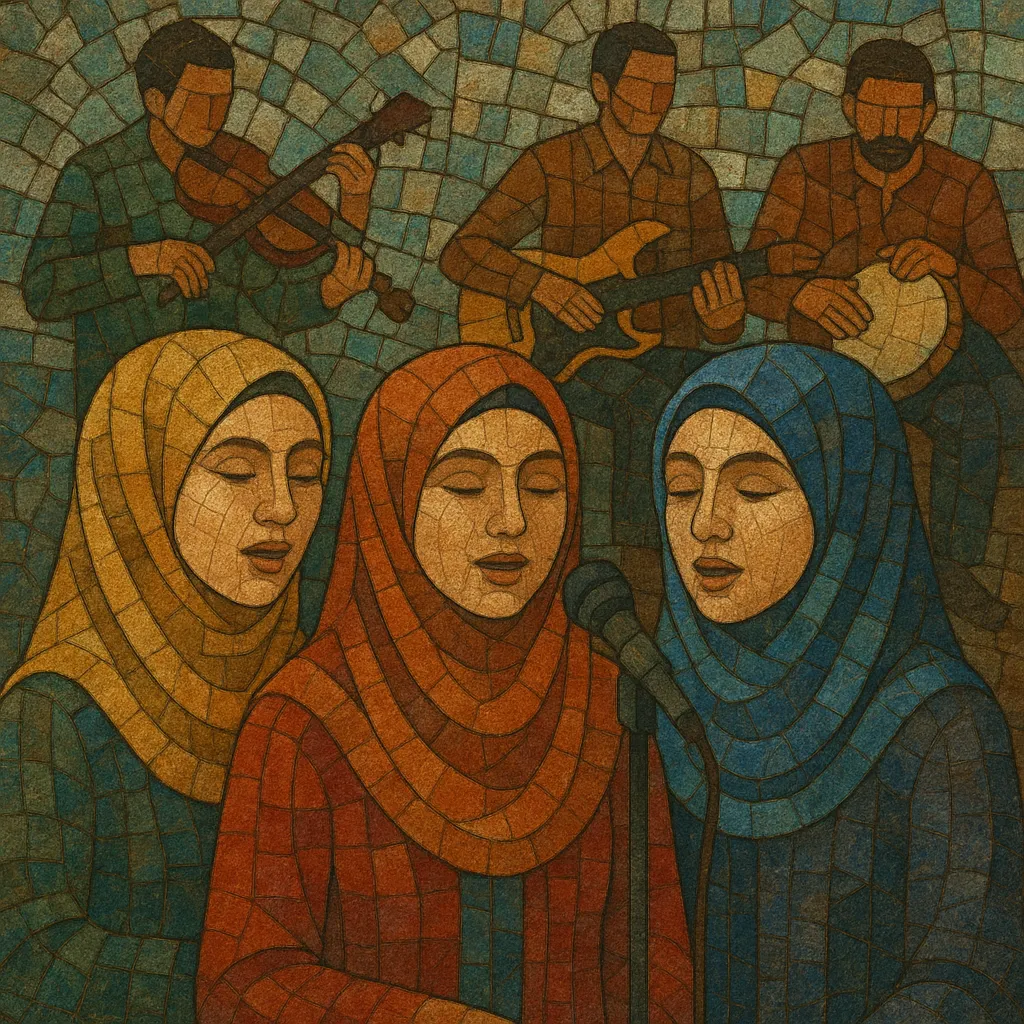
Performances often feature a lead singer and a female vocal chorus in call‑and‑response, supported by rebana/frame drums, darbuka, violin, accordion or organ/keyboard, bass, and occasionally oud or guitar. Melodies commonly hint at maqam colors (for example Phrygian‑dominant/Hijaz inflections) while keeping harmonies largely diatonic and accessible to mass audiences.
Lyrically, qasidah modern focuses on dakwah (religious outreach), moral advice, social harmony, and piety, frequently alternating Bahasa Indonesia with Arabic refrains. The style thrived in the cassette era and remains a staple at Islamic community gatherings, festivals, and televised religious programming.
History
Qasidah modern emerged in Indonesia in the 1970s as a localized modernization of the Arabic qasidah tradition—rhymed devotional poetry sung to simple, memorable tunes. It drew directly from earlier Indonesian gambus (orkes gambus) ensembles that had popularized Middle Eastern instruments and rhythms since the early 20th century, and it absorbed contemporary pop and dangdut sensibilities to reach broader audiences.
The genre grew rapidly with the rise of low‑cost cassette production and Islamic community media. Female vocal groups and mixed ensembles popularized the sound on radio, in neighborhood pengajian (religious study gatherings), and at public festivals. Arrangements standardized around verse–chorus songs with call‑and‑response refrains, frame‑drum grooves, violin/accordion countermelodies, and, later, electronic keyboards.
While the melodies often evoke maqam colors (e.g., Hijaz‑like inflections), harmony typically remains diatonic and familiar to Indonesian pop listeners. Rhythms borrow from Middle Eastern patterns (malfuf, maksoum, saidi) and Indonesian popular grooves, usually at moderate, danceable tempos. Lyrics emphasize dakwah, ethical living, and social concord, occasionally addressing contemporary issues through a devotional lens.
By the 1980s–1990s, qasidah modern had become a recognizable thread of Indonesia’s Islamic popular culture, shaping how religious music could sound on mass media. It paved the way for later sholawat pop, Islamic pop ballads, and nasyid‑style vocal groups in Indonesia and the Malay world, and it continues to be performed at religious events and recorded for digital platforms.


Top albums
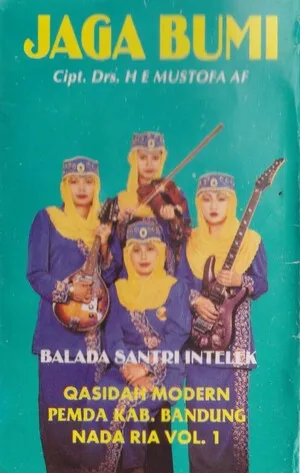
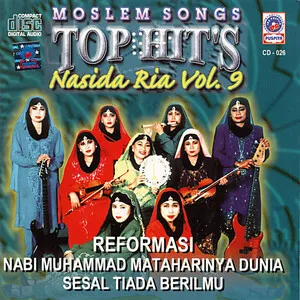
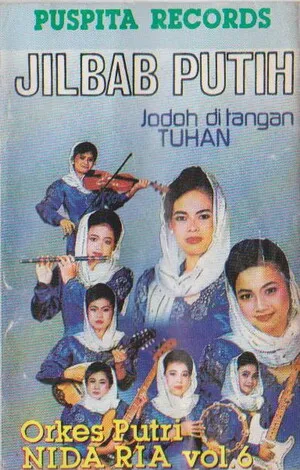
Best playlists


