Your digging level
Description
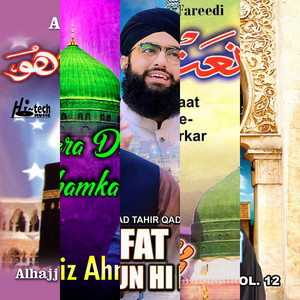
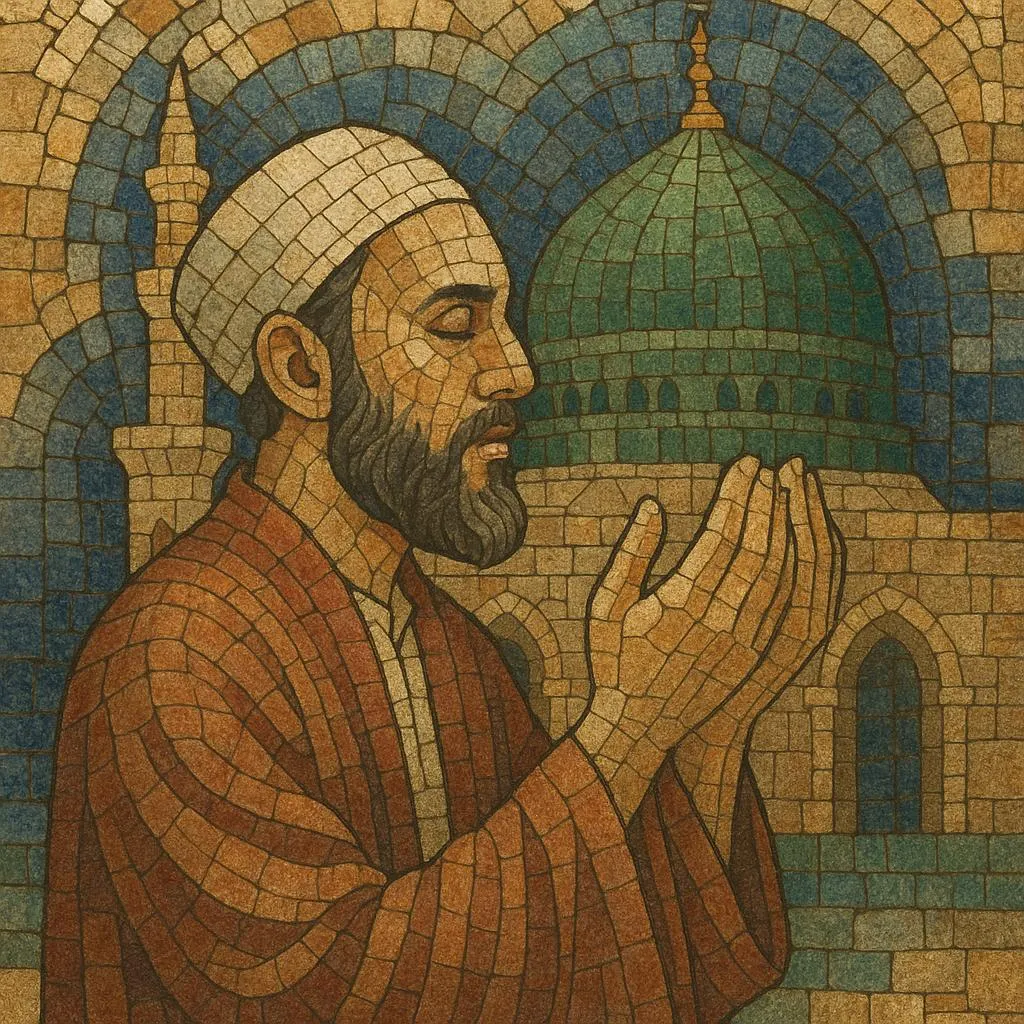
Naat is an Islamic devotional vocal genre centered on praise of the Prophet Muhammad (ﷺ).
It is commonly performed as sung or chanted poetry in Arabic, Urdu, Punjabi, and other Muslim languages, and is especially prominent in South Asian Sunni devotional culture.
Musically, naat often emphasizes clear diction, melodic ornamentation, reverent delivery, and a restrained emotional arc that moves from humility and longing to praise and supplication.
Performance contexts include religious gatherings (mehfil-e-naat), mosque or community events, celebrations of the Prophet’s birth (Mawlid), and personal devotion, with styles ranging from unaccompanied recitation to lightly accompanied studio productions.
History
Naat grows out of the earliest Islamic tradition of praising the Prophet in poetry and song-like recitation, including Arabic panegyric (madīh) and early devotional gatherings.
As Sufi orders expanded across the Muslim world, devotional poetry and musical assemblies helped standardize praise performance practices. This period strengthened links between praise poetry, melodic recitation, and communal listening etiquette (adab).
In South Asia, naat became a distinct, widely recognized devotional performance category—especially in Urdu and Punjabi—supported by literary naat traditions and specialized performers (naat khawan).
Cassette culture, broadcast media, and digital platforms broadened audiences and encouraged new arrangements (softer pop-influenced backings, choral layers, and more polished studio production), while many communities continue to value unaccompanied or minimally accompanied delivery for devotional clarity.