Your digging level
Description
Nasyid (from the Arabic nasheed) is a form of Islamic devotional vocal music that emphasizes moral instruction, remembrance of God, and social uplift.
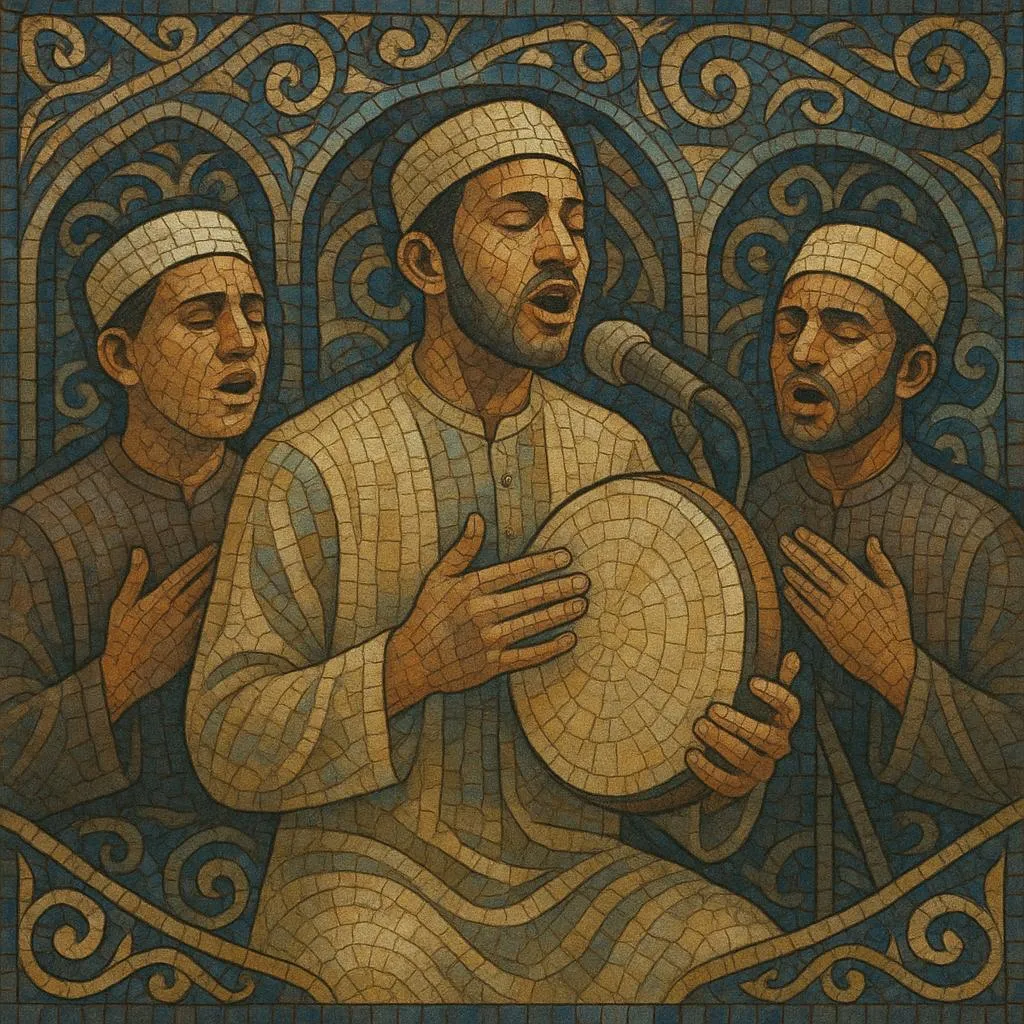
In the Malay world—especially Malaysia and Indonesia—modern nasyid developed into polished vocal-group pop distinguished by rich harmonies, call‑and‑response refrains, and light-to-moderate percussion. Depending on theological preferences, ensembles may perform strictly a cappella or with frame drums (rebana/kompang, daf) and sparse melodic accompaniment (piano, strings or soft synthesizers). Lyrics are usually in Malay and/or Arabic, drawing on Qur’anic imagery, salawat (praises upon the Prophet), supplication, ethics, family life, and community solidarity.
While rooted in centuries-old Islamic chant practices, contemporary nasyid embraces modern song forms (verse–pre‑chorus–chorus bridges), radio-friendly hooks, and concert presentation, making it a unique bridge between tradition and mainstream popular music in Muslim-majority Southeast Asia.




History
The term nasyid derives from Arabic nasheed—devotional singing associated with praise, moral exhortation, and spiritual remembrance. For centuries, Islamic chant traditions (including Qur’anic recitation aesthetics, madih/praise poetry, and Sufi inshad) informed Malay-Muslim musical life through courtly, pesantren/madrasah, and communal practices.
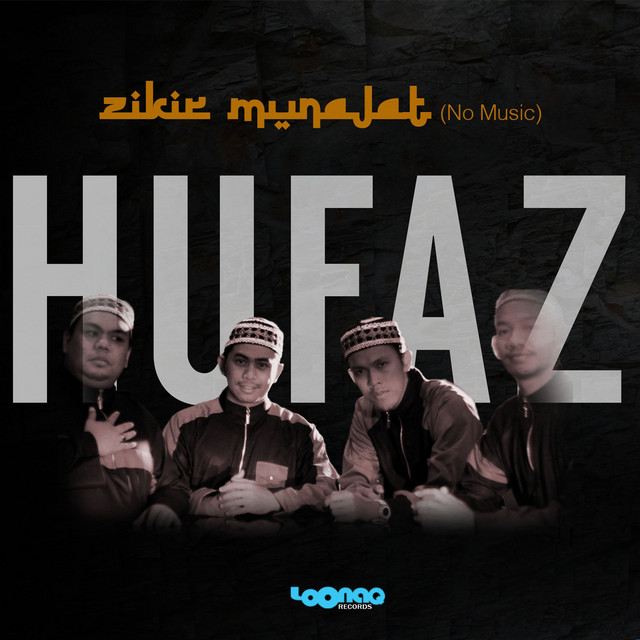
From the late 1980s into the 1990s, Malaysia witnessed the rise of nasyid vocal groups that applied contemporary pop craft—tight harmonies, memorable choruses, and refined stagecraft—to Islamic themes. Performers often adopted a cappella or percussion‑only setups, aligning with interpretations that restrict musical instruments, while others permitted tasteful keyboards and strings. The shift from informal campus/da‘wah circles to professional recording and television appearances catalyzed a recognizable “pop nasyid” industry.
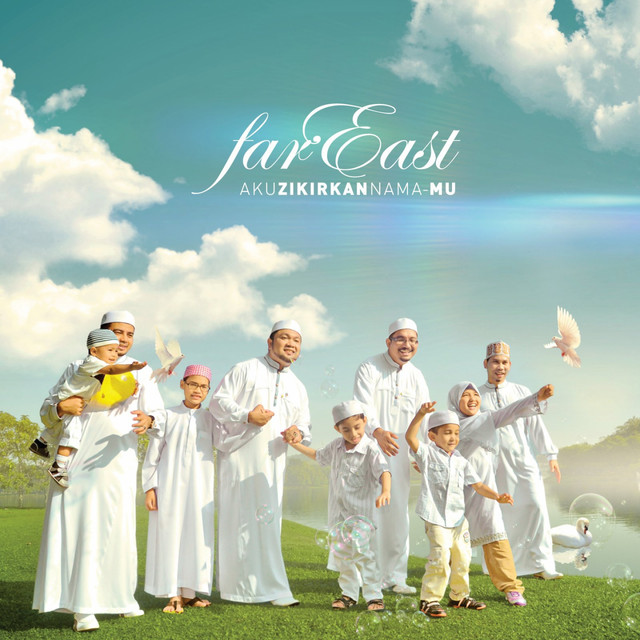
As cassettes, CDs, and music television flourished, several Malaysian ensembles achieved bestseller status and normalized religious-themed chart pop. Their success helped seed similar acts in Indonesia, Singapore, and Brunei, where local scenes drew on pre‑existing qasidah modern and gambus lineages. The result was a Southeast Asian ecosystem in which nasyid coexisted with mainstream pop while maintaining Islamic lyrical content and communal function (weddings, Ramadan events, school programs).
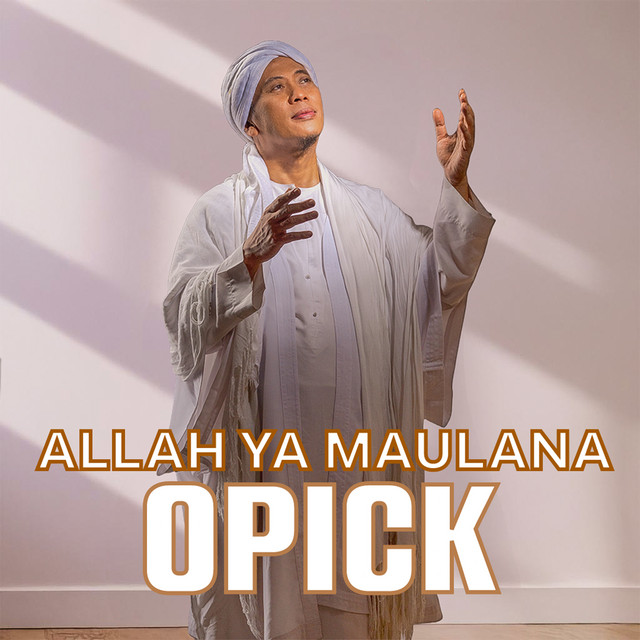
Streaming and social media diversified production values and theological aesthetics. Some groups retained purist a cappella frameworks; others adopted soft contemporary pop/R&B textures (piano pads, light strings, subtle rhythmic programming) while preserving text-centric delivery. Collaborations with preachers, integration of Arabic phrases, and thematic cycles around Ramadan, mawlid, or family life remain common. Meanwhile, nasyid’s pedagogy-forward approach keeps it active in education and youth outreach.
Musically, nasyid foregrounds the voice: parallel and contrary-motion harmonies, responsorial refrains, and ornamentation influenced by Arabic maqam (e.g., Bayati, Hijaz) rendered within Malay phonology. Rhythms typically center on 4/4 mid‑tempos or lilting 6/8, articulated by rebana/kompang patterns. The genre balances devotional gravity with accessibility, making it both a worship-adjacent form and a vernacular pop idiom.