

Your digging level
Description
Polyphonies corses (Corsican polyphonies) are a cappella, multi‑part vocal traditions from the island of Corsica.
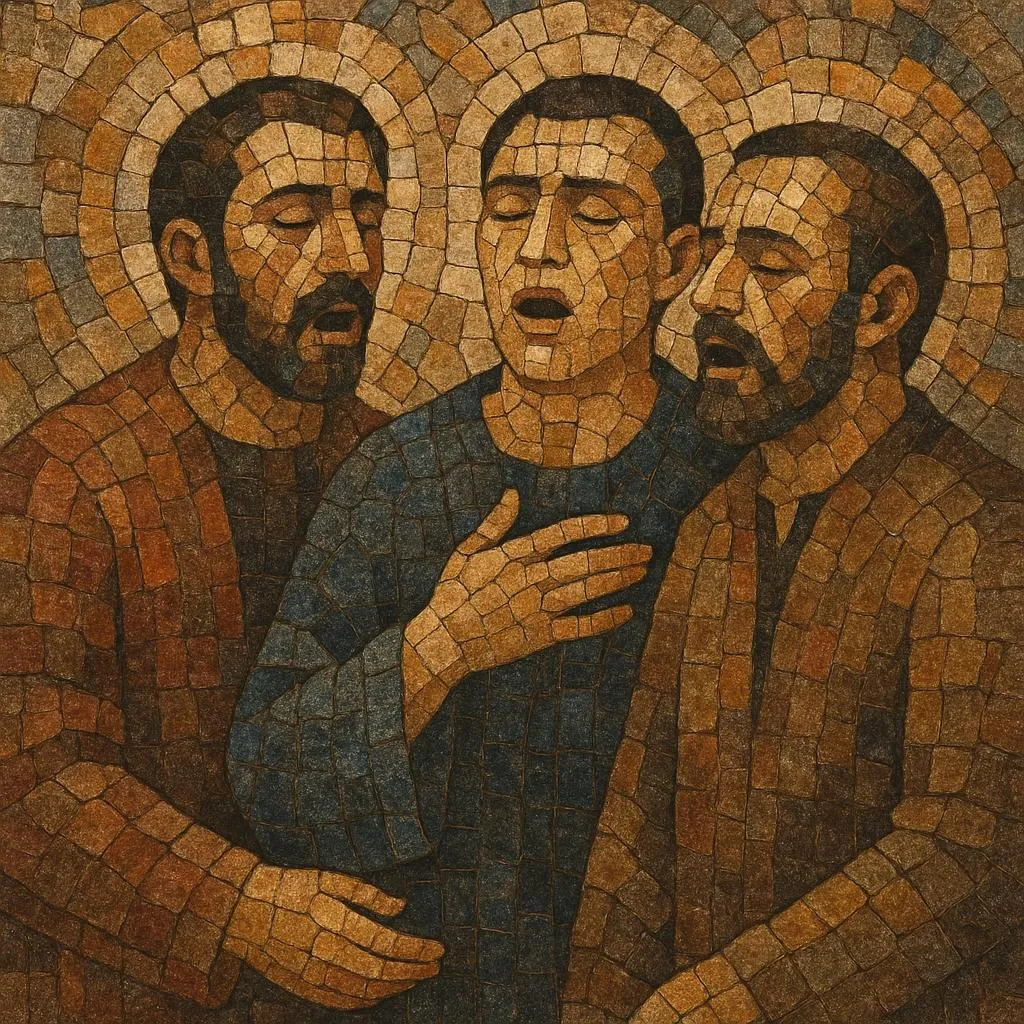
They are typically performed by small male ensembles (though women’s groups also exist) using three interlocking parts: u bassu (low drone/foundation), a secunda (principal melodic line), and a terza (upper part weaving ornaments and tension–release).
The sound is characterized by open fifths, tight seconds, and richly beating intervals produced by close, non‑equal-tempered tuning. Melodic lines are highly ornamented, with portamenti and melismas, and pieces often begin with the secunda solo before the other parts enter. Repertoire spans sacred pieces (in Corsican Latin and vernacular devotion) and secular songs of pastoral life, love, the seasons, and communal memory.
While rooted in medieval liturgical practices, the tradition also thrived in village life, transmitted orally and revived in the late 20th century through festivals and dedicated ensembles.
History
Corsican polyphony crystallized out of centuries of sung prayer and popular devotion on the island, where parish chant and confraternity practices absorbed elements of Gregorian and Byzantine chant. By the 17th–18th centuries, distinct local techniques—especially the three‑part texture (bassu/secunda/terza), heterophonic ornamentation, and a robust, nasal vocal timbre—were firmly in place in rural communities and confraternities.
For generations the style was sustained in villages, with singers learning informally from elders and peers. Sacred pieces marked the liturgical year, while secular songs narrated pastoral life, courtship, exile, and island history. Performances took place in churches, squares, and taverns, reinforcing communal identity and intergenerational memory.
Urbanization and social change weakened oral transmission in the mid‑20th century. From the 1970s, a cultural revival (often called the "riacquistu") reignited interest in Corsican language and music. New ensembles codified technique, organized workshops, and recorded landmark albums. In 2009, UNESCO inscribed the paghjella—the most emblematic Corsican polyphonic form—on the List of Intangible Cultural Heritage in Need of Urgent Safeguarding, underscoring both prestige and fragility.
Today, polyphonies corses thrive in festivals, churches, and concert halls. Ensembles experiment with new texts, modal expansions, and collaborations (from early music groups to world‑fusion projects) while retaining core features: a cappella three‑part texture, microtonal shadings, and an ethos of communal listening. The style has become a touchstone for Mediterranean polyphonic singing and a model for contemporary a cappella and chamber‑vocal programming.



