Your digging level
Description
Maloya électronique is a contemporary fusion of Réunion Island’s ceremonial maloya with modern electronic production. It retains maloya’s characteristic 6/8 ternary pulse and hand‑played percussion patterns while translating them to synthesizers, samplers, and drum machines.
Producers often sample kayamb, roulèr, and pikèr timbres, program polyrhythms that emphasize the swinging triplet feel, and layer creole vocals or call‑and‑response chants over sub‑bass, pads, and sequenced motifs. The result ranges from hypnotic, trance‑like grooves to club‑ready tracks that remain unmistakably rooted in maloya’s cadence.
History
Maloya, a traditional music of Réunion (in the Indian Ocean), developed among Afro‑Malagasy and Indian communities and is defined by a rolling 6/8 rhythm, call‑and‑response singing, and instruments like kayamb and roulèr. As electronic tools became widely accessible in the late 1990s and early 2000s, local producers began translating these elements into MIDI grids and sample‑based workflows.
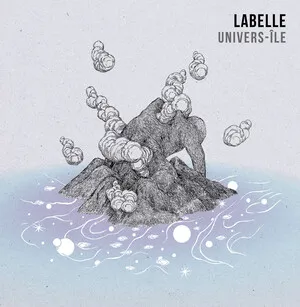
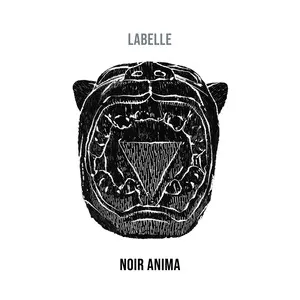
The first wave of electronic reinterpretations appeared in the 2000s, when beatmakers and DJs started sampling maloya percussion and looping the ternary groove under synths and drum machines. Artists such as Jako Maron and later Labelle and Loya helped codify the sound by foregrounding the swing of the maloya pulse within techno/house and experimental frameworks.
Through the 2010s, dedicated releases and compilations put “electronic maloya” on international radars, and local festivals on Réunion gave the style a live context alongside traditional kabar gatherings. Producers refined a palette of sub‑bass, granular percussion edits, and creole vocals while keeping arrangements anchored in the 6/8 feel rather than a straight 4/4.
Collaborations with France‑based and global electronic scenes broadened its audience. The genre now sits comfortably between club culture and heritage music, offering a template for respectful modernization that preserves maloya’s rhythmic identity while exploring new sound design.


Top albums

Best playlists