Your digging level

For this genre
0/8
🏆
Sign in, then listen to this genre to level up

Description

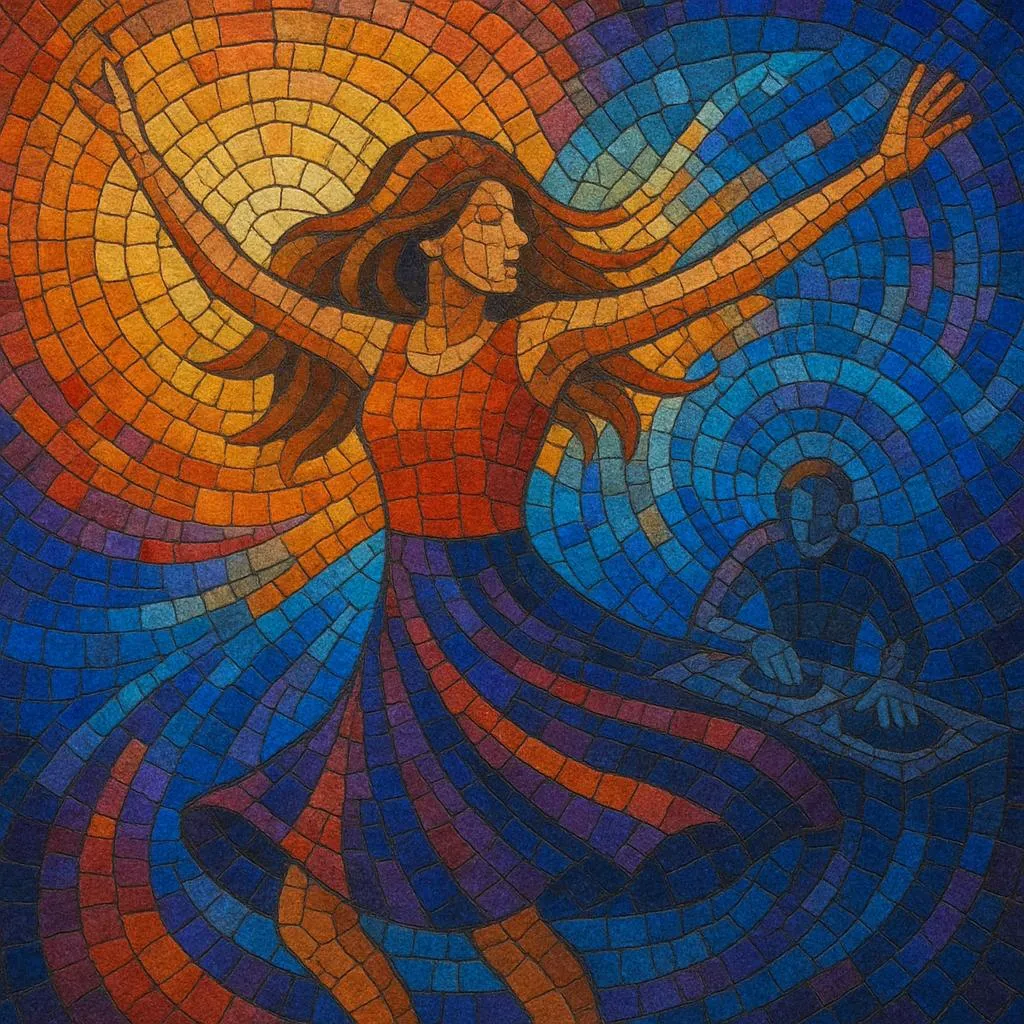
Christian dance is a branch of Contemporary Christian Music that fuses club‑ready electronic production (dance‑pop, house, trance, EDM) with explicitly Christian themes and worshipful lyrics.

Expect four‑on‑the‑floor kicks, bright synth leads, side‑chained pads, euphoric drops, and sing‑along hooks, but with messages centered on faith, hope, and Scripture. The style spans radio‑friendly dance‑pop and more festival‑scaled EDM suitable for youth events, worship nights, and Christian festivals, often serving both as entertainment and a vehicle for ministry.

Because it borrows mainstream dance language while keeping a devotional focus, Christian dance functions as a cultural bridge—bringing contemporary club sonics into church contexts, youth outreach, and faith‑based spaces.


Sources: Spotify, Wikipedia, Discogs, RYM, MB, user feedback and other online sources

History

Origins (early–mid 1990s)

Christian dance crystallized in the early 1990s alongside the UK and European rave/house explosion. British outreach groups like The World Wide Message Tribe brought house and Eurodance into youth ministry, while U.S. pioneers such as DJ/producer Scott Blackwell (and his N*Soul label) issued purpose‑made Christian house and trance projects (e.g., the Nitro Praise series), proving that club sonics could carry worship content.

2000s consolidation

Through the 2000s, a small but committed ecosystem formed. Artists like Andy Hunter° brought high‑caliber electronic production to wider Christian and crossover audiences, licensing tracks to film, TV, and games while retaining a faith‑centered identity. Parallel scenes emerged in the UK (LZ7) and Europe, and remix culture grew around CCM hits, creating dance versions for youth events and conferences.

2010s mainstream within worship

The 2010s saw a notable embrace of EDM within modern worship and CCM. Hillsong Young & Free popularized festival‑scale drops, supersaws, and chantable refrains in congregational contexts. U.S. duos like Capital Kings and solo artists such as Matthew Parker further codified a dance‑pop/EDM Christian template. This decade also witnessed globalizing effects: Latin America’s “electrónica cristiana” scenes flourished; African gospel scenes absorbed house and later amapiano tropes; and Christian EDM/DJ collectives (e.g., Transform DJs) expanded the live circuit at conferences and festivals.

2020s diversification and digital reach

Streaming‑native production and social platforms lowered barriers for faith‑based producers and DJs worldwide. Substyles now range from glossy dance‑pop to big‑room, future bass, and house worship remixes. The genre’s acceptance in youth and young‑adult ministry contexts continues to normalize dance music aesthetics in faith spaces, while bilingual and non‑English scenes (Spanish‑language “electronica cristiana,” Afrobeats/house fusions) expand its global footprint.

How to make a track in this genre

Tempo & groove
•   Aim for 122–130 BPM for house/euphoric dance‑pop; 128 BPM is a common target. Mid‑tempo dance‑pop (100–110 BPM) also works for radio‑leaning tracks. •   Use a four‑on‑the‑floor kick, off‑beat hats, and syncopated claps/snares. Employ side‑chain compression to create the signature EDM pump.
Harmony & melody
•   Keep harmony accessible for congregational or youth‑event singing: I–V–vi–IV and vi–IV–I–V progressions in bright keys (C, D, E, G, A). •   Write toplines with clear, high‑energy hooks; use octave‑doubled leads and call‑and‑response refrains to encourage participation.
Sound design & arrangement
•   Build with modern EDM components: punchy kick, layered clap/snare, bright supersaw stacks, plucked synth arps, sub‑bass, and airy pads. •   Structure like pop‑EDM: intro → verse → pre‑chorus (build) → chorus/drop → post‑chorus → verse 2 → build → bigger drop → bridge/breakdown → final lift. •   Incorporate risers, noise sweeps, snare rolls, and filter automation for tension/release.
Lyrics & theology
•   Center lyrics on Christian themes (grace, salvation, identity in Christ, praise, Scripture). Keep messages clear, affirmative, and suitable for mixed‑age gatherings. •   If writing for worship use, include simple, repeatable choruses; avoid imagery that clashes with a church context even if it is common in club culture.
Vocals & performance
•   Favor bright, earnest pop deliveries; stacked harmonies and gang chants help live engagement. •   For worship contexts, consider key ranges comfortable for congregational singing; provide instrumental versions for live leaders.
Production tips
•   Reference mainstream dance‑pop and worship‑EDM mixes; keep LUFS and loudness competitive but preserve dynamics in breakdowns. •   Side‑chain bass/pads to kick for clarity; carve space with EQ for lead vocal intelligibility. •   Offer alternate versions (radio edit, extended mix, instrumental, and a worship‑friendly arrangement) to fit services and events.

Top tracks

Locked
Share your favorite track to unlock other users’ top tracks

Upcoming concerts

in this genre
Influenced by
Has influenced

Download our mobile app

Get the Melodigging app and start digging for new genres on the go
© 2026 Melodigging
Melodding was created as a tribute to Every Noise at Once, which inspired us to help curious minds keep digging into music's ever-evolving genres.
Buy me a coffee for Melodigging