Your digging level
Description
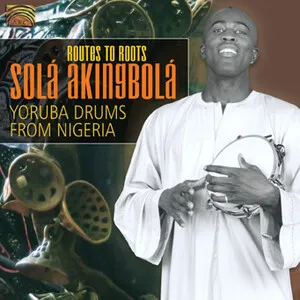
Apala (sometimes written akpala) is a Yoruba percussion music that took shape in southwestern Nigeria in the late 1930s, especially among Muslim communities in the Ijebu area (present‑day Ogun State) during British colonial rule.
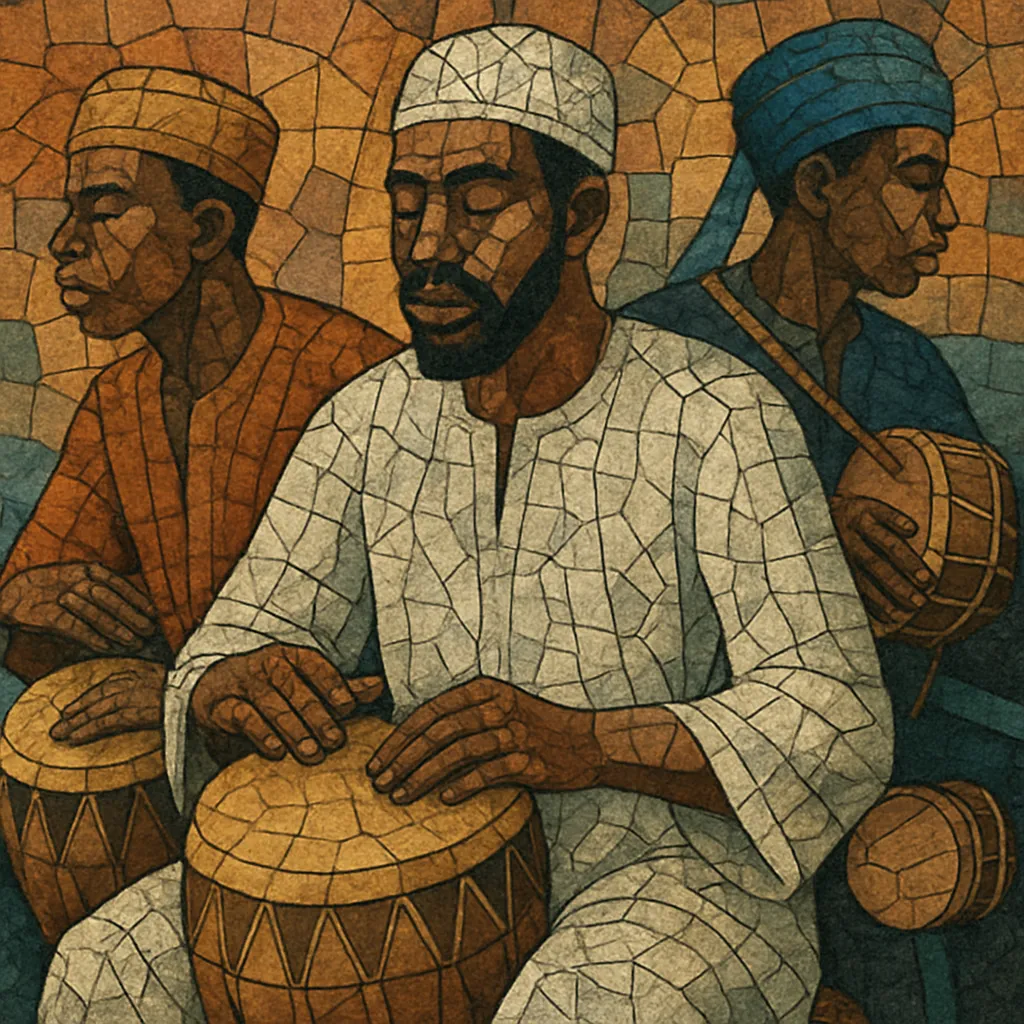
Built around interlocking drum patterns, a dry wooden lamellophone bass (agidigbo), shaker (sekere), and metal bell (agogô), Apala features call‑and‑response vocals delivered in Yoruba, praise‑poetry inflections, and rolling timelines that can feel simultaneously in 4/4 and 12/8. It began as devotional wake‑up music during Ramadan but gradually broadened to social commentary and celebratory dance music. Over time its polyrhythms became more intricate, and its grooves have resonated beyond Nigeria, even echoing in Afro‑Cuban and wider Afro‑diasporic idioms.
History
Apala emerged among Yoruba Muslims in the Ijebu region of Yorubaland (now largely Ogun State) during the late 1930s and early 1940s. Musicians used compact drum ensembles, agidigbo (box lamellophone), sekere (beaded gourd shaker), and bells to rouse the faithful for pre‑dawn Ramadan meals. The vocal style drew on Qur’anic recitation and Yoruba praise‑singing, set to cyclical, interlocking rhythms.
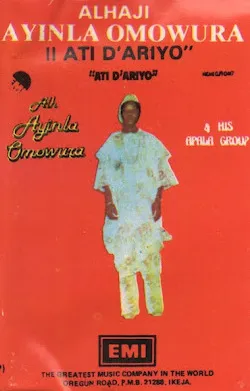
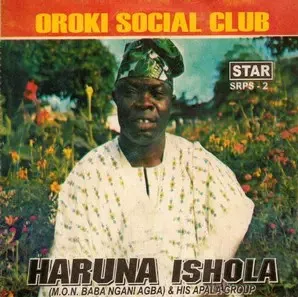
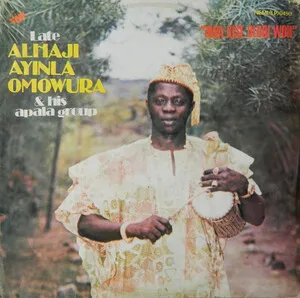
With urbanization and the growth of radio and record labels in colonial and early post‑independence Nigeria, Apala moved from streets and courtyards to studios and ballrooms. Ensembles codified instrumental roles and expanded the repertoire from religious pieces to topical songs, morality tales, and encomiums. Star bandleaders such as Haruna Ishola and Ayinla Omowura became national celebrities, cutting records that defined the Apala sound—dry, woody bass ostinati from the agidigbo, crisp sticked drums, and responsorial choruses.
By the late 1960s, Apala’s rhythmic language had grown more complex, while lyrics increasingly addressed social life beyond strictly religious themes. Parallel Yoruba genres (sakara, were, and later fuji) interacted with Apala, sharing musicians, audiences, and venues. Although Apala remained distinct, its timbres and phrasing influenced neighboring styles and contributed to the broader Yoruba popular‑music ecosystem.
Yoruba rhythmic logics—also central to Afro‑Cuban traditions—found fresh dialog through broadcasting, touring, and records. Mid‑ and late‑20th‑century listeners recognized kinships between Apala’s bell timelines and Afro‑Cuban percussion cycles. Within Nigeria, Apala grooves informed subsequent Yoruba popular forms, while, in the 21st century, younger artists have hybridized Apala with hip‑hop and trap textures.
Heritage bands keep classic Apala alive at festivals, ceremonies, and recordings, while modern interpreters revive the idiom for new audiences. Musiliu Haruna Ishola has carried forward his father’s legacy, and contemporary artists have fused Apala’s cadences with urban pop and trap production—affirming the genre’s adaptability while retaining its Yoruba rhythmic heart.