Your digging level
Description
Afro-Cuban percussion refers to the family of hand-drum and small-percussion practices that developed in Cuba from West and Central African traditions, fused with local Cuban culture. Its heartbeat is the clave timeline, which organizes interlocking rhythms (often in 3-2 or 2-3 orientation) and anchors layers of drums, bells, and shakers.
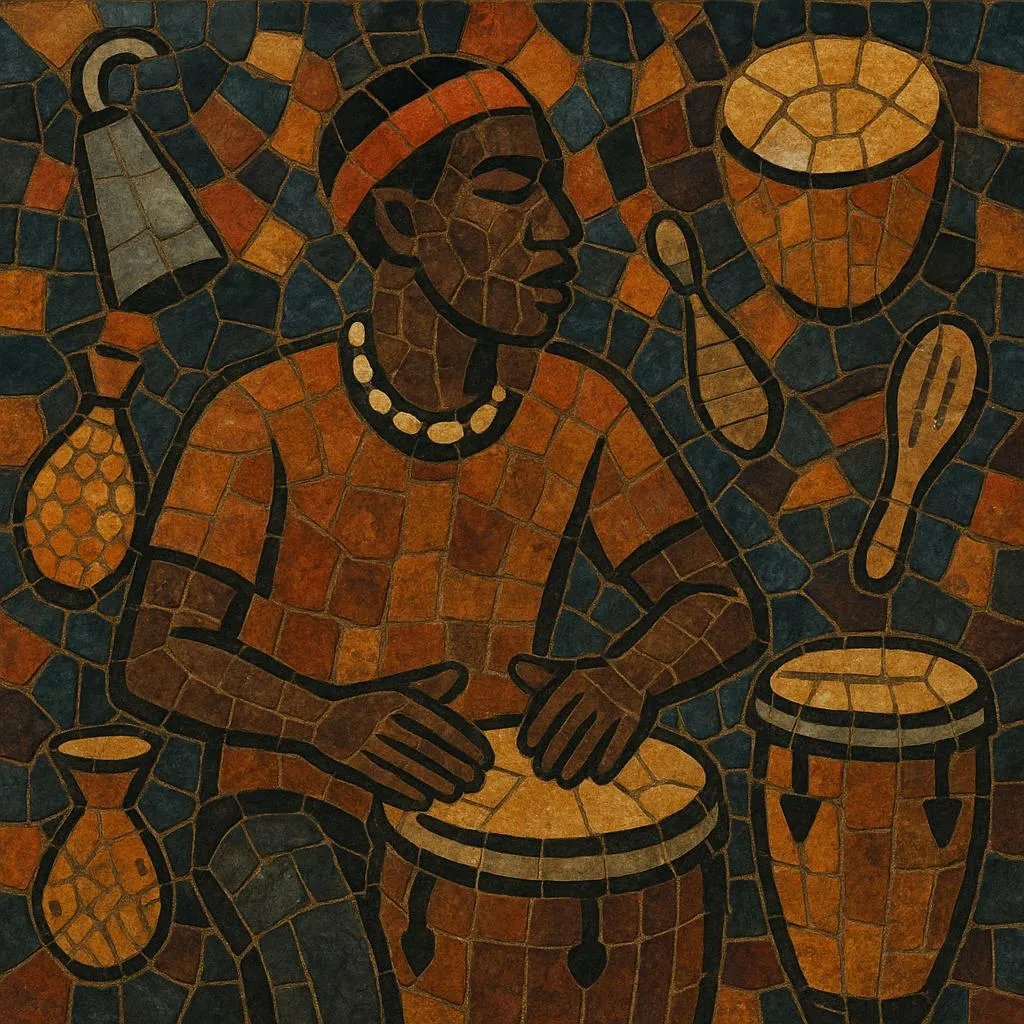
Core instruments include tumbadoras (congas), bongó with cencerro (cowbell), batá (the sacred double-headed hourglass drums of Yoruba/Lukumí worship: iyá, itótele, okónkolo), cajón (wooden box), timbales (later in popular dance contexts), chekeré/güiro (scrapers and beaded gourds), and various bells. Textures are polyrhythmic and cyclical, featuring call-and-response vocals, improvisatory lead drum phrases, and timeline instruments that guide the ensemble.
Within Afro-Cuban percussion there are distinct streams: sacred drumming (batá, iyesá, arará, abakuá) tied to religious ceremony, and secular forms (rumba—yambú, guaguancó, columbia—comparsa/conga street processions, and later dance-band contexts). The tradition emphasizes groove, conversation between parts, and the expressive dialogue between dancer and lead drum.
History
Enslaved West and Central Africans—especially Yoruba/Lukumí, Kongo/Bantú, and Arará/Ewe-Fon peoples—brought ceremonial and recreational drumming to Cuba. Over centuries, these practices adapted to local conditions, forming distinct Cuban traditions. By the late 19th century (post-abolition, 1886), urban Black communities in Havana and Matanzas crystallized secular rumba styles (yambú, guaguancó, columbia), while sacred batá ensembles served Santería/Lukumí rites. Abakuá societies maintained their own drum-speech traditions.
Rumba emerged in docks, solares (tenements), and patios, using cajones (shipping crates) before modern conga drums spread. The clave became the timeline backbone, coordinating interlocking ostinati. Street comparsas (conga) amplified percussion during carnival processions. As son cubano and danzón-mambo scenes expanded, percussion migrated into dance bands; timbales, bongó, and conga parts were codified (cáscara, martillo, tumbao). In the 1940s–50s, master percussionists like Chano Pozo fused these rhythms with jazz harmony, birthing Afro-Cuban jazz.
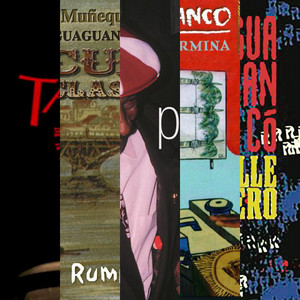
Migration and recording disseminated Afro-Cuban percussion worldwide. Artists in New York, Mexico City, Caracas, and later Europe and Japan adopted conga/bongó/timbales as standard Latin jazz and salsa instruments. Folkloric ensembles (e.g., Los Muñequitos de Matanzas) preserved rumba lineages, while innovators in Cuba (e.g., songo and timba drummers) hybridized folkloric patterns with funk and jazz. Today, batá remains central in ritual contexts; rumba and comparsa thrive in community settings; and the language of Afro-Cuban percussion underpins salsa, Latin jazz, and much of global dance music.