Your digging level
Description
Bomba del Chota is an Afro‑Ecuadorian music and dance tradition from the Chota–Mira valley in the northern Andean highlands of Ecuador. It blends African‑derived drum patterns, call‑and‑response singing, and festive dance with Andean string accompaniment, reflecting centuries of cultural exchange among Afro‑descendant, Indigenous (Kichwa), and mestizo communities.
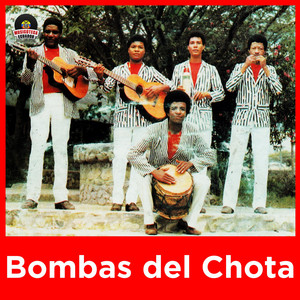
Its heartbeat is the bomba drum—played with a combination of hands and stick—supported by guitar and requinto ostinatos, bocina (cow horn) calls, and shakers or güiro-like scrapers. Lyrics are typically in Spanish with regional idioms, celebrating communal life, work, love, pride, and identity. While firmly rooted in tradition, contemporary ensembles sometimes incorporate cumbia- and salsa‑tinged phrasing and urban arrangements for stage and festival contexts.
History
Enslaved Africans brought to the Chota–Mira valley during the colonial period carried drumming, dance, and call‑and‑response practices that took root amid highland haciendas. Over the 1800s, these practices fused with local Andean string traditions (guitar and later requinto), creating a distinctive ensemble sound anchored by the bomba drum. The music provided both social cohesion and a space for celebration and resilience.
As Afro‑Ecuadorian communities in towns like El Juncal, Carpuela, Mascarilla, Salinas, Chota, and Mira consolidated their cultural life, bomba became central to fiestas, patron-saint festivities, and family gatherings. Oral transmission, community troupes, and local festivals ensured continuity, while instruments such as the bocina (cow horn) and hand percussion enriched the music’s timbral palette.
Regional festivals and cultural programming brought bomba to provincial and national stages. In this period, some groups experimented with amplified setups and arrangements that nod to cumbia and salsa phrasing without abandoning the characteristic bomba pulse. Educational and cultural organizations began documenting repertoire and dance steps, strengthening intergenerational transmission.
Today, Bomba del Chota is both a living community practice and a symbol of Afro‑Ecuadorian identity in the highlands. Community ensembles remain the genre’s backbone, while younger performers explore respectful fusions for broader audiences. Efforts in cultural heritage recognition and music education continue to sustain the tradition.